
Usha Paan
Usha Paan means Dawn drinking water, where Usha means dawn, and Paan means drink. When we talk about our biological rule, people should drink water early in the morning. In the early days, people used to drink water early in the morning through their nose/mouth to keep their minds cool and eyes sharp. But now in the modern era, tea is drunk first instead of water, which may cause lots of disorders.
Nature Science and also Ayurveda recommends waking up in Brahma Muhurta, which is around 2-3 hours before sunrise. Usha means dawn, which is nearly just before sunrise. So, there is around 60 minutes gap between the time of Brahma Muhurta and Dawn. So, Usha Paan should be done then.
Drinking water in the morning can prevent and help manage abdominal disorders, including constipation, malabsorption, and piles. It also helps with urinary disorders and blood disorders. It is also beneficial in diseases of the upper parts of the body, including the head, nose, ear, and throat. Usha Paan is highly useful in the prevention and treatment of skin diseases.
Usha Paan Technique
Put drinking water in mud pot if available, if not, in copper pot overnights in side of the beds. You can already add some tulsi leaves, or beal leaves or rudraksh seed or Tripala to water. Drink this water next morning before sunrise or just after wake up.
After waking up, sit in Bajrasana, exhale few times through mouth and drink water on the bed and get down from the bed, walk few minutes freely, then can go to Toilet.
After morning cleansing acts, again drink lemon water or Tulsi tea or Mint Tea and can start the morning yoga session but not only the yogasana or exercise.
Take drinking water in a glass of water. Below the nose and clean the nasal passage. Keep the aim of the glass under your nostril and inhale very slowly and gently till you feel the water in the throat. It should be done under obeservation or after training. Now, you have to just go on drinking the water in the usual way. Drink it daily.
Precaution: Don’t inhale forcefully.
Benefits of Usha Paan
Drinking water in the morning prevents and cures almost all diseases. Especially, it is helpful in piles, abdominal disorders, Grahani disease (irritable bowel syndrome), fever, obesity, and diseases of organs located in the upper part of the body (above the neck). It helps in diseases of the ear and improves longevity. It is also useful in urinary disorders and blood disorders. Some other benefits of Usha Paan are :
- Removes worms from stomach of tulsi leaves are added to the water.
- It prifies the blood and keeps the skin healthy and beauty.
- Lowers blood pressure if Rudraksh is added to the water.
- It removes the acidity and Gastrities by use of triphala.
- For diabetes use bael leaves in the water.
- If Agnisar and Udarakarshanasana are performed after the Usha Paan, the bowels become clear.
- It protects from so many diseases.
Note
- Don’t drink Usha Paan water in hiccup , wound and pneumonia.
- Don’t take the water just after drinking castor oil. Increase the quantity of water gradually.
Fasting For Health and Harmony
Fasting means generally not eating. But fasting is the state of reducing the excess things and increasing the essential things for natural life. It is both a science and an art. Fasting is a part of dynamic health and the process of spiritual perfection. For one day, a week, or a month. Fasting will prove a great health boon. Total abstinence from all food for a definite period to give rest to the stomach and intestines, but it is not starvation.
Wild creatures keep fast when they are ill and become healthy. Fasting is the best way to cure diseases, promote health, and transform the entire energy into spiritual awareness.
Water fast , juice fast, fruit fast, liquid fast, mano diet fast, no breakfast fast there are many types of fasts. Fast is included in religious activities called vrata. Mainly there are four types of fast religious, political, therapeutic and spiritual but we have to consider the second one to be happy and healthy. Let everyone enjoy the fruit of health with fasting.
Benefits of Fasting
- Gives rest to vital organs like the heart, liver, kidney, etc.
- Stop the intake of foods that decompose in the intestine and poison the body.
- Empties the digestive tract and disposes of putrefactive bacteria.
- Allows organs of elimination to function efficiently.
- Re-establishes normal physiological chemistry and normal secretions.
- Promotes the breaking down and absorption of diseased tissues, deposits, and abnormal growths.
- Restores youthful conditions of the cells and tissues and rejuvenates the body.
- Increase the power of digestion and assimilation.
- Permits the conservation and re-channelization of energy.
- Skin texture and function is improved.
- Enhances the process of healing open sores, the repair of wounds, and broken bones.
- Blood volume diminishes in proportion to the decrease in size of the body. Red cells of healthy fasters are reported to show a decrease in white cells.
- The soft tissues of the body lose weight during a fast, as they waste away through the body’s resources. Biologically important organs are sustained at the expense of the less important ones.
- Prepare the foundation to have fasts. Relax your body and mind, eliminate laughter at fasting symptoms, and break the fast cautiously.
By Dr Subodh Simkhada
Kapalbhati Pranayama
Kapalbhati is a breathing exercise for cleansing the respiratory system. It also means shining the skull. It is part of the Eight Limbs of Yoga as compiled in the Yoga Sutras by Sage Patanjali. Practicing Kapalbhati keeps you healthy in mind, body, and spirit.
Kapalbhati Technique
Sit in Padmasana/Siddhasana or any other comfortable pose. Perform quick exhalation with very short inhalation. With succession of inhalations and exhalations the abdominal muscles are pushed back and forth.
To start with, practice ten expulsions followed by deep inhalation. Then retain as long as you can comfortably do so. Then exhale slowly. Take breaths.
Benefits of Kapalbhati Pranayama
- Enlightens the brain.
- Beneficial for the lungs and heart.
- Improves blood circulation
- Purifies the brain.
- Destroys kapha accumulated in wind pipe.
- Strengthens the liver, intestines, pancreas, and digestive system.
- Brings heat to the body when it is cold.
- Reduces wrinkles and brings glow to the skin.
- Mobilizes the fat by regulating the metabolism of body.
- Helps to clean the sinus and respiratory passages.
- Fills more oxygen into the lungs.
- Lends elasticity to the diaphragm and increases the capacity of the lungs.
- Stimulates and tones the abdominal muscles.
- Purifies the blood by redirecting it to the lungs for oxygenation.
- Improves the memory.
- Helps to reduce headache and giddiness.
- Improves circulation of blood.
Kapalbhati for Skin Health: Kapalbhati has shown great results for skin. It’s practice cleanses the body from the inside, which results in the excretion of all impurities and dirt. Thus, we can see clear and glowing skin. It works strongly for those who continuously face acne and wrinkles.
Kapalbhati Benefits for Heart: Kapalbhati controls all the factors that are harmful to the heart. It controls the High Blood pressure problem and balances and removes all the toxins present in the body in any form. It works on stress and depression, which are highly responsible for heart attacks.
History of Reiki
What is the History of Reiki? In this world, cosmic energy appeared and filled the beautiful universe, which exists through the power of universal energy known as cosmic intelligence. A universal force called the gravitational force connects and binds every celestial body. This cosmic intelligence influences every creature and every element. It guides them and allows them to exist within its flow.
The whole existence behind the energy works, and it also helps human beings achieve higher consciousness through its power. Knowingly or unknowingly, visibly or invisibly, universal energy sustains our existence. This energy supports survival, balances life, and also nurtures spiritual growth and higher consciousness. In Divine civilization, gods, goddesses, holy persons, sages, and seers realized and achieved the cosmic power. They became intellectuals and holy individuals, and some reached enlightenment. They applied this energy for best wishes, empowerment, encouragement, motivation, True nature, lightness, sympathy, and blessings.
The same cosmic energy arrived on the 26th, hundreds of years ago, when Siddhartha Gautama attained enlightenment and became the so-called Buddha. He began to educate and inspire people to explore peace, love, and true knowledge through philosophical guidance. At the same time, he informally used this cosmic power as spiritual energy for healing. However, he did not formally or systematically use, develop, or follow up with this healing system. He did not make it available to the public.
In the 19th century, around hundred years ago, Mikao Usui, a Japanese, studied and practiced this eastern and Buddhist wisdom and philosophy long time in Tibet and other south Asian zones. He got back to Japan with lots of spiritual experiences and knowledge, and then he started the determined meditation practice, going up one of the Japanese hills, and continued practicing in fasting. On the 21st day of his practice, he realized and achieved different and unique energy entering his body with lights, rays, and symbols from the universe. Then he stopped his practice and went back home.
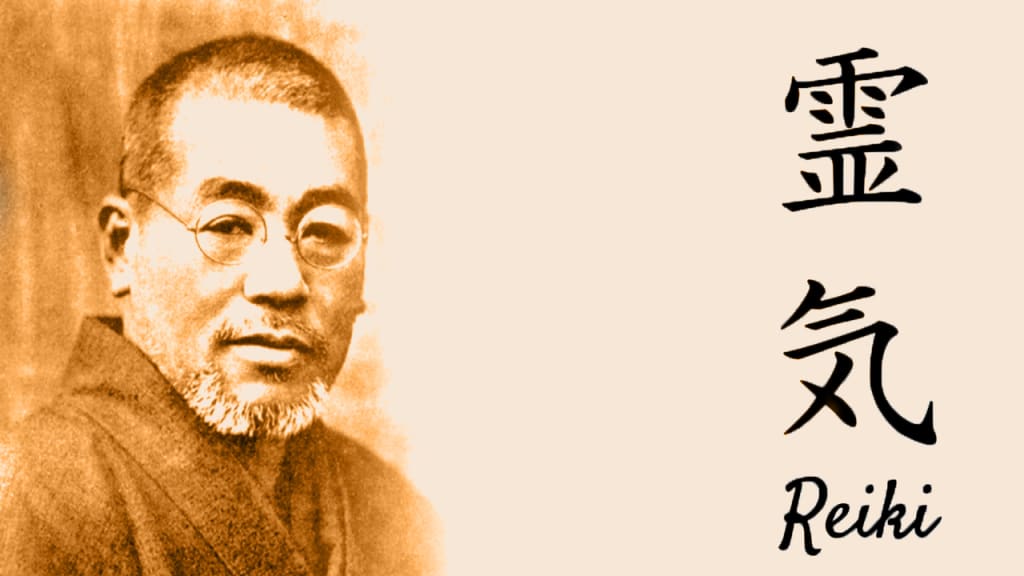
After this experience and realization, something changed in his life. When he touched someone, they felt healing and miraculously recovered from certain illnesses. He then developed a system of healing with energy. Eventually, he named this healing system Reiki, using a Japanese word. In the Japanese language, Reiki means “Universal Power Energy.” Rei stands for universal power, and Ki stands for energy or cosmic intelligence.
By Swami Yog Subodh (Dr Subodh Simkhada)
Seats for Yoga Teacher Training in April 2020
We have successfully graduated hundreds of teachers in our 19 years of offering 200-hour Yoga Teacher Training. Yoga on High’s Program prepares you to teach intelligently sequenced, safe, and well-rounded classes to a variety of students. We have seats for Yoga Teacher Training in April 2020.
We focus – Hatha, Mantra Yoga, Yin Yoga, Ashtanga Vinyasa Yoga, and Ashtanga Yoga with elements of teaching beginners, special populations, and therapeutics or Vinyasa, with elements of power styles, slow flow, and fusion. Since 2001, Yoga on High has graduated some of the top yoga teachers in Ohio. Join our family and become part of this history! Introductory sessions are Karma Yoga, Bhakti Yoga, Jnana Yoga, Dhyana Yoga, and Kundalini Yoga.
Teach yourself and others to live your power on and off the mat. Find your voice in front of a room as you learn class sequences, fundamental teaching formulas, alignment and anatomy, demos and assists, history and philosophy of yoga, self-study, and more. Earn a 200-Hour Yoga Alliance Certification.
Seats Remaining For April Intake of YTTC
Our 200-hour yoga teacher training curriculum includes:
- Advanced study of asana (proper alignment, benefits and potential risks)
- Principles of anatomy and physiological speed
- Science and art of sequencing
- Hands-on adjustments
- Need of Industrial and technological human lifestyle and formating the yoga project
- How to observe bodies, need accessment,
- Informed use of props to improve or modify a posture
- Cultivating your voice
- How to teach on the basis of chance and challenge
- Confidence-building through practice teaching
- Yoga history and philosophy
Himalayan Yoga Academy is a Registered Yoga School (RYS) with Yoga Alliance, which designates this yoga teacher training program in Nepal as one that follows Yoga Alliance’s standards. Students who complete an approved training with this school may be eligible to register with Yoga Alliance as Registered Yoga Teachers (RYTs).
In a 200-hour course, you will not only practice but also learn in-depth about yoga poses–how to execute the poses correctly according to your own physical abilities. You will practice yoga for at least two hours daily, so you come to really understand the mechanics of the poses and what they entail. Your physical health and strength will improve as well.
Note: Singing Bowl sound healing and Meditation, Ayurvedic Massage -1, Sauna Steam, Hiking Yoga are complementary.
By Swami Yog Subodh
Yoga for Students
Why yoga in student life?
Yogic Journey:
O……….M………..3 times “AUM HREEM AIM HREEM SARASWATAI NAMAH” -3 TIMES
Normally, children don’t have any problems in their lives like adults, but they need to do yoga for their academic improvement, stress management, and healthy body and mind. All students from class 1 to graduate need to do yoga in their life for their study as well as for physical, mental, and psychological health development.
Health + Happiness + Harmony = Union = Yoga
Some of the students are under the stress of their family condition and other psychological problems. If they do yoga, they can be free from the stress from outside the classroom, and they can concentrate on their study. Why yoga for students?
Many types of research have shown that yoga can improve the concentration and memory of students. Hence, Yoga for students is essential to improve students’ study and health. There are a lot of benefits of yoga in student life.
Why yoga for students?
1. Academic Improvement
Research over the past years has shown that Yoga can provide stress-relieving powers on students, paving the way for improved academic performance with the practice of asanas, meditation, and breathing exercises. Students talked of decreased stress levels and being more at peace to study, resulting in an increase in GPA.

2. Boosting Memory
With stress, anxiety, and negative thoughts sidelined through meditation, Yoga brings forth thoughts that you need to be focusing on. Studies have shown that Yoga has better results than brain training.
Historical wisdom has now combined with scientific studies to show that Yoga is a recommended therapy for students as well as adults.
3. Longer Attention Span
Active children might have a tough time sitting down to focus on studies. With regular yoga sessions of 20 minutes a day for a period of four weeks, children can focus longer on subjects.
The yogic environment and principles encourage the mind to focus and concentrate on one thought while gently setting aside distractions. Children with ADHD have also shown to have prolonged attention spans with regular practice of yoga.
4. Improved Posture
Sitting hunched over a desk for long hours leads to chronic pain and reduces breathing capacity. That’s why Yoga will make you more aware of your body and train your muscles to align correctly.
Correctly aligning the body allows the body to function with a minimal amount of energy. Yoga poses aimed at balance, flexibility, and stamina, strengthen muscles and connective tissues enabling good posture.
The practice of Yoga will bring a positive change in mood and attitude, increased energy levels and the ability to focus on what is required by setting aside distracting thoughts in a student.
Subtle Exercise:
Pair poses warm up – Child Jump, Jogging
Some of Yogasanas for the students are here:
- Cat-cow pose
- Baby Rock
- Lion Pose
- Tiger Pose
- Happy Baby
- Staff Pose
- Child Pose
- Pigeon Pose
- Cobra Pose
- Tree Pose
- Chair Pose
- Lotus Pose
- Seated Twist Tose
- Garland Pose
- Baby Play
- Druta halasana
Pranayama:
Anuloma-Viloma, Ujjayi, and Bharamari Pranayama
Meditation Yoga:
Use of Seed Mantra recitation
Here’s tips to improve memory for students :
Ashtanga Yoga Kundalini Yoga for 20 minutes a day, with chanting can help boost memory.
OM Shantih! Shantih!! Shantih!!!
By Dr Subodh Simkhada
Methods of Pranayama and Swaasa Kriya
Pranayama is the process of Breath control. Pranayama means Prana + Aayama; where prana stands for Life force and Aayama stands for expansion. There are four stages of Pranayama, i.e., Puraka (Inhalation), Anatara Kumbhaka (Inner retention), Rechaka (Exhalation), and Bahira Kumbhaka (Internal Kumbhaka). Pranayama is also called Kumbhaka. Literally Kumbhaka is pranayama. Pranayama is not a breathing exercise, it is breath control or breath ethics. When we do only inhalation and exhalation, that is called the Breathing Acts (swasa kriya). When we do breathing with Kumbhaka (Retention) is called Pranayama, and with Bandhas (Lock), it is also called advanced Pranayama. Below, we explained the Methods of Pranayama.
“Pranayama Paramo Tapah” that means Pranayama is supreme spiritual practice. Pranayama is itself austerity.
For beginners and therapeutic purposes, we do only Swasa Kriya, and next level, we can follow the pranayama and advanced pranayama as well.
1. Deep Breathing
Sit in a meditative posture. First, exhale and use a light uddiyan bandha and mool bandha. Inhale slowly and deeply. The belly comes out. Exhale slowly. The belly comes in. Practice it for 3 to 5 minutes. Concentration will be on breathing or navel (Manipur chakra).
2. Anuloma Viloma Swasa Kriya (Pranayama)
Sit in a meditative pose. Close your eyes. Put the hand on the left knee. Put the left hand nostril with right thumb. Inhale slowly and evenly through the nostril, filling the lungs close to the left nostril with ring finger, and exhale through the right nostril. It is one round. Now repeat the process 5-10 times.
3. Naadi Shodhan Pranayama
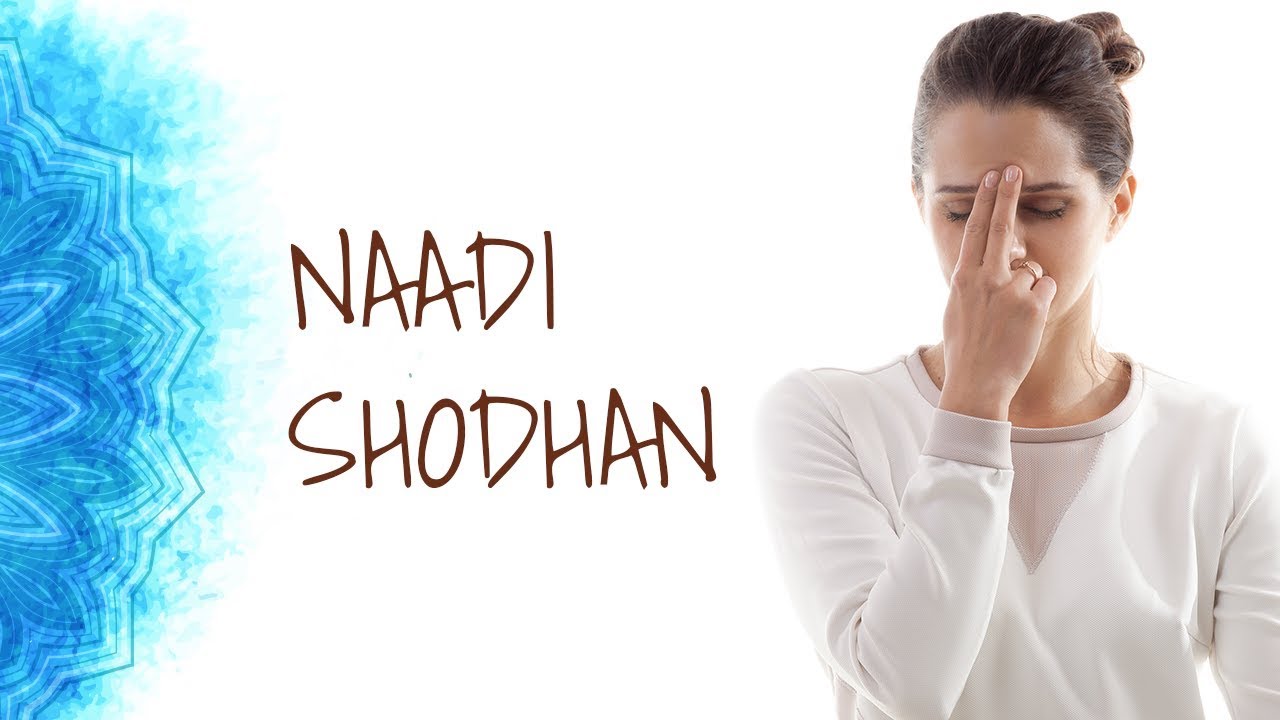
Naadi Shodhana is the psychic network purification. It has four techniques. If somebody wants to learn this pranayama very well, it takes 42 days to learn Nado Shodhana in a literal way with a Yoga Guru.
Technique 1: Preparatory phase- Inhale and exhale through left nostril 5 to 10 times and through right 5 to 10 times
Technique 2: Inhale through the left nostril and exhale through the right
nostril. It is called Anuloma- Viloma ( Alternate nostrils breath
Technique-3: If you retain the breath, it becomes naadi shodhan pranayama. The ratio is IN: IR: EX = 1:4:2 = 10: 40: 20 second and starting from 1:1:1, for 20 rounds. After good practice ratio should be 1:1:2, 1:2:2, or 1:4:2. Repeat the rounds 5-20 gradually.
Advanced Pranayama: i. with Jalandhara Bandha, ii. with Jalandhara and Moola Bandhas
Technique-4: The ratio is IN: IR: EX: ER = 1:4:2:2 = 10: 40: 20: 20 second and starting from 1:1:1:1, for 20 rounds. After good practice ratio should be 1:1:2:1; 1:2:2:1; 1:2:2:2; 1:3:2:2; 1:4:2:2;. Repeat the rounds 5-20 gradually.
Advance Pranayama: i. with Jalandhara Bandha; ii. with Jalandhara and Moola Bandhas and iii. with Tri bandha
4. Plaviini prayama
Sit in any meditative posture. Place the hands on the knees. Keep the body erect. Close your eyes. Keeping the mouth in a round shape, start shipping the air in the same manner in which water is shipped. Let the stomach float with air. When the stomach is filled with air, close the mouth for a few moments and hold air, close the mouth for a few moments and hold the air inside. Keeping the tongue out and bending from the lumbar region. Exhale the air completely out of the lungs. Repeat this process three times or more.
5. Ujjai Pranayama
Sit in any meditative posture or any other comfortable pose. Keep the hands on the knees. Close the eyes and mouth. Contract the lower part of the tongue, the glottis, and inhale in such a way that a sound is produced of a mild and uniform pitch like snoring (khanratey). Use light uddiyan bandha. Exhale slowly, inhale from the nostrils to the throat and then to the heart. Retain it with comfort. While exhaling, visualize the movement of the prana from heart to throat, from throat to nostrils. Exhale slowly.
6. Bhramari Pranayama

Sit in a comfortable posture. Put the index fingers into the ears. Close your eyes. Inhale deeply. Exhale through nostrils, emitting a buzzing sound like a black bee. Repeat it 5 to 10 times, and then breathe in deeply and retain as long as you can with comfort. The exhale slowly and resume normal breathing.
7. Bhastrika Pranayama
Sit in a meditative posture. Keep the hands on the knees. Close your eyes. Adopt the process of goldsmith’s bellows or like a panting dog. Inhale and exhale rapidly and forcibly. Close the left nostril with the two fingers of the right hand. Now close the right nostril and inhale and exhale rapidly. Do this 15 times for each nostril. After that, practice with both nostrils. Finish with outer kumbhaka.
8. Chandrabhedi Pranayma
Sit in a comfortable posture. Put left hand on the left knee in gyana mudra. Place the two first fingers of the right hand at the root of the thumb. Close the right nostril with the help of the right thumb. Inhale deeply through the left nostril with the help of the ring finger. Retain the breath in antrik kumbhaka. Perform the three bandhas while doing kumbhaka exhale slowly through the right nostril. Every inhalation will be through the left nostril and exhalation through the right nostril.
9. Suryabhedi Pranayama
The whole process is the same as chandrabhedi pranayama. The only difference is that inhalation is implemented through the right nostril and the exhalation through the left nostril every time. Repeat this 5 times in the beginning and increase the rounds gradually.
10. Sheetali Pranayama
Sit comfortably. Take out the tongue and fold it lengthwise like a tube. Draw in air through the mouth with a hissing sound the retain it as long as you can with comfort, keeping the mouth closed. Then, exhale slowly through both nostrils. Repeat this 6 times.
By Subodh Simkhada
Yama and Niyama
Yama and Niyaman are the fundamentals of Ashtanga Yoga. They are the first two limbs. Yama and Niyama are the ethical precepts set forth in Patanjali’s Yoga Sutras as the first and second of the eight limbs of yoga. They are the foundation of our practice, without which no spiritual progress along the path of yoga can be made. Many people come to yoga initially as a physical exercise and only later begin to understand the profound spiritual effect it has on our lives.
The Yamas and Niyamas originate from the very well-known text ‘The Yoga Sutras of Patanjali’, which many yoga teachers or teachers-in-training will have attempted to decipher at some point. Patanjali is known as a sage, but it’s very unlikely that one man wrote these texts – and far more likely that the texts are the culmination of what a group of Patanjali’s disciples wrote over some time.
I. Yama
- Non-violence (Athimsa) means not to hurt any creature mentally or physically through mind, speech and action.
- Truthfulness (Satya) is the presentation of a matter as perceived with the help of sense organs.
- Non-stealing (Asteya) means not to covet and acquire physically, mentally, or by speech others’ possessions.
- Cosmic Regimen (Brahmacharya): Brahmacharya is the self restraint to follow the code and conduct of Nature. It means the appilication of natural habit and explores true nature. It follows the biological cycle on need base, not a desires and expectations.
- Non-acquisitiveness (Aparigraha) means abandoning wealth and means of sensual pleasures.
II. Niyama
- Cleanliness (shauch) means internal and external purification of body and the mind.
- Contentment (santisha) is a state of mind by which one lives happily and satisfied in a congenial or uncongenial atmosphere.
- Austerity (penance/tapas) is the conquest of all desires or sensual pleasures by practicing purity in thought, speech and action.
- Self study (swadhyana) means exchange of thoughts in order to secure in thought and accomplish knowledge.
- Surrender to God (Ishwara Pranidhana) consists of devotion to god and surrendering all actions to him.
Yoga For Constipation
An irregular and insufficient bowel action. Regular, timely defecation gives a sense of lightness in the lower abdomen and a sense of satisfaction due to the emptied pelvic colon. It is the main root of many diseases. Today, it may be equated to ‘constipation’ –so rampant is the malady among city dwellers of all ages and sexes. So, Learn How you can cure or reduce the occurrence of constipation. Learn Yoga For Constipation.
Constipation Symptoms
Headache, fever, fullness or tension in the stomach and the intestines, frequently ineffectual or absence of the efforts, throbbing pain in the abdomen. Piles and varices, difficulty of breathing, disturbed sleep, loss of energy etc.
Constipation Causes
Ignoring the natural call, irregularity in taking meals, hurried eating, intake of too much food, munching irregularly too often in the day. Excessive intake of drinking water, during the meal, tea, cold drinks, etc., lack of exercise, worries, less sleep, drinking less water, fried and fatty food. Eating without hunger.
Yoga for Constipation Yogic Treatment
- Shatkarmas: Kunjal, Enema, Shankhprakshalan & Nauli Kriya
- Yogasanas: Pawanmuktasana, Paschimottanasana, Dharurasana and Sarvangasana
- Pranayamas: Agnisar Kriya for 3 minutes, Kapalbhati Suryabedi, and Sheetali Pranayama. Eat when surya swara works and drink when Chandra swara works and drink Chandra swara works. Use Ashwanimundra and Uddiyan Bandha.
- Mudras: Use Prithivi (Earth) mudra /Shankh mudra /Apaan mudra or Surabhi for 48 mts.
- Diet: Salads, popcorn, and bael leaves added to milk are a good laxative. Bael leaves added to milk and sugar can be kept in a milkshake. Drink twice or thrice a day to keep constipation at bay. Figs, strawberries, spinach, prunes, honey, and seedless raisins (munakka) are excellent purgatives.
- Take green vegetable, curd, soup,ramroti (mixed methi/bathau etc.) Some times do fast when needed.
- Use trifala churna/harar churna/ amla churna, isabgol husk with hot milk or water when needed. Don’t use these regulary. Take trifala honey.
- Avoid fried and fast food. Don’t drink water after meal.
- Eat when you feel hunger. Chew properly eat less food. Drink 8-10 glasses of water a day atleast.
Yoga For Constipation Other Treatments
- Remove all the causes of constipation.
- Take overnight water soaked 20 + 5 munakas and a fig regularly for a few days.
- Sit in Vajrasana for 10 – 15 minutes after meals.
- Do ushapaan in the early morning (the stored water in copper utensil at night)
- Soak 6-8 dates in a cup of water over night churn it in a mixer and drink first thing in the morning.
- ½ cup milk +1/2 cup water + 2 black raisin +4 dates. Boil and have last food in night before going bed.
- Pear, grapes, papaya, spinach and bael fruits are helpful also to remove the constipation.
- Take Panchaskar churna 3-5 gm with water or Abhayarist 15-30 ml+water 2 tsp or 9 Haritaki churna 5-10 gm with water.
- Eat 2 pices of cashew + taisins (blacks) without taking anything before.
- Take 1 tsp gulkand with hot milk at night before going to bed.
- Drink bael sharbat.
- Eat dalia + green vegetables or chapati of branflour.
- Take trifala and haraw powder 1 tsp with warm water, morning and evening.
Yoga Poses for Glowing skin
Health Researchers say that “You must be healthy and well from the inside to be able to look good on the outside”. Hence, Yoga has proved beneficial here too, as yoga helps in maintaining your body health and helps you to maintain your skin health as well. So, practice these asanas to make your skin clear of toxins and pollution!
Yoga Poses for Glowing skin
1. Bhujangasana (Cobra Pose)
It helps rejuvenate your skin. This opens your chest and reduces tension and fatigue. This pose will help you remove toxin by increasing your blood circulation.
2. Ushtrasana (Camel Pose)
This increases lung capacity. With gravity pull there is increase in blood circulation. As you provide brain more blood circulation, this pose will help in maintaining the hormone level of your body.

3. Matsyasana (Fish Pose)
Fish Pose tones the muscles in your face and throat, thereby giving your face and throat a great stretch. This does wonders to firm and smooth your skin. This normalizes the function of pituitary, thyroid, adrenal, and pineal glands.
4. Halasana (Plow Pose)
Halasana Plow Pose increases blood circulation throughout your body and provides vital nourishment to all your organs. If you’re having sleeping problems, then plow pose is the natural cure. It will help with insomnia and restless sleep. We all know that sleeping is the cheapest way to regain your beauty.
5. Salamba Sarvangasana (Shoulder-stand)
It helps in reversing the effects of gravity. Being upside down in the shoulder stand reverses the effects of gravity. Inversions are the best way to enhance facial radiance and plump the skin and fill in sags and bags. This pose helps increase circulation, as it sends all your blood to your brain, which brings nourishment at the deepest levels. Therefore making you look younger.
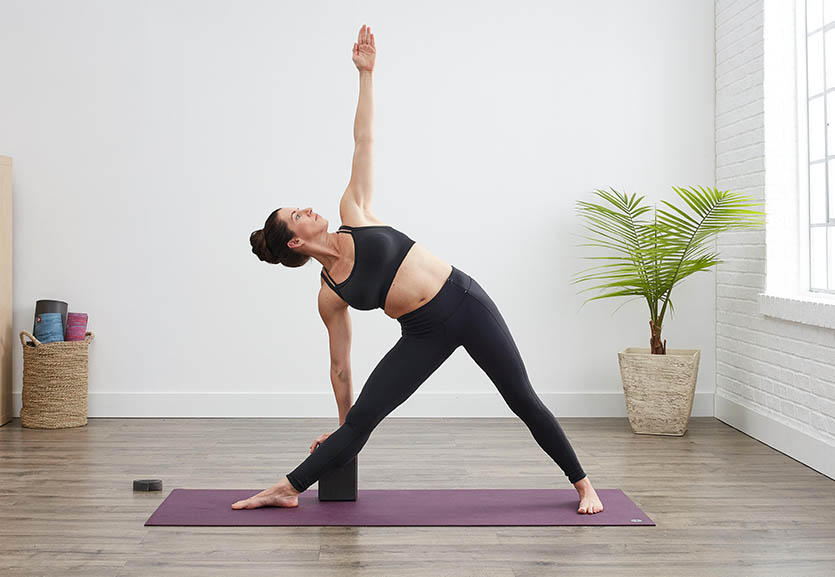
6. Trikonasana (Triangle Pose)
It opens up your chest, lungs, and heart, providing you with more oxygen, which is a wonderful way to feel refreshed and rejuvenated. The Triangle Pose increases blood flow to the head area, which helps to nourish your face and give you a radiant glow. Hence, it helps you to get a radiant glow.
7. Pawanmuktasana (Wind Relieving Pose)
It stretches and heals your lower back of body. The compression created during hugging the knee with the body has a natural positive effect in the nervous system. It helps in curing constipation. It helps in increasing your vitality, metabolism and digestion, which in terms helps you in maintaining skin health.
Yoga Poses for Glowing Skin Other Yogic Tips
1. Pranayama & Breathing
Pranayama is the formal practice of controlling the breath, which is the source of our prana, or vital life force. Prana is a Sanskrit word that means life force, and ayama means extending or stretching. Thus, the word “pranayama” translates to the control of life force. It is also referred to as the extension of breath. As every cell in our bodies needs oxygen to function properly. So it’s no surprise that research shows that a regular practice of controlled breathing can decrease the effects of stress on the body, increase the oxygen levels, and improve circulation of blood in the body. So, in turn, it very much helps in increasing the skin health of the body. Various Pranayamas that you can practice are:
- Nadhi Sodhana
- Kapalabhati Pranayama
- Ujjayi Pranayama
- Sitali Pranayama
2. Meditation
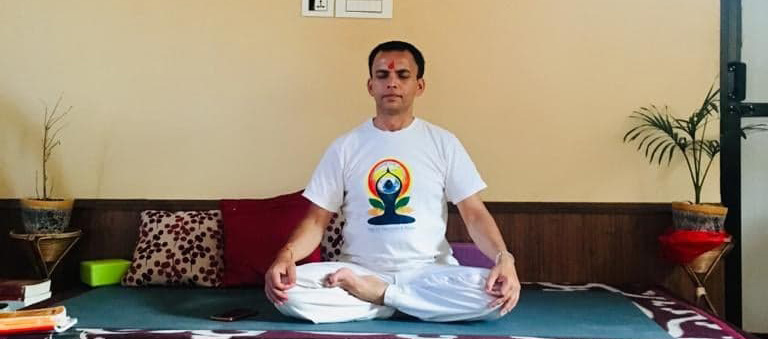
During meditation, prana helps repair your body’s tissues and cells, which gives skin a fresh, youthful glow.
Also, mindful breathing while meditating adds oxygen to the skin, which is key in boosting cellular health. This increased oxygen rejuvenates your skin, balancing your body and your mind while transforming your body’s cells and tissues.
It improves your complexion, reduces wrinkles, and slows down the aging process from the inside out.