
Breathing Techniques
Pranayama : Breathing Techniques
Pranayama – the Sanskrit Word for breathing exercises and controls- can help you balance your energy, facilitate a meditative state, and support your body during your yin yoga practice. Practicing pranayama will help you slow down and deepen your breathing.
Alternate Nostril Breath (Nadisodhana)
Perform the Alternate nostril breath- called nadi shodan in Sanskrit – before practicing an asana, rather than during an asana. It can balance your energy levels and calm down when you’re overactive and stressed. You can even use this technique when not practicing yin yoga.
- Sit in a cross-legged position, with your hands resting on your thighs.
2. Lit your right hand up and bend your index and middle fingers towards your palm, bringing your right thumb to your right nostril and pressing to seal it shut.
3. Deeply inhale through your left nostril for a count of 4, 5, or 6.
4. Seal off your nostril with your right ring finger and release your right nostril.
5. Exhale through your right nostril for the same count 4, 5, or 6.
6. Deeply inhale through your right nostril for a count of 4, 5, or 6.
7. Seal off your right nostril with your right thumb and release your left nostril.
8. Exhale through your left nostril for the same count of 4, 5, or 6 to complete one round. Repeat these rounds.
Ocean Breath
The ocean breath – called ujjayi in Sanskrit – is a breathing exercise you can do while performing yin yoga asanas. As you practice this technique, imagine you are trying to steam up a mirror with your breath, while keeping your mouth closed, breathing only through your nostrils. You should create a slight constriction at the back of your throat, which produces a soft sound similar to that of the ocean.
With a slight throat constriction inhale through your nose for a count of 4, 5, and 6.
Pause at the top of the inhale for a count of 1.
With a slight throat constriction exhale through your nose for a count 4, 5, and 6.
Pause at the end of the exhale for a count of 1 to complete one round. Repeat these steps for 5 to 10 rounds.
Humming Bee Breath
Performing Humming bee breath – called bhramari in Sanskrit – is best done before practising an asana.This simple breathing exercise can help calm your nerves and quieten a busy mind.
- Sit in a cross-legged position, with your hands resting on your thighs.
- Press your index fingers to the cartilage between your cheek and ear to block outside noise, keeping your elbows lifted.
- Inhale a deep breath through your nose.
- Exhale through your nose while making a long mmmmm, sound aloud – like a bee buzzing – to complete one round. Repeat these steps for 3 to 5 rounds.
Seated Meditation
Begin your yoga journey with seated meditation, which will help ease you into a meditative state before practicing the postures in this book. Finding a restful, meditative state is as easy as following a few steps – with a goal being to gradually lengthen the spaces between thoughts.
How to meditate
Meditation is a simple process, but the benefits are immeasurable. Before you begin, try to find a peaceful, quiet location that’s free of any distractions.
1. Sit in a comfortable seated position. Place your hands on your thighs or knees, straighten your back, and extend the crown of your head upwards.
2. Close your eyes and visualize yourself in a peaceful place. Focus on the sensations you might feel -such as a light breeze on your face or the sound of running water as if you were there.
3. Imagine your body being surrounded by a warm, radiant white light.
4. Inhale slow, steady breaths through your nose and imagine yourself breathing in the light.
5. Allow your body and mind to relax as you exhale slowly through your nose. Remain in this position for as long as desired.
Also Learn about Chair-sitting meditation as Seated Meditation
You can easily meditate while sitting in a chair, making this the perfect practice for midday rejuvenation while at work. You can meditate at work or while traveling.
To get in the right position to meditate, sit in your chair with a straight back and with your feet flat on the floor. They should form a 90-degree angle with your knees. You may need to scoot to the edge of the chair.
Sit up straight, so that your head and neck are in line with your spine. You may place a pillow behind your lower back or under your hips for added support.
If you aren’t sure what to do with your hands, you can rest them on your knees or place them in your lap.
What are Chakras?
What are Chakras ?
According to ancient Eastern traditions, chakras( Sanskrit for wheels or discs”) are energy points within your spiritual body through which prana – your life force or life energy – travels.They are not any physical point or structure.
How chakras work?
Yin Yoga encompasses more than just postures and breathing exercises for your physical body. It may also have a positive impact on your energetic body by clearing your chakras. It’s thought that these energy centers allow for the flow of prana through that these energy centers allow for the flow of prana through your body, helping to promote physical, mental, and emotional well-being.
The tenets of this ancient philosophy say that blocked chakras can cause physical maladies. Such as muscle tightness or joint stiffness, or emotional manifestations such as recurring fears or negative emotions. It is believed that practicing yin yoga can help clear chakras of energetic blockages and restore their balance.
Repeating aloud a mantra – called a bija, which means seed in Sanskrit – can unlock each chakra’s energy. A bija is a sound that requires verbalization and sustainability for the length of an exhale.
Most of us have energetic blocks and imbalances as well as energy-sabotaging habits that prevent us from accessing our full vitality. It leads us to feel exhausted, scattered, dull even ill. You will heal yourself yourself if you know how to balance your chakra energy.
The Seven Chakras and their tantra and yantra summary :
1.Crown Chakra( Sahasrara in Sanskrit) – AUM
Above Manas Chakra (Thirdeye) there is another twelve lotus petalled Soma Chakra (Moon Center) related to Amrit (Nectar), Brahmanaal. It has Bhramara Gufa/Amrit Kunda/Nectar Cave where Kamadhenu/Nectar-Mother always (eternally) gives and feeds Nectar to Amrit Nadi (Ambika, Lambika and Talika) for eternal being and mankind.Through Amrit Nadi(Brahmanaal) Meditation practitioners can drink practicing Khechari Mudra.
Little above Soma Chakra/Sudhakara (Madhu/Chandra/Amrit Chakra) another Chakra Brahma Randhra (Cosmic Tunnel) related to seed, cause and gate for rebirth, reincarnation, salvation (Mukti) and 10th gate for realization. And Thousands petalled lotus (Sahasra Dal Kamal) Saharara Chakra (Crown Center) is approx. 2 inches (5 Cm) aboveBisharga Bindu Chakra (Chakra of Seed). Bisarga Bind is related to past-life, all creations, Nada, Awareness, first and last point of Seed/life. Bisharga is full-stop, last-drop of cause and effects, state of higher intelligence, complete realization, beyond the form, sound (nada), senses, time, and matters – only is-ness, complete Sunya (nothingness) motionless, spaceless, formless, timeless, weightless …… and enter in to Nirvana.
Summary
- Meaning: Thousands Petalled is called Complete, beyond, sunya/nothingness/empty/void, Niralambapura (dwelling
- place without support), Alakh-Niranjan (beyond senses and desires), Nirvikalpa (beyond the alternation), Bliss.
- Yoga: Shamkhya-Yoga
- Location: Approx. 2 inches (5 Cm) above Bisharga Bindu/full-stop
- Shape: Thousands Lotus Petals (Sahasradal), Full-Moon
- Petals (Nadis) Sound: Total Nadas (sounds) in each petal – Am ……… Amh, Kam ………Ksham c+ ==========c+M, s+ ========If+,
- Seed Sound: Aum -ç_ (Eternal Brahma-Nada), Paramshiva, Param Sunya, Beyond the Nada, Ajapa, Bisarga.
- Sound Pitch: Si/Te (B) – Sa/Do (C-Humming) (beyond physical sound)
- Chakra’s Color: Violet ->Rainbow-> White-> Colorless
- Seed’s Color: Gold but Inexplicable
- Seed-speed: In upon Bindu’s speed
- Air: Beyond the realm of vayu (air)
- Element: Beyond the Elements
- Divinity (male): Lord-Shiva (Guru within)
- Divinity (female): Mahalaxmi/Goddess of Wisdom
- Nature of Divinity: Chaitanya/is-ness
- Ruler: Lord-Shiva
- Divine Elements: All the Gods and Goddesses are present in it
- God Energy: Jyotir-Lingam (Complete Lights which we can not see
- from physical eyes), Lights of realization
- Energy Center: Moon
- Ruling Planet: Ketu
- Vital Force (Seed) Carrier/Vehicle: Bindu/Chandra Bindu (Moon-Drop- F)
- Chemical Gland: Pineal Gland
- Related Minor Chakras: Thousands – 25% Materials, 25% Ether and Energy and others Spiritual and Grace
- Aspects: Sunya/nothingness/empty/void, Niralambapura (dwelling place without support), Alakh-Niranjan (beyond
- senses and desires), Nirvikalpa (beyond the alternation), Nirakara (formless), Bliss!
- Attribute: Nirvana, Complete realization and Beyond the birth and death, Wisdom, Bliss!
2: Thirdeye Center (Ajna/Agya Chakra)
All the Chakras below than this chakra are related to elements and matters, this chakra Thirdeye is related
to bliss and joy. The Commander Chakra to command entire systems and Chakras, Chakra of authority,
vision, unlimited power, Omniscience, victory over duel(dwet), three main nadis merging junctiontriveni, place for higher ego(dominate others), psychic center, higher realization center, center point of
awareness and realization, clairvoyance, point for self-center, etc.
Summary
Meaning: Commander, Order, Dominate to Others, Ego, Ruling Chakra, Authority, Unlimited Power,
Awareness, Consciousness, Intelligence
Yoga: Dhyana/Raja-Yoga
Location: Between the Eye-Brows Center, Medulla Oblongata
Shape: 2 Lotus Petals (Eda and Pingala Nadis) Circle
Petals (Nadis) Sound: Ham, Ksham, x+, If+
Seed Sound: Om -cf]d֍_
Sound Pitch: La (A)
Color: Dark Blue/Indigo
Air: (5 Pranas) Apan Vyana, Samana, Prana and Udana
Element: Ether (Formless/Beyond Element)
Divinity (male): Sadashiva
Divinity (female): Mahakali
Nature of Divinity: Hakini/Power Nature
Ruler: Shiva-Shakti/Ardhanareswara
Divine Force: Consciousness/Intelligence
Sense Organ: All Senses
Predominant Sensitive Matter: All Senses
Ruling Planet: Saturn
Vital Force (Seed) Carrier/Vehicle: Nada, Half-note
Chemical Gland: Pituitary Gland
Aspects: Awareness, Consciousness, Intelligence, Non duality (Beyond the two aspects), Different levels
of mind, Realization
Attribute: Intuition, Clairvoyance and Imagination
3. Throat Center (Vishuddhi Chakra)
Normally all lower Chakras start to activate and transform when Throat Chakra activate through Thirdeye. ThroatChakra activates when Thirdeye will activate, and then though Conscious Intelligence of Thirdeye, Knowledge and Eternal Vowel Sound from Throat Chakra can make downer Chakras activation. Throat Chakra activation makes clear vision in two aspects Right and Wrong, Good and Bad, Nectar-Poison, in visualization, Intelligence, Discrimination, Power, Sound, etc.
Summary
Meaning: Purity
Yoga: Gyana-Yoga
Location: Carotid Plexus/Throat
Shape: 16 Lotus Petals (Nadis), Triangular
Petals (Nadis) Sound: 16 Vowels – Am, Aam, Im, Eem, Um, Oom, Rhim, Rheem,
Lhrim, Lhreem, Em, Aim, Om, Aum, Aom, Amh,
c+ cf+ O+ O{+ p+ pm+ C+ C+[ n[+ n[[+ P+ P+] cf]+ cf}+ c+ c+M
Seed Sound: Ham -x+_
Sound Pitch: So (G)
Chakra’s Color: Sky Blue
Seed’s Color: Gold
Air: Udana
Element: Space/Sound
Divinity (male): Panchavrata Shiva/Five Faced Shiva
Divinity (female): Maha Saraswati/Goddess of Knowledge
Nature of Divinity: Shakini/Pure Knowledge Nature
Ruler: Ether
Divine Force: Gyan Mandala/Cosmic
Sense Organ: Ear
Predominant Sensitive Matter: Sound, Hearing to Listening
Ruling Planet: Jupiter
Vital Force (Seed) Carrier/Vehicle: Elephant
Chemical Gland: Thyroid and Para-Thyroid Gland
Aspects: Knowledge, Discriminating, Express Knowledge,
Clearity, Amrita, Perfect Relation, Clear Sound and Speech
Attribute: Communication, Truth and Self-Expression
4. Heart Center (Anahata Chakra)
Purified Emotional vital force Air activation center, when puriffied Energy arrives from Agni Mandala and
Heart Chakra transforms the forces own nature in to Cosmic Love, Purity in Sound, Compassion, Deep
Feelings, Anahat Nada (Soundless Sound).
Summary
Meaning: Unstricken Vibration, Cosmic Vibes, an instinctively sensed Emotional Aura, Unconditional
Love
Yoga: Bhakti-Yoga
Location: Cardiac Plexus, the Heart
Shape: 10 Lotus Petals (Nadis), Hexagonal (Six pointed Star), Two Triangle Merged
Petals (Nadis) Sound: Kam, Kham, Gam, Gham, Ngam, Cham, Chham, Jam, Jham, Yyam, Tam, Tham
(Palatal Sound) s+ v+ u+ 3+ ª+ r+ 5+ h+ em+ `+ 6+ 7+
Seed Sound: Yam
Air: Prana (live Life Breath)
Element: Air (Formless, without taste and smell)
Divinity (male): Ishan Rudra/Shankar
Divinity (female): Mother Kali
Nature of Divinity: Kakini/Love Nature
Ruler: Vayu
Divine Force: Vibration
Sense Organ: Skin
Predominant Sensitive Matter: Touch
Ruling Planet: Venus (Sukra), Lunar (Feminine)
Vital Force (Seed) Carrier/Vehicle: Antelope
Chemical Gland: Thymus Gland
Aspects: Attaining Balance between the three Chakras above and three Chakras below it. Love, Bhakti
(Devotion).
Attribute: Unconditional Love, Compassion and Balanc
5. Solar Plexus (Manipura Chakra)
Fire based vital force activation center, it is also called Agni Mandala where dissolve all the aspects of
worldly and emotional attachments and refines as pure energy like Gems in to its own nature.
Summary
Meaning: The City of Gems
Yoga: Hatha-Yoga
Location: Solar Plexus/Epigastric Plexus/Navel
Shape: 10 Lotus Petals (Nadis), Triangular
Petals (Nadis) Sound: Dam, Dham, Nam (Palatal Sound), Tam, Tham, Dam, Dham, Nam (Dental Sound),
Pam, Pham(Labial) 8+ 9+ 0f+ t+ y+ b+ w+ g+ k+ km+
Seed Sound: Ram -/+_
Sound Pitch: Mi (E)
Color: Golden Yellow
Air: Samana
Element: Fire
Divinity (male): Old Rudra
Divinity (female): Laxmi/Goddess of Wealth
Nature of Divinity: Lakini/Pure Energy Nature
Ruler: Sun
Divine Force: Agni Mandala/Fire
Sense Organ: Eye
Sensitive Matter: Sight
Ruling Planet: Sun
Vital Force (Seed) Carrier/Vehicle: Sheep (Ram)
Chemical Gland: Pancreas
Aspects: Vision, Form, Ego, Color, Emotion, Energy Center, Purification and Store
Attribute: Gut Feelings, Vitality and Self-Esteem
6. Sacral Plexus (Swadhisthana Chakra)
It is liquid vital force activation center, where earth base energy melts, and chakra transforms the forces
own nature in to water.
Summary
Meaning: Dwelling place of the self steadiness
Yoga: Tantra-Yoga
Location: Hypogastric Plexus, Genitals, Lowest ends of Spine
Shape: 6 Lotus Petals (Nadis), Circular
Petals (Nadis) Sound: Bam, Bham, Mam, Yam, Ram, Lam a+ e+ d+ o+ /+ n+
Seed Sound: Wam -j+_
Sound Pitch: Re (D)
Color: Vermillion/Orange
Air: Vyana
Element: Water
Divinity (male): Indra
Divinity (female): Saraswati
Nature of Divinity: Rakini/Emotionalistic Nature
Ruler: Bishnu
Divine Force: Sheshnag/thousands Headed Serpent
Sense Organ: Tongue
Sensitive Matter: Taste
Ruling Planet: Mercury, Lunar (Feminine)
Vital Force (Seed) Carrier/Vehicle: Crocodile
Chemical Gland: Gonads Gland
Aspects: Procreation, Reproduction, Family, Fantasy
Attribute: Sexual and Creative Energy, Emotions
7. Base/Root Center (Muladhara Chakra)
Meaning: Root, Source, Base
Yoga: Karma-Yoga
Location: Pelvic Plexus/Base of Spinal Cord
Shape: 4 Lotus Petals (Nadis), Square
Petals (Nadis) Sound: Wam, Sham (Folded-Tongue Sound), Sham (Palatal Sound), Sam (Dental Sound)
j+ if+ z+ ;+
Seed Sound: Lam -n+_
Sound Pitch: Do (C)
Color: Red
Air: Apana
Element: Earth
Divinity (male): Child Brahma
Divinity (female): Sabitri/Sailputri
Nature of Divinity: Dakini/Materialistic Nature
Ruler: Ganesh
Divine Force: Mahakala Serpent/3½ folded Serpent
Sense Organ: Nose
Sensitive Matter: Fragrances
Ruling Planet: Solar, Mars (masculine)
Vital Force (Seed) Carrier/Vehicle: Eiravata Elephant (7 trunks)
Chemical Gland: Adrenal Glands
Aspects: Food and Shelter
Attribute: Grounding, Stability and Physical Identity.
Why do Yin Yoga?
About Yin Yoga
Yin Yoga targets your physical, mental, and emotional concerns through deep stretching and breathing. However, unlike most yang styles of yoga which typically focus on stretching muscles and emphasize shorter hold times yoga reaches deeper into your body and mind. Why do Yin Yoga, let’s discuss.
Yin Yoga for the following outcomes:
Physical Benefits
Your physical body will benefit the most from practicing yin yoga because it touches every element of your musculoskeletal system. Yin Yoga focuses on your fascia-tissue around muscles and organs. So, you should feel improved health on the inside, which should improve how you feel on the outside.
Improved joint health: The primary physical benefit of yin yoga is strengthening the connective tissues in your joints. Steady, sustained stretching strengthens them. By applying stress to your joints through stretching, yin yoga helps open and lubricate tight joints.
Increased Mobility: As you age, you start to lose joint mobility. It’s therefore essential to keep your hip, lower back, and pelvic areas healthy and flexible, so you can remain mobile. Yin yoga can free up those areas to increase the range of motion and improve flexibility, making movement and mobility freer and easier.
Better Organ Function: Yin yoga is thought to benefit your heart and lungs through increased blood flow and deeper breathing. Many asanas also include moves that compress and decompress your abdomen. It is believed to help stimulate your digestive system and promote healthier kidney and intestine function.
Mental and emotional benefits
In addition to physical benefits, like improved digestion, better mobility, and cardiovascular health. Practicing yin yoga on a regular basis can help alleviate feelings of stress and anxiety, improve sleep, and have a positive effect on your mental and emotional states.
Stillness of the mind: Yin Yoga has a deeply meditative quality that allows you to quieten an overactive mind and tune in to your immediate surroundings.
Relief from Stress: Remaining in a high alert state may contribute to health issues, including high blood pressure and heart problems. Certain asanas could help lower blood pressure and slow down your heart rate to create a greater sense of calm.
Emotional Healing When your body is still and your mind is silent, certain feelings- such as sadness, excitement, or anger – can arise during or shortly after practice. Experiencing these emotions is perfectly normal and healthy effect.
What is Yin Yoga?
Yin Yoga – Yoga of Mindful Stretch
Yoga is the science of life with spiritual exploration. There are different schools of yoga for the same purpose. “Yogah Samadhi” means yoga is Samadhi, equilibrium, the awakening of Kundalini, expansion of consciousness and isolation so on. The harmony between the Sun (Pingala) and Moon (Ida) is Hatha Yoga, then it starts Raja Yoga. The union of Hatha and Raja Yoga is Ashtanga Yoga or Classical Yoga. Yoga is itself feminine energy. Its final tool or device is Dhyana (Meditation). Dhyana is commonly applied in every form of yoga, even while performing asanas. So, it means performing asana is its-self a practice of Meditation. If something is done on SMS theory, S – stands for Straight body, M – stands for Mindfulness, and S – stands for Smiling, which is the realistic Yoga Science.
Yoga is the spiritual science obtained from Kundalini awakening, which is feminine power or Yin energy or lunar (Moon) power or Ida Nadi. So yoga is Yin Yoga by nature. You should combine physical movements, breathing techniques, awareness, duration, and the experience of their effects. Finally, we reach in state of spirituality through the yin or moon power. Traditional yoga and Yin yoga concepts are the same. Yin yoga is a new brand based on classical yoga ethics which offers focus, toleration, endurance, stillness, and deeper stretch into the core.
Principles of Yin Yoga
- Be calm
- Be stillness
- Retain the energy
- Get the position
- Hold the posture
- Feel the sensation
- Gain the effect in depth
During the long hold times of the yin asanas, teachers usually give “dharma talks,”. Informal monologues often explain the physiology and anatomy of poses, including the affected meridian lines. They may tell traditional Buddhist stories, recite poetry, sing songs, or reflect on their own experience.
FAQs about Trekking in Nepal
Overview: FAQs about Trekking in Nepal
Are permits included in the price of the trek?
Yes. All of the necessary permits for your trek are included in the quoted price and will be arranged for you before your trek. For certain restricted regions (like Manaslu), you’ll need to have a full day in Kathmandu before your trek as your company will need your passport for the permit registration.
Where can I store my luggage during the trek?
You can leave your additional luggage at your hotel in Kathmandu or our academy in the common room or also in a locker, we have available. Either way, your luggage will be safe in our academy or at the hotel.
What kind of trekking boots do I need?
You should bring trekking boots that are comfortable for you during your trek. Normally if you plan on doing high-pass treks then you may bring very good shoes but if you plan to do middle-grade treks, then normal hiking shoes will be fine.
How much should I tip the guide and porters?
Tipping is not compulsory and depends on how satisfied you are with the service. Guides (both for trekking and cultural tours), porters, and drivers(basically expect) are typically provided with a tip at the end of your service with them.
How important is the fitness to go trekking?
Fitness is certainly a very important aspect of trekking in the mountains. You need to be at an optimum fitness level to trek for days in the mountains. Pre-trekking workouts and small hiking can be greatly helpful. Also slowly hiking with yoga practice will keep you strong and pain-free.
Is there any particular dress code I need to follow when I travel to Nepal?
Nepal is pretty much a liberal country and does not have any particular dress code. However, decent clothing is expected, no matter what you wear. When you trek in the mountains, you will walk past villages with traditional beliefs and cultures. It is respectful and comfortable if you keep your attire decent so as not to offend and attract attention.
What else can I do in Nepal except for trekking?
Nepal is a country with a huge diversity in all aspects. Although trekking sounds big and it is, there are several other activities to visit the country for. There are beautiful cultural heritages to explore; amazing wildlife to witness; and thrilling adventure activities to indulge in. You can visit Nepal for various activities other than trekking.
FAQs regarding Yoga Retreat in Nepal
Overview: FAQs regarding Yoga Retreat in Nepal
1. Do you offer discounts?
Yes, we do offer early bird discounts or some special offer discounts. So, Normally during your inquiry, if you ask us for some discounts, then we will notify you that we got discounts due to these reasons.
2. How do I reserve my spot?
To reserve a spot at our retreats, go to the retreat website and click “Book Now.”
3. When should I book my flight? After you make the inquiry, do not book flights until you get a confirmation mail from our team. You will get a mail saying that you are confirmed for the seat. You are welcome for the retreat.
4. What should I bring?
Generally, you should bring the following to every retreat: a yoga mat, yoga clothes, walking shoes, sunscreen, sunglasses, flashlight or headlamp, water bottle, and bug spray.
5. Do I need yoga experience to go on a retreat?
Our retreats are open to people from beginners to advanced yogis – no yoga experience is needed! Our teachers are well-trained to work with all different yoga levels. Come as you are and we will meet you on your journey. A yoga retreat can be a great way to find your practice and meet others on their yoga journeys. As Everyone has to start somewhere!
6. What’s included in the retreat fee?
We design our retreats to offer a complete retreat experience. Our retreats generally include all accommodation, 3 times freshly prepared meals per day, 1-2 excursions/retreats, daily yoga, and else as mentioned in retreat inclusions.
7. Is my retreat refundable? What is the cancellation policy?
If you wish to cancel your retreat you must notify our Himalayan Yoga Academy Team through Mail. We generally refund all the money as prior to our rules if he/she cancels three days prior to retreat then it is subject to our plans & policy.
8. How do I know if a retreat is right for me?
Please reach out to us so that we can get to know you a little to help you decide which retreat is right for you. Contact Dr. Subodh at +977 9860831725
Yoga Poses to Reduce Holiday Stress
We care that you get the rejuvenation and relaxation you need and deserve whilst being on holiday. We curate fulfilling travel experiences that focus on this. So We brought you those postures that will help you maintain your holiday stress and create a cheerful mind in dealing with those stresses. Those poses that greatly help you (Yoga Poses to Reduce Holiday Stress) are as follows:
Supta Bhada Konasana – Reclining bound angle pose
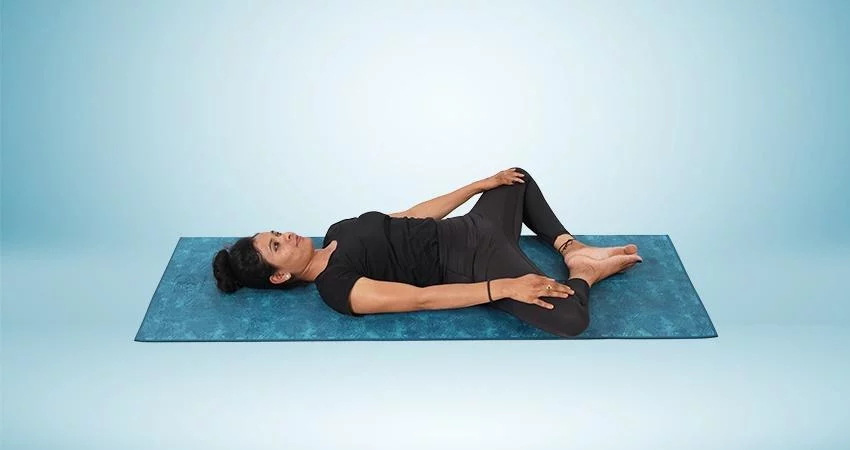
Sitting on your mat, place a large cushion on the floor just behind you. Then, bring the soles of your feet together – don’t strain to have the feet close to your pelvis. Take two towels/blankets and roll them up so they’re the same height, then place one under each thigh. Recline back onto the cushion behind you. Place your hands over your pelvis or belly. Close your eyes and stay here for 5 minutes. If your groin muscles feel tired or strained, place extra padding under each thigh. Say on each inhalation, “Just”; and on each exhalation “Breathe”.
This pose relaxes and quiets the mind. It opens the groins and hips. The group of muscles called the hip flexors get tight when you spend a lot of time sitting. Stretching them can help relieve and prevent back pain.
Paschimotanasana – Sitting forward bend (supported)
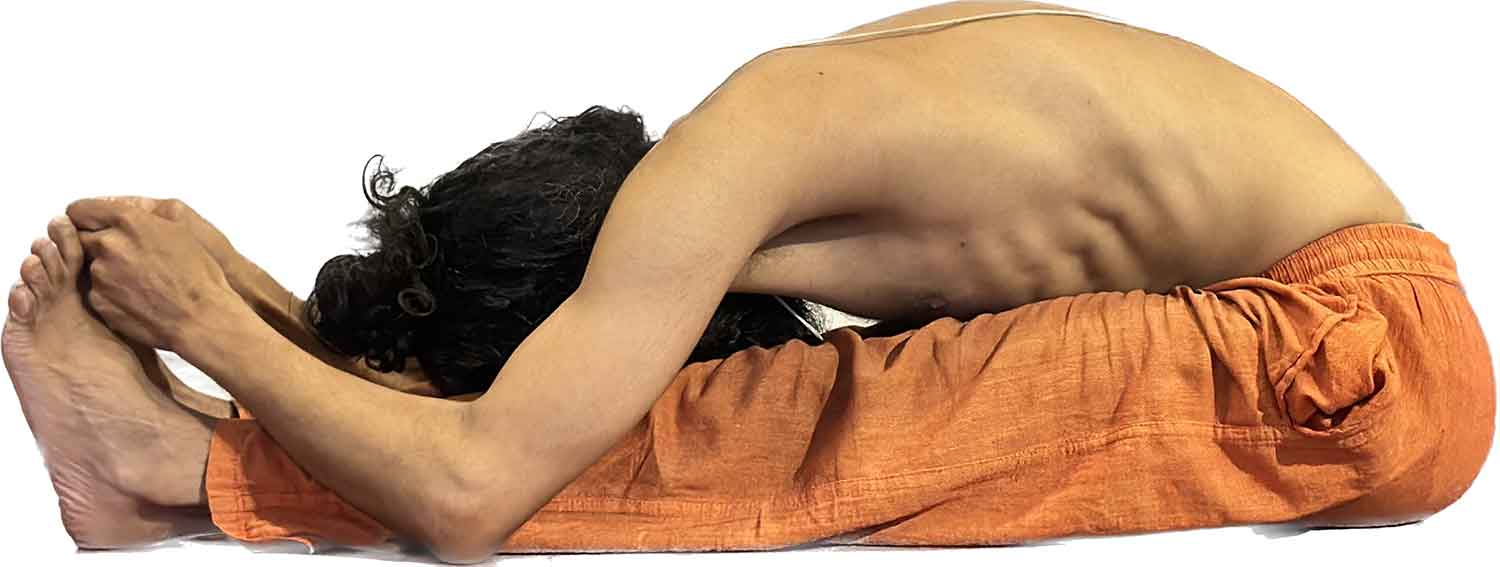
This pose stretches these areas and helps open up your hips. This stretch is excellent for runners who tend to have tight hamstrings. It is also considered to be a calming pose. It is said that this pose can help relieve stress and even improve your mood.
Bring your arms straight out to the sides and up over your head, reaching toward the ceiling. Inhale and draw your spine up long. As you exhale, begin to come forward, hinging at your hips. Imagine your pelvis as a bowl of water that is tipping forward.
Savasana – Corpse pose
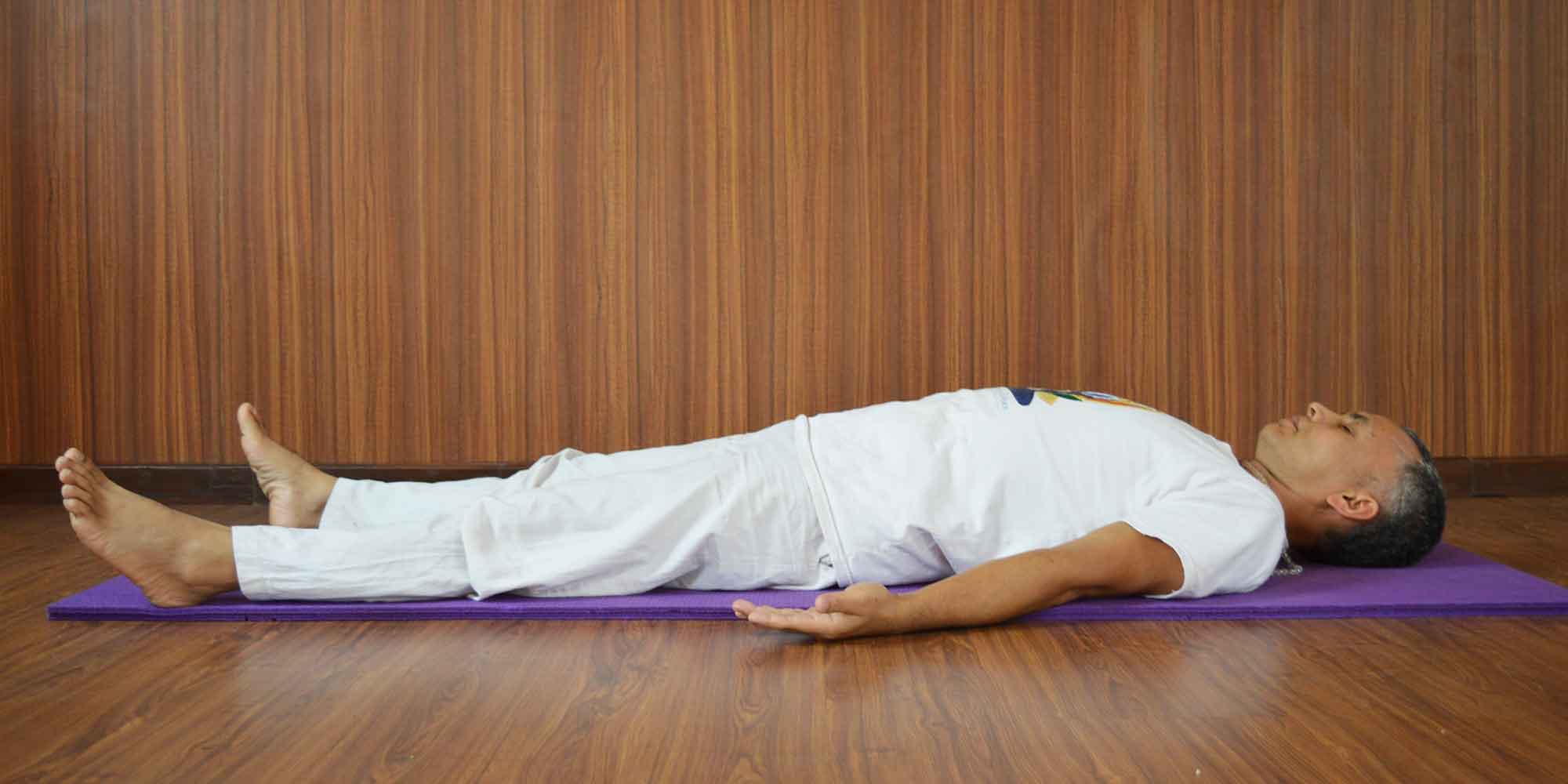
This is the ultimate relaxation pose! Stay here for 10 minutes or as long as you need. Some people like to place a cushion or towel under their knees, and a folded blanket under the back of their head. Wherever you feel you need a cushion or blanket to feel more comfortable, use it.
On the mat lie on your back totally flat. Your legs should be hip-width apart or wider, fleet-splayed outward. Your arms should be flat on the floor, hands comfortably away from the body with palms facing upward.
Viparita Karani – Leg up the wall pose

Legs Up the Wall Pose is a restorative yoga posture that allows the mind and the body to relax, relieving stress and tension. It is one of the most approachable yoga poses as it doesn’t require much flexibility or strength. But even though it’s a passive pose, its benefits are pretty amazing.
Basically, find a place near the wall, then bend your leg perpendicular lying down then, shimmy your hips as close to the wall as possible, then start walking your feet up the wall until your body is in a somewhat L-shaped position.
Balasana – Child pose
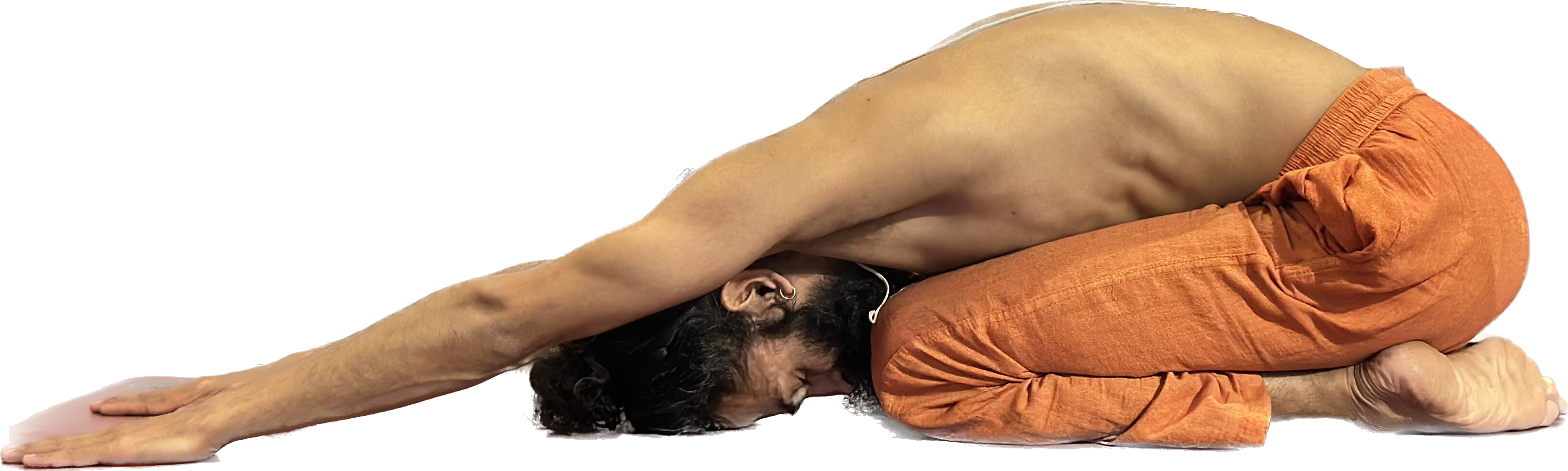
Balasana (bah-LAHS-anna), also known as child’s pose, is a gentle resting pose that stretches the hips, thighs, and legs while calming the mind and relieving stress and tension. Balasana’s dome shape provides the perfect pose for refocusing and enhancing the benefits of the breath.
- Gently stretches your lower back, hips, thighs, knees, and ankles.
- Relaxes your spine, shoulders, and neck.
- Increases blood circulation to your head, minimizing headache symptoms.
FAQs regarding Nepal Travel
Why is Nepal such a fascinating country for many people? Some FAQs regarding Nepal Travel
Nepal, the land of the Himalayas provides you ultimate choice to do and gain experiences from thrill to total relaxation. Nepal has thousands of trails crisscross the land, providing almost limitless opportunities for hikers and climbers to get away from it all.
As a traveler, there are an endless number of surprises Nepal has to offer you. Kathmandu Valley with its thousands of Hindu temples, Buddhist stupas, stunning architecture, and rich pageantry can be quite beyond words. If you are careful enough not to get entangled in the superficial facade of a fastly “modernizing” capital city, Kathmandu probably offers you as exotic and urban experience as you can get.
How do I get to Nepal?
You can take direct or indirect flights from your home country stopping below cities. We have a direct airlink from the below airports. We have direct airlink with Seoul, Hongkong, Bangkok, Kuala Lumpur, Dhaka, Singapore, Guangzhou, Kunming, Chengdu, Lhasa, Paro, Kolkata, Varanasi, Delhi, Mumbai, Karachi, Dubai, and Doha.
What about Visa of Nepal information?
It costs USD 30/50/125 for 15/30/90 days of single entry visa that you can get on arrival at Tribhuvan International Airport in Kathmandu and other entry points of the Nepal-India border. The visa fee is payable in any major currency but land border officials may require payment in cash US dollars.
What are the Meals like?
Nepal is rich in cultural diversity. Meal habits of the Nepali people vary with the ethnicity and geographical differences. Normally, The lunch and dinner comprise Dhido, Dal, Bhat, Tarkari, and Achar (Lentil, Rice, Curry, and Pickles) So, the meals will be healthy, organic, and very delicious as well.
How much luggage can I take on domestic flights?
For mountain flights, you’re allowed 5 kg for carry-on and 10 kg for checked-in luggage. For non-mountain sector flights, the check-in allowance increases to 20-25 kg.
How many days should I spend in Nepal?
So, Normally if you are planning to come to Nepal for relaxation purposes then you may join a retreat based on your choice. But if you wanna experience getting into the Himalayas on a multi-day trek, you’ll want at least 10 days to have enough time to reach higher altitudes and safely acclimatize.
How to Use a Singing Bowl
What is a Singing Bowl Used For?
- To make you feel better
- As an aid in meditation, yoga or a spiritual practice
- As an aid in teaching
- For healing practices
- As a ceremonial object, an altar piece
- For music and performances, even in orchestras
- To soothe upset children and babies
- Getting a classroom full of kids to come to order
- As a conversation piece that speaks for itself
- To remind you of something you might have forgotten
How to Use a Singing Bowl
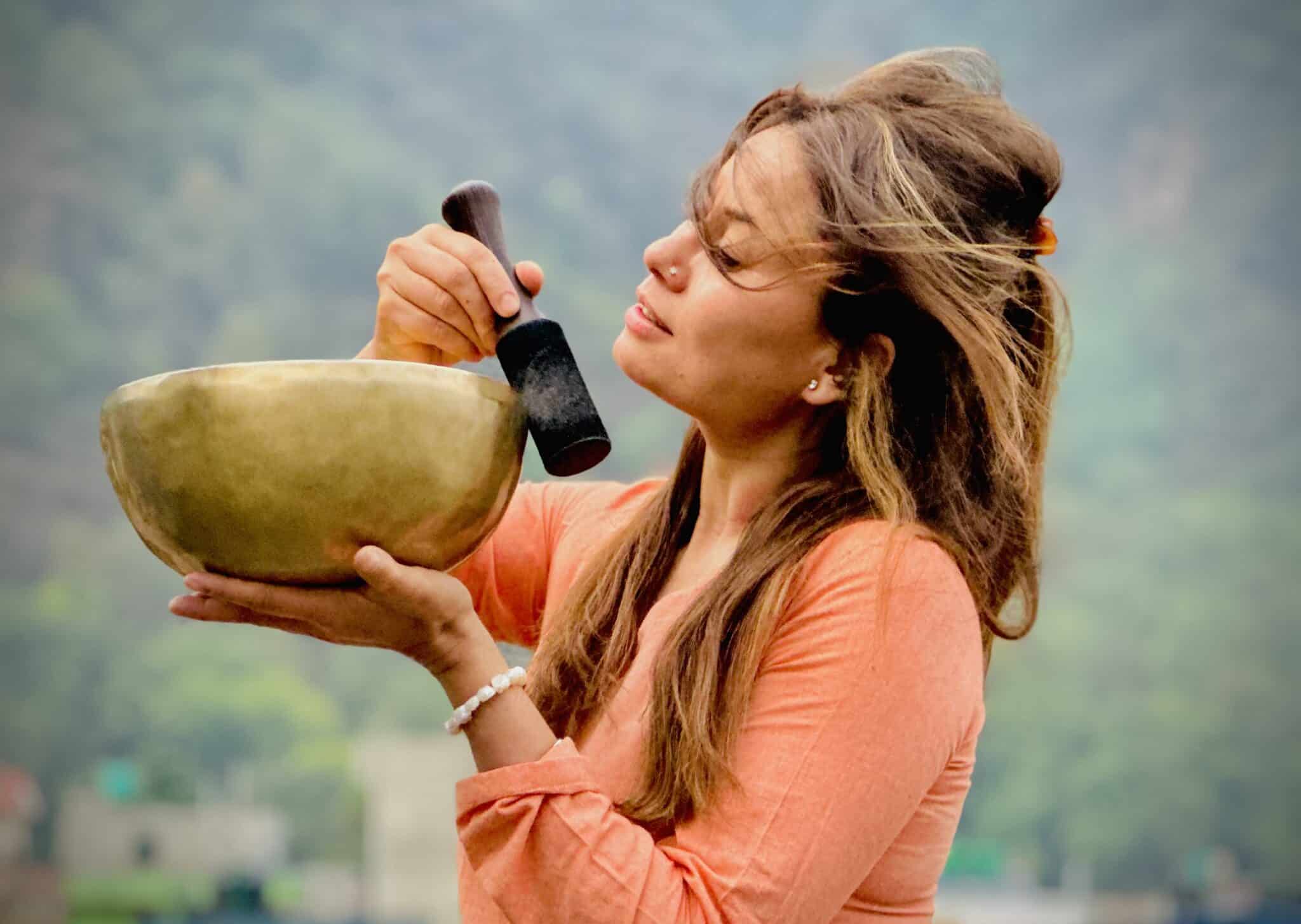
To create sound with a singing bowl, gently press the accompanying mallet in a circular motion against the bowl’s outside edge or rim. When you start to hear a bright, clear tone, you can slow down the motion. Use your full arm to make the motion, rather than just rotating your wrist.
You can also make the same circular motion against the outside belly of the bowl. Additionally, you can gently strike the bowl before beginning the circular motion.
Concentrating on the bowl, especially the pulses of sound as they become quieter and quieter, is an excellent way to bring the mind into focus. The point where you no longer perceive the sound is your point of release from the external. My suggestion is a soft playing surface and a mallet that fits the bowl.