
Ayurveda Tips For Insomnia
Insomnia, also known as sleeplessness, is a sleep disorder in which people have trouble sleeping. They may have difficulty falling asleep or staying asleep as long as desired. Insomnia is typically followed by daytime sleepiness, low energy, irritability, and a depressed mood. It may result in an increased risk of motor vehicle collisions, as well as problems focusing and learning. Insomnia can be short-term, lasting for days or weeks, or long-term, lasting more than a month. Further learn Ayurveda Tips for Insomnia
Ayurveda understands sleep as one of three pillars of healthy sustenance of life, along with Aahara (food) and Brahmacharya (conscious relationships). Moreover, the ancient textbook of Ayurveda, from the 2nd century AD, by Acharya Charaka, mentions the significance of sleep in various physical and mental health parameters. He mentions that sleep is essential for
a) Perception of joy
b) Proper physical growth and tissue nourishment
c) Immunity
d) Fertility
e) Logical thinking and retention of acquired knowledge and
f) Lengthy and good quality of life
Ayurveda Tips for Insomnia
Therapies Treatment that will greatly help in relieving your Insomnia are as follows :
- Shirodhara: Shirodhara with Brahmi oil may be beneficial for moderate to severe insomnia. It is feasible to recruit and retain participants for such therapies in the United States. It is important to validate these findings and investigate the mechanism of action using a larger sample and rigorous research design.
- Kshiradhaara
- Takradhaara
- Shirovasti
- Pichu (Tampoon) – Brahmi (Bacopa monneri) oil at Adhipati & Simanta marma point.
Ayurvedic herbs in curing Insomnia
- Ashwagandha (Withania somnifera)
- Guduchi (Tinosporia cordifolia)
- Vacha (Acorus calamus)
- Shankhapuspi (Convolvulus pluricaulis)
- Yastimadhu (Glycyrrhiza glabra)
Yoga Poses For Insomnia
- Padangusthasana (Big Toe Pose)
- Agnistambhasana (Fire Log Pose)
- Uttana Shishosana (Extended Puppy Pose)
- Supta Matsyendrasana (Supine Twist)
- Viparita Karani (Legs-Up-the-Wall Pose)
Basic Healthy Life Tips For Insomnia
- Do some exercise everyday—but never late in the evening.
- Avoid caffeine in all forms, especially after lunch time.
- Avoid taking naps during the day.
- Drink buffalo milk. It contains rich amounts of the amino acid L-tryptophan, which induces sleep.
- Take a nice, long, warm bath before bed-time. Charaka Samhita says that bath is the best remedial measure to counteract exertion.
- Read a book or do some repetitive, calm activity such as chanting a mantra.Japa etc.
- Avoid distractions that may hold your attention and keep you awake, such as watching a suspense movie or a thrilling game,TV serials.
- Make your bedroom comfortable.Create a quiet, dark atmosphere. Use clean, fresh sheets and pillow and keep the room temperature comfortable.
A History of Ayurveda- Ancient Surviving Medical System
Ayurveda is a method of medicine and wellness that has been around since antiquity. A civilizational victory and testimony to man’s struggle against disease is none other than the land of birth of the Vedic knowledge system. Ayurveda is integrally, historically part of India’s legacy for the quest for the holistic spiritual wellness of mankind.
The true history of Ayurveda starts in the time of the Vedas, the ancient Holy Books of the Aryans (“noble ones”). Hindu mythology tells us that Lord Brahma, the creator of the world, transmitted the knowledge of Ayurveda to mankind. The four Vedas are called Rig Veda, Yajur Veda, Sama Veda and Atharva Veda. They were written about 3-5 thousand years ago. All the Vedas contain medical knowledge based upon the principles of Ayurveda, especially the Atharva Veda.
It was well known to the ancient peoples of the East that rishis and munis existed, learned sages and saints. They devoted their lives to understanding the realities of the world (the words rishi and muni are interchangeable, but a rishi would be the most spiritually advanced of these two words for sage). Aryavarta, the land of the Aryans, which covers the wide surrounding area of the Himalayas, is the native home of the rishis and munis. The surrounding area of the Himalayas in the present political landscape includes the countries of Nepal, India, Pakistan, Bhutan, and Bangladesh.
The ancient civilization of these countries was strongly influenced by the unique intellectual contributions of these holy sages. The hymns, liturgical formulas, and medical knowledge found in the Vedas were the contributions of various rishis and munis. The sages realized that sickness was a major impediment to the search for liberation, and so many of them became vaidyas to help their people. Vaidya, the Sanskrit word for physician, is derived from the root word for wisdom.
The Principle
The philosophical framework underlying Ayurvedic treatment foregrounds ‘interconnectedness’. Here are it’s basic tenets-
- All things of the universe, the living and non-living, the human and non-human, are part of a harmonious wholeness. The five universal elements Space, Air, Fire, Water, and Earth are what everything is, at a cellular level.
- The Self and the environment are not separate from one another.
- Connected within ourselves and with the people and world around us is a pathway to true health and wellness.
- Balance is the key to health. One must maintain balance in one’s thoughts and emotions, as well as dietary consumptions.
- Effectively recognizing the junctures of imbalance in lifestyle and eliminating the negative thrusts to regain health and wholesomeness.
- Lastly, to understand and learn to take responsibility for one’s choices and actions, and ushering health by making balanced choices which may ensure harmony.
In conclusion, through further research into the spiritual origins and history of Ayurveda, we can see a greater influence of the Gods as well as a closer connection to the rishis of Ayurveda and their influence on the Briha Trayi. There is a basic tree graph showing a simple linear path of the origins and history of Ayurveda. I can’t help but feel that this graph could be updated as the influence of the Gods and the influence of the rishi’s teachings are anything but linear. After my research, I conclude that the graph should be similar to this:
Why Choose Himalayan Yoga Academy for 200 hours Yoga Training Course in Nepal?
Our Himalayan Yoga Academy offers two major yoga courses: 200 hours Yoga Teacher Training and 300 hours Yoga Teacher Training. It is well known for its traditional style of Hatha Yoga for Yoga Teacher Training in Nepal. Himalayan Yoga Academy is a Registered Yoga School certified as RYS 200, 300 & 500, affiliated with Yoga Alliance USA, along with a well-experienced professional team of teachers who are very keen to expand their knowledge in this world. Let’s discuss why choose the Himalayan Yoga Academy for 200 hours Yoga Training Course in Nepal.
In the Himalayan Yoga Academy, teaching yoga is a “celebration of life, each moment and NOT just body exercise!” That’s what we learn in this Amazing – 26 Days and 25 Nights, 200 hours Yoga Teacher Training Course in Nepal with us. Choosing a good trainer is the first questions that arise in our mind. Our experienced teachers will dedicate themselves professionally with full attention individual.
Our vision is: “We will try our best to provide what is best for you!” It is designed for those who are interested in Yoga as a career, self-knowledge, mind full awakening, and self-understanding. In simple words, it’s for those who start loving themselves.
This Yoga Teacher Training Course will bring egolessness, spirituality, unity, togetherness, holistic, inner happiness, fun, enjoyment, laughter ever after and understanding the unconditional love by the end of the session.
Himalayan Yoga Academy also provides various services of yoga retreat In Nepal, yoga therapies, singing bowl training in Nepal. We also highly focus on our yoga teacher skills on making students knowledge to another level.
Our goals are to:
- Offer inspiring, educational, and authentic yoga teachings to you, no matter what your level of practice is.
- Encourage you to deepen your love for yoga, and offer you the skills to get confident at teaching yoga safely with your own students.
- Build a positive learning environment in which you and all other like-minded yogis will thrive, and create long-lasting friendships.
Nevertheless, no worries that we still give you full relaxation, love and care, enjoyment, laughter, music concerts, dancing. Also, some excursions such as Forest, City, Monastery along with inspirational Yoga Classes- 200 Hours Yoga Teacher Training in Nepal.
HEALTH AND WELLNESS RETREATS IN NEPAL
The terms health and wellness are commonly thrown together, thanks in large part to the prevalence of wellness programs promoting better health in the workplace. It’s easy to see how the two terms could be interchangeable, but the difference between health and wellness is important. Further about health and wellness retreats in Nepal.
Wellness programs largely focus on the idea of preventative care, which is primarily designed to save policyholders (and employers) money in the long run. Although many employers can unfortunately sink a ton of time and money into wellness programs without any strategy whatsoever, they have.
The general idea is that if people are getting regular checkups, adhering to their prescribed medication regimen, and getting recommended vaccines, health problems can either be completely prevented or at least managed before they become extraordinarily expensive. Although it’s fair to say that one of the goals of wellness programs is to make people healthier, there is a difference between health and wellness. So let’s dive into this difference and why it matters. This provision is available here in the Himalayan Yoga Academy through yogic means and other sorts of spiritual healing ways.
Health and Wellness
- The World Health Organization defines health as “not merely the absence of disease or infirmity, but a state of complete physical, mental, and social well-being.”
- Wellness has been defined more as the action an individual takes to meet the above definition of health.
- When we feel easy, feeling wellbeing and reside in our own nature that is called health. *Health is the absence of illness, injury or disease.
Wellness is a difficult word to define. Traditionally, wellness has meant the opposite of illness and the absence of disease and disability. More recently, wellness has come to describe something that you have personal control over. Wellness is now a word used to describe living the best possible life you can, regardless of whether you have a disease or disability. Your wellness is not only related to your physical health, but it is a holistic approach and is a combination of things, including spiritual wellness, social wellness, mental wellness, and emotional wellness, which are available in the Himalayan Yoga Academy. Wellness is seen as a combination of mind, body and spirit. Different people may have different ideas about wellness. There is no single set standard for wellness and wellness is a difficult thing to quantify.
Wellness incorporates the power of choice, meaning an individual can take action towards optimal health. The individual creates the proper environment for a healthier lifestyle. There is an understanding that there is no quick fix for optimal health, that the path of health is an infinite journey. To reach an optimal state of health and wellness, the individual appreciates that the body is a three-dimensional being. Body, mind, and spirit are woven together as one. Any action, thought, or feeling that one has will create a rippling effect on not only their body, but in those that surround
Wellness is much more than the absence of illness; it is health-promoting behaviors to achieve your full potential. In other words, wellness is the pursuit of your best possible health and well-being. It is a conscious choice, self-directed and self-motivating. The other aspect of wellness is that it focuses on preventive health care, keeping you healthy, as opposed to a traditional health care view that looks only at getting you back to a state where there is no illness or injury.
Wellness is an active process of becoming aware of and making choices toward a healthy and fulfilling life. Wellness is more than being free from illness; it is a dynamic process of change and growth. Here in our Himalayan Yoga Academy, we provide different well-being packages such as retreat therapies like Massage, Shirodhara, Sauna, Steam, Swimming, Reiki healing, Sound healing, regular Yoga practice with shatkarmas, Yogasana, Pranayama, Yoganidra, Dhyana (Meditation), etc.
Eight Dimensions of Wellness
There are eight dimensions of wellness: Occupational, Emotional, Spiritual, Environmental, Financial, Physical, Social, and Intellectual. Each dimension of wellness is interrelated with the others. Each dimension is equally vital in the pursuit of optimum health. One can reach an optimal level of wellness by understanding how to maintain and optimize each of the dimensions of wellness. Usually we focus in our training and regular session in a very much informative ways at Himalayan Yoga Academy.
Environmental wellness inspires us to live a lifestyle that is respectful of our surroundings. This realm encourages us to live in harmony with the Earth by taking action to protect it. Environmental well-being promotes interaction with nature and your environment. It takes care whole existence. Everyone can have a strong environmental consciousness simply by raising their awareness and responsibility.
Occupational wellness is about enjoying your occupational endeavors and appreciating your contributions. This dimension of wellness encourages personal satisfaction and enrichment in one’s life through work. But our profession or occupation should be our hobby, not a burden.
Financial Wellness involves the process of learning how to successfully manage financial expenses. Money plays a critical role in our lives and not having enough of it impacts health as well as academic performance. Financial stress is repeatedly found to be a common source of stress, anxiety and fear for college students. But too much collection more than need, sometimes creates disasters in life.
Emotional wellness relates to understanding your feelings and coping effectively with stress. It is important to pay attention to self-care, relaxation, stress reduction, and the development of inner resources so you can learn and grow from experiences.
Intellectual wellness involves having an open mind, free of mind, intelligence when you encounter new ideas and continuing to expand your knowledge. It encourages active participation in scholastic, cultural and community activities.
Physical wellness relates to maintaining a fit body, active body, healthy body and seeking care when needed. Physical health is attained through exercise, eating well, getting enough sleep & rest and paying attention to the signs of illness and getting help when needed.
Social wellness helps you perform social roles effectively and comfortably, and create a support network. This dimension of wellness allows you to not only develop encouraging relationships with peers, but also intimate relationships with romantic partners, well social adjustment, and good social behaviors.
Spiritual wellness allows you to develop a set of values that help you seek meaning and purpose. Spirituality can be represented in many ways, for example, through relaxation, self-realization, self-guided personality, imaginary personality, honesty, humor, truth, or religion. But being spiritually well means knowing which resources to use to cope with issues that come up in everyday life with a sense of humor.
Note: Yoga is the Union of Health, Happiness, and Harmony.
Reiki Massage in Nepal
What is Reiki?
Reiki is a simple yet profound mode of energy healing that promotes deep relaxation, awareness and restoration of balance in the body, mind and spirit. “Rei” means “mystery,” “universal,” or “sacred,” while “Ki” means “life force energy,” so “Reiki” means “sacred universal life force energy.”
Ki, also known as prana or qi, flows around us in our aura and within our physical bodies through pathways called chakras, meridians and nadis. When there are energetic blockages or your ki is low, a practitioner can facilitate balancing of energetic systems and healing by channeling Reiki by means of touch and also has the capacity to assist in healing by transcending space and time. Reiki helps to harmonize & balance all systems of the body, bringing your being back to its natural state of equanimity.
Reiki Healing and Reiki Massage
Massage is also a system of natural healing. When we combine massage in the Reiki healing system, that becomes the Reiki massage. Massage and Reiki together can heal our physical and mental diseases. They are both the best ways of getting peace in our lives. Reiki massage can heal our body with the energy of the divine, with our body’s natural healing power. It is considered an effective treatment system for natural healing. By this healing technique, we can be healed without any side effects.
The synergy of Reiki and massage expands the benefits of alleviating stress & tension and decreasing pain by also helping to balance energy systems, restore harmony and offer greater clarity & insight. By addressing both the physical and energetic bodies, Psychedelic Reiki Massage offers a more holistic approach, combining the grounding elements of massage with the more ethereal realms of energy work.
Health Benefits of Reiki Healing or Massage
Reiki can:
- Increase energy flow throughout the body, enhancing personal health and aliveness.
- Strengthen energetic, psychic and intuitive awareness, while facilitating spiritual growth.
- Build a deeper understanding of communication and connection through touch.
- Facilitate energetic healing on a physical, emotional, psychological and karmic level.
- Promote one’s ability to be present in the moment.
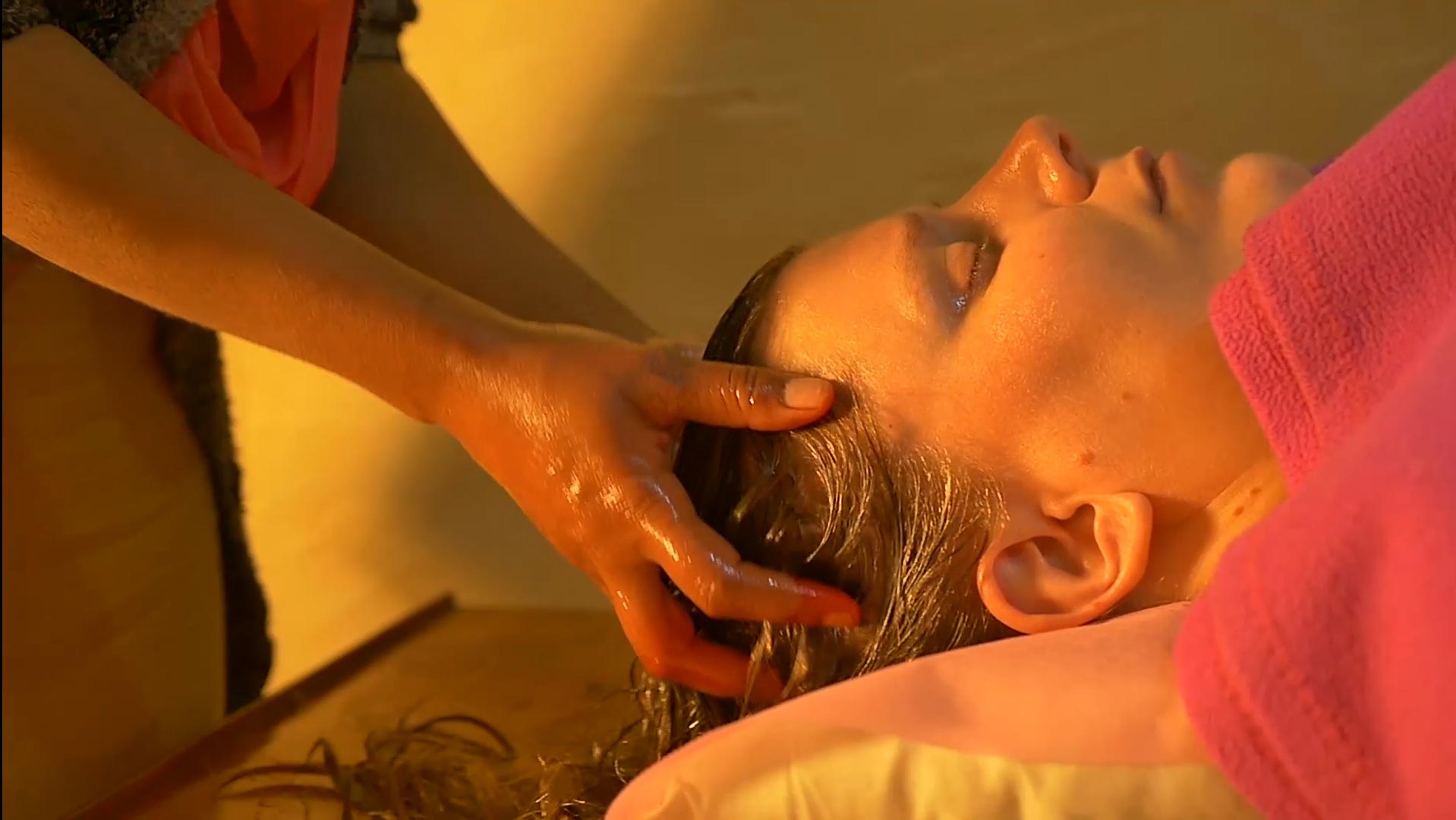
Massage can:
- Improve circulation, lower blood pressure, boost immunity and remove metabolic waste from the body.
- Boost serotonin and dopamine levels, help manage anxiety & depression, raise alertness, and improve sleep.
- Alleviate stress & tension, encourage relaxation and promote a sense of well-being.
- Decrease pain, improve flexibility & posture and increase range of motion.
Reiki helps us to feel the energy of the universe. The energy around us can be connected by the Reiki technique, and massage can open the blockages in our body. If we make the amalgamation of both therapies in one place, the speed of healing accelerates. The cosmic energy has the great power to heal the diseases of our body and mind.
Importance of Reiki Massage
Cosmic energy can be called by the system of Reiki. Reiki can be a life-changing therapy in our lives. Reiki has no side effects, but it can vitalize our body by providing us the natural power. The natural power is the best way to be positive in our lives. Massage loosens our muscles and opens our nerves. When massage can be done by the beautiful cosmic Reiki energy, the energy can enter the loosened body easily and increase the healing rate.
We are blessed by the natural energy all the time but if there is someone to be the mediator to capture that energy, we can be blessed by the life force energy. We all seek good health and peaceful mind but we rarely find what we search in our life. If we can get the chance to have an experience of Reiki massage, then we can be grateful for this existence for providing the chance to have the wonderful experience in our life.
Ayurvedic Herbs For Coronavirus
According to the World Health Organization (WHO), coronaviruses are a family of viruses that cause illness ranging from the common cold to more severe diseases such as SARS and Middle East respiratory syndrome (MERS). These viruses were originally transmitted between animals and people. SARS, for instance, was believed to have been transmitted from civet cats to humans, while MERS travelled from a type of camel to humans. Several known coronaviruses are circulating in animals that have not yet infected humans. The name coronavirus comes from the Latin word corona, meaning crown or halo. Under an electron microscope, the image of the virus is reminiscent of a solar corona. Below, we will also talk about Ayurvedic Herbs for Coronavirus
A novel coronavirus, identified by Chinese authorities on January 7 and named 2019-nCoV, is a new strain that had not been previously identified in humans.
Symptoms of Coronavirus
- Fever
- Cough
- Shortness of breath
The severity of COVID-19 symptoms can range from very mild to severe. People who are older or have existing medical conditions, such as heart disease, may be at higher risk of serious illness. This is similar to what is seen with other respiratory illnesses, such as influenza.
Ayurvedic Herbs For Coronavirus
Here are some herbs that will help you increase your immunity and other small cures :
- Garlic
Garlic, with its antiseptic, antifungal, and nutritive properties it has been used as an immune system booster for thousands of years by Ayurveda. It is a powerful natural antioxidant that protects the body from bacterial and viral infections, without causing any side effects. Garlic acts as a natural antibacterial agent when it’s fresh and raw, as it contains allicin that kills viruses and bacteria. It is a good medicine against coughs, colds, and chest infections during the winter. - Ginger
It is an ingredient packed with immune-boosting benefits. Ginger helps support the immune system and prevents nausea and soothes an upset tummy. Ayurveda compliments ginger’s ability to boost your immune system. Ginger is very much effective in keeping your body warm and helps break down the accumulation of toxins in your organs. Add ginger to a stir-fried dish or boil it to make a cup of ginger tea with some added lemon for a pleasant and a healing hot drink. - Ashwagandha
Ashwagandha is an ancient medicinal herb. It’s classified as an adaptogen, meaning that it can help your body manage stress. It also provides numerous other benefits for your body and brain. - Asha Root
Containing camphor and other compounds, the roots of Osha have been proved to be one of the most effective herbs to support the lungs. The Asha root plays a vital role in making it easier to take deep breathes by increasing the circulation. - Eucalyptus
Originating in Australia, Eucalyptus is very helpful in soothing irritation in the throat. It cough syrups also, eucalyptus is used. Eucalyptus, containing antioxidants is very good for building the immune system and giving relief from congestion. - Talisadi
Talisadi has an immune and lung focus. The star herb, talisa, or talispatra (Abies webbiana), or Indian silver fir, is a conifer from the Himalayas. Its needles are bitter, sweet, light, and hot, and kaphavatahar. The formula based on these needles is fragrant, expectorant, mildly laxative, and can act as a dipana. Talisadi may find use in kaphaja asthma. Most people use 2–5 grams per day, in divided doses, with honey or warm water as an anupan.
Prevention From Coronavirus
Although there is no vaccine available to prevent infection with the new coronavirus, you can take steps to reduce your risk of infection. WHO and CDC recommend following the standard precautions for avoiding respiratory viruses:
- Wash your hands often with soap and water, or use an alcohol-based hand sanitizer.
- Cover your mouth and nose with your elbow or tissue when you cough or sneeze.
- If your hands aren’t clean, avoid touching your eyes, nose, and mouth
- Avoid close contact with anyone who is sick.
- Avoid sharing dishes, glasses, bedding and other household items if you’re sick.
- Clean and disinfect surfaces you often touch.
- Stay home from work, school and public areas if you’re sick.
What is Vipassana Meditation?
What is Vipassana Meditation? Vipassana, roughly translated as ”Insight” meditation, is known to be the oldest of Buddhist meditation practices, wrote Bhante Henepola Gunaratana, a Buddhist monk from Sri Lanka, in one of his articles on tricycle.org.
According to Gunaratana, this method of meditation comes directly from Satipatthana Sutta (Foundations of Mindfulness), which is said to have been taught by Buddha himself.
Vipassana is a codified system of training one’s mind and entails a set of exercises that are dedicated towards making one more and more aware of his or her life experiences. The objective of this form of meditation is to learn to see the ”truth of impermanence, unsatisfactoriness, and selflessness of phenomena,” wrote Gunaratana.
Vipassana is a gentle yet thorough technique of meditation. According to dhamma.org, it is an observation-based, self-exploratory journey that focuses on deep interconnection between the mind and body, which is realized through disciplined attention to the physical sensations.
How To Do Vipassana?
- Ideally, one should practice Vipassana at a very quite place.
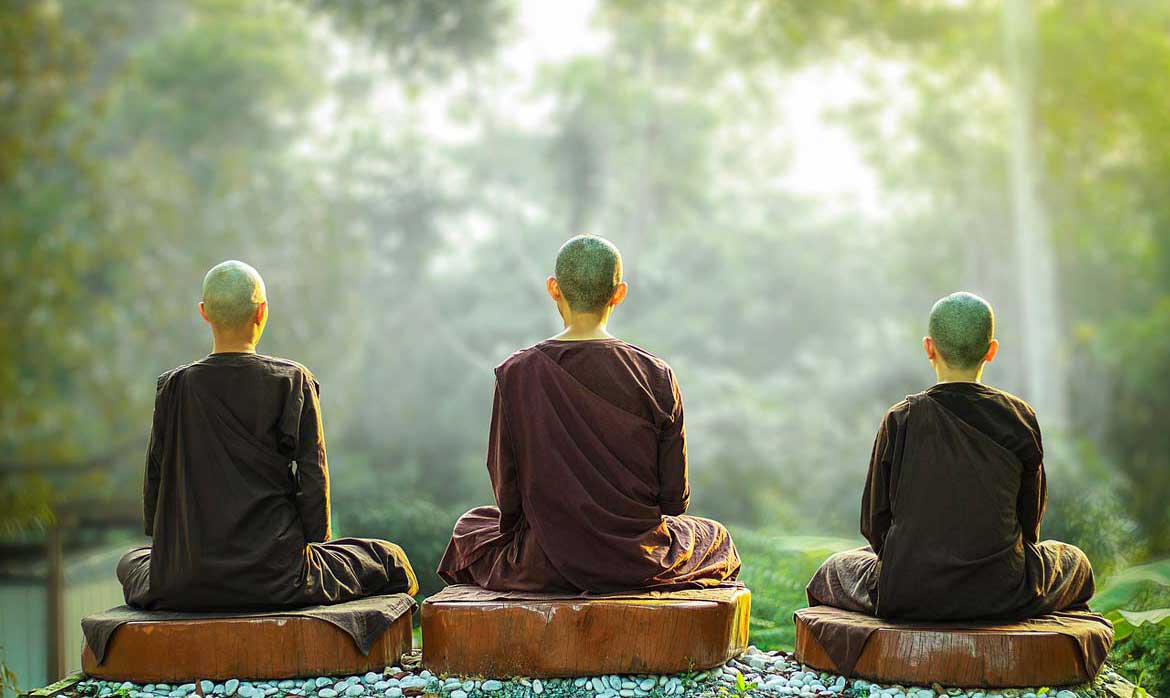
- As mentioned by lionsroar.com, the meditator should sit quietly and peacefully with legs crossed. One should sit straight while meditating since an arched back would soon induce pain.
- It is very important for one to relax and let the body be at ease while meditating.
- Once the body feels settled, the meditator should try focusing on his or her object. According to Gunaratana, breathing should be chosen as the primary object of meditation. ”A useful object of meditation should promote mindfulness. It should be portable, easily available, and cheap. It should also be something that will not embroil us in those states of mind from which we are trying to free ourselves, such as greed, anger, and delusion,” explained the monk in his article.
- The meditator should constantly observe and explore, as mentioned on wikihow.com. Let the meditation follow its course. It is natural for the mind to wander off, and the best way to deal with it is to return to the simple, physical sensation of breath, time and again, advised Gunaratana.
Benefits of Vipassana Meditation
- It is great wholesomeness, creating goodness every moment in which one commits to practicing or teaching someone else.
- Makes one not negligent, because one is recollecting both, body and the mind most of the time.
- It means the cultivation of morality, concentration and wisdom according to the Buddha’s teaching.
- It means following the middle way, the eightfold noble path.
- To follow the one way, that way which has no other.
- To cultivate excellence in this life, preparing one for death before one has to die.
- Makes one smart, understanding the fundamentals of reality, and understanding the fundamentals of everyday life better than before.
- Allows one to realize supramundane reality, not being stuck in mere concepts and constructs, which are merely the playground of worldlangs.
- Makes people love one another, live in harmony together, be comfortable and friendly with each other, just like close relatives.
Vipasana Dhamma Centers in Nepal
- Dhamma Shringa, Budhanilkantha
- Dhamma Kitti, Kirtipur
- Dhamma Birata, Itahari
- Dhamma Chitawan, Chitwan
- Dhamma Pokhara, Pokhara
- Dhamma Tarai, Birgunj
- Dhamma Janani, Lumbini
- Dhamma Surakhetta, Surkhet
- Dhamma Suriyo, Fikkal, Ilam
- Dhamma Sagar, Lukla
- Dhammāgāra, Kotdanda, Godawari, Lalitpur
Source 2: https://www.sirimangalo.org/text/benefits-of-vipassana/
Dhanurasana
Dhanurasana is a backbend during which the entire spine contracts. As the name suggests, ‘dhanu’ meaning ‘bow’ in Hindi, this asana makes your body form the shape of a bow as you lie on your stomach and use your hands to hold your feet while you stretch out. This is a very effective yoga pose to strengthen the back. This bow pose offers the body an amazing stretch, mystical strength, and gentle massage.
How to Do Dhanurasana
1. Lie down on your stomach with your feet slightly apart, almost parallel to your hips, and place your arms on the side of your body.
2. Then Slowly, fold your knees up and hold your ankles with your hands.
3. Breathe in and lift your chest off the ground and pull your legs up and stretch it out. You should feel the stretch on your arms and thighs.
4. Hold the pose for 12-15 seconds, paying attention to your breath as you take long, deep breaths.
5. Slowly bring your chest and legs back to the ground, release your hold on the ankles, and relax with your hands on the side. Repeat for a few sets.
Benefits of Dhanurasana
1. Flexible Hip Joints: Normally, our hips suffer a lot due to constant sitting, built-up emotions, etc. Bow pose is an excellent choice to stretch and open the hips. This yoga asana also decreases tightness in the hips and glutes and rewards a highly flexible posterior.
2. Produces Happy Hormones: A regular practice of this posture is effective in lowering the production of stress hormone ‘cortisol’ and increasing the development of happy chemicals like endorphin and dopamine. The release of good mental hormones stimulates the nervous system and helps a person experience relaxation and peace.
3. Decreases Abdominal Fat: If you want a belly free body and manifest a toned body then make it a habit to practice dhanurasana. Bow posture stretches the abdominal organs and oblique muscles, thus reducing fat built-up around the stomach and granting a well-trained look.
4. Cure For Fatigue: Dhanurasana is an amazing yoga pose that yoga practitioners can include in their health regimen for instant energy. The bow pose enhances the respiration process, circulation of oxygen to the vital organs, and activates the solar plexus that restores the function of nervous system and improves the overall vitality.
5. Better Digestion: This bow pose is a key to maintaining a strong digestive fire. The asana gently massages internal digestive organs which further aids in a better absorption of the nutrients and digestion.
6. Enhances Heart Health: The practice of dhanurasana with right technique pushes the diaphragm toward the heart and this process enhances the functioning of the heart. The pose also lowers hypertension thus reducing the risk of cardiovascular attacks, strokes, etc.
7. Treats Back Pain: Many of us face a backache, neck pain, shoulder stiffness, and so much more owing to the inactive lifestyle, negligence, and constant hunching. The bow posture stretches the upper body, opens the chest, and strengthens the upper back that providing relief from an excruciating backache and neck pain.
8. Activates Manipura Chakra: This bow pose harmonizes the Manipura energy center located in the navel region of the human body. The chakra is a powerhouse of confidence, self-esteem, and the seat of the pancreas and digestive system. By activating chakra, it helps you become confident and healthy in life.
9. Promotes Height Growth: This bow pose stretches the spine and creates space between the vertebrae. The optimal regulation of the spinal fluid helps promote height in individuals.
Contradictions
- The posture is however not advisable for women during pregnancy.
- People with high or low blood pressure.
- Those with neck injury, lower back concerns, hernia, migraine, and headaches.
- People with abdominal surgeries are not advised to practice this pose.
Health through Pragya Yoga
Pragya Yoga is one of the best methods prepared under the guidance of Pt. Sriram Sharma Acharya, the founder of the All World Gayatri Parivar, Haridwar. Pragya Yoga includes a few asanas with breath awareness and Gayatri mantra chanting for mental and spiritual.
1. Tadasana Mantra ‘Om Bhoor “
Stand with your feet together. Inhale deeply and raise both hands above your head. Lift your heels. Gaze at the sky. Slowly take the position of Tadasana.
Tadasana Benefits
- Weakness of the heart
- Impurities of blood
- Elimination of Constipation
2. Padhastasana Mantra “Om Bhuvah”
Exhale and Bend Yourself forward with the hips. bring your both hands beside the feet on the ground.Try to touch the head with knees. Keep the knees straight.
Padhastasana Benefits
- Remove the gas
- Strengthens the Ida, Pingala and Susumna
- Reduce the extra fat around waist
- Makes the spine supple
3. Vajrasana Mantra “Om Swah”
Sit in Vajrasana-folding the knees and make a seat with the feet. Keep the hands on the knees breathing normally.
Vajrasana Benefits
- Relaxes the body
- Helpful inn Digestion
- Gas, Constipation and heaviness of stomach can be removed
4. Ushtrasana Mantra “Tat”
Lift the buttocks and try to bring both hands on the soles with inhalation. Open the chest and gaze at the sky.
Ushtrasana Benefits
- Heart becomes strong
- Ida, Pingala and Susumna with spine get energy
- It gives relief in hernia
- It removes backache and asthma
5. Yoga Mudrasana Mantra “Savitur”
Exhale while sitting into Vajrasanaa and then bending forward with raising the hands behind the back like yogmudra.Try to touch the forehead on the ground and come back.
Yoga Mudrasana Benefits
- Activates the manipura chakra
- Increase the blood supply to head, nerves and sensory organs
- Relieves mental slugginess
- Makes the loss of Prana from reproductive organs
- Eliminate the weakness of intestines and stomach
- Stimulates gastric fire
6. Ardhatadasana Mantra ” Varenyam”
Inhale and Raise the upper part of the body while sittinng into vajrasana.Raise both the hands above the head like tadasana.
7. Shashankasna: Bhargo
Exhale and bend the hips touching the forehead and elbows the ground.
Shashankasna Benefits
- Relaxes abdominal organs and nerves
- Increase flexibility of spine
- Increase blood circulation to the brain and abdominal organs
- Activate pitutary, pineal and thyroid gland
8. Bhujangasana Mantra “Devasya”
Keeping the hand and knees at the same position, inhale and lift the upper part of the body forward with the chest. Take in the bhujangasana. Gaze at the sky and hold this position for some time.
Bhujangasana Benefits
- Gives strength to the heart and spinal cord
- Corrects the bad effects of poor posture of the upper back
- Excellent in dealing with cervical spondilytis
- Builds and tones up the muscles of the shoulder, neck, and upper back
- Strengthens the arms
- Increase Lung Capacity
9. Triyak Bhujangasana (Left) Mantra “Dhimahi”
Be in Bhujangasana. Exhale and tilt to the left and try to see the heels of your feet with lateral bending.
10. Triyak-Bhujangasana (Right) Mantra “Dhiyo”
Now tilt to the right and try to s ee the heels with right side lateral bending.
11. Shashankasana Mantra “Yo Nah”
Keep the hands and knees at the same position. Bring the body back again and go into Shashankasana and exhale.
12. Ardhtadasana Mantra “Prachodayat”
Raise both hands and take position of Vajrasana and come into Ardhtasana with Inhalation.
13. Utkatasana Mantra “Bhooh”
Bring the hands in praying position in front of the chest. Take the squatting position and come into the position of utkatasan.
14. Padhastasana Mantra “Bhuvah”
Bring the whole sole on the ground.Lift the buttocks and come into the position of Padhastasana while keeping the hands beside the feet and exhale.
15. Tadasana Mantra ‘Swah”
Inhale and raise the head, hand, chest, and trunk like tadasana, gaze at the sky.
16. Chanting of OM : Om tatsabiturvarenyam
Exhale with chanting of Om bringing the hand with making the first feeling of strength and energy.
Note
- Pragya Yoga Takes less time to perform.
- It has a sequence of 15 poses out of them five are repetition.
Cure the Diseases through Swara Yoga
There are three main Nadis that maintain the temperature of the body. If prana does not flow according to the definite date and time, man falls ill. This illness can be removed by setting things right, the swara. Swara yoga is a unique yoga style based on the wisdom of traditional Tantra, Ayurveda, Hatha Yoga, and Yoga. Swara Yoga can cure diseases, and it helps you in the following ways:
1. If one feels Hot and Uncomfortable
When exercising or walking change the right nostril and breathe through left and take little rest.
2. To cure indigestion
To cure indigestion breathe through right nostril, and when taking liquid breathe through nostril. One may lie on left side for an hour after taking meal, and on right side after drinking liquid to achieve the above states of breathing. A fast alternative breathing from nostrils after the meals also helps digestion.
3. To Cure Fever and Pain
Stop the breathing nostril by plugging cotton tab and make the other nostril operate. Ordinary Fever or Pain will subside in normal case but pain due to arthritis or other such chronic diseases cannot be reduced or cured.
4. To cure headaches
If small quantity of water is taken from the active nostril every morning before bath for a month. It can cure headache permanently.
5. To Cure Infertility in Woman
A barren woman can possibly give birth to a child of at the time of intercourse her susumna swara is active; or her right nostril flows with fire element.
6 . For Relief from Asthma
When a patient gets an attack from asthma, he should lie on the side of his breathing nostril so that his other nostril starts operating. Keep this position for half an hour to get some relief. He may keep that nostril closed for a month to increase the relief process by plugging the other one. Experience tells that the right swara is useful to remove Asthma continuously.
7. To Cure Blood Pressure
Activate right swara in low blood pressure and left swara in high blood pressure.
Note: Swara can help tell the actual position of the patient about his death or life.