
HATHA PRADIPIKA
The Hatha Pradipika is a medieval scripture written around 1350. The Nath Yogi Swatmarama is the author. The meaning of the title is interesting to consider if one wishes to begin to understand the book’s content. Pradeepika means “light” or “to illuminate”. ‘Ha’ means “sun” or Pingala. ‘Tha’ means “moon” or Ida, and yoga or yug means to “join” or to Yoke. So the title suggests: light on how to join the sun and the moon. Another way we could say this would be: Generally, we say Hatha Pradipika or Hatha Yoga Pradipika, both are but it is called Hatha Pradipika which is the main text of Hatha Yoga.
Introduction
The Hatha Pradipika of Svatmarama is a classic Sanskrit manual on Hatha Yoga. Its author, Svami Svatmarama, was a disciple of Svami Gorakhnath. It is said to be the oldest surviving text on hatha yoga, and is one of the three classic texts of hatha yoga. The other major three texts are the Gherand(a) Samhita and the Shiva Samhita & Gorakshaa Samhita.
The text was written in the thirteenth to sixteenth century AD and is derived from older Sanskrit texts and Svatamarama’s own experiences. The book consists of five chapters about postures (asanas), breathing methods (pranayama), subtle centers (chakras), hidden spinal energy (kundalini), bandhas, kriyas, shakti, vessels (nadis), and mudras among other topics and finally talking about the Yoga therapy as well.
When viewed from this perspective, hatha yoga is a tantric practice as it attempts to bring about a harmony between the two energies of life: the pranic and the mental. This pair can also be described as the shakti, or female, cool current which travels through the ida nadi, and the mind, or male, hot current which travels through the pingala nadi. When their union takes place in the central channel (sushumna nadi) it is the union of body and mind, and this is the awakening of higher consciousness.
Description
Hatha Yoga is anything but easy. It is certainly not for the faint of heart or those lacking willpower. Hatha Yoga is the yoga that is attained through forceful means with difficult physical kriyas and cleansing, purifying actions as a beginning practice.
In past eras, it has been defined as the yoga system, which ties the practitioner to a stake until he/she is well-cooked. The practice requires total mastery over both the physical and mental body. This enables one to endure prolonged ecstatic states of union with the infinite. Samadhi, or the enlightened state, is not just a mental experience; it is a psychokinetic or whole-body/mind event involving every fiber, cell, and tissue. Most editions contain four or five chapters, though the original Hatha-Yoga-Pradipika had ten chapters.
The ten chapters of the The Hatha-Yoga-Pradipika—or more precisely the Hatha-Pradeepika cover the following topics:
Chapters:
1 (59 stanzas): the elemental body ( bhoota-atmaka-shareera), six-limbed Yoga, moderate eating, the moral disciplines (yama), and the practices of self-restraint ( niyama).
2 (39 stanzas): fifteen postures
3 (25 stanzas): the six purificatory acts (shat-karma)
4 (70 stanzas): the eight types of breath control (kumbhaka)
5 (188 stanzas): the locks ( bandha) and seals (mudraa)-ten in all
6 (42 stanzas): sensory inhibition, concentration, and meditation
7 (67 stanzas): Raja-Yoga, khechari-mudraa, and the ecstatic process ( samaadhi-krama)
8 (51 stanzas): cultivation of the inner sound (naada-anusandhaana)
9 (42 stanzas): omens (arishta) of imminent death
10 (43 stanzas): the sacred syllable om, conscious dying
5 Chapters Compose
The text is composed of five chapters. Chapters 1,2,3,4, and 5 respectively deal with Asana; Shatkarma and Pranayama; Mudra and Bandha; Dhyana & Samadhi and Yoga Chikitsa respectively.
1: Asana
There are guidelines for sadhana, as well as how to perform various asanas and suggestions for food restrictions that may aid in the practice of meditation. Overeating, exertion, talkativeness, adhering to rules, being in the company of common people, and unsteadiness of mind are the six causes that destroy yoga. Enthusiasm, perseverance, discrimination, unshakable faith, courage, avoiding the company of common people are the six causes that bring success in yoga. Paschimottanasana is the best among asanas. By this asana, the pranic currents rise through the central energy channel. The digestive fire increases, the abdomen becomes flat, and the practitioner becomes free from diseases.
2: Shatkarma and Pranayama
This chapter deals mainly with techniques (the shat (six) karmas) for cleansing the physical body, breathing exercises which purify the pranic body through breath retention (kumbak), and various practices to balance the doshas and release blocked energy.
When the nadis are purified, there are external symptoms—success is visible when the body becomes thin and glows. Closing the mouth, inhale with control and concentration through the ida and pingala nadis so that the breath is felt from the throat to the heart and produces a sonorous sound. When the breath is unsteady, the mind is unsteady. When the breath is steady, the mind is steady, and the yogi becomes steadfast. As long as the breath is retained in the body, as long as the mind is calm, and as long as the sight is in the middle of the brows, where is the fear of death? The perfection of hatha yoga is achieved when there is leanness of the body, tranquil countenance, manifestation of the inner sound, clear eyes, disease-lessness, control of bindu (semen/ova), active digestive fire, and purification of the nadis.
3: Mudra and Bandha
This chapter concentrates on the use of mudras (gestures) and bandhas (locks), contrivances for awakening kundalini and directing energy toward enlightenment. Therefore, the knower of yoga conquers death by preserving the bindu. Release of the semen/ova means death; conservation of bindu is life. She is verily a yogini who conserves her rajas by contracting and raising them. She knows past, present, and future and becomes fixed in khechari mudra. The bindu and the rajas in one’s own body unite through the union by the practice of vajroli mudra, thus bestowing all perfections or siddhis. The yogi who moves the Shakti regularly enjoys perfection or Siddhi. She easily conquers time and death. What more is there to say?
4: Dhyana and Samadhi
This chapter describes and gives further techniques for the attainment of perfection in the form of hearing. According to the Hatha Yoga Pradipika, Dhyana & Samadhi come when there is development of a sound body and a sound mind; the yogi’s attainment of perfection is in the form of the unstruck sound nadam. Practically speaking, yoga is attained when one can hear God, the absolute as the pranava, the nadam.
5: Yogic Therapy
This chapter deals the Yogic Therapy, the zone of tridosha, methods of treatment, and the appreciation of Ayurveda. It mentions about the experiences of Hatha Yoga practice, therapeutic effects of the means of Hatha Yoga, balance of Tridosha, importance of Ayurveda, etc.
Conclusion
In Hatha Yoga Pradipika, importance is given to balancing the opposite flowing energies by forceful physical postures and kriyas. Hatha Yoga teaches us to unite the solar and lunar energy; Pingala and Ida and Shiva and Shakti. Hatha Yoga Makes the strong foundation in the body and connects to energy and mind. Four chapters sort about Hatha Yoga, and the fifth chapter deals with how to use the means of Hatha Yoga in treatment and how to balance the three doshas: kapha, pitta, and vata.
UTTARAAYANA AND MAKAR SANKRANTI
Introduction
The term Uttaraayana (commonly Uttarayan) is derived from two different Sanskrit words “Uttara” (North) and “Ayana” (movement) thus indicating a semantic of the northward movement of the Earth on the celestial sphere. This movement begins to occur a day after the winter solstice in December which occurs around 22 December and continues for six months through to the summer solstice around June 21 (dates vary). This difference is because the solstices are continually processing at a rate of 50 arc seconds/year due to the precession of the equinoxes, i.e. this difference is the difference between the sidereal and tropical zodiacs. The Surya Siddhanta bridges this difference by juxtaposing the four solstitial and equinoctial points with four of the twelve boundaries of the rashis.
Difference between Uttaraayana and Makar Sankranti
Here is a common misconception that Makar Sankranti marks the beginning of Uttaraayana. This is because at one point in time Sayana and Nirayana zodiac were the same. Every year Sidereal and Tropical equinoxes slide by 50 seconds due to Axial precession, giving birth to Ayanamsha and causing Makar Sankranti to slide further.
When equinox slides it will increase ayanamsha and Makar Sankranti will also slide. This misconception continues as there is not much difference between the actual Uttaraayana date which occurs a day after the winter solstice (of Dec 21) when the sun makes the northward journey, and January 14. However, the difference will be significant as equinoxes slide further. In 272 BC, Makar Sankranti was on Dec 21. In 1000 AD, Makar Sankranti was on Dec 31 and now it falls on January 14. After 9000 years, Makar Sankranti will be in June. As a result, Makar Sankranti will come in June after 9000 years. Then Makar Sankranti would mark the beginning of Dakshinayana.
Celebration
2021 Makar Sankranti: Know Why Makar Sankranti Festival Is Celebrated.
Makar Sankranti: The auspicious period of Uttarayan starts on Makar Sankranti. The Sun god is worshipped on Makar Sankranti. Devotees on Sankranti also worship Lord Vishnu and Goddess Lakshmi.
Makar Sankranti is the first big festival of the year celebrated across India and Nepal. It is a perfect example of unity in diversity. Every state in India has different ways of celebrating Makar Sankranti but the theme – harvest season – is the uniting factor. Makar Sankranti is essentially a celebration of a bumper harvest. According to the Hindu calendar, there are 12 Sankranti days in a year.
Each Sankranti marks the beginning of a month and is observed in India and Nepal. Sankranti also represents the movement of the Sun from one constellation to another. From Makar Sankranti, the Sun starts moving towards the northern hemisphere, marking the end of the winter season and days start getting longer. Hence, Makar Sankranti is also known as Uttaraayana, the beginning of an auspicious period.
In Nepal, OX (Bull) fight is organized as part of Makar Sankranti festivities, especially in Nuwakot, Dhading Districts and around.
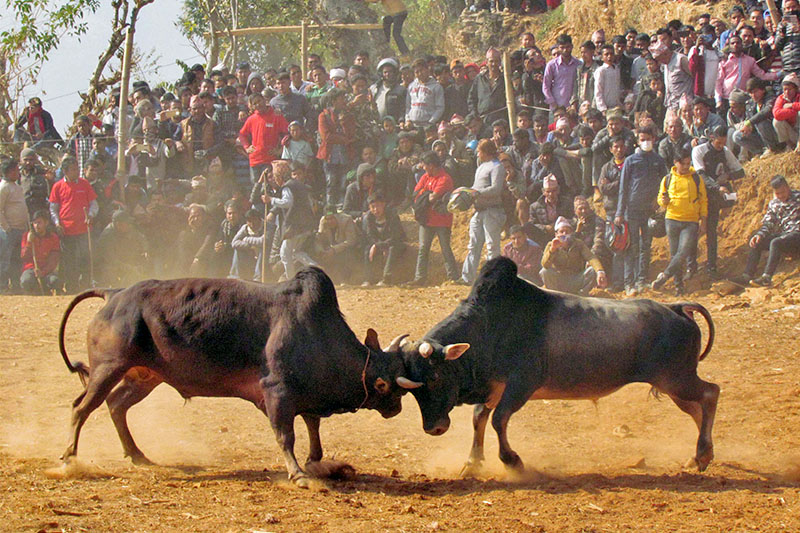
2021 Makar Sankranti: Know why Uttaraayana is significant
Uttaraayana is traditionally known to be a period of divinity and a new beginning. Uttaraayaṇa is derived from two Sanskrit words ‘uttara’ or north and ‘ayana’ or movement, indicating a northward movement of the Sun. In Mahabharata, Bheeshma Pitamaha chose the day of Uttaraayana to die. Bheeshma had a special boon of Ichha Mrityu or death according to his will and he waited on his death bed of arrows until Uttaraayana. In Nepal, on the day of Makar-Sankranti, National Yoga Day is also celebrated.
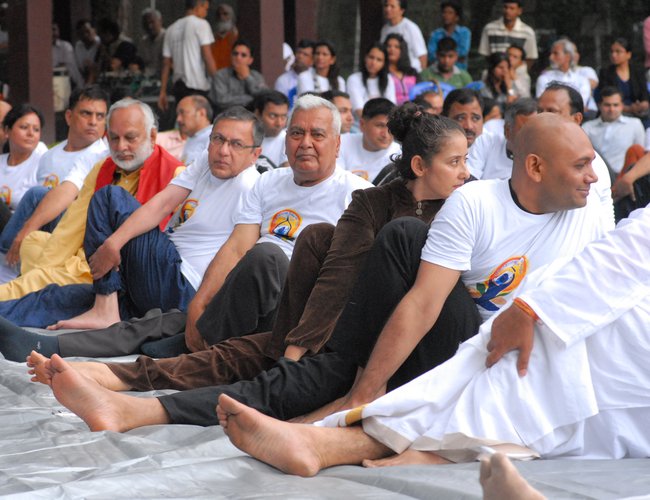
2021 Makar Sankranti Date, Day and Time
Thursday, January 14 – Magh Krishna Paksha Dwitiya tithi
Makar Sankranti Punya Kala or auspicious time starts at 8:30 AM and ends at 5:46 PM.
Makar Sankranti Maha Punya Kala starts at 8:30 AM and ends at 10:15 AM
While festivities may not be at par as previous years on account of the corona virus pandemic, usually on this day devotees take a dip in holy rivers. For believers, taking a dip washes away their sins, it is also considered a time of peace and prosperity and many spiritual practices are conducted on this day. Sesame and jaggery ladoos, chaakoo, yam, sweet potatos are distributed on this day. The sweet signifies that people must stay together in peace and harmony despite their differences. It is also believed that those who die on Makar Sankranti are not According to Hindu belief, if one dies on Makar-Sankranti they are not reborn, but go straight to paradise.
Conclusion
Makar Sankranti is dedicated to the sun god Surya and marks the first day of the sun’s transit into Makara (Capricorn) Rashi (zodiac), it also marks the sun’s northward journey and is called Uttaraayana for this reason. I pray that it marks the end of difficulties and brings success, joy, and peace in your life. May this Makar Sankranti usher in goodness, peace, good health, and happiness in your life. Here’s sending my best wishes and greetings.
Poorna Titali Asana (full butterfly)
Introduction
Badha = Bound or Restrained, Kona = Angle, Asana = Pose or Posture. This pose is pronounced as BAH-dah-cone-AHS-ana. Titali or Putali Asana or Kriya, the Sanskrit word which suggests Butterfly in English. In Titali Asana you’ve got to maneuver your knees up and down an equivalent because the wings of a butterfly, so that’s why it’s referred to as Butterfly Pose. The Butterfly pose is additionally mentioned because of the Purna Titali Asana. There are active and passive two variations.
Titali Asana with stilling is nearly like a Bound Angled Pose or the Baddha Kona Asana or Poorna Titali Asana and also meditated variation is also called Gorakshasana. This is often an easy exercise that will simply be performed once even with minimum directions from your trainer. Targeting primarily the legs, it’s the proper cure to relax and stretch the muscles of the legs, especially once an extended day of labor or an intensive computer. The reclined Butterfly posture is another variation of the Butterfly pose (Titali Asana).
How to Do Poorna Titali Asana (Full Butterfly)
Steps
1: First sit within the Base Position Yoga Pose (Prarambhik Sthiti) with the legs outstretched and therefore the feet together.
2: Bend the knees and convey the soles of the feet together.
3: Now keep the heels as on the brink of the perineum as possible.
4: Fully relax the inner thigh muscles.
5: Now clasp the feet with both hands.
6: Gently move the knees up and then down towards the ground, but don’t use any force while moving the knees up and down.
7: Gently practice up to 30 to 50 up and down movements.
8: Gently straighten the leg after completing the practice, but slowly and punctiliously bend it once, Keep the soles of the feet together.
9: Place the hands on the knees.
10: Now using the hands, gently push the knees down towards the ground, allowing them to originate again.
11: While doing the Full Butterfly Yoga Pose using the hand doesn’t force this movement.
12: Gently repeat 30 to 50 up and down movements.
13: Gently straighten the leg after completing the practice, and relax.
Benefits of the Putali Asana (Butterfly Acts):
- The butterfly pose renders a great stretch for the inner thighs and groin.
- It relaxes the tensed tissues and improves the flexibility of this region.
- It improves blood circulation in the lower body that is stalled due to long sitting hours
- A good stretch for the inner thighs, groins and knees, improving flexibility in the groin and hip region
- Helps in intestine and bowel movement
- Removes fatigue from long hours of standing and walking
- Offers relief from menstrual discomfort and menopause symptoms
- Helps in smooth delivery if practiced regularly until late pregnancy
- Stimulates abdominal organs, ovaries and prostate gland, bladder, and kidneys
- Stimulates the heart and improves general circulation
- Stretches the inner thighs, groins, and knees
- Helps relieve mild depression, anxiety, and fatigue
- Soothes menstrual discomfort and sciatica
- Helps relieve the symptoms of menopause
- Therapeutic for flat feet, high blood pressure, infertility, and asthma
- Consistent practice of this pose until late into pregnancy is said to help ease childbirth.
- Traditional texts say that Baddha Konasana destroys disease and gets rid of fatigue.
Precautions
While doing the asana, take care that: This asana should be avoided in case of Groin or knee injury. Be careful while bending if you suffer from High blood pressure or any cardiac problems. Be slow and careful while doing the asana as in almost all the yoga asanas, as being quick is not what is called for in any yogic Asanas. The butterfly should be avoided by ladies if menstruating trouble or should be performed under the guidance of a yoga expert during those days.
Conclusion
Titali Kriya or Asana can be practiced for warming and opening joints as subtle exercises, for more warm-up and stretching as Dynamic exercises, and then for stilling, strength, stamina, endurance, and power as Asanas. Butterfly can be practiced at the beginning of the session, middle of the session, and middle of the day as needed. It is a very common asana for all levels of practitioners.
NATHA YOGA TRADITION
Natha is a Sanskrit term that can be translated to mean “lord,” “master,” or “protector.” It is most often used to refer to the nathas (saints/gurus) of the Nath tradition. The Nath tradition is a heterodox siddha (adept) tradition that was established by Shiva and followed by Matsyendra, and further developed by his disciple, Gorakh. He introduced Natha Yoga or Hatha Yoga in a Public forum.
The Nath tradition has many sub-sects, but they all accept Aadinath Shiva, Matsyendra, and Gorakh as their founders. The Natha Sampradaya, or the “Tradition of the Natha Gurus,” is based on a lineage of spiritual masters who are worshiped both collectively and individually.
NATHA YOGA AND NATHA YOGI
The Sampradaya of Mahayogi Gorakhnath is an ancient authentic Yoga tradition. It was Guru Gorakhnath who founded this Tradition. He is regarded by Aadinaatha Shiva. Mahayogi Gorakhnath established and developed yoga, which is being practiced all over the world. Many scientists determine the period of formation of the Tradition from the 5th to 12th century A.D, but as a rule, all dates are quite contradictory. Gorakhnath and other great Yogis are honored by Nathas as spiritual Masters with realized kaya-siddhi and attained immortality.
Gorakhnath has written about fifty texts on philosophy, metaphysical aspects of Yoga, and various methods of Yoga-sadhana. He founded the order of Kanphataa Yogis. The Kanphataa yogis’ distinctive attribute is big earrings in the ears, symbolizing solar and lunar energy. Natha Yogis have another characteristic feature which is the Nadi (ritual whistle), which yogis carry on a black woolen cord (Janeu). This symbol is related to the Nada-anusandhana practice, which is intended for working with sound vibration. The Janeu cord is associated with the Ida and Pingala channels. Some treatises on Yoga and Tantra are traditionally attributed to Mahayogi Gorakhnath.
MEANING OF TIME IN NATHA TRADITION
Time, in Natha worldview, is the essence of Shakti, the dynamic aspect of Shiva. Tantra names are given aspect of Shakti Kali, whereas in Nath tradition the highest manifestation of the Goddess is Yogamaya Balasundari. Special yantra is used for her worshiping. Yantra is divided into four parts, symbolizing the four yugas – time segments of the universe. In the middle is Balasundari herself in yamala (union with Shiva). Balasundari is Nija-shakti of Shiva, Kundalini.
The Nathas are believed to descend from earlier cults, including the Pashupatas, Kapalikas, and Siddhas. They were closely connected with the alchemical tradition of Rasayana. This site provides extensive information about the Natha tradition.
Nathas consider time as Shakti, within which the practitioner constantly resides in his pursuit of Kundalini awakening, and therefore time for Nathas is not just a certain material element but also has deep spiritual meaning. Shakti embodies the creative dynamic reality of Shiva that reflects the essence of time – continuous change and transformation- while Shiva is a static reality that is related to space. Here, space implies not only the physical but also its transcendent aspect.
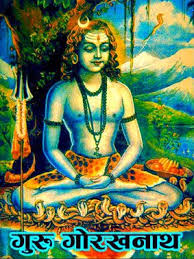
NINE NAATHS: NAVNATH SAMPRADAYA
The Navnath (Sanskrit: नवनाथ), also spelled as Navanatha and Nau Nath, are the nine saints, Masters, or Naths on whom the Navnath Sampradaya, the lineage of the nine gurus, is based. They are worshipped collectively as well as individually. The nine gurus, collectively known as Navnaths, are considered representative of great teachers in this tradition or parampara:
- Machindranath or Matsyendranath
- Gorakshanath or Gorakhnath
- Jalandharnath
- Kanifnath
- Gahininath
- Bhartrinath
- Revananath
- Charpatinath
- Naganath
NATH YOGA SAMPRADAYA -BOOKS
- Gorkhnaht satakam book-Yoga-Mimansa
- Hatha Yoga Pradipika: Sanskrit and English
- The Splendours And Dimensions Of Yoga -Hatha yoga –book
- The philosophy of Jñānadeva: as gleaned from the Amṛtānubhava-book
- The Return of the Serpents of Wisdom-Natha sidha and Hatha yoga –book
- Kundalini: the mother-power-Matsyendranath-book
- Sonic theology: Hinduism and sacred sound-Gorakh nath- book
- Yantra-Mantra Tantra and Occult Sciences–sabar mantra Gorksh nath- book
- Sharing Jesus holistically with the Buddhist world-Matsyendranath and Gorakh nath-book
- Yoga: Immortality and Freedom-Matsyendranath and Gorakh nath-book
- Discovery of Spiritual India-Matsyendranath and Gorakh nath-book
- Maha Siddha Matsyendranath -Tāntric art of Orissa –book
- Maṇimahesh Chambā Kailāsh-Gorkshnath – book
- The Encyclopedia of Indian Philosophies: Yoga: Hatha Yoga
- Gorakhnāth and the Kānphaṭa yogīs-book
- Philosophy of Gorakhnath with Goraksha-Vacana-Sangraha-book
- The Alchemical Body: Siddha Traditions in Medieval India-Nath Sidha
- Kundalini: the mother-power-Matsyendranath-book
Conclusion
The Nath Sampradaya is an ancient tradition where the devotees are the spiritual custodians of Hatha Yoga and Tantra. Nathas consider Shiva (Adinath) as their first Guru and Matsyendra as the forefather of the Nath Tradition and therefore Yoga. The original goal of Natha yoga was spiritual liberation or self-realization during the yogi’s lifetime. In the Natha tradition, the yogi’s actions and thinking determined their path, rather than a divine being. Natha yoga practice includes physical practice along with spiritual and intellectual advancement goals.
NATIONAL YOGA DAY
INITIATION
National Yoga Day is celebrated every year on the day of Maghe Sankranti (Magh-1), following a Cabinet decision on 28 Shrawan, 2072 (13 August 2015). The National Day of Yoga has been marked by organizing a rally and finally, a big gathering at the National Academy of different venues decided by the Cabinet of Nepal. The credit for the initiation of the National Day of Yoga and also the program every Year goes to Former Minister of Education, Science and Education Giriraj Mani Pokhrel. Every Year Magha 1st, we celebrate National Yoga Day with different programs of meeting and practice as well. Discourses and discussions on Yoga would be organized to observe the Day.
Introduction
Yoga is an ancient science obtained through the physical, mental, and spiritual practices developed by Lord Shiva and promoted by different sages and seers. Later, the practice was followed by other religious gurus and leaders. People have been practicing Yoga formally, informally, and non-formally for thousands of years. It originated in Himvat Kshetra (Himalayan Areas) around the country of the Himalayas, Nepal.
According to Sanskrit literature, the literal meaning of Yog or Yoga is ‘to join’ or ‘unite’, which symbolizes the union of body, energy, mind, and consciousness. Last year’s yoga day was celebrated with the theme ‘National Unity: Relevance of Yoga. ’
Development
Yoga is gaining popularity all over the world and is promoted everywhere and also every nook & corner of the Country through public efforts. Tribhuvan University, the first University in Nepal has already started the Academic course of Post Graduate Diploma in Yoga Science in 2019 and recently passed the Master Degree Course in 2020 as well. The government is preparing to include Yoga in school education and has already developed its curriculum in classes 9, 10, 11, and 12.
Every Year, the MoEST has been corresponding with all the 753 local levels and the 77 District Coordination Committees through the Ministry of Federal Affairs and General Administration to celebrate the Day with special programs. Yoga Day has been observed in the country to raise awareness of the aesthetic discipline of Yoga and to encourage people to practice it regularly in their daily lives.
Role of Institutions & Yogins
Nepalese Yoga Guru Yogi Hari Prasad Pokharel asserted that Nepal could be developed as the spot for yoga, and all initiators added that Nepal should be the “YOGA GURU” of the world. We further pointed out that Yoga was developed between the Himawat Khanda and Manas Khanda of Nepal, and thousands of foreigners were coming to train Nepalese to learn yoga.
Yogacharya Subodh Simkhada introduced Yoga and spiritualism first time in Nepal for foreigners since 1997. Yoga Himalayan Yoga Academy is now institutionally providing international levels of Yoga Training with a motive to fuse our Eastern wisdom and modern lifestyle continuously since 2007. According to him, around 20 Yoga Schools in Nepal have been imparting lessons on yoga to foreigners and more than 500 Yoga centers are working in public levels. We can’t forget these personalities like Late Kashinath Upadhyaya, Yogacharya Surya Bahadur Karki, Yogi Hari Prasad Pokharel, Swami Osho Pathik, Yogacharya Kshitij Barakoti, Yogi Laxmi Kanta Pandey in Yogic History of Nepal.
We informed to News Agency (RSS) that plans were afoot to extend the program to other Gurukuls and schools in the country. Similarly, the Nepalese Association of Master’s in Yogic Science (NAMYS), The Paatanjal Yoga, the Patanjali Yog Peeth, Brahmakumari Rajyog Service Center, Art of Living, Tapoban, Oshodhara, Shri Arvinda Ashram, Shanti Ashram, Yoga & Naturopathy Hospitals, and other Yoga International Yoga schools including Himalayan Yoga Academy www.himalayanyoganepal.com have been offering classes on yoga in all districts in the country and out of country as well.
Pashupati Area Development Trust (PADT) was also preparing to develop the Pashupati area as a conducive place for yoga. Mahatma Sushil has started imparting Pashupat Yoga at the Pancha Debal in front of the northern main gate of the Pashupatinath Temple every morning. The training on yoga which has been conducted in aid of the Trust would be expanded across the country, according to the PADT.
Coming Yoga Day
This year Magha 1st, 2077 (14-01-2021), we have decided to celebrate National Yoga Day with different programs both virtual and offline. Nepal government has made the programme schedules in the morning in Baluwataar, in the Residence of the Prime Minister and evening from 4:30 to 6:30 Dhyan Yoga Arogya Sadhana Nepal has organized the virtual Seminar. On the occasion of National Yoga Day, Former prime Ministers, Ministers, other Yoga Gurus, and Our Yoga Guru Yogachara Subodh Simkhada will present the need for Yoga, the importance of YOGA DAY, and also the appropriateness of Dhyan Yoga Arogya Sadhana Nepal.
नेपाल सरकारले यस वर्षको नारा निर्धारण गरेको छ। “गरौ योग डटेर, कोभिड जान्छ हटेर “
The Government of Nepal has set this year’s slogan. “Let’s do yoga, Covid goes away”.
Conclusion
Yoga is only one option to fight any ailments, or any microbes by boosting the immune system. It enlightens people on how to live to be healthy, happy, and also more conscious. So we kept our Yoga Academy open during the whole Lockdown Period. Many people are benefiting from this class and through our posts on social media and online articles directly and indirectly. We would like to request all of you, to please keep it up. All the best.
HAPPY NATIONAL DAY OF YOGA TO ALL BELOVED SOULS
AN ANCIENT YOGIC TEXT SHIVA SAMHITA
DEFINITION OF SHIVA SAMHITA
The “Shiva Samhita” is an ancient Sanskrit text about yoga and the aspect of Spiritualism. The name translates to English as “Shiva’s Compendium.”
The author of this text is unknown and the date of its writing is disputed. The most recent examinations have concluded that it was probably written before 1500 C.E. in the Himavat Kshetra (Himalayan Belt) and Mahabharata Hills.
Shiva Samhita in Sanskrit, शिव संहिता was composed more than five centuries ago and is considered a fundamental text of Hatha Yoga. Recording beautiful spiritual teachings found nowhere. Featuring photographs of the asanas and mudras described by the text, the Shiva Samhita is a strongly recommended, core addition to personal, academic, and community library Hinduism Studies, Yoga Studies, and World Religion Studies reference collections and supplemental reading lists.
SHIVA SAMHITA AND ITS MESSAGE
The Shiva Samhita is an ancient sacred text based on Raj Yoga, as seen by the Aadi Yogi or Aadi Natha Shiva. The Samhita serves as the applied yogic text of ultimate truth, guiding the ethical path to unite with the supreme power, not only through realization but also by experiencing the Paramatma (supreme soul) in the state of Samadhi or Yoga. The message was verbally conveyed to the Sages and seers who listened during their state of meditation.
Vedas, and Upanishadas are sources of whole knowledge in all disciplines and discoveries but it gives two central ideas as precious messages to all human beings that are “Satyam vada” and “Dharma chara”. These valuable sentences sort of the ultimate truth of Jnana Yoga, Bhakti Yoga, Kriya yoga, and Raja Yoga as well. Sanatana rite begins from these versions. Satyam Vada expresses to speak truth, to listen the truth and to act the truth. The truth is pervasive, ultimate, universal, non-dual, and classical.
Dharma chara expresses the act of ultimate truth to initiate human ethics and humor (Dharma) and Dharma aims the unification and the realization of the ultimate reality through the act of means and practice. The truth inspires us to achieve the ultimate knowledge from speech, listening, and inner campaign. Truth is the expression but not achievement. We need the act or karma to achieve this. The act for the achievement of ultimate truth is Dharma which is yoga. You will be enriched by this novel here at Himalayan Yoga Academy, Nepal.
SAMHITA AND YOGA
The “Shiva Samhita” is written from the point of view of the Hindu god, Shiva, writing to his consort, Parvati. It is one of the oldest surviving texts based on Hatha yoga and Raja Yoga. It is regarded as being the most complete set of writings on Yogic novels.
The text mentions eighty-four asanas, but only four are described in detail. It also covers five types of prana, meditation, Tantra, mudras, and yogic philosophy. The Shiva Samhita is beautifully written as a conversation between Shiva and Parvati, with Shiva symbolizing the creative and destructive power of the divine masculine, while Parvati represents the gentle, feminine creative power of the universe. The text delves into many esoteric details of Yoga practice, discussing eighty-four asanas, four of which are described in detail, along with the benefits of mantra repetition, Yogic philosophy, five types of prana, tantric practices, and the art of meditation.
ASPECTS OF THE PRACTICE OF YOGA IN SAMHITA
The chapters of the Shiva Samhita cover various aspects of the practice of Yoga. The word “Yoga” means the union of a human soul with the divine. Some of the aspects that are covered in the chapters of the Shiva Samhita are several methods of liberation, eighty-four different asanas , the structure of our 72,864 nadis, types of prana and the awakening of the Kundalini Shakti energy. Additionally, the Shiva Samhita outlines the importance of having a true Guru who can awaken the Kundalini energy safely, as well as describing the subtle body and the movement of prana.
There is an explanation in the Shiva Samhita of hand mudras or sacred gestures, eleven of which may substantially support a Yoga student in reaching liberation. In the text, Shiva also clarifies obstacles that a seeker may encounter on the spiritual path and outlines techniques for working with both those obstacles and our shadow aspects. In addition, the Yoga of sacred sound or Nada Yoga is discussed along with the practice of mantra repetition as Mantra Yoga.
CONCLUSION
The Shiva Samhita is one of three major surviving classical treatises on hatha yoga, the other two being Gheranda Samhita and Hatha Yoga Pradipika. It is considered the most comprehensive treatise on hatha yoga, one that recommends that all householders practice and benefit from yoga. It tends to Raja Yoga in depth. Even though the text discusses many esoteric aspects of practicing Yoga, Shiva himself emphasizes that even an ordinary individual, or family, living in the middle of the maelstrom of the world can benefit from a regular practice of different means of Yoga. Himalayan Yoga Academy is becoming an international commune as a yoga Family with a motive to build human hearts. Here Swami Yog Subodh will surely take the meaning of Shiva Samhita knowledge to your hearts.
YOGASANA (POSTURE OF UNION)
Uttaanau charanau Kritvaa samsthaapyo-pari Jaanunoh;
Aasano-pari sansthaapya chottaanam karayugmakam !!2.44!!
Poorakair-vaayumaa-krishya naasaagramava-lokayet;
Yogaasanam bhavedeta-dyoginaam Yogasaadhane !!2.45!!
Place both feet on the opposite knees and keep both hands on the knees in chin mudra. With inhalation suck the air inside and hold the breath while gazing at the nose tip. Yogis must practice it daily. It is called yogasana.
Introduction
The word “asana” literally means a posture. Out of the countless asanas the body can assume, 84 have been identified as Yogasanas, through which one can transform the body and mind to achieve ultimate well-being. Yogasanas are not exercises; instead, they are subtle processes that direct one’s energy in a particular way. There are many differences between Yogasana and exercise.
An asana is a body posture, originally and still a general term for a sitting meditation pose. Later extended in hatha yoga and modern yoga as exercise, to any type of pose or position, adding reclining, standing, inverted, twisting, and balancing poses.
In Yoga, Aasana is called Yogasana, one of the units of Ashtanga or Hatha Yoga. But Gheranda Samhita, one of the 32 Aasanas, last one is named Yogasana which seems like Ardha-padmasana.
Technique
Yogasana, which has been described herein as Gheranda Samhita, is an easy form of Padmasana or Ardha Padmasana in which the feet are not the thighs but not right on top of the thighs close to the body. In this position, the hands are placed on the knees. Nasikagra drishti is then practiced. It is an easy Aasana that can be practiced by anyone, anywhere, for steadiness, japa, concentration, meditation, and also for a natural sitting position.
Benefits Include:
- Greater Clarity and Calmness of Mind
- Better Bodily Alignment and Balance
- Increased Sense of Awareness
- Improved Focus
- Provide Physical benefits, such as relaxation, increased flexibility or strength
- Break Compulsive and Addictive Patterns
- Yogasana is valued more for their mental, emotional or spiritual benefits, such as enhanced focus, mental clarity or connection to the higher Self. Deepening of Other Spiritual Practices
- Better Cellular Regeneration (Slows Ageing of the Body)
How Does Yogasnasa Help?
Yogasana can be a tool to raise our consciousness to increase awareness of how we live. Not just through training our minds but directing our energies properly and following a system that is in line with the human system. However, this will only work if it is taught and practiced properly. As this is a subtle process, even the smallest of details make a big difference.
Conclusion:
Yogasana is a way of aligning the inner system and adjusting it to the celestial geometry, thereby becoming in sync with existence and naturally achieving a chemistry of healthfulness, joyfulness, blissfulness, and above all, balance. It should be steady and comfortable.
MAKARAASANA (CROCODILE POSE)
Verse :
Adhyaasya shete hridayam nidhaaya, bhoomau cha paadau prasaaryamaanau;
Shrashcha dhritvaa karadandayugme, dehaagnikaaram makaraasanam tat. !!2.40!!
Lie with the chest on the ground and the legs spread out and hold the head in the arms. This asana, which activates the fire of the body, is called Makaraasana.
Introduction of Makaraasana
Makaraasana (मकरासन, “Makara posture”) is a Sanskrit word referring to a type of posture (Aasana) used in Yoga. The name comes from the Sanskrit मकर makara meaning “crocodile” and आसन Aasana meaning “posture” or “seat”. Makaraasana is described in the 17th-century Gheraṇḍa Saṁhitā (Chapter 2, Verse 40). Makaraasana (मकरासन) is one of the thirty-two Aasanas (postures) taught in the second chapter of the Gheraṇḍasaṃhitaa: “Lie prone, the chest touching the ground and the two legs stretched out. Hold the head with the two arms. This is Makaraasana that increases the heat of the body”.
Makaraasana is one of the selected 32 postures amongst 8,400,000 total mentioned by Shiva, according to Gheraṇḍasaṃhitaa 2.1-2, “In all, there are as many Aasanas as species of animals. Eighty-four lacs of them are mentioned by Shiva. Out of them, 84 are regarded as important and among these 84, again 32 are good (enough) in this world of mortal beings”.
To perform this asana, the yogi lies face down with the hands folded under the head. Place your palms under the chin, on the shoulders, or flat on the ground. The legs stretch out as far as possible, with the toes pointing forward. The whole body should stay relaxed.
There are many variations of Makaraasana and steps in order to perform Makaraasana that has been pinpointed below:
Variation 1
- Lie flat on the ground on the stomach.
- Raise the head and both the shoulders.
- Fold the arms in the front, place the right arm above the left arm, keeping the elbows pointing.
- Keep the left palm down on the ground and the right palm on the left arm, the fingers touching the inside of the elbow.
- Put the head down on the center point, where the right wrist is above the left wrist
- Closes both the eyes and relax the whole mind and body
- After a few moments, come back to the material world and become aware of the reality. Slowly release the posture.
Variation 2
- Lie flat on the ground on the stomach, big toes and heels touching each other
- Raise the head and both the shoulders. Place both the elbows on the ground keeping them shoulder width apart. Hold the chin in the palms to support the face.
- For being in coordination with the spine, keep both the elbows close
- In case, one experiences much pressure and stress on the neck, the elbows may be separated slightly.
- Close both the eyes and relax the whole mind and body. Feel both inhalation and exhalation deeply and get completely within yourself.
- After a few moments, come back to the material world and become aware of the reality. Slowly release the posture.
Anatomical Focus
The main anatomical focus of this pose is upon the spines, legs, forearms, forehead, and belly. It puts pressure on the belly as the person practicing this pose needs to lie down on his stomach.
Therapeutic Application
Makaraasana tends to possess therapeutic applications such as making use of the pose in order to get rid of fatigue, constipation, indigestion as well as low back pain. It also tends to control blood pressure as well as hypertension. It is very common asanas to recover different ailments and align the body.
Benefits of Makaraasana (Crocodile Pose)
Following are the health benefits of Makarasana which one may experience gradually with regular practice:
- Balances the functioning of abdominal organs.
- Improves the blood circulation in the body.
- Helpful in getting rid of stress, anxiety, depression, tension and fatigue.
- Quite helpful for people suffering from in cervical spondylitis, slipped disc, sciatica or other back ailments.
- Beneficial in all spine related problems.
- Highly beneficial for people suffering from asthma or other lung disorders as this asana elevates the breathing and helps in respiring easily. Very useful in Asthama, knee pain, and other lungs related problems.
- Stay healthy stay strong and get the best out of life.
- Stretches the muscles of the legs and hips.
- This pose is best for relaxing after doing other Asana.
Conclusion
Makaraasana is a very useful and effective Aasana that is for all levels of practitioners. After and before traveling, walking, working, and also driving a long time. It prepares and gives instant relief and is affordable for all which is also the bed exercise. It is the best pose for low back pain and cervical spondylitis as well. If you wanna learn new poses, then feel free to contact Swami Yog Subodh.
UTTANA MANDUKAASANA
Verse :
“Mandukaasana-madhyastham koorparaabhyaam dhritam shirah;
Etad-bhekavaduttaana-metaduttaana-mandukam. !!2.35!!
Adopting Mandukasana, the head is placed firmly on the elbows and the chest, abdomen and waist are lifted up like a frog. This is uttana mandukaasana. The practice of Uttana mandukaasana begins like Supta vajraasana.
Description of Uttana Mandukaasana
“Manduka” in Sanskrit means frog. The body in Uttana-Mandukaasana resembles an erect frog that’s why it is called ‘uttana mandukaasana’.
This asana is a variant of the Mandukaasana, and involves more stretching than the Mandukaasana. The Uttana Mandukaasana is commonly referred to as the extended frog poses, and has several health benefits to offer to practitioners.
Uttana Mandukaasana Technique:
- Sthithi (Starting position): Sit on the floor in Vajrasana. Place hands on the sides.
- Spread the knee.
- Take the hands over the shoulder and join the hands behind the head.
- Slide the other hand behind the back and try to couple it with the hand over the shoulder
- Maintain shallow breathing if unable to sustain a “breathing out” situation. Hold 3 to 10 counts.
- The drishti for this asana is Urdhva drishti (gazing into space or ceiling) or Brumadhya drishti (gazing between the eyebrows)
- Slowly, release the pressure on the back and bring the hands to the sides.
- Bring the knees together to Vajrasana position.
- Breathe deeply. Repeat 3 to 6 times.
Uttana Mandukaasana benefits:
- Improves abdominal strength
- The asana will benefit activation of the Svadishthana chakra and Manipura Chakra as well.
- The reverse arch results in strengthening of the entire spine – the lumbar, thoracic and cervical regions, lengthen the spine
- Tone the arms, strengthens the leg muscles
- Promotes lung capacity,
- This asana also strengthens the sympathetic and parasympathetic nervous system.
- This asana is effective is helping resolve menstruation problems, Improves reproductive health
- It should one practice Ujjyayi pranayama, there is enormous strengthening of the lower respiratory tract.
Therapeutic uses
- Uttana Mandukaasana cures asthma and other lung diseases.
- This posture is also useful for getting rid of menstrual cramps or pain.
- It has relieving effects on mental disorders, including stress and anxiety. People with cervical spondylitis need to practice this pose for relieving effects.
- In addition, it also heals back pain in the cervical, lumbar or thoracic areas.
- It also relieves neck and shoulder pain.
- Stretching the abdomen improves the functioning of the digestive organs and cures constipation or other digestive disorders.
- Uttana Mandukaasana also stretches the pancreas and regulates insulin secretion, which is beneficial in treating diabetes.
Uttana Mandukaasana contraindications:
- People with arthritis, hernia and back problems must perform this asana only under supervision of a physician.
- Do not perform this asana during menstruation or pregnancy.
How to reach the stretch
- Sit in Vajrasana and keep your knees wide. Let the great toes touch each other and keep the body straight.
- Then, cross both arms behind the head and place the hands on the upper part of the opposite shoulder blades.
- The chin should touch the chest wall like the Jalandhara bandha.
- The bandhas of Jalandhara, Uddiyana and Moola are also performed in this asana.
How to release the stretch
- To release, come back to the starting position and then relax.
Benefits of Uttana Mandukaasan
- It improves the lungpower, circulation in the walls of the chest and abdomen, and tone of the abdominal and shoulder muscles
- It also improves sciatica in some people
- Lungs become strong
- Improves digestive system
- Fats levels decrease near waist level
- Relieve stress
Rule for beginners
- Don’t exert yourself.
- Don’t force or overstretch.
- Toes should touch each other behind our body.
- Don’t try to hold your breath if you are not common with it.
CAUTION
- People with spinal cord deformities, disabilities of hip joints and severe backache don’t do this exercise.
- If you have suffered any spinal injuries or have done any back surgery then it should be avoided
- Person affected by Ulcer should avoid it
- Any person having knee problem should avoid it
- People suffering from high blood pressure or migraine should avoid it
- A person suffering from cardiac problems should avoid it
- If any abdominal surgery is done then one should avoid it.
Conclusion
Uttana mandukaasana is a body-relaxing yoga pose that leaves behind physical, mental, and emotional balance and provides well-healing effects on pain as well. It gives the complete fitting, and trimming to the whole body. It activates and stimulates the glands, nodes, and entire body organs.
Where to Learn It :
If you wanna learn this asana under proper guidance and become a teacher as well, then join our yoga teacher training in Nepal, taught and guided by Swami Yoga Subodh.
MANDUKAASANA (FROG POSE)
“Prishthadeshe paadatalaavangushthau dvau cha samsprishet;
Jaanuyugmam purushkritya Saadhyenmandookaasanam !!2.34!!
Bring both feet to the back, join the big toes and keep both knees in front. Thus is performed Mandukaasana.
Mandukaasana (Sanskrit: मन्दुकासन; IAST: Mandukaasana), or Frog posture is a group of seated asanas in Hatha yoga and modern yoga as exercise, all of which put the body in a shape like that of a frog. Another frog-like pose is Bhekhasana.
In Sanskrit the word “Manduk” means frog. In this pose, your body posture resembles a frog, so that’s why this Asana is called Mandukaasana. Mandukaasana is a simple Asana that anyone, regardless of age, can practice. In Yoga, people use many variations of Mandukaasana.
According to the Gheraṇḍasaṃhitaa, Maṇḍukaasana is one of the 32 selected postures among the 8,400,000 total postures mentioned by Shiva. The Mandukaasana in the Gheranda Samhita is also called Manduki Mudra. Shiva mentions 8.4 million asanas, as many as there are species of animals. He considers 84 of these asanas important and recommends 32 poses for regular practice to gain merits in the world of mortal beings.
The 17th-century Gheraṇḍa saṃhitaa, which mentions Maṇḍuka-Aasana, is one of the three classic texts of Haṭha-yoga, a major branch of Yoga. It shares similarities with the Yoga system taught by Patañjali but claims its mythical founder as Matsyendranaatha. This Gheraṇḍa Saṃhitaa is an encyclopedic Sanskrit treatise that describes thirty-two such Aasanas. In English, Mandukaasana is also referred to as the frog pose.
Traditionally, Mandukaasana is believed to open the Mooladhaara (Root) and Svadisthana (sacral) chakra. These chakras are the center of stability, survival, foundations, stilling, then, creativity, pleasure and enjoyment. Activating it promotes focus, productivity, and inner acceptance.
Methods of Mandukaasana (In Gheranda Samhita) or, Manduki Mudra
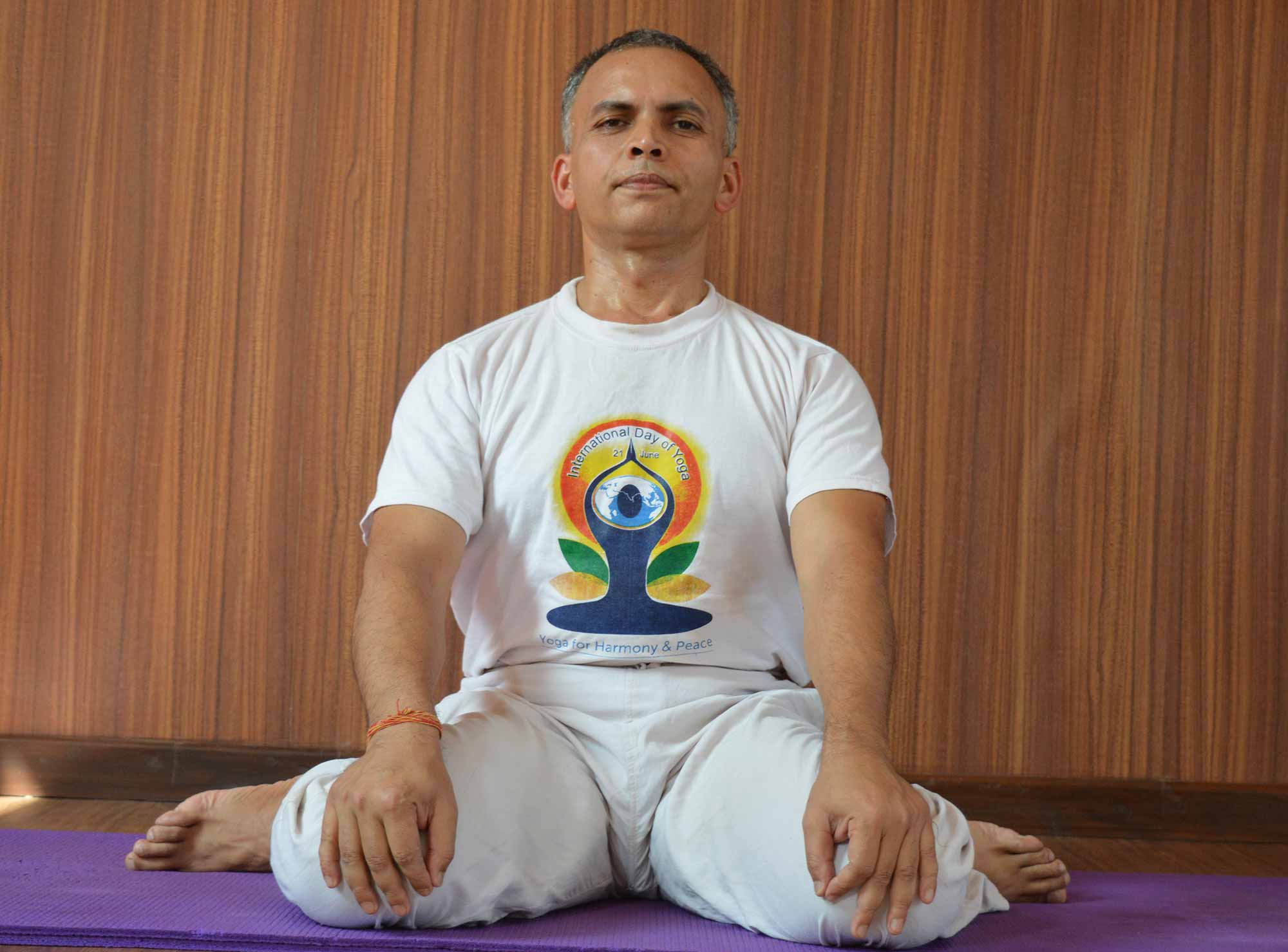
- Sit comfortably on your yoga mat.
- Take a few deep and slow breaths to relax your body.
- Sit in Vajrasana or the Bhadrasana or Viraasana
- Ensure you separate the two legs and sit.
- Take the feet apart as much as possible.
- Your perineum should touch the yoga mat.
- You can use a cushion or blanket under the buttocks to support.
- Keep your body straight while doing this Mandukaasana or Manduki Mudra.
- Keep the eyes closed and the whole body should be relaxed.
- Ensure you keep your mouth closed throughout the practice.
- Rotate the tongue and touch the soft palate.
You can be in this mudra for about 3-5 minutes depending on your physical fitness and body flexibility.
You might get the nectar flowing from the brain to the mouth.
Reaping the benefits from this Mandukaasana or Manduki Mudra will take a lot of effort and time.
It comes with regular practice of meditation.
Steps of Mandukasana (Frog Pose) – as common Aasana
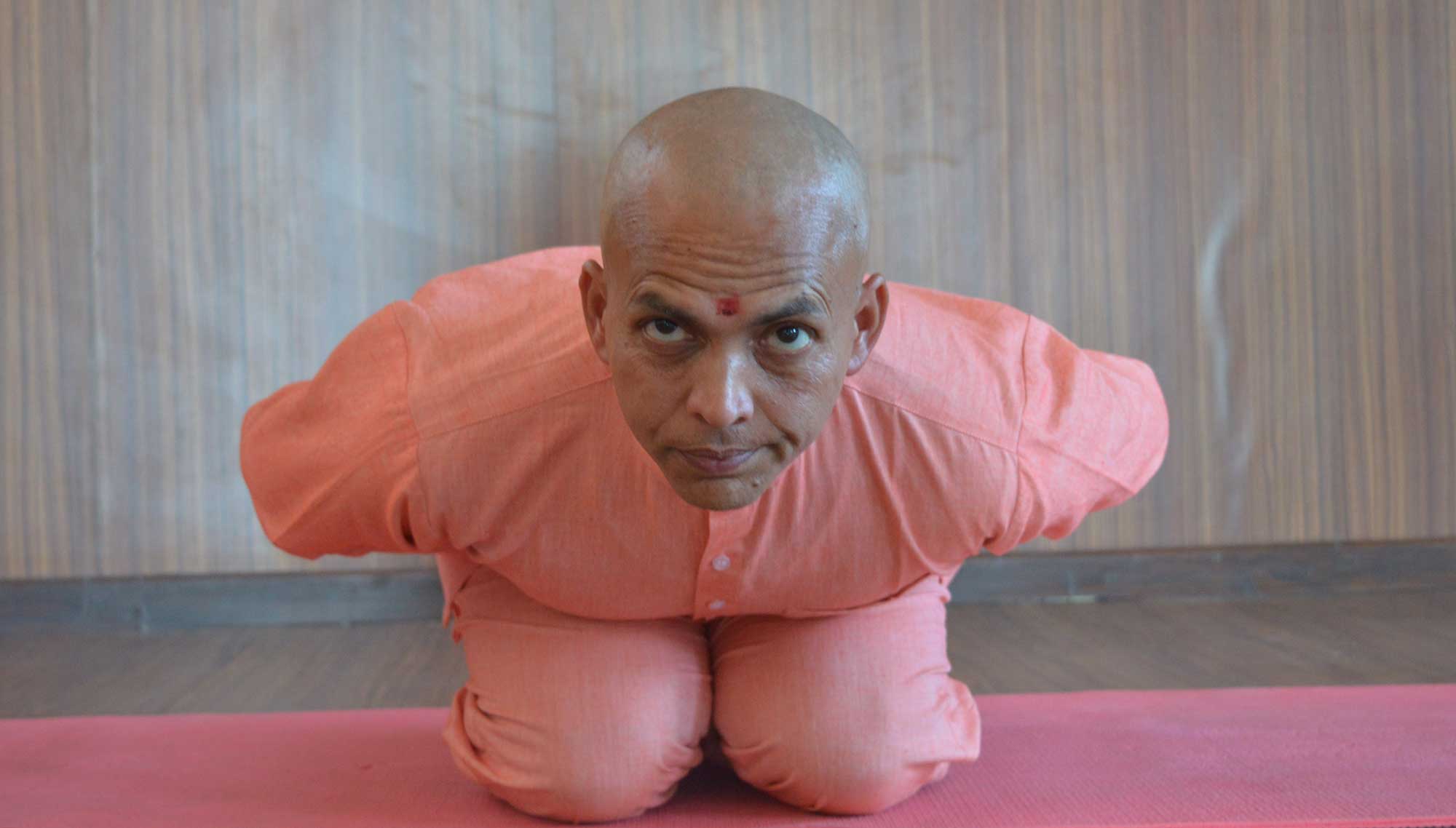
- Comfortably sit in Vajrasana (thunderbolt poses)
- Close the fists of both hands.
- While clenching the fists press your thumb inside with the fingers.
- While pressing the navel with your both fists exhale and bend forward.
- Hold the breath when you are in the position of bend forward and keep looking straight.
- Your chest will touch your thigh; Look straight and keep your eyes open
- Stay in this position for some time (hold the position as much as you can), Hold your breath if you can. Initially it will be difficult but you practice every day you will be able to do it for longer period. Or you can breathe slowly if you cannot hold your breath. inhale, and come back to starting position (Vajrasana).
- Now come back to original position in Vajrasan while simultaneously doing deep inhaling.
- Repeat this for three to five times as need and time.
Physical and mental Benefits of frog pose (Mandukaasana)
Mandukaasana gives you relief from diabetes, digestive disorders, and constipation. This pose improves the flexibility and mobility of the knee and ankle joints. It helps tone the muscles of the shoulder and abdomen. Regular practice of this pose increases your lung capacity.
1) Helps in treatment of constipation and digestion
2) Strengthen the Back, Hips, Knees, and Ankles
3) It is known for benefiting people suffering from diabetic as when we bend the pancreas gets pressed which is known for insulin secretion
4) Increases flexibility of thigh, hips and legs and also Reduces extra fat from thighs and hips.
5) Decrease the fats which are stored in lower part of body
6) Makes you back strong and stretch our spine
7) Removes gases which are in stomach
8) Makes our shoulder flexible
9) Helps in strengthening the forearm.
Health Benefits of Mandukaasana
1. Prevent Diabetes
2. Improve Digestive System and Cure the problems related to the stomach.
3. Relieve Stress, mild depression and Anxiety
4. Heals the joints, ankles and knee pain
5. Improve Heart Health and Circulation; It is beneficial in all types of cardiovascular diseases.
6. Reduce Fat from Belly, Hips, and Abdomen
7. Enhance Kidney and Liver Functioning
8. Soothes menstrual cramps
9. This would help stimulate the pineal gland in the brain which is responsible for involuntary actions.
Others- The asana makes you feel relaxed, calm the mind, therapeutic for asthmatics, awakens the Kundalini, and also improves sexual health by stimulating the sexual organs and enhances sexual performance as well.