
Is Vegan Food Always Healthy?
Why a Vegan Meal? Is Vegan Food always healthy? The recent rise of plant-based food choices around the world is an exciting step towards people choosing to eat and embrace a healthier, more sustainable diet and lifestyle. From a solely dietary perspective, a vegan diet avoids meat, dairy, eggs, seafood, and any foods that have derivatives of animal products. Far from being restrictive, a vegan diet offers abundant choice and creativity. Question: Is Vegan Food Always Healthy
A very healthy, balanced vegan diet will often include all kinds of fresh fruits and vegetables. Such as sprouts, nuts and seeds, fresh herbs and spices, seaweeds, sprouted whole grains, legumes and beans, cold-pressed oils like coconut oil or olive oil, nut butters and seed pastes like tahini, nut milks or coconut milks, unprocessed olives and avocado for healthy fats, fermented foods like miso, tempeh, sauerkraut and kimchi, dried fruits, and superfoods.

A vegan meal provides a wide variety of positive benefits. Various scientific studies have shown that a plant-based, whole food diet can lower the risk of various types of illness and disease, including cancer, diabetes, cardiovascular disease, high blood pressure and degenerative brain disease. A well-planned vegan diet has less saturated fat and cholesterol and more vitamins C and E, dietary fiber, folic acid, potassium, magnesium, and phytochemicals such as carotenoids and flavonoids. As a result, veganism can be said to be a perfectly balanced, healthy life.
Compared to meat-eaters, vegans weigh less, have lower cholesterol, blood pressure, and rates of type 2 diabetes. They have a 30 percent lower risk of heart disease and lower cancer rates. Most cases of heart disease, type 2 diabetes, and a third of cancers can be avoided by changing to a healthier diet, increasing physical activity, and stopping smoking.
Is vegan food always healthy?
Marketers and advertisers have jumped on the bandwagon with the new trend and popularity of vegan cuisine. Vegan food may still be laden with white sugar, palm oil, additives, preservatives, and poor-quality ingredients. A vegan burger from a fast food chain may be a small step in the right direction, yet it is no substitute for real, fresh, wholesome food that nourishes and fuels your body.
Why Taking A YOGA RETREAT is Important
The unhealthy lifestyle of most people is a major reason behind the development and exacerbation of many chronic diseases. A very good reason to do a yoga retreat is to give yourself a truly relaxing and recreational experience. Improve flexibility by doing yoga asanas. Improving lifestyles through new residential experiences that promote healthy behaviors, calm the mind with meditation & breathing exercises, and feel the vibration of chanting Sanskrit mantras. So WHY Taking A YOGA RETREAT is Important.
Why we should take a Yoga Retreat
- You can truly connect with nature as there are so many retreat places in beautiful locations. This is the best way to get out of your busy daily life.
- Say Bye-Bye to the daily technology life. During the retreat, no need to update your status and tweet or re-tweet every hour. You will not feel like being online 24×7.
- Going to a new place provides you with the best opportunity to explore the world. Experiencing unknown friends and places is the best way to grow and learn.
- If you have some bad habits then going to a yoga retreat is the best way to break from a bad habit is to replace it with a new healthy one
- We give so much of ourselves in our daily lives can be personal and professional, and we realize us impossible to take a moment just for ourselves. In a yoga and meditation retreat, you get the opportunity to meet some amazing people from the other part of the world, you can also use it as an opportunity to be alone.
- A yoga retreat keeps you far from your stresses about your duties where you need permission to truly relax. A retreat allows you to listen to your body, rest when you need it, and be free from daily stress.
- Going for a yoga retreat can be a life-changing experience, it can change and heal our mental and physical health.
Home Remedies for Nasal Congestion
Nasal congestion or “stuffy nose” occurs when nasal and adjacent tissues and blood vessels in your nasal area become swollen with excess fluid, causing a “stuffy” plugged feeling. The nasal congestion may or may not include a nasal discharge or “runny nose.” Below are given Home remedies for nasal congestion
Nasal congestion usually is just an annoyance for older children and adults. But nasal congestion can be serious for children whose sleep is disturbed by their nasal congestion or for infants, who might have a hard time feeding as a result.
Home Remedies for Nasal Congestion
Fenugreek Seeds (Methi)
This natural herb has anti-inflammatory properties that help in the detoxification of mucous membranes. Add some fenugreek seeds to hot water or tea and drink it two to three times a day. The heat and damp fenugreek seeds will help thin the mucus, allowing it to get out of the system naturally and further opening the sinus cavities.
Apple Cider Vinegar
Unfiltered Apple cider vinegar can help you a lot with your congestion problems. Add a few drops of this vinegar in hot water mixed with lemon or honey for taste to loosen the deposited mucus.
Using eucalyptus oil
Eucalyptus oil relieves the symptoms of sinus congestion. It may also help kill germs in and around the nasal passage that contribute to a sinus infection.
A person can use eucalyptus oil by applying it to tissue paper and sleeping next to it or by adding it to hot water and inhaling the steam. However, if a person applies the hot water and eucalyptus oil mixture directly to the skin, it may cause burns.
Jal Neti
Jal neti is a yogic action designed for nasal cleansing, where salted lukewarm water is used to get rid of the congestion and blockages of the nasal cavity and the respiratory tract. Jal neti helps keep you safe from many diseases and also encourages smooth breathing through the nostrils.
Do Yoga
The practice of yoga poses like the cow-face pose, head-to-knee posture, and yoga breathing exercises open the chest and improve circulation, thereby giving relief from congestion.
Why is Ayurveda Important?
Why is Ayurveda Important? Ayurveda is one of the world’s oldest holistic (“whole-body”) healing systems. It is believed to have been developed more than 3,000 years ago in India. It’s based on the belief that health and wellness depend on a delicate balance between the mind, body, and spirit. The main goal is to promote good health, not fight disease. However, treatments may be geared toward specific health problems.
Ayurveda Majorly Focuses on
- The connection of the forces of the universe with a living being.
- The driving force of life itself, the Doshas. The Doshas are known to be present in everybody in different aspects and ratios.
- Also, the constitutional aspects of a body, are known as its Prakriti.
Ayurveda works on natural treatments, medication, and remedies for ailments inside of people’s systems. A lot of medicines created with the proportionate addition and subtractions of naturally found herbs and spices are included within Ayurvedic treatments to treat the ailing Doshas in a human.
Why is Ayurveda Important?
1. Improved Concentration
In our contemporary world, with the speed of travel, the overload of information, and the constant mechanical noise that pervades our lives. It is easy to become distracted, to find our minds disquieted and anxious. When we slow down, when we get to better know and understand our body and the way in which our body’s natural constitutions require balance, our mind follows this lead.
A balanced diet and lifestyle soothe our minds and allow for easier, more focused concentration. Mental balance is no less important than physical balance, and Ayurvedic practices are designed to promote mental balance as much as physical.
2. De-Stressing
In the same way, our minds lose focus, and we become stressed. Working under pressure, as most of us do, aggravates vata and produces stress. This vata imbalance affects the joints first—and isn’t it so that we often first notice high-stress levels by a sore, clenched jaw? Ayurveda, through diet and lifestyle, alleviates stress. These practices ameliorate vata imbalance and soothe pitta. Ayurveda has a comprehensive, long-term approach to revitalizing energy.
3. Revitalizing Energy
It is so easy in this world to shirk sleep when working toward a deadline, to unmindfully eat foods out of season, or even too late in the evening. We all do things that unbalance our bodies and minds, and this leads to sluggishness and lethargy.
Coffee and other stimulants might work in a pinch, in the short term. However, Ayurveda has a comprehensive, long-term approach to revitalizing energy. When we understand our natural dosha and our constitution, we can determine how to balance ourselves. A Vata person doing Vata activity is overloaded with Vata, and could benefit from more elements of Pitta and Kappa to balance this excess Vata.
4. Relaxation
Grounding and relaxing vata types are vital to maintaining healthy skin and hair, preventing stress, and revitalizing energy. It is so easy to get out of sorts, and being mindful of our body’s natural constitution helps us to restore the balance that leads to relaxation. When you are relaxed, you feel comfortable and content in your mind and body, and so this is an important benchmark for physical, mental, and spiritual balance.
Abhyanga, body massage, is also important for relaxation. Whether using self-massage practices or pursuing a therapeutic massage, these practices, especially when enhanced with Ayurvedic oils and various heat sources, help remove excess vata that causes our stress.
5. Anti-Aging
Have you ever known a person who seems to have aged beyond their years? We say that they lived a hard life, meaning one of great stress, a life of significant physical, mental, and spiritual imbalance. We wear the signs of our health on our faces.
Through balancing doshas and maintaining a healthy relationship among vata, pitta, and kapha, we ameliorate the very stresses and anxieties that wear out our bodies. This harmony not only promotes a healthy, youthful body; Ayurvedic medicine also promotes a vibrant, dynamic mind, even as we age.
Top 5 Health Benefits of Olives
Olives are small fruits that grow on olive trees (Olea europaea). They belong to a group of fruit called drupes, or stone fruits, and are related to mangoes, cherries, peaches, almonds, and pistachios. Olives are very high in vitamin E and other powerful antioxidants. Studies show that they are good for the heart and may protect against osteoporosis and cancer. The healthy fats in olives are extracted to produce olive oil, one of the key components of the incredibly healthy Mediterranean diet. Learn Health Benefits of Olives.
Top 5 Health Benefits of Olives
1. Weight loss
Before you drop your jaws, we must remind you that each ripened olive weighs around 4 grams and is a healthy snack supplement for many around the world. Don’t expect olives to satiate your hunger, but what goes inside your body is made up of good fatty acids so that you eat healthy and stay healthy. Ranging from bitter to salty, olives serve as a great alternative to fatty junk like greasy burgers and spicy sandwiches. These Mediterranean balls of health can be soaked in brine to elevate the taste so that you can munch on them just like you love munching on your favorite potato chips. Except the fact that unlike potato chips, olives don’t add unwanted cholesterol around your heart valves, giving you untimely death. It’s time to begin your weight loss regimen by eating olives!
2. Flawless skin
It’s important to note that nobody on Earth likes to have fine lines on their face. Nonetheless, ageing is a part of life, and there isn’t much we can do about it. Yet, god was kind enough when he invented olives so that youth could be sustained gracefully. By eating olives, not only are you making yourself healthy but also unmaking those wrinkles. Studies have shown how eating olives can reduce signs of aging, such as fine lines and crow’s feet. Eating healthy olives helps skin stay soft and healthy since they contain oleic acid. Eat olives = stay good-looking. So go ahead and grab a bunch of olives to make that skin flawless.
3. Improved bone health
If hearing “osteoporosis” doesn’t make you jump in fear, we don’t know what will. If you belong to the section of less excitable humans, then you probably know what this term means. Human skeletal health, like the rest of the body, deteriorates rapidly with ageing. Most especially in women, bone disorders are prominent. Lack of nutritious diet and increased stress in lifestyles have led to skeletal problems. Olives are just what you need to feel less pain in the bones when you reach the dreaded age of 60. They are an excellent source of polyphenols that reduce inflammation and help your body deal with the natural process of ageing gracefully. Women in menopause must be given olives to ease their pain.
4. Memory
Olives have a high amount of polyphenols, a natural chemical that reduces oxidative stress in the brain. By eating a daily serving of healthy olives you can help improve your memory. Remember that! Memory – Olives contain polyphenols, a natural chemical that reduces oxidative stress in the brain. By eating a daily serving of healthy olives, you can help improve your memory. Remember that!
5. Anti Cancer
The fact that olives are an antioxidant-rich food and have anti-inflammatory properties make them a natural protection against cancer because chronic oxidative stress and chronic inflammation can be key factors in the development of cancer. If our cells get overwhelmed by oxidative stress and chronic excessive inflammation, our risk of cell cancer is increased. By providing us with rich supplies of antioxidants and anti-inflammatory nutrients, olives can help us avoid this dangerous combination of chronic oxidative stress and chronic inflammation.
Top 7 Health Benefits of Giloy
“Giloy, scientifically named as Tinospora Cordifolia, is an Ayurvedic herb. It has been used and advocated in Indian medicine for ages”, says Delhi-based Nutritionist Anshul Jaibharat. In Sanskrit, Giloy is known as ‘Amrita, ’ which translates to ‘the root of immortality’ because of its abundant medicinal properties. “The stem of Giloy is of maximum utility, but the root can also be used. Its uses and benefits have even been approved by the FDA (Food and Drug Administration)”, adds Nutritionist Anshul Jaibharat. Dr. Ashutosh Gautam, Baidyanath adds, “Giloy can be consumed in the form of juice, powder, or capsules”. Know the Health Benefits of Giloy.
Giloy is used for various purposes, primarily for treating ailments or preventing diseases. This wonder herb is used along with castor oil, ginger, sugar, ghee, and jaggery to treat various issues like gout, rheumatoid arthritis, skin, liver-related issues, arthritis, and constipation.
Health Benefits of Giloy
1. Boosts Immunity
Due to its ability to boost the immune system, the herb works like a rejuvenating element and contains antioxidants that cure and prevent dangerous ailments. This herb helps to eliminate toxins from the liver and kidney, fight bacteria, and combat Urinary Tract infections.
2. Treats Chronic Fever
Giloy helps get rid of recurrent fevers. Since Giloy is an antipyretic, it can reduce signs and symptoms of several life-threatening conditions like Dengue, Swine Flu, and Malaria as well.
3. Reduces Signs of Aging
Without any doubt, Giloy can be considered the queen of all herbs and is extremely beneficial for treating signs of aging. Guduchi contains anti-aging properties that remove dark spots, wrinkles, fine lines, and uneven skin tone and keep the skin clear, glowing, and bright. There are many Giloy-based Ayurvedic face packs to try.
4. Improves Digestion
Giloy is very beneficial in improving digestion and treating bowel-related issues. It helps with aches, gas, bloating, and indigestion and also helps patients with piles.
5. Effective for Diabetics
Giloy is an amazing herb for someone who is suffering from diabetes, as the herb acts as a hypoglycemic agent. Giloy juice helps reduce high levels of blood sugar and works wonders.
6. Treats Arthritis
Giloy contains anti-inflammatory and anti-arthritic properties that help treat arthritis and its several symptoms. It takes care of arthritis, joint pain, swelling, redness, and several symptoms related to it.
Home Remedies of Giloy
- Boil some Giloy in water and let it cool down. Then apply over the eyelid for clearer vision.
- Drinking Giloy juice reduces the high level of blood sugar.
- Take a little extract of Giloy and mix it with honey to treat malaria fever.
- Take ½ gram Giloy powder with some amla juice to treat digestive issues.
- Giloy juice with buttermilk also helps people suffering from piles.
What is Dhyana Yoga?
Dhyata, Dhyana, and Dheya are three components of Yoga. Dhyata (Practitioner) uses Dhyana (Meditation/means) for Dheya (Aim/mission). Dheya is Yoga, which means a state of missionary. Meditation is the final key or switch for Yoga. Yoga is more about meditation(Dhyana Yoga). By ethics, Meditation is itself yoga; or Yoga is itself Meditation. Meditation is the seventh limb of Ashtanga Yoga and the sixth limb of Hatha Yoga.
“Yogashchittavrittinirodhah”-PYS 1.2. Maharshi Patanjali has defined Yoga. Yoga is the cessation of the fluctuations of thoughts in Chitta; Chitta is more about the Mind with Egos, Intellect, and Conscious. Yoga is the restraint of the whirls of the mind stuff. Yoga is the absolute purity of Mind and soul, whereas Meditation is the means for keeping the purity of mind and also making the cessation of mind from firing of thoughts. Meditation is the state of being devoid.
Meditation is simply a journey from the outer world to inner world. It is an adventure into silence. Meditation means the act of exercising the mind in contemplation. One meditates on a subject when one focuses one’s attention on it in this manner. Calmness and stillness are not the natural properties of the mind, which is always in motion and whirling motion. The natural motion of mind is vertical. It is usually in whirls.
The Bhagavad Geeta emphasizes the fact that the mind is always in motion and that the moving nature of the mind is to be controlled. The Geeta admits that it is difficult to control the mind; still, it prescribes yogic methods to restrain and calm the mind if one sincerely and silently practices the prescribed yogic methods and techniques.
“Tatra pratya yaika-taanataa dhyaanam”.- PYS 3.2. That is the condition for the singular, uninterrupted reflection of a profound spiritual character that is Meditation (Dhyana). Patanjali had recognized the importance of dhyana yoga at an earlier point. It is useful in helping yogis overcome the residual dispositions that remain after the yogi had undertaken the psychoanalytic exploration into the historical root of a present aversion.
Preparation for Meditation
Meditation is a common tool for each yogic Kriya. Every practice in Yoga is itself meditation or a way of meditation.
Some fundamental things for meditation are:
The Place, Time, Nature, Atmosphere, Purity, Punctuality, Clothes, and The bath
Prayer – OM Chants 3 times and Guru Mantra -3 times “Om Shree Gurave Namah”
Pre-Activities for Meditation
Subtle Exercise (Pre meditative Acts): Toes flex, Ankle rotate, Knee bend, Hip rotate, Baby Rock, Butterfly, Shoulder Joint rotate, Neck rotate, Simple spinal twist
Asana – As need assessment, different asanas series on counter base and effort.
Pranayama – attempt Nadi Shodan, Ujjayi, and Bharamari at least,
Mudras – Gyana Mudra, Prana Mudra, Aakashi Mudra,
Bandhas – Jalandhara, Uddiyana, Moola Bandhas
Yoga-Nidra – An art of physical, mental, and emotional relaxation and balance and Sleeping Meditation
Dhyana Yoga (Meditation): There are thousands of techniques for meditation, such as Vipasana Dhyana, Aajapa Japa Dhyana, Nadabrahma Dhyana, Mantra Dhyana, Bhagavatiya Dhyana, Mudra Dhyana, etc.
To be continued…..
By Swami Yog Subodh – School of Dhyana Yoga (Meditation)
What is Kriya Yoga ?
Yoga has a universal goal and is the ultimate mission. Yoga is not done; it is experienced. Yoga is more about Meditation. All of us have abundant potency that is beyond our imagination and dreams. Each person can experience different levels of consciousness; most people live in lower levels of consciousness. There are various systems of yoga, such as Hatha Yoga, Raja Yoga, Mantra Yoga, Kundalini Yoga, Kriya Yoga, etc., which are widely propagated throughout the world.
All are aiming at transcendental states where one starts to commune with one’s inner being. Kriya Yoga is more interested in awareness than consciousness. Dhyana Yoga (Meditation Yoga) or Antaranga Yoga or Raja Yoga, is the mainstream of yoga or the final key of Yoga. In a visible sense, three major components, Yoga, Pranayama, and Meditation, build Yoga in Human Life.
Concentration is something that occurs spontaneously in a very relaxed mind and body. Relaxed concentration will lead us. The fruit of deep one-pointed concentration is the occurrence of the spontaneous state of meditation. Most people have heard of meditation, but very few people have experienced it yet.
- How can most people learn to explore their minds?
- If they cannot concentrate what they should do?
- How can one attain meditational experience?
Here, Kriya yoga comes to the rescue. Kriya yoga seems to contradict the basic rules of yoga. It says that you should not try to concentrate your mind. Don’t make any effort to bring about one-pointedness. Kriya yoga accepts most people’s limitations; if you are unable to concentrate, then other rules must be used to achieve the same results.
Kriya Yoga is more interested in awareness than concentration. It does not presuppose concentration. The very word kriya means activity or movement. It also means practical, which leads to Yoga or Union. The source of kriya yoga practices goes back to antiquity and slowly evolved over a period of time through practice and experience.
“Tapah svaadhyaayesvara-pranidhaanaanih”PYS 2.1
Action in Yoga consists of penance, study (of the Vedas or self), and surrendering to the Supreme power.
‘Tapas’ comes from the root ‘tapa’, which means, among other things, to cause pain and discomfort. Tapa is thus the practice of austerities. While it sounds frightening, the practice of tapas is widespread among those who think of themselves as practicing yoga. What is called ‘yoga in the modern time, particularly in modern society, is simply a ritualized version of tapas? This is incorrectly called ‘Aasana which traditionally covers the state is still or seated.
While tapas is the first practice mentioned here, it is not the last practice that the yogi must master. After tapas, the yogi must endeavor to practice ‘Svaadhyaaya,’ which means the study of Vedas and the study of self.

Finally, in yoga Darshan, Patanjali reaffirms his commitment to ‘Isvara pranidhaaranaa’ as a means of accomplishing the goals of yoga. Devotion, surrender before, and contemplation and meditation on. Kriya Yoga is the yoga of generating of Prana (Energy or life force). The ideal method for people today is Kriya Yoga. Kriya yoga allows you to filter out the morass, the quagmire of complexes, fears, etc., in your mind, which make life an unhappy affair.
Preparation for Kriya Yoga
Body control and sound health
Proficiency in Mudras and bandhas
Development of breath consciousness
Art and science of Rest and Relaxation
Location and familiarity with the psychic passages and chakras
By Swami Yog Subodh – School of Kriya Yoga
How do I find Yoga Alliance certified schools?
How do I find Yoga Alliance certified schools? In every nook & corner of the world, there are a lot of Yoga Schools. Generally, not all yoga schools are Yoga Alliance certified schools, but the vast majority on the market are. Normally, you can find out by looking at the school’s website or speaking to the lead trainer and training courses. Be certain to also double check the Yoga Alliance Website to check about good school stats. The Yoga Alliance recently changed its certification standards for schools, imposing significantly stricter statutes for certification. You can also check other information on the website of Yoga Alliance about the Teachers.
You may visit the web and see the nature of yoga courses, fundamental principles of yoga, ethical values of this great science, teaching styles and skills, Authentic & Academic way of learning & teaching, etc. Don’t follow the Gymnastic and acrobatic postures only, the literal part of yoga science, the Dharma of yoga, the science of yoga for the science of life.
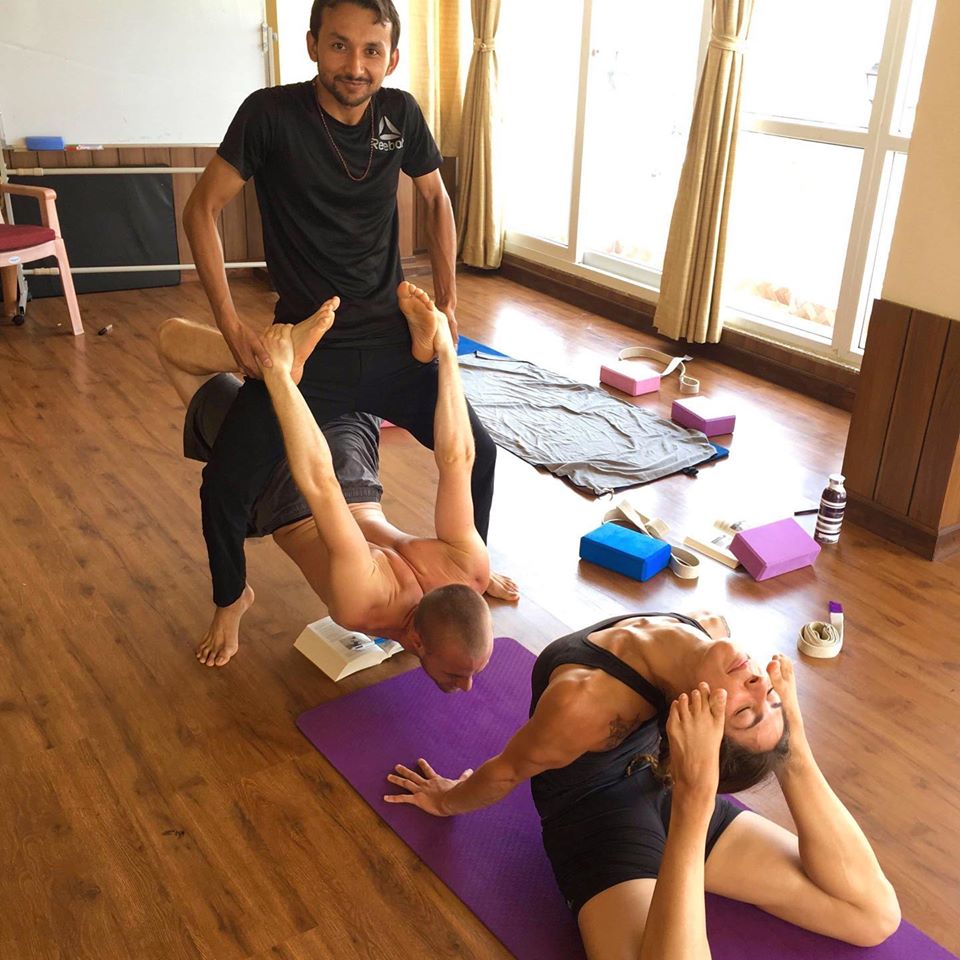
How healthy are yogic foods?
How healthy are yogic foods? A diet plays a vital role in one’s life, shaping our body significantly and affecting it profoundly. A good diet is always necessary for mental and physical health and wellness. However, it is very much required to know more about the best diet and ensure to get the best benefits.
Yogis have a lifestyle, approach, schedule, and food habits that are very different from others. It is said that eating like a yogi nourishes both the body and the mind. Unlike most people, yogis prefer organic, healthy, and simple foods. No matter who you are or what you do, even if you can’t fully adopt the yogi lifestyle, following their regular diet can still offer significant benefits.
You must know those who practice yoga, they are also very serious to follow strict eating regimen as well and stick to the same. If you don’t know how the yogi food is different from others, you must know that they love eating satvik food, which is very simple, somewhat boiled, and very nutritious. In order to know more about their food, here are some details about the same so check and check how they are different from others.
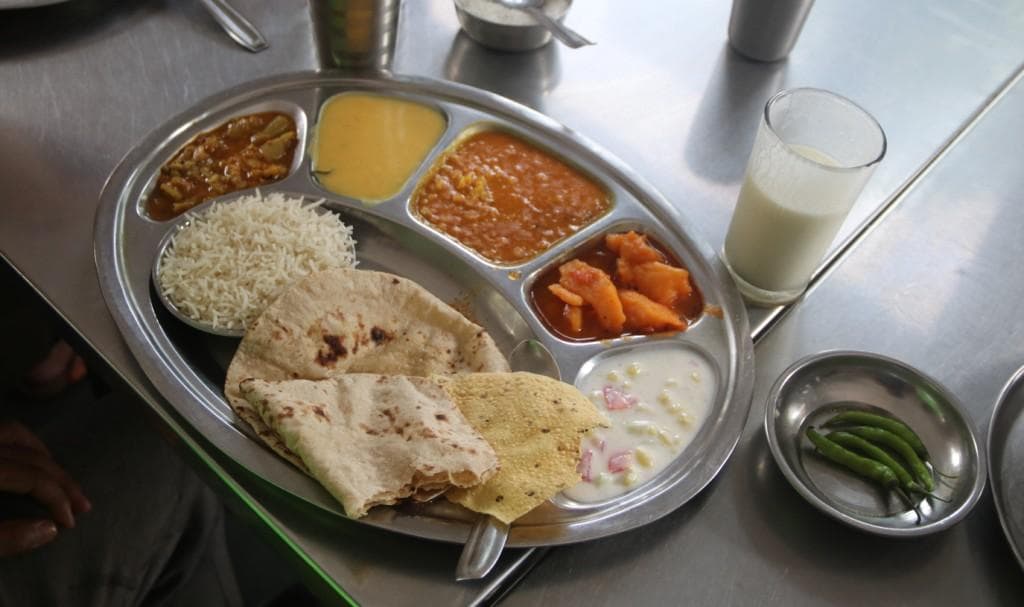
Yogis love eating organic food, and they hate killing animals. They undergo the sattva, which is the concept of ahimsa or non-harming the animals. Hence, they majorly avoid foods that involve the killing or harming of animals. Sattvic food is all about those food items that are grown harmoniously with nature and foods that are ripened and grown naturally.
For breakfast, Yogis enjoy eating sprouts, a lot of salad, coconut, bitter gourd, fruits, and sometimes porridge. They never drink coffee or tea, as they are strictly prohibited and not good for health. Instead of tea and coffee, they prefer green tea and other organic teas, or sometimes they choose not to drink anything at all.
In the lunch, they love preferring – Siridhanya or Ragi or brown rice. They don’t include white rice, Onion, Garlic, and other few or more items while preparing the food. Yogis consume sweets every day but in limited amounts. They focus on eating more fruits and drinking plenty of water. For dinner, they keep things light and simple. They often enjoy liquids like porridge with a pinch of salt or semi-solid foods.
VegetablesThey also consume fresh fruits and boiled vegetables, and the use of ghee is a must. Buttermilk is included in their daily diet. That’s why their food is very different from others. Apart from this, their food is far from the extensive use of spices, oil, and ghee. They keep things very simple to get ultimate energy, potential, and pure body.
Yogis incorporate nuts and seeds, green leafy vegetables, beans, tofu, whole grains, oats, wheat, and brown rice into their daily lives. They enjoy using sweet spices like mint, turmeric, ginger, and fennel. These foods help them stay strong and healthy. Yogis avoid meat, fish, and eggs in their diet, along with fried and junk foods and overly cooked foods. Also, any other foods that can make a person sick, unhealthy, or lazy.
If you would like to become a yogi or are looking to live a simple and healthy life, you better join the 200-Hour Yoga Teacher Training in Nepal and follow up their food patterns and choices.