
Yoga For Constipation
An irregular and insufficient bowel action. Regular, timely defecation gives a sense of lightness in the lower abdomen and a sense of satisfaction due to the emptied pelvic colon. It is the main root of many diseases. Today, it may be equated to ‘constipation’ –so rampant is the malady among city dwellers of all ages and sexes. So, Learn How you can cure or reduce the occurrence of constipation. Learn Yoga For Constipation.
Constipation Symptoms
Headache, fever, fullness or tension in the stomach and the intestines, frequently ineffectual or absence of the efforts, throbbing pain in the abdomen. Piles and varices, difficulty of breathing, disturbed sleep, loss of energy etc.
Constipation Causes
Ignoring the natural call, irregularity in taking meals, hurried eating, intake of too much food, munching irregularly too often in the day. Excessive intake of drinking water, during the meal, tea, cold drinks, etc., lack of exercise, worries, less sleep, drinking less water, fried and fatty food. Eating without hunger.
Yoga for Constipation Yogic Treatment
- Shatkarmas: Kunjal, Enema, Shankhprakshalan & Nauli Kriya
- Yogasanas: Pawanmuktasana, Paschimottanasana, Dharurasana and Sarvangasana
- Pranayamas: Agnisar Kriya for 3 minutes, Kapalbhati Suryabedi, and Sheetali Pranayama. Eat when surya swara works and drink when Chandra swara works and drink Chandra swara works. Use Ashwanimundra and Uddiyan Bandha.
- Mudras: Use Prithivi (Earth) mudra /Shankh mudra /Apaan mudra or Surabhi for 48 mts.
- Diet: Salads, popcorn, and bael leaves added to milk are a good laxative. Bael leaves added to milk and sugar can be kept in a milkshake. Drink twice or thrice a day to keep constipation at bay. Figs, strawberries, spinach, prunes, honey, and seedless raisins (munakka) are excellent purgatives.
- Take green vegetable, curd, soup,ramroti (mixed methi/bathau etc.) Some times do fast when needed.
- Use trifala churna/harar churna/ amla churna, isabgol husk with hot milk or water when needed. Don’t use these regulary. Take trifala honey.
- Avoid fried and fast food. Don’t drink water after meal.
- Eat when you feel hunger. Chew properly eat less food. Drink 8-10 glasses of water a day atleast.
Yoga For Constipation Other Treatments
- Remove all the causes of constipation.
- Take overnight water soaked 20 + 5 munakas and a fig regularly for a few days.
- Sit in Vajrasana for 10 – 15 minutes after meals.
- Do ushapaan in the early morning (the stored water in copper utensil at night)
- Soak 6-8 dates in a cup of water over night churn it in a mixer and drink first thing in the morning.
- ½ cup milk +1/2 cup water + 2 black raisin +4 dates. Boil and have last food in night before going bed.
- Pear, grapes, papaya, spinach and bael fruits are helpful also to remove the constipation.
- Take Panchaskar churna 3-5 gm with water or Abhayarist 15-30 ml+water 2 tsp or 9 Haritaki churna 5-10 gm with water.
- Eat 2 pices of cashew + taisins (blacks) without taking anything before.
- Take 1 tsp gulkand with hot milk at night before going to bed.
- Drink bael sharbat.
- Eat dalia + green vegetables or chapati of branflour.
- Take trifala and haraw powder 1 tsp with warm water, morning and evening.
Yoga Poses for Glowing skin
Health Researchers say that “You must be healthy and well from the inside to be able to look good on the outside”. Hence, Yoga has proved beneficial here too, as yoga helps in maintaining your body health and helps you to maintain your skin health as well. So, practice these asanas to make your skin clear of toxins and pollution!
Yoga Poses for Glowing skin
1. Bhujangasana (Cobra Pose)
It helps rejuvenate your skin. This opens your chest and reduces tension and fatigue. This pose will help you remove toxin by increasing your blood circulation.
2. Ushtrasana (Camel Pose)
This increases lung capacity. With gravity pull there is increase in blood circulation. As you provide brain more blood circulation, this pose will help in maintaining the hormone level of your body.

3. Matsyasana (Fish Pose)
Fish Pose tones the muscles in your face and throat, thereby giving your face and throat a great stretch. This does wonders to firm and smooth your skin. This normalizes the function of pituitary, thyroid, adrenal, and pineal glands.
4. Halasana (Plow Pose)
Halasana Plow Pose increases blood circulation throughout your body and provides vital nourishment to all your organs. If you’re having sleeping problems, then plow pose is the natural cure. It will help with insomnia and restless sleep. We all know that sleeping is the cheapest way to regain your beauty.
5. Salamba Sarvangasana (Shoulder-stand)
It helps in reversing the effects of gravity. Being upside down in the shoulder stand reverses the effects of gravity. Inversions are the best way to enhance facial radiance and plump the skin and fill in sags and bags. This pose helps increase circulation, as it sends all your blood to your brain, which brings nourishment at the deepest levels. Therefore making you look younger.
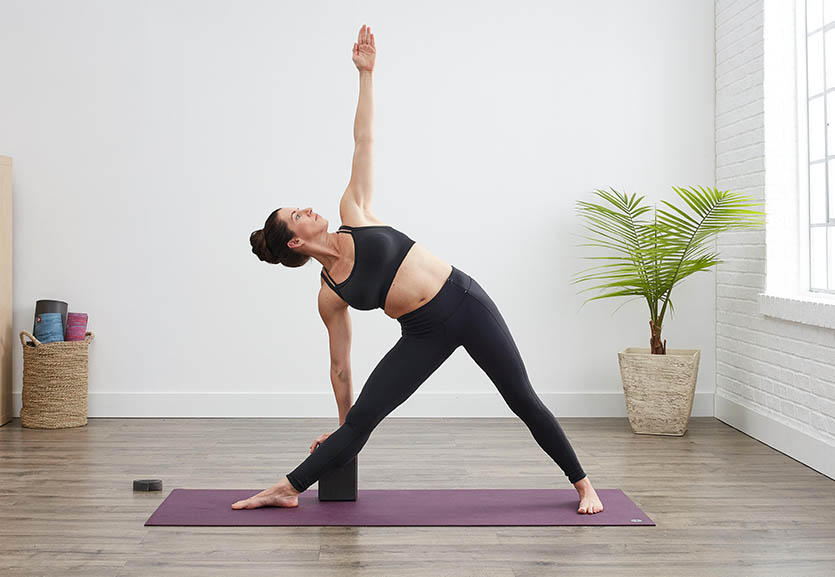
6. Trikonasana (Triangle Pose)
It opens up your chest, lungs, and heart, providing you with more oxygen, which is a wonderful way to feel refreshed and rejuvenated. The Triangle Pose increases blood flow to the head area, which helps to nourish your face and give you a radiant glow. Hence, it helps you to get a radiant glow.
7. Pawanmuktasana (Wind Relieving Pose)
It stretches and heals your lower back of body. The compression created during hugging the knee with the body has a natural positive effect in the nervous system. It helps in curing constipation. It helps in increasing your vitality, metabolism and digestion, which in terms helps you in maintaining skin health.
Yoga Poses for Glowing Skin Other Yogic Tips
1. Pranayama & Breathing
Pranayama is the formal practice of controlling the breath, which is the source of our prana, or vital life force. Prana is a Sanskrit word that means life force, and ayama means extending or stretching. Thus, the word “pranayama” translates to the control of life force. It is also referred to as the extension of breath. As every cell in our bodies needs oxygen to function properly. So it’s no surprise that research shows that a regular practice of controlled breathing can decrease the effects of stress on the body, increase the oxygen levels, and improve circulation of blood in the body. So, in turn, it very much helps in increasing the skin health of the body. Various Pranayamas that you can practice are:
- Nadhi Sodhana
- Kapalabhati Pranayama
- Ujjayi Pranayama
- Sitali Pranayama
2. Meditation
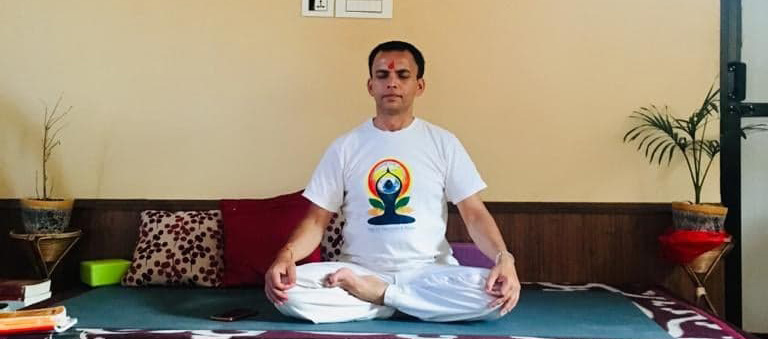
During meditation, prana helps repair your body’s tissues and cells, which gives skin a fresh, youthful glow.
Also, mindful breathing while meditating adds oxygen to the skin, which is key in boosting cellular health. This increased oxygen rejuvenates your skin, balancing your body and your mind while transforming your body’s cells and tissues.
It improves your complexion, reduces wrinkles, and slows down the aging process from the inside out.
5 Best Yoga Places in Nepal
Nepal draws its visitors for a variety of reasons. Some are lured by the call of the mountains and seek to climb or trek in the Himalayas, while others are attracted by the culture and the famous city of Kathmandu. Yet, others come hoping to find some sort of spiritual awakening. With no doubt, Nepal is the most preferred yoga destination to visit for international tourists. Also, for yogis studying and practicing the yogic asanas in the birthplace of yoga is an opportunity of a lifetime. The enchanting magic produced by the culture, history, tradition, lifestyle, and the natural resources of Nepal helps the nation become one of the best yoga destinations (Yoga Places in Nepal) in the world.
1. Kathmandu
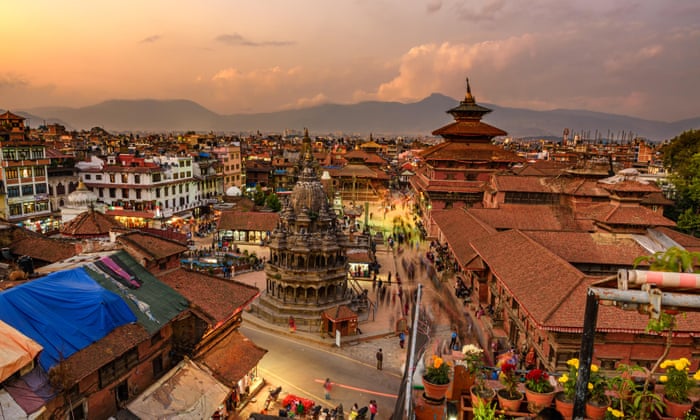
The capital city of Kathmandu in Nepal is like no other city in the world. Kathmandu is said to be the hub of spirituality.
Kathmandu Valley, a city seated in the lap of the Great Himalayas, is considered the abode of the Gods. Doused in stories of divinity and godly power, the valley maintains its spiritual status with the hundreds of thousands of temples it houses. Often called the playground of the gods, the valley’s mystical element was even featured in Marvel’s Dr. Strange.
Deeply rooted in Hinduism, Buddhism, and Tantrism, the Kathmandu valley flaunts many religious and powerful places. Also, Kathmandu valley is covered by an evergreen forest of Shivapuri Nagarjuna National Park. Hence, while you may enjoy both the natural activity as well as the city tours, you wanna to with learning the traditional yogic knowledge during your yoga teacher training in Nepal.
2. Pokhara

Situated at an altitude of 827m above sea level and 200km west of Kathmandu valley, the city is known as a center of adventure. This enchanting city has several beautiful lakes and offers stunning panoramic views of the Himalayan peaks. The serenity of lakes and the magnificence of the Himalayas rising behind them create an ambience of peace and magic.
In Pokhara, you can experience the excitement of adventure: boating, hiking, pony rides, paragliding, bungee, ziplining, or simply relaxing at one of the several lakes in the valley. Whether you are looking for a short yoga retreat, yoga treks, private classes, a teacher training course, beginner’s, intermediate, or advanced retreat, you can get all these experiences in a whole package.
3. Nagarkot
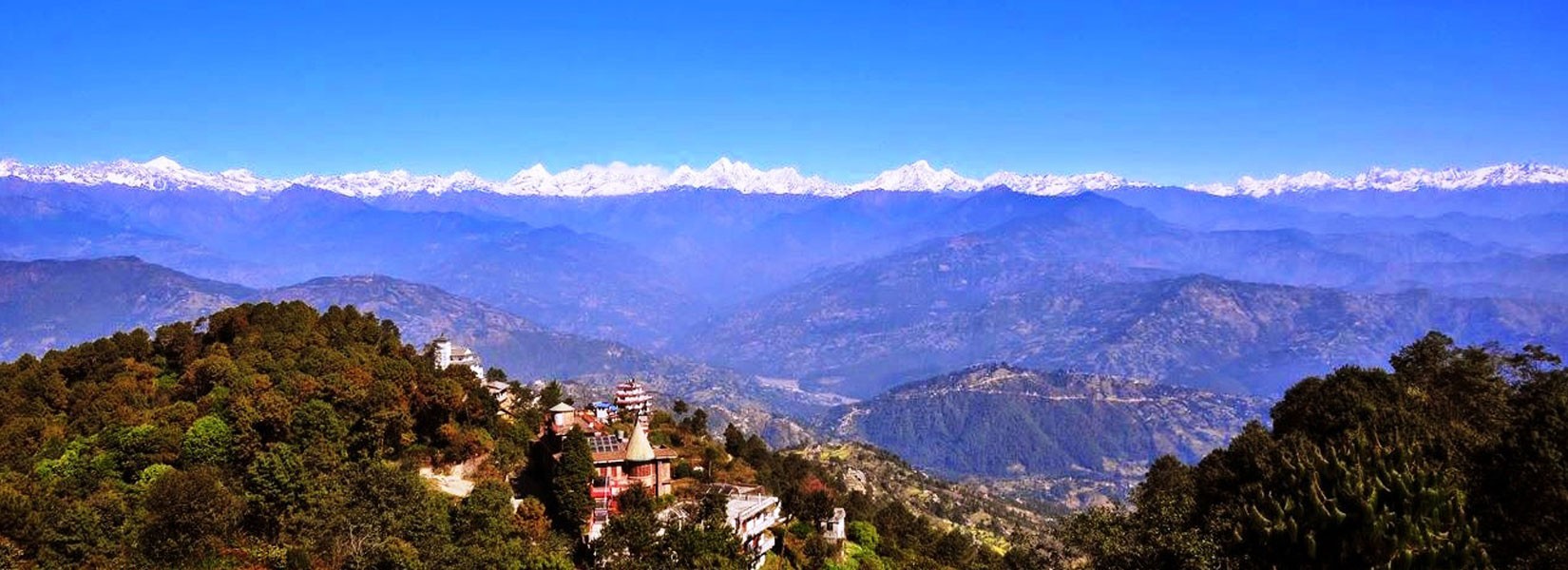
Just 32km from Kathmandu, the village is packed with hotels lining a ridge, affording one of the broadest possible views of the Himalaya, with eight ranges visible (Annapurna, Manaslu, Ganesh Himal, Langtang, Jugal, Rolwaling, Everest and Numbur).
For adventure seekers, it’s an excellent opportunity for hiking and nature walk as Nagarkot provides broadest views of eight Himalayan ranges. Nagarkot is also very popular for relaxing your mind and soul throughout the year. Nagarkot become quite popular for relaxing the mind and soul throughout the year.
4. Dhulikhel

To begin with, the snow-capped mountains with lush greenery at their footsteps seem to be beckoning the tourists to come and spend some time with them. The oldest town of Dhulikhel, which is located in the southern end, is another area here that never fails to fascinate tourists. This town area comprises old Newari houses that are adorned with stunning windows and beautifully carved doors, which bear testimony to the excellent craftsmanship of the local inhabitants of the area, who spent nights and days creating such stunning masterpieces.
Dhulikhel can be a peaceful destination where you may enjoy the knowledge of yoga with the beautiful views and nature. If you are willing to do your yoga retreat or your yoga teacher training in Nepal, then Dhulikhel can be a perfect destination as well or one of the Yoga Places in Nepal.
5. Bhaktapur
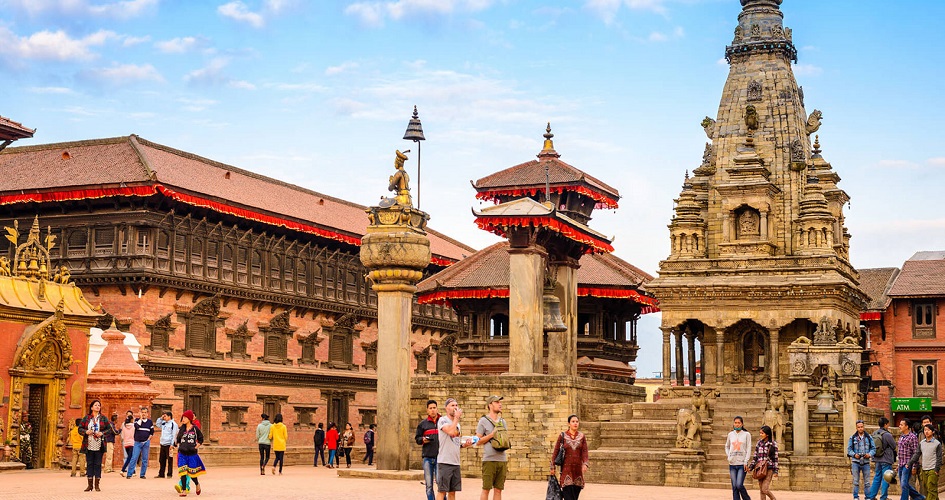
Bhaktapur is an ancient Newar city located in the eastern corner of the Kathmandu Valley, approximately 13 km (8 miles) from Kathmandu. Also known as an open museum, it is home to some of the best preserved historical monuments, including palaces, courtyards, temples, pagodas, monuments, craftwork, hand-crafted peacock windows, etc., reflecting mostly Hinduism. It has two of the seven monument zones within the Kathmandu Valley listed as a World Heritage Site by UNESCO.
Here, in Bhaktapur, you will find a lot of places to do yoga classes. Bhaktapur is more city than nature. But if you go side of Bhaktapur city. Then you may enjoy the forest and the view as well.
Why to Choose Yoga Alliance School in Nepal ?
First of All, What is Yoga Alliance? Yoga Alliance® is the largest nonprofit association representing the yoga community. Our mission is to promote and support the integrity and diversity of the teaching of yoga. We have a yoga alliance school in Nepal and we do this through:
- Celebrating the diversity of yoga styles, traditions and lineages
- Advocating for self-regulation in the yoga industry and universal access to safe yoga practices
- Upholding the worldwide growth of yoga through education and community
- Educating the public on the value and credibility of voluntary registration with Yoga Alliance
- Encouraging safe yoga instruction by promoting adoption of Yoga Alliance’s quantitative Standards
- Inspiring members to foster an informal yoga community by providing fair and full feedback to Registered Yoga Schools, which fosters accountability and continual improvement
- Advocating to protect the yoga community from unfair or unnecessarily burdensome patents, taxation, or government regulation
- Guiding yoga teachers and schools in achieving success with conscious and effective business practices
- Serving the member community by supporting scholarship programs, providing benefits, and developing strategic alliances
How Does Yoga Alliance School in Nepal Work?
Rather than offering specific training, Yoga Alliance sets and recommends educational training standards for teachers, studios, and schools to follow. These standards help ensure that students dedicate an adequate amount of study time. Essentially, Yoga Alliance operates as a voluntary registry of yoga teachers who have graduated from Yoga Alliance–certified schools and want to add further credibility to their yoga experience.
Benefits of Joining Yoga Alliance School in Nepal
- Directory Listing
Members of Yoga Alliance are given a profile that is added to the Directory page. This profile verifies your registration, increases your visibility, and also helps lead more potential clients in your direction. - Increased Credibility
The Yoga Alliance Registry Mark is a globally recognized symbol in the yoga community. Once obtained, this credential is one that most all yogis will acknowledge on your resumé or website. - Being Part of the Yoga Alliance Community
When you join, you’re not only becoming part of an association, but you’re also becoming part of an exclusive community. Here you will be able to network and connect with like-minded people who share the same passion and love for the art of yoga. - Access to Free Online Workshops
Throughout the year, online workshops are provided to help educate members on the challenges currently being faced by yoga teachers, schools, and studios. Members of Yoga Alliance receive free registration to these online study groups. - Resources
Along with publications provided on the Yoga Alliance website, they also supply resources for yoga teachers and schools to view at their convenience. Here you can find an Index of Yoga Research and read the latest issue of Yoga Insider (the Yoga Alliance’s monthly newsletter). - Membership Perks and Discounts
Members have exclusive access to liability insurance, legal counseling, and even special discounts. These discounts are offered for an array of things such as travel opportunities, well-known apparel brands, education and training, essential oils, and more.
Why Himalayan Yoga Academy for YTTC?
HYA is a Registered Yoga Alliance Yoga Teacher Training School that offers 200-hour, 300-hour, and 500-hour Yoga Alliance certification in Kathmandu, Nepal. The graduates can register with Yoga Alliance USA as RYT 200 and RYT 500 after graduation from our yoga school. To register, you need to log in to the Yoga Alliance website – www.yogaalliance.org and create your account and fill required information. After verification of your graduation certification from HYA Yoga Alliance TTC in Kathmandu, you will get registered.
Part II: Why Yoga Training in Nepal?
“Yogen chittasya padena vaachaam, malam sarirasya cha vaidyakena!
Yo’paakarottam pravaram muneenaam, patanjalim praanjaliraanato’smi!!
I salute Maharshi Patanjali, the highest among the sages, who has presented the remedies for removing the impurities of the body through his treatise on Aayurveda named Charaka Samhitaa. The impurities of speech through his treatise on Grammar named Paatanjala Mahavhaasya, and the impurities of chitta (more about mind) through his treatise on Yoga named Paatanjala Yoga Darshana. Furthermore, about Yoga Training in Nepal.
Nepal: A Unique and Pinnacle country of
- Shiva Civilization, Shiva is known by the names of Aadiguru, Aadiyogi, Aadinaatha, Yogeshwora in Himavat Kshetra (Himalayan region)
- Parvati (Wife and first Disciple of Shiva) known as Shakti (energy, will and action),
- Pashupat, as Yogashaalaaa (first School of Pashupat or Shiva Yoga, is known as Yoga Chaturtha, i.e., Hatha Yoga (Physical Balance), Mantra Yoga (Sound Energy), Laya Yoga (Rhythm), and Raja Yoga (Eternal)
- Sapta Rishis (Seven Sages), a country of sages and seers
- Maharshi Kapil in Kapildhaama
- Buddha in Lumbini
- King Janaka (Father of Goddess Sita and Yogi King as Yoga Saadhaka and convener of the First ancient Yoga workshop) in Janakapur
- Veda-vyasa In Tanahu
- the Third Pole of the world (Mount Everest in Sagaramathaa, a country of Natural and Cultural Beauty, a country of Temples, and an origin place of Yoga, whole eastern Epics and Novels
When somebody first hears these above very wonderful, interesting and secret truths were mostly hidden and shaded after the British left Bharat, they are surprised.
Now another Surprise is given here that recently one of Nepalese Sanskrit Intellect, who is a great researcher. Especially in historical, religious, spiritual, philosophical fields has given more than one hundreds facts and truths about Maharshi Patanjali, who were also born in Nepal. The birth place of Patanjali is located around 60 km West- North direction of Buddha Birth Place, Lumbini.
Another fact is that almost all Sages and Seers, Yogins and Holy persons, in the latter half of their lives, have stayed and practiced in the land of Nepal. Even wherever they were born, because of Sadhanaa Bhoomi (Land of spiritual Practice). The science behind is high altitudes, junction of Rivers like Dobhan, Triveni, Bank of Holy Rivers from the Himalayas, Land of God and Goddess, Less gravitational force for Kundalini awakening, and due to all the features mentioned above.
Karma Yoga Theory is ‘Effect and Cause’; it means if there is an effect, there is the cause. It will be the golden moments to grab the chance for yoga Teacher Training, Yoga Retreat, and even Yoga Saadhaanaa (Spiritual Practice). Get full experiences of Nepali cultures, lifestyle, traditions, Customs, in Nepal, and also be so grateful to learn this pure, sacred wisdom in such a pure and organic land.
Here in Nepal, Yoga Masters (Yoga Gurus) come from strong academic backgrounds, not just from traditional lineages. They also follow the path of spiritual Saadhana rather than approaching yoga from a strictly religious perspective. Yoga is not a religion—it is a pure spiritual science: a science of life, an art of happiness, and a science of consciousness. So, let’s walk this journey of the self together, with the broad vision of an International Commune.
Welcome to Nepal with lots of love, peace, and light.
To be continued……
Diet for Health in Yoga and Ayurveda
The word “yoga” means union. Yoga brings union or balance to the body, primarily through the asanas that we are familiar with in yoga classes. Yoga also brings balance to the mind and body. After yoga sessions, we feel more integrated, relaxed, clearer, stronger, and healthier. Learn further about Diet for Health in Yoga and Ayurveda.
Ayurveda is a wellness practice that originated in South Asia, especially the western-north part of Nepal, around 5,000 years ago. The word “Ayurveda” is a combination of two Sanskrit words that mean life (Ayur) and science (Veda), so the literal translation of Ayurveda is “the science of life.”
We know that food affects our moods and general health. Ayurveda has taught us that by balancing our diet we can maintain balance in our body, in our physical functioning. According to Ayurveda, it is essential to eat daily from all the six tastes: sweet, sour, salty, bitter, astringent and pungent. Each taste performs a unique energy efficiency upon the body that is vital for body functioning.
The main difference between the ayurvedic and yogic diets is that Ayurveda aims to restore the body in a state of health and balance, while yogic diets are aimed at facilitating higher practices of yoga assuming a base level of health has already been reached.
Eating a well-balanced diet, according to the Ayurvedic principles, naturally brings balance to the mind and body and will only make your yoga practice more effective and in tune with the goal of yoga, which is union, health, wholeness – all really one concept.
The diets here in our Himalayan Yoga Academy are highly based on Ayurvedic wellness systems that date back thousands of years. Also, Some studies shown that these types of diets highly help in improving your health.
So if you want to learn about these foodies, you may come here in our academy (school) to learn more. So learn about Diet for Health in Yoga and Ayurveda.
Benefits of Cat Cow Pose
Cat Cow pose is considered a beginner’s yoga pose. This name, Marjari and Bitila, comes from the Sanskrit script, where ‘marjari’ means ‘cat’ and ‘bitila’ means ‘cow’. The pose Marjaryasana- Bitilasana is a combination of two poses practiced together to gently warm up the spine and the abdomen for more challenging postures, or is sometimes also practiced as a simple restorative pose. There are several benefits of cat cow pose. This pose stretches the lower spine, hips, back, and core muscles. This helps to open the chest and lungs, allowing for easier breathing. During this pose, moving the spine this way creates space in between every vertebra, regenerating the bone marrow and strengthening the back muscles, and improving the flexibility of the spine.
Level: Beginner
Position: Prone
Type: Stretch, Forward-Bend, Back-Bend
Elements: Fire, water, & earth
How To Do Cat Cow Pose
First of all, Come onto your hands and knees. Check if your knees are under your hips and your wrists under your shoulders. Then, begin in a neutral spine position, with your back flat and your abs engaged.
As you inhale, let your belly soften, arch your back, and lift your head and tailbone. This part of the stretch is called Cow. With an exhale, round your spine up to the ceiling, pulling your abs toward your spine, and simultaneously tuck your tailbone and chin in. This part is known as Cat.
Breathing deeply, continue flowing back and forth from Cat to Cow. Repeat for a minute or so. This is very good fundamental practice before trekking.
Benefits of Cat Cow Pose
- Improves posture and balance
- Strengthens and stretches the spine and neck
- Stretches the hips, abdomen and back
- Increases coordination
- Massages and stimulates organs in the belly, like the kidneys and adrenal glands
- Creates emotional balance
- Relieves stress and calms the mind
Cat Cow Pose yoga sequences
- Yin Yoga
- Postnatal yoga sequences
- Kids yoga sequences
- Core yoga sequences
- Hip opening yoga sequences
Cat Cow Pose Contraindications
- People with shoulder injuries
- People with Weak or injured knees
- Pregnant women should seek guidance
Benefits of Massage Therapy
In Naturopathy, Massage Therapy is widely used for the treatment of many disorders and for maintaining good general health. For many centuries, Massage has been used as a therapy to cure different ailments. Hippocrates used to use massage therapy to treat many of his patients. While doing massage therapy on a patient, the massage helps in manipulating the soft tissues of body to restore health of a patient.
Benefits of Massage Therapy
- Massage therapy is very effective on the nervous system.
- It eliminates body waste/poison through the kidneys, bowel, skin, and lungs, and improves respiration.
- Improves blood circulation, relieving pain, and fastening metabolic rate.
- Delays the appearance of facial wrinkles.
- It eases the stiffness of the body and tones muscles.
Process of Massage Therapy Steps
- Stroking (Effleurage)
- Rubbing (Friction)
- Kneading (Petrissage)
- Percussion (Topotment)
- Shaking/trembling (Vibration)
While performing a massage, a therapist could use oil depending on the condition of the patient. Therapists usually use cottonseed oil for massage, as it is the most common choice. If someone feels uncomfortable with oil, they can use talcum powder instead. People with a lot of body hair may also prefer to avoid using oil during massage. Ideally, therapists massage the whole body for about forty-five minutes, followed by a ten-minute focus on specific areas. After finishing the massage, they wash off the oil thoroughly.
Although massage effectively helps treat several disorders, therapists must avoid using it for serious inflammatory or tubercular joint conditions. For milder cases like stiff or swollen joints, they can safely apply massage therapy. Therapists should also avoid massage in cases of gonorrhea and diphtheria, as it can spread pus throughout the body and worsen the condition.
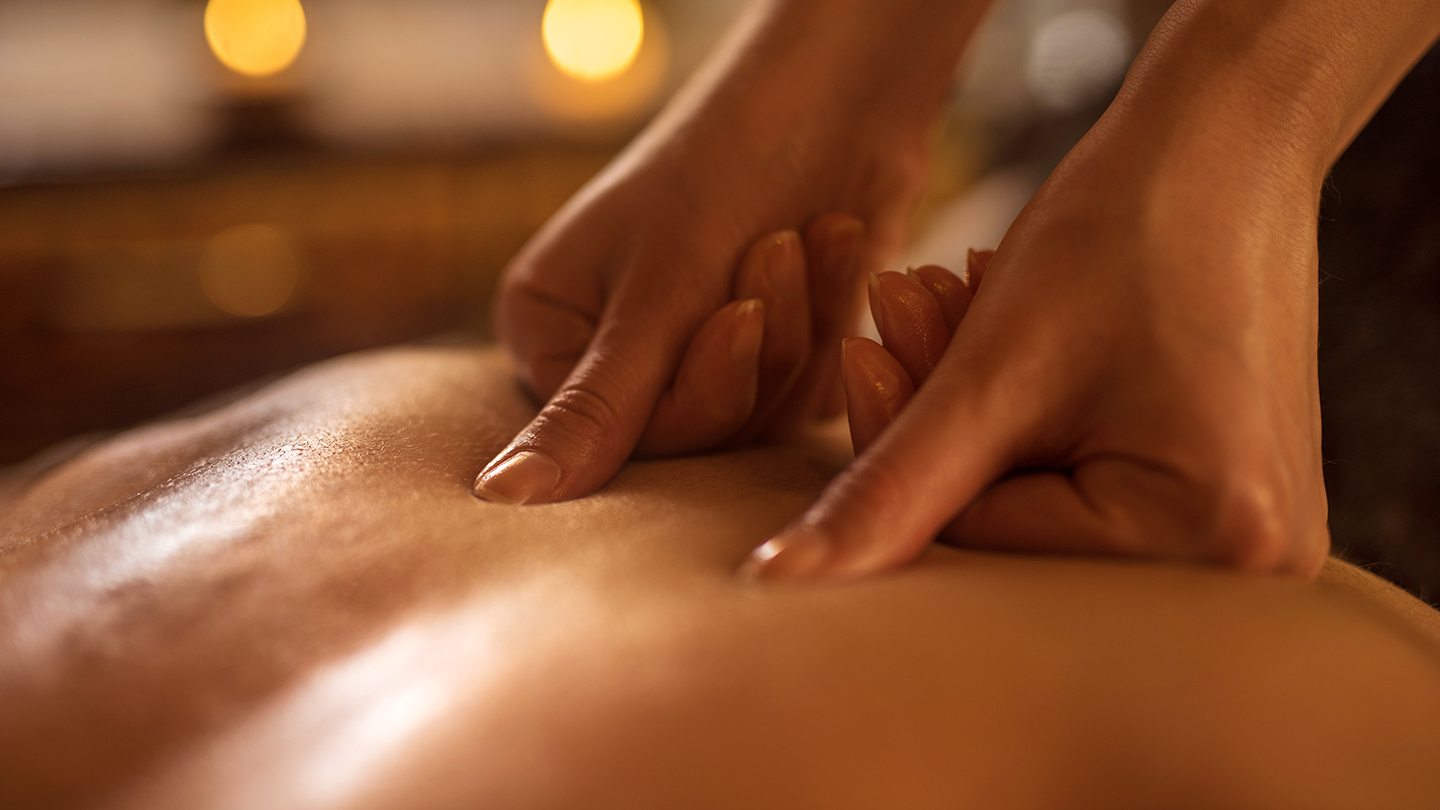
Muscular tissues hold half of the body’s weight, and muscles circulate about a quarter of the blood. When you receive a massage, your blood circulation improves, allowing muscles to regenerate and accommodate more blood. As a result, the muscles receive better nourishment and grow stronger. Various massage techniques also enhance the muscles’ contractile power. Massage therapy effectively treats many ailments, but therapists must first assess each patient’s condition before beginning treatment.
Source : http://www.naturopathycure.com/Massage-Therapy-Benefits.php
Spiritual Yoga Ashrams in Nepal for Yoga Teacher Training
Welcome to Nepal, the country of a spiritual hub for people in the world. In Nepal, Meditation retreats and yoga centers catering to foreigners have proliferated in the majority-Hindu country where Buddha was born. Nepal isn’t a normal country. It’s filled with ancient history, ruins, and a rich culture that would intrigue anyone. Here are several spiritual yoga ashrams in Nepal for Yoga Teacher Training.
Nepal consists of mysterious energy, and that energy of Nepal embodies compassion. It is healing and nurturing on all levels, mentally, emotionally & of course spiritually. Ashram in the holy land of Nepal, the birthplace of yoga, refers to being a perfect destination for your needs in holistic spirituality.
Spiritual Yoga Ashrams in Nepal
Here in our yoga ashram, we conduct the following programs.
Yoga teacher training course
So, you may come and learn the skills to teach yoga asana, gain a solid grounding in the classical yoga tradition. At the same time, deepen your spiritual connection to yoga and open yourself to profound inner transformation. In this four-week course, you will establish a firm foundation of discipline that promotes physical, mental, emotional, and spiritual growth and build a strong base from which to teach others naturally and with confidence.
Yoga Retreats Nepal
Where you will feel relief from the stresses and strains of daily life and rediscover the joy of living in the idyllic setting of a traditional Nepali Ashram. We will make sure you receive spirituality during your stay here with us, our yoga family. So, whether you are a beginner or a seasoned practitioner, increase your vitality and positivity with daily yoga practice, healthy vegetarian meals, silent meditation sessions, inspirational teachings, and devotional practices.
We are humbled to invite and to learn from the traditional monks/teachers from various spiritual traditions within India, including Buddhism, Sufism, and Christian Mysticism. We show our respect and take inspiration from the ancient yogis of Nepal to all modern spiritual mystics. Nevertheless, the main purpose of the ashram is to create a suitable environment to practice spiritual sadhana, irrespective of the personal beliefs students may follow.
How to Use Mud Therapy
Mud Therapy is the use of natural clay from the earth for therapeutic purposes. Most are familiar with Pelotherapy in the form of a facial “mud” mask, but the applications include any form of external poultice. Clay has a long, worldwide history of outstanding, health-promoting effects and has been used extensively by many cultures for thousands of years. Generally speaking, when activated with moisture, clay has a unique drawing capacity that provides its detoxifying benefits. Below, you will learn How to Use Mud Therapy.
Guides on How to Use Mud Therapy
Mud therapy (How to Use Mud Therapy) could be used in two forms:
1. Mud Packs: This involves frequent application of packs of mud. It helps in improving skin complexion and acts on skin spots and patches to reduce them.
2. Mud Baths: This involves application of a special kind of mud rich in natural salts and mineral over the entire body (except the head). Mud baths are useful in many skin diseases such as Psoriasis, Urticaria, leukoderma.
Mudpack Applications in the Body Parts
Mud packs are typically used for local application. The construct and usage of a mudpack is similar for all applications, on the thickness and size vary as per the usage. To make a mud pack first, soak the mud in water for 30 minutes. Now, take a thin wet muslin cloth and apply mud evenly on the muslin cloth to form a uniform thin layer of half to one inch in thickness. Fold all the sides to make it a compact pack.
Mudpack for Eyes
Mud soaked in water is spread to make a half-inch-thick layer. The pack is typically 9 in X 6 in, enough to cover eyes completely. it is placed on the eyes for 20 to 30 minutes. An eye mud pack helps in relaxing the eyes, especially good for those who have to sit in front of a computer for long hours.
Therapeutically, it reduces irritation, itching, or other allergic conditions such as conjunctivitis and hemorrhage of the eyeball. It also helps in correcting refractive errors like short/long long-sightedness. It is effective in Glaucoma, where it works to reduce the eyeball tension.
Mudpack for Head
A head mud pack is normally a thick, narrow band. It is applied over the forehead and helps to heal congestive headaches and relieves pain immediately.
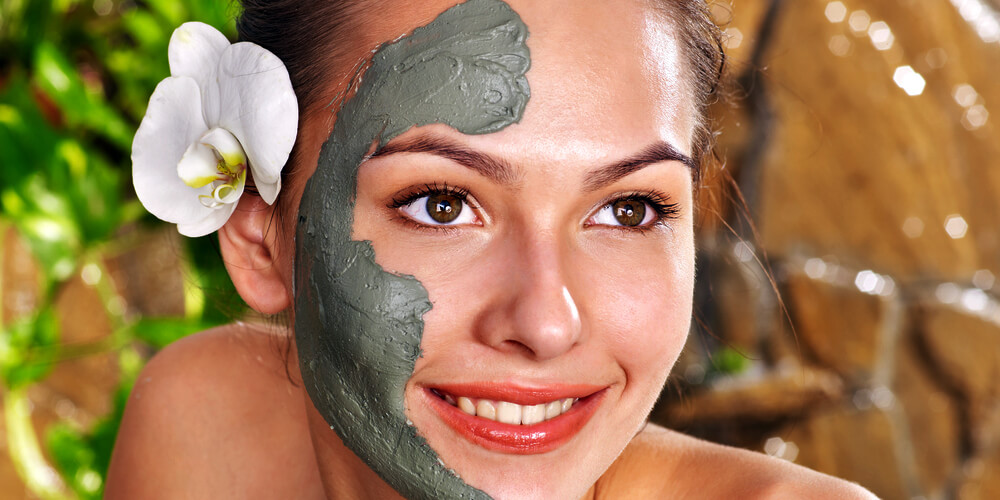
Fine mud is used for face and a smooth paste is first made using cold water. Apply this paste evenly on the face and leave if to dry for 30 minutes. After 30 minutes one must thoroughly wash the face with cold water. It helps in improving the complexion of the skin. In cases of acne it helps by absorbing excess oils and toxins from the skin. It also helps in reducing dark circles around the eyes.
Mudpack for Abdomen
For adults, prepare the abdominal mud pack in the size of 10 in × 6 in × 1 in. Apply the mud pack for 20 to 30 minutes. If the weather is cold, cover both the body and the mud pack with a blanket. An abdominal mud pack helps relieve all kinds of indigestion. It effectively reduces intestinal heat and stimulates peristalsis.
Mudbath: How to Use Mud Therapy
First, soak the mud in water to prepare it. Then apply the mud to the full body, either in a sitting or lying down position. Keep the mud on for 45 to 60 minutes and ideally expose the body to sunlight, at least intermittently. Always cover the head when exposing the body to sunlight. After the application, wash the person thoroughly with cold to lukewarm water. Dry the person quickly and transfer them to a warm bed.
A mud bath increases blood circulation and energizes the skin tissues. It helps cleanse the skin and generally improves its condition. Regular mud baths serve as a natural beauty treatment, as they help improve skin complexion and reduce spots and patches, possibly caused by skin disorders like chickenpox or smallpox.
Use mud baths to treat many skin diseases such as Psoriasis, Urticaria, leukoderma, leprosy, and other allergic skin conditions. Despite the therapeutic benefits of mud for maintaining good health and glowing skin, overusing mud masks may cause excessive dryness. To prevent this, keep the mud pack moistened to avoid dryness and stretching. Also, choose high-quality mud carefully to achieve the desired results and avoid complications.