
THIS BREATHING TECHNIQUE PROMISES A BETTER NIGHT’S SLEEP
From teas and essential oils to blue-light bans, countless insomnia cures promise a better night’s sleep. But if you’re still lying awake counting sheep, a new Japanese breathing technique called “moon breathing” may be the answer – and all it requires is closing one nostril and breathing through the other.
To moon breathe, also known as Chandra Bhedana in Sanskrit, all you need to do is lie down and use your right thumb to gently close your right nostril. You then breathe in and out through just your left nostril.
The technique, promises to help you achieve a good night’s sleep by calming your mind enough to drift off. Publishing consultant Sarah Harvey recently described it in her book Kaizen: The Japanese Method for Transforming Habits, One Small Step at a Time.
“For the times when you can’t sleep, I am going to share with you a short breathing exercise that I find helps me when it is 3am and my mind is racing with nonsense thoughts,” Harvey writes.
Moon breathing is a popular relaxation method among yogis, who believe that it improves the sleep cycle.
If that doesn’t work, Harvey also recommends trying out the same technique, but alternating nostrils.
“This is called Nadi Shodhana or alternate nostril breathing and is a really simple way to quickly quiet the mind and settle your emotions, so is a useful exercise to have up your sleeve during moments of anxiety or stress,” she explains. “It really helps to focus the mind and press the reset button on your nervous system.”
According to researchers, breath-focused practices, which have long been used by yogis and Buddhists, have known cognitive benefits, including increased ability to focus, decreased mind wandering, and more positive emotions, among others.
Recently, researchers at Trinity College in Dublin also found a neurophysiological link between breathing techniques and attention showing for the first time that “breathing directly affects the levels of a natural chemical messenger in the brain called noradrenaline, which is released when we are challenged, curious, exercised, focused or emotionally aroused”.
Bad sleep increases emotional stress levels, so if you’re tired of struggling to fall asleep, it’s worth trying moon breathing.
Reference Source: Sleep-Moon Technique
Power of Tea
Real tea is derived from a particular plant (Camellia sinensis) and includes only four varieties: green, black, white, and oolong. Anything else is an infusion of a different plant and isn’t technically tea. It plays an integral role in traditional medicine and people in many Asian countries revere it as a cure-all. The Chinese and Japanese have used it for centuries to improve health. Western medicine also promotes it as a treatment for cold and flu symptoms.
Here’s given some studies result have found about the potential health benefits :
- Green tea: Made with steamed leaves, it has a high concentration of EGCG and has been widely studied. Its antioxidants may interfere with the growth of bladder, breast, lung, stomach, pancreatic, and colorectal cancers; prevent clogging of the arteries, burn fat, counteract oxidative stress on the brain, reduce risk of neurological disorders like Alzheimer’s and Parkinson’s diseases, reduce risk of stroke, and improve cholesterol levels.
- Black tea: Made with fermented leaves. Black tea contains the highest caffeine content and serves as the base for flavored teas like chai, as well as some instant teas. Studies show that black tea may help protect the lungs from damage caused by cigarette smoke. It also may reduce the risk of stroke.
- White tea: Uncured and unfermented. A study showed that white tea has the most potent anticancer properties compared to more processed teas.
- Oolong tea: In an animal study, those given antioxidants from oolong tea were found to have lower bad cholesterol levels. One variety of oolong, Wuyi, is heavily marketed as a weight loss supplement, but science hasn’t backed the claims.
- Pu-erh tea: Made from fermented and aged leaves. Considered a black tea, pu-erh leaves are pressed into cakes. An animal study showed that animals given pu-erh gained less weight and had reduced LDL cholesterol.
Health Benefits of Tea
1. Protects Heart Health
It could help reduce the risk of a heart attack. it might also help protect against cardiovascular and degenerative diseases.
2. Boosts Energy
It contains a small amount of caffeine that can help increase energy. The low caffeine amounts make green tea a good choice for people who are looking to cut back on their caffeine intake.
3. Supports Mental Health
Studies link its consumption to a lower risk of neurological disease and reduced stress levels. Green tea consumption has also shown promise in preventing cognitive decline associated with brain diseases such as Parkinson’s disease and Alzheimer’s. Tea offers natural calming effects that can reduce stress and help you unwind after a tough day.
4. May Regulate Blood Sugar
Drinking it may help regulate blood sugar levels and prevent or control diseases such as type 2 diabetes. Studies show that it reduces blood sugar levels after eating a meal.
5. Aids Digestion
It helps streamline digestion and can treat a host of issues ranging from nausea and upset stomach to diarrhea. People in China and India have long used ginger as an herbal tea to treat upset stomachs.
Drink to Your Health
The potential health benefits of tea go far beyond simply improving immune system health. Drink it daily to prevent the onset of neurological decline and help protect heart health.
Whether you prefer drinking green, you’re sure to find a tea flavor you love. Explore the varied earthy and vegetal flavors of the true teas or mix it up with the floral, citrus, spicy, and fruity tastes of herbal teas. As long as you’re drinking it. You’re sure to reap the health benefits of this delightful elixir.
Tratak
Tratak is a Sanskrit word meaning ‘to see or gaze’. This meditation technique involves starting at a single point of focus. This is typically the flame of a candle, but other objects that may be used include a dot on the wall, an object of worship, a deity, a flower, a mountain, a rising sun, or a moon. However, a flame is believed to work best. In ancient Hindu tradition, Ghandhari is believed to have mastered track. In recent eras, Ramana Maharshi has practiced it.
Method of Tratak Kriya
After three months of consistent tratak meditation, the seeker begins to notice its effects. In this sadhana, in addition to the worshiper’s reverence and patience, his purity is also required. To enlarge and purify the body, practicing tratak requires adhering to the rules for a few days. You can do this reflection by taking a gander at any rising sun, light, light, instrument, wall point on the paper, and so on.
- Take these precautions when practicing tratak sadhana. During this practice, you should be surrounded by peace. The ideal time for this practice is between three and five in the morning or Brahma Muhurta. You should complete this achievement at night or in a dimly lit area. Dedicate 30 minutes each day at a specific time. Choose a location that remains relatively isolated, and ensure there are no distractions during meditation. Sit on a pedestal and dress physically and cleanly. This: First, sit in a meditation position with your back, neck, and head straight in a dark room and close your eyes.
- The focus point should be at a height that is parallel to the eyes. In an earthen lamp, you can get light energy from a flame that has been lit with ghee.
- At a height that is parallel to the eyes and approximately one and a half yards or two and a half feet away from the eyes, a burning candle or an earthen lamp should be placed.
- Now that you have opened your eyes, you keep watching the earthen lamp’s flame until your eyes get tired or you cry. Relax now by closing your eyes.
- Rehash this activity 3 or multiple times until the individual is accustomed to seeing for 10 or 15 minutes without squinting an eyelid.
- Keep in mind that you should not blink when you see Jyoti.
Benefits of Tratak:
- Strengthens eye muscles
- Purifies the eyes
- Treats eye disorders
- Relieves insomnia
- Aids in treating depression
- Improves concentration
- Calms the mind
- Promotes emotional stability
- Boosts willpower
- Develops intuition and clairvoyance
People having weak eyesight and who wear eyeglasses can gaze at the dot of the wall for fifteen days or a month by which eyes vision can be restored to a better level. Even double vision due to detachment of the retina can be healed to much extent by the proper practice of the track in the flame of the lamp.
What about contradictions?
Use common sense as usual. Practice with caution if you have an eye condition that makes gazing painful. Be cautious when in doubt until you gain confidence. In the event of undesirable outcomes, modify the procedure.
On the off chance that you have epilepsy, you ought to rehearse on a dab rather than a candle. The equivalent in the event that you are oversensitive to light.
How frequently could you at any point practice track?
You can practice tratak every day or only on occasion. For genuine reliable advantages, normal practice is ideal.
Get Rid of Stress in 30 Min
In the book, ‘Hathayoga Pradipika’, written by Swami Svatmarama in his Chapter II describes-
Cale vaate calam cittam niscale niscalam bhavet
Yogi sthanutvamapnoti tato vayum nirodhayet
In this verse, Shloka narrates the significance of one of the subtle aspects of the human body, the breath (even a subtle being is prana). The meaning of the shloka says- “So long as breathing goes on the mind remains unsteady; when (it) stops, (the mind) becomes still and the Yogi attains complete motionlessness. Hence, one should restrain one’s breath.” Ancient yogis had long ago discovered the power of breath control and its relation to the human mind. They have attributed the cause of the disease to disproportionate/uneven breath. Therefore, arresting (read slowing down) the medium of the vital force is one of the foremost steps to start treating a disease- SBT is a mix of different ways of breathing and chanting, and brings substantial relief to patients in a matter of 30 minutes!
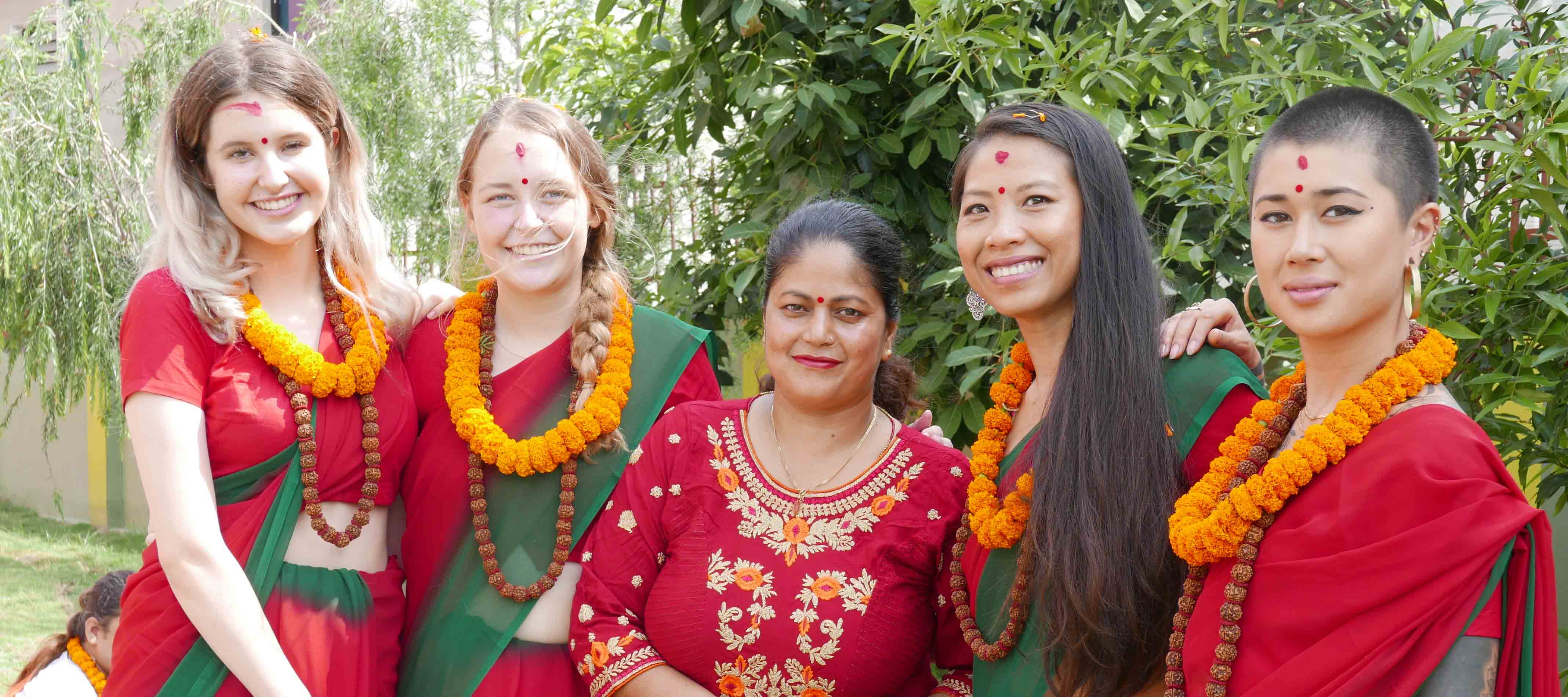
Dr. Sharad Bhalekar, Resident Medical Officer (RMO), Health Centre, Kdham, reveals patients who choose integrated holistic therapy at packages at Kdham are often distressed lot. “And SBTs are an instantaneous remedy to cool down the Parasympathetic nervous system,” he explains. Research, he says, shows that the practice of SBT significantly lowers blood pressure in patients with hypertension, and soothes stress hormones such as adrenalin and cortisol. In patients with insomnia, SBT helps maintain serotonin and melatonin levels. “If practiced regularly, patients can wean off their sleep-inducing medication, claims Dr. Bhalekar.
Here’s The SBT
The SBT is a notch down from the advanced practice of Pranayama, as the former does not involve retention of breath or kumbhaka. Hence, it is one of the safest practices and even applicable to heart patients. “The primary aim of SBTs is relaxation. And relaxation is one of the vital aspects of Yoga Therapy,” narrates Dr Bhalekar.
The SBT comprises of:
1. AUM chanting
2. Bhramari Pranayama
3. Slow and deep inhalation and exhalation
4. Simple Anulom Vilom
Of course, all the above techniques, which are a boon for patients with psychosomatic disorders, have their time and method to perform in a manner prescribed by the yogic texts. In some patients, SBT needs customization.
Reference Source: eliminate-stress-30-minutes
Why Become a Yoga Teacher? Learn Here!!!
In this world in every place, there is a very big role of a teacher. The teacher always guides the people in the right way and shares his/her knowledge about the thing. Also learning yoga is a huge deal. Yoga Teacher also helps students and all people maintain their healthy lives. Yoga Teachers play a great role in providing a path to people. Learn Why become a Yoga Teacher.
If you are looking to know how to become a Yoga teacher, move to Nepal and spend some time learning Yoga in a Yoga Academy. Here you will find what inspires people to take this amazing journey of teaching Yoga. Let’s have a look at some of the amazing reasons for becoming a Yoga teacher.
1. Explore Yoga in a different way
Yoga is a diverse and vast philosophy. One can take multiple roads leading to the epitome of Yoga to become a proficient yogi. Teaching the philosophy of Yoga is a beautiful way to learn this science to its deepest layers. When you are preaching to someone to learn a particular asana, your knowledge also gets enhanced. In addition, you need to study hard to teach the students. The theory of preaching only after you practice needs to be followed with utmost significance. All these contribute to boosting one’s knowledge. Teaching others acts as a motivating factor for a teacher to explore the beauty of Yoga awesomely.
2. Help others achieve their goals
Many people feel good when they see others happy. After all, this is what Yoga teaches one- to make a harmonious world. Helping others attain their objectives in life is one of the finest forms of philanthropy. Teaching Yoga can be the reason to engage in some constructive work. Several people join Yoga teacher training so that they would be able to guide people with similar goals that they are chasing today. It feels awesome to see someone reaching the top of success after being guided by you. This kind of thought inspires people to take up the role of a Yoga teacher in the theatre of life.
3. Stay connected with the ancient science
A true yogi just wants to live Yoga. The most important goal of an avid Yoga lover is to stay in touch with the elements of Yoga all the time. There can hardly be a better way to embrace the fascinating beauty of Yoga than by teaching it. In the company of students, one not only practices Yoga daily, but also enjoys every bit of the yogic journey. In the life of a Yoga teacher, ancient science revolves like a soothing companion. Even after the classes, one prepares for the next day. According to many studies and surveys, approximately one-third of aspiring yogis want to become Yoga teachers because they want Yoga in their lives every moment.
4. Meet new people
One of the most amazing things Yoga does is connect the population. People become Yoga teachers because they love yoga as well as interacting with different individuals. Many of them enjoy the company of Yoga aficionados from various parts of the world. Even if you are teaching a local group of Yoga lovers, it becomes a time to know various minds. Since the process of becoming a Yoga trainer starts with Yoga teacher training, an aspiring teacher gets an ample amount of time to meet with multiple people. It helps in understanding the world better.
5. Love challenges
Those, who love challenges, can do anything, so why would they choose the path of Yoga? Similar questions might have surfaced in your mind. The fact that the word ‘Yoga’ itself denotes challenges makes it even more interesting for people to go this way. Yoga is a journey, which makes one eligible to sustain in the scarcest of circumstances. You are prone to injuries while practicing Yoga. Imagine one teaching science with immense dedication. It’s a different kind of challenge that is adorned with beauty, knowledge, and fascination. Most yogis take this way to experience all those things that they cannot relish in normal life.
6. Earn a livelihood
At the end of the day, you need some money to survive in this highly finance-oriented world. This is again a beautiful reason to teach yogic science. Along with living a peaceful life in the company of spirituality, making money is a blissful bonus. Earning money as a Yoga teacher is quite different from doing so by other strenuous means. While enjoying the delight of Yoga, one lives a healthy life. This attracts individuals enormously. After getting certified as Yoga teachers, many start their Yoga studios and earn a good amount of money. They can also join as a teacher in many established Yoga schools.
Sound Healing Mysteries: How It Heals You
Overview: Sound Healing Mysteries
A 2006 study done by the Journal of Advanced Nursing supplied evidence that those who listen to music feel less pain and are generally happier and less inclined to stress and anxiety than those who don’t. Music is therefore not only a tranquilizer of sorts that soothes our emotions, but it is also a painkiller.
The simplest way that sound can heal is in the sense that, as mentioned, it makes us happy and can alter our mood. Both when listening to upbeat or cheery music, or when listening to deep, melancholy songs, our emotions flare and we can better process our feelings. The only difference is that typically, we only care to listen to sad songs when we are feeling sad because (and here is the mystery) we know it makes us feel better.
Since sounds come at different frequencies and we too emit our own waves, healing with sound happens by matching frequencies of different sounds to those that are necessary and conducive to healing and relaxation in the patient.
A study in the 1970s proposed that when one tone is played to one ear, and a different tone is played to the other, the two hemispheres of the brain connect and create a third (internal) tone called a binaural beat. This synchronization of the brain provides clarity, calmness, and faster communication between the mind and the body. It is also evidence that our brains and bodies indeed respond to sound in such a way that we create our intrinsic music to adapt to it.
This is largely the basis of sound healing, if not a little less refined. We can use certain tones or sounds aimed directly at certain parts of our bodies or brains, and we respond to them by adjusting our frequencies to suit them.
Therefore, if you are in pain, let’s say you have a headache, a sound can be played to you that will interfere with your brain waves to cancel out the ones that say you are in pain.
Or, if it is your mood… perhaps you are grumpy, playing a relaxing song might lift your spirits and make you forget that you are aggravated.
Sounds and songs also create memories in us, and this can be used to help patients who are traumatized or depressed.
There are several methods for achieving sound healing therapy and several instruments and tools that can be used to help the patient through it. However, at its foundation, it is based on the premise of entrainment.
Entrainment is a method of synchronizing our brainwaves, which fluctuate, by producing a stable, solid frequency that our brains adjust to and then match.
Healing with sound can improve or cure many ailments including, but not limited to:
Psychological/Psychiatric and behavioral disorders including autism, depression, learning disabilities, and developmental troubles Anxiety disorder Stress PTSD Pain Mood swings, or negative emotions, such as sadness, aggravation, anger, self-pity, and heartbreak.
Reference Source
Why do Yoga Teacher Training in Autumn and Spring?
Overview: Yoga Teacher Training in Autumn and Spring
If are willing to do your yoga teacher training in Nepal, you are very smart to choose Nepal, but you will be more smart if you choose the right month like October/ April. Autumn & Spring are the most popular months for visitors traveling to Nepal. Trekking conditions are glorious, the sky blue skies offer breathtaking mountain views, and cultural festivals offer many opportunities to celebrate. Rates and crowds are at their peak, but for good reason—read on to discover why you should get in on the action in Nepal in October. Why do Yoga Teacher Training in Autumn and Spring in Nepal? The reasons are given below.
1. Weather
Nepal is a geographically diverse nation So, the climatic variations is widely found if you move around Nepal. But In October, the climate greatly supports your studies. Temperatures in Kathmandu and Pokhara sit comfortably in the high 70s and low 80s Fahrenheit, while the Terai remains several degrees hotter. The weather in the mountains is cool and clear. It might rain a little in early October, but generally not very much, and usually earlier in the month.
2. Festivals Events
If you are a culture lover, then you will greatly love this month as you will enjoy beautiful Nepali Festivals. Traditional Nepali festivals (whether Hindu or Buddhist) usually follow a lunar calendar. This means that some festivals that fall in October one year may be in September or November the next. Some festivals that usually occur in October are:
Dashain is the most important festival for Nepali Hindus and usually falls in October (although it does occasionally start at the end of September). It runs for 15 days and is a major holiday across Nepal.
Tihar, the festival of lights also called Deepawali in the Terai, is the second most important celebration for Nepali Hindus. It follows Dashain by a few weeks, sometimes falling in October.
3. The Environment:
October is the best month in the mountains of Nepal, as the weather is ideal, visibility is good, and trails are in peak condition. If you want to greatly enjoy nature and surroundings, then October is a top choice for you. There will be greenery with the perfect moments of flowering different plants around the whole nation.
Choosing a Perfect Yoga Teacher Training Nepal
Without a doubt, Nepal can be considered one of the best places for doing yoga teacher training and retreats in the whole world. As the country of the Himalayas, Nepal is a homeland of yoga, a place where people seek the highest level of yoga. All various factor helps Nepal in being an astonishing country for yoga tourism. There are several places for choosing a Perfect Yoga Teacher Training Nepal
So Now we will discuss a few things that people are looking for while selecting a perfect Yoga Teacher Training in Nepal.
1. Get Ready for New Experience
Without a doubt, for all Western or North Asian people, Nepal could be shocking in terms of livelihood and many other things. So he/she should be ready with a plan by making a list of places you wish to visit. And more importantly, you should get at having a little knowledge of Yoga and its history so that you don’t feel like an out-of-world creature in the classes.
2. Select your best location
For yoga training to be successful, you must enjoy the ambiance around you. If you are not comfortable with the location and its environment, you won’t be benefitted from the yoga training. So you may choose the perfect location based on your wants and requests. For example, if you want a cultural hub yoga place, Kathmandu will be best. But if you want a natural hub, the Pokhara will be best. So each place consists of some importance So you should choose a place in your favor.
3. Opt for your preferred subject of training
Yoga is not just a science but a collection of different subjects. While the general Yoga TTC covers all the major yogic subjects, you can choose a program that offers your choice of Yoga form. Suppose you want to be a Hatha Yoga teacher then, opt for a school offering the same. This is why a student is suggested to look for a program that is concentrated on a particular subject. Multiple Yoga schools organize regular Yoga programs on selected matters. Tantra Yoga Teacher Training, Ashtanga Yoga training, Adjustment and Alignment training, etc. are some of the programs you might be interested in. You will find all sorts of training events in various cities in Nepal.
4. Consider the teacher’s experience
Where there is education there is a teacher. If you are looking to get the most fascinating experience of learning the purest form of Yoga, you are advised to be in the shadow of time-served teachers. More than the school, it is the Yoga master who matters. Being the birthland of Gautama Buddha, Nepal enjoys the presence of thousands of devoted and learned Yoga teachers, who have spent years in the lap of the Himalayas. A master who has been teaching spiritual philosophy for a couple of years is great for you. You’ll learn a wider aspect of Yoga in his/her vicinity. As there are Teachers are undoubtedly the most important part of a teaching program.
5. Consider the Yoga school’s stature
How popular the Yoga school is, what about its affiliation, and what’s the history of the Yoga center- these are a few questions that you should have answers to. You should know everything about the Yoga schools you are considering. It is recommended that you make a list of all major Yoga schools in the city of your preference. Take help from the internet or your friends who have been to Nepal for this. Explore the websites of all these Yoga organizations. Search if they are teamed up with Yoga Alliance (or a global certification agency) or not. Yoga Alliance is the world’s most prestigious Yoga certification platform.
A school’s stature can be defined by the number of years it has been in the field of Yoga education. If the Yoga House has been organizing Yoga TTC for more than a year, you can trust its authenticity. It’s also very important to ask them about their curriculum. Compare the curriculum of various schools and go for the one that resonates with your choice of study. You can also go through the feedback section to get a closer outlook on previous students’ experiences at the schools. All these give you a clear picture of which Yoga Teacher Training Nepal you should attend.
Styles of Yoga & Benefits for the Body
There are so many different types of yoga out there, whether you want a more physically demanding class or an easy, relaxing, meditative class. With each style a bit different from the others, you’ll find variations depending on the teacher. Learn below Styles of Yoga
Read on to explore some of the most popular types of yoga, and discover which one might be the best fit for you.
1. Hatha Yoga – Induction into The Basics
Hatha Yoga is actually an overarching category to which all other subgroups belong. Theoretically, Hatha means forcefulness or will by which your body movements shall be governed in this asana format.
A typical Hatha class introduces you to the basic asanas, divided into beginner, intermediate, and advanced sequences. The practice sets a slow pace, and the instructor thoroughly weaves breathwork into it. The slow, contemplative, and relaxing mood of Hatha Yoga works for unwinding after a long and hard day, getting prepped for more intensive exercise routines, a great unwind, and a mind-centering practice.
2. .Vinyasa Yoga – A Moving Meditation
Vinyasa yoga is popular and is taught at most studios and gyms. “Vinyasa” means linking breath with movement. The postures are usually done in a flowing sequence, or “vinyasa flow.” You can memorize the fluid movements and perform them as a moving meditation, almost like a dance.
The popularity of this style of yoga comes from the sensual movements, and pleasant music, usually (but not always) practiced in a dark room, or sometimes by candlelight and with the eyes closed.
3. Bikram Yoga– Sauna and Detox With Asanas
The class consists of the same twenty-six yoga postures and two breathing exercises. You practice it for ninety minutes in a room heated to 105 degrees Fahrenheit with 40% humidity. The room is bright and the student’s face mirrors to check proper posture and alignment. There is no music during class.
It makes you sweat profusely leading to a thorough detox, weight loss, regulated metabolism, and improved circulation. Don’t forget to carry water and stay wary of low salt levels.
4. Kundalini Yoga– Uncoiling Your Dormant Potentials
Kundalini is a very meditative form and relies on the notion of Chakras or focal points of energies at different rungs of the body. Chanting, meditation, mudras, and breathing are the main tools of Kundalini. Kundalini yoga helps you awaken to your highest potential, enabling subtle sensations, cleansing the physical body, and reaching into the subconscious mind.
5. Yin Yoga– Cultivating Patience, Relaxation, and Peace
Yin Yoga, rooted in Taoist teachings, enhances patience, peace, and restfulness in the practitioner. The postures last for several minutes, stretching the connective tissues, increasing their elasticity, and activating the body’s life energy.
Now that you have some insight into types of yoga and their benefits, choose the one that works best for your temperament.
Wanna Join a Singing Bowl (Dwani Paatro) Advance Course | Special Offer |
Training: Singing Bowl Advance Course
Singing Bowl Advance Course Main Highlights
The singing bowl is a musical instrument that is used for healing, relaxation, and meditation purposes originated in Nepal as a utensil used for domestic purposes, and later on, it became popular in Tibet and India as well. We make this course, especially for healing, meditation purposes, and the path of the spiritual journey. You will be able to teach the introductory and professional courses as well.
What are Nepalese Singing Bowls used for? Why Singing Bowl Advance Course
Used within meditations and physical healing the bowls’ characteristic blend of harmonic resonances is used as a vibration tool to induce stress reduction, chakra balancing energy synchronization, and spontaneous healing. They effectively alter consciousness into a peaceful and expansive meditative state. Participants report a fundamental shift in their view of phenomenon space, accentuated clarity of mind and body, enhanced creativity, and a sense of peace and well-being.
Included
- Accommodation; Attached Bathroom with Hot & Cold shower
- Towel and slippers
- 3 vegetarian or Vegan meals daily (Cultural Food on Festivals & Rituals)
- Daily herbal tea as mentioned above
- 2 Yoga sessions per day including a yoga mat
- Drinking water
- 1 therapy session in a week
- Library of Yoga Literature
- Pick up/drop off
Excluded
- All excursions out of the center including meals taken off-site
- All personal expenses
- Extra meals (available at an extra charge)
- Laundry (available at an extra charge)
- Extra Therapies (available at an extra charge)
- Check-out time is 2 pm.
- Laundry service
Itinerary:
For an itinerary, please visit our official page for this trek package :
https://himalayanyoganepal.com/singing-bowl-advance-course/
Have any queries regarding the training or prices or anything, feel free to contact me through any medium. Mail us anytime.
Mail us: himalayanyogainnepal@gmail.comCall or Whatsapp us: 00977 9860831725 / 9851159157