
YOGA FOR NEW GENERATION
Meaning and Definition
What is Yoga for New Generation? Firstly, what is Yoga? The word yoga is derived from the Sanskrit word ‘yuj’ meaning “to unite” and yoga means “Union or Harmony”. Ultimately Yoga is an aim or mission. We reach or achieve via yogic acts (kriyas).
History of Yoga
Yoga originated 15,000 years ago in the Himalayan Belt (Himavat kshetra). Then initially developed in the whole South Asian region (Bharata Khanda). Over time, yoga developed as philosophy, spirituality, psychology, science, and health as well. Yoga has been promoted and developed in different periods of ancient times. It is very essential for the coming generation. It plays a vital role in keeping the new generation healthy, happy, moral, disciplined, creative, visionary, etc.
Aim of Yoga
To get satchittaanaanda – Truth, consciousness, bliss, and liberation
Objectives of yoga
- Activate the muscles and nerves.
- A strong and flexible body free of pain and physical tension.
- Warm up and open the joins.
- A balanced autonomic nervous system with all physical and physiological processes, e.g. Digestion, Respiration, Circulation, Endocrinal secretion
- A calm, clear, and tranquil mind from yoga
- Increase concentration and memory
How it works
Yoga is the easiest way to save the young generation from moving towards violence, suicide, depression, restlessness, etc. When today’s new generation moves towards violence, moves towards suicide, and lives in depression, in such situation yoga will be the easiest way to save them. It also helps to build a better and more beautiful future ahead. It saves genetic degeneration.
Yoga and the Young Generation
We tend to think of yoga as something for adults. Generally, it is a way of increasing overall physical and mental well-being. It includes those who have begun to feel the aches, pains, tension, and stresses that inevitably come with being a grown-up. But yoga can also benefit younger people and any age of people. Ages 7 to 100 years more also can practice yoga because yoga is for all.
Studies have shown that yoga increases working efficiency, creativity, flexibility and overall ability to concentrate and focus. Yoga cherishes inner rest, peace, relaxation, and breathing in a very active way, enabling children to channel their energy into goal-driven tasks.
Yoga can also have an impact on stress management, obesity (also as a part of physical exercise), and better concentration & memory.
Research work on Yoga
Research has shown that educational curricula incorporating stress-management programs improve academic performance, self-esteem, good knowledge, well discipline, morality, social and family relations, classroom behavior, concentration, and emotional balance.
Various individual controlled studies have shown that yoga appears to be a promising complementary therapy and stress-management tool for children, adolescents, and adults with very low reports of adverse effects. Yoga as a therapeutic intervention has positive effects on psychological functioning, especially in children coping with emotional, mental, and behavioral health problems. Yoga deals with good food habits, good sleep, recreation, rest, psycho-counseling, etc.
Additional potential benefits for school-aged children include improved determination, concentration, imagination and self-esteem.
Merits of Yoga for new generation
Scientific and experiential evidence proves many of yoga’s well-established advantages. From physical to mental to spiritual, devoted yogis everywhere race to their mats to reap the rewards.
1. Physical merits
It has been shown that yoga increases flexibility, builds muscles, increases coordination and balance, and improves aerobic endurance in young people. Yoga also improves posture or alignment and can help prevent muscular-skeletal problems from developing over time – something that younger people, who spend much of the day hunched over a desk require as much as older people.
2. Educational merits
Yoga can help teens mentally refocus on the task at hand. By practicing living in the moment on the mat, teenagers can more fully concentrate on the present moment off the mat.
The growth of digital and social media has meant that the average human attention span is on the decline. By providing a tech-free space of physical and mental concentration, however, yoga can help younger people perceptually focus on the task at hand. Young people who practice yoga have even been shown to perform better in tests than those who do not.
3. Mental merits
Yoga’s mental benefits are fairly well documented, and as evidenced by the study mentioned above, teenagers who practice yoga show more positive moods, less anxiety, and depression, and greatly enjoy asana practice.
With the stress and anxiety of exams, placement tests, speeches, and all of the other pressures that plague high school kids today, yoga can be a step in the right direction.
4. Emotional merits
By taking the time to concentrate on the present moment, yoga can also help young people develop deeper emotional intelligence – the ability to identify how they, and others, are feeling. This can help them recognize and deal independently with negative feelings, increasing mental resilience. It can also help them to develop kindness, compassion, and empathy for others.
In addition to connecting you with your emotions, yoga encourages self-love and self-acceptance. This benefit is especially powerful for teens struggling with body image. It’s a beautiful way to learn to love you and appreciate the body for what it is and what it can do, rather than what it looks like. It builds compassion for the self which then radiates to compassion for others.
5. Social merits
Yoga is non-judgmental, and the more we practice, the more acceptance and less judgment we’ll have in our daily lives. Yoga will help teenagers become more compassionate for one another.
Though digital and social media have grown exponentially in recent times, the idea that sitting alone at your desk or behind a screen builds interconnectedness between people is – perhaps – a little optimistic. By doing yoga with others in Physical Exercise, in an afterschool class, or with the rest of the family, yoga can build stronger social bonds between younger and older people and foster togetherness and mutuality.
6. Spiritual merits
Yoga promotes a sense of calmness, inner peace, exploration of energy, cultivation of awareness, a deeper bodily and energetic awareness, good knowledge, and good feelings, removes blocks keeping one from fully experiencing life, opens one to creativity, and healing, improves imagination power, and integration.
THINGS TO DO FOR CORONAVIRUS CURE
“Prevention is better than Cure”
What are the things to do for Coronavirus Cure? Viruses are lives, that naturally appear and develop. We have natural resistivity power to fight against all types of microbes. So using masks & sanitizers, and staying quarantined or isolated is not a solution, just it can be a little bit of precaution. Only one final solution or permanent solution is to empower our natural or intrinsic original immunity.
The immune system: innate and adaptive immunity
There are continuous advances in our current understanding of the immune system and how it functions to protect the body from infection. The immune system refers to a collection of cells, chemicals, and processes that function to protect the skin, respiratory passages, intestinal tract, and other areas from foreign antigens. Such as microbes (organisms such as bacteria, fungi, and parasites), viruses, cancer cells, and toxins. Beyond, the structural and chemical barriers which protect us from infection, the immune system can be simplistically viewed as having two “lines of defense”: innate immunity and adaptive immunity.
Innate immunity represents the first line of defense to an intruding pathogen. It is an antigen-independent (non-specific) defense mechanism that is used by the host immediately or within hours of encountering an antigen. Adaptive immunity, on the other hand, is antigen-dependent and antigen-specific and, therefore, involves a lag time between exposure to the antigen and maximal response.
In case this immunity is down and weak, the microbes from outsides can attack in the body. Then it slowly makes us infection.
Things to note at the first stage
- Cleanse nose with Salty water or Do Jala Neti, rinse and gargle as well
- Do exercise lightly if no fever, no tired, if not do exercise, walking, or yogasana or work in farm until sweat breaks.
- Take long breath in and out or do pranayama, especially Bhastrika series and Sheetali if you know.
- Steam inhalation with herb drops or leaves.
- Take a sun bath at 7 to 10 am and 4 to 6 pm in the evening (Time for summer).
- Gargle when coming from outsides and before beds
- Chant any mantra or beej mantra, or any form of Dhyana (meditation) as you know.
- Listen sentimental music to increase concentration and for energy flow
- Take multivitamins, vitamin C, and Natural balance diet in right time right way right purpose .
- Intake of less sweet things, less kapha associated foods and emphasize vegetarian and vegan food if possible.
- Drink enough water as need warm or lukewarm, or day time normal room temperatue
- Drink herbal tea like Tulsi, Mint, Lemon grass, Caraway seed (Jwano), cinnamon, and ginger etc.
- Take some more herbs like Turmeric powder (Besaar), Pepper, Tinospora cordifolia (Gurjo), Garlic, Liquorices (Jethimadhu), Long pepper (Pipla), Green gooseberry (Amala), etc.

- Take one spoonful of Chyavanaprasa twice a day
- Intake of Honey 1 teaspoon twice / thrice a day
- Take rest, proper sleep and build up your willpower, self-confidence etc.
- Laughing and clapping therapy
- Stay in ventilated room, but don’t watch TV news at all and don’t read the news paper.
- You can read motivational and inspiring books, stories, poems, spiritual texts, etc, do something creative things and engage in your hobby.
- Don’t use the Mask in private isolated rooms or alone in open place or morning walk, but must use in more people together and keep the door and windows open and ventilated as well.
- Minimize your duty hours if possible and be mask free more time a day
Second stage
- If there are symptoms and complications, further treatment should be done. You may choose firstly Nature Cure, Ayurveda, and natural or spiritual healing etc.
- Modern medicines as needed.
Note: It is better to have optimum use of natural VENTILATION rather than the entry into VENTILATOR.
YOGA RETREAT IN NEPAL
Yoga as a current issue
Yoga Retreat In Nepal is a perfect zone for all Yoga Enthusiasts. Yoga is balance, either in life or in the universe. Yoga is the aim of life and the rule of universal existence. For this purpose, firstly we should keep our life healthy, happy, and harmonious, and then we achieve yoga, the state of the void ‘ Yogashchhittavrittinirodhah ”. The yogic process is the programming of a busy and stressful life. So, the subject of Yoga is a common interest and needs people.
Yoga Retreat as Refreshment Programming
A retreat is a quiet, separated, or peaceful place that you go to in order to rest or to do things in private. It is refreshing and balances programming. If you retreat from something such as a plan or a way of life, you give it up, usually in order to do something safer or less extreme. It works as a pill for modern and stressful life.
What is Yoga Retreat ?
A yoga retreat is a withdrawal to focus on the practice of yoga and the means of healing. A retreat can be solitary and/or local, but often involves a trip to a location. It offers group yoga activities as lifestyle management.
Purpose of Yoga Retreat in Nepal
While the purpose of a traditional yoga retreat requires a slower pace, some modern-style retreats are recreational vacations that feature five-star accommodations, high-end restaurants, and a range of activities. It includes yoga asana classes, Pranayama, meditation, massage, hiking, trekking, and sightseeing.
Many traditional retreats with a focus on mindful awareness and the spiritual practice of yoga can be found throughout the world with price tags that range from high-end to modest. With the guidance of an instructor or guru, yogis learn to let go of distractions as they immerse themselves in asana, pranayama, and meditation practices. The retreat may also focus on eating habits and the practice of a natural lifestyle to improve overall physical and spiritual health, as well as instruction in yogic philosophy.
A yoga retreat ideally involves traveling to a place that is surrounded by natural beauty. Relax your body, mind, and soul by taking the practice of yoga asana and meditation on the beaches or in the shadow of towering mountains or trekking in Nature, or staying in a Yoga academy. Connect closely with nature and feel an intimate sense of rejuvenation, health, harmony, and happiness. Yoga Retreat should be applied in Yoga Academy, Ashram, Retreat centers, etc.
The purpose of a retreat is to allow yogis to deepen their practice without the distractions of life. Yoga retreats are temporary breaks from the daily routine that typically last from a weekend to a week or more. It is a kind of detachment as well.
Advantages of a Yoga Retreat in Nepal
As the word intimates, a retreat is a wonderful chance to step back from our daily lives to find a moment of rest and refreshment, to get in touch with you, and simply find inner peace and calmness. Yoga Retreating is a way of taking time out and assessing our life decisions, helping us to bring clarity to the challenges ahead. A retreat helps all the distractions fall away so you are free to work on the projects that are most inviting to you. It reduces the stress levels from daily work broaden and too much thought. As an added bonus, this causes us to actually follow through, making us our most productive selves. Being away from our routines, comforts, and amenities is difficult.
Retreats remove us from noise and distraction making us close to nature and into a place of spiritual refreshing and renewing. It is a way of entering into the presence of the almighty and allowing him to nourish our souls. As we settle into the stillness, we notice the stirrings of our soul, our deeper longings, and the Almighty’s quiet whisper to us.
Vacation of Yoga Retreat in Nepal
A retreat is essentially time away from our everyday lives. Whether we need a break from work or the children or are recovering from a breakup or a personal loss or cultural & traditional practices, or political pressures, or business pressure.
Conclusion of Yoga Retreat in Nepal
In the time of mechanical and technological life, stress levels rise rapidly. So, a Yoga retreat is very necessary for all faculties. A yoga retreat is not only the Asana or physical exercise; it includes all types of cleansing processes, physical exercise, Yogasana, breathing exercises & pranayama, Meditation, natural spa & wellbeing, dietetics, full rest, sleep quality, entertainment, adventures, traveling, good relations, healing, etc. We are initiators of Yoga and spiritual tourism promotion in Nepal with good plans and projects since 1997, and now we are running these types of retreats at Himalayan Yoga Academy.
CHAKRA RECOGNITION
CHAKRA RECOGNITION
In Sanskrit, the word “chakra” means “disk” “wheel” or spiral and refers to the energy centers in our body. These wheels or disks of spinning energy each correspond to certain nerve bundles, major organs and glands. To function at their best and the regulation of energy in the body our chakras need to stay open, or balanced. If they get blocked, we may experience physical or emotional symptoms related to a particular chakra.
There are 114 different chakras in the body and 112 chakras are physical. 7 main chakras run along our spine. They start at the root, or base, of our spine and extend to the crown of your head. The chakras most often referred to are the seven main ones that we’ll explore in more detail below.
Major seven chakras
The energy center system refers to the energy centers we have in our bodies. There are seven major chakras, each in a specific location along your spine. Locating and analyzing the chakras can help in healing old emotional and physical wounds. Here is a look at the location of the 7 energy centers in our body and their functions:
1. Mooladhaara (Root) chakra
The root center, or Mooladhaara, is located at the base of your spine, exactly in perineum junction. It provides us with a base or foundation for life and it helps you feel grounded and able to withstand challenges. It gives the sense of “I am”. Your root chakra is responsible for your sense of security and stability.
Its beej mantra is ‘Lam”
Colour: Red
Element: Earth
Body functions: Legs, feet, bones, large intestine and adrenal glands
Represents: Stability, grounding, foundation, family, your connection to the earth, survival, financial and physical security
Excessive: Heavy, sluggish, stagnant
Deficient: Ungrounded, ‘head in the clouds’, fearful, anxious
2. Swadhisthana (Sacral) chakra
The sacral center, or Swadhisthana, is located just below our belly button, exactly at the root of our genitals. This chakra is responsible for our sexual and creative energy. It’s also linked to how you relate to your emotions as well as the emotions of others. It gives the sense of “I feel”. This chakra is associated with the lymphatic system and is responsible for expressing emotions. It also helps us to get in touch with your sexual desires.
The beej mantra is ‘Vam’
Colour: Orange
Element: Water
Body functions: Kidneys, bladder, circulatory system, reproductive organs and glands
Represents: Emotions, desire, pleasure, sexuality, procreation, and creativity
Excessive: Addicted to pleasure, restless, indulgent, overly emotional
Deficient: Depressed, impotent, joyless, rigid, numb
3. Manipura (Solar plexus) Chakra
The solar plexus center, or Manipura, is located in your stomach area. It’s responsible for confidence and self-esteem, as well as helping you feel in control of your life. It gives the sense of “I can do it”. This chakra is also responsible for the ‘gut feeling’. For the uninitiated, gut feeling is getting a cue about something that isn’t right for us.
The beej mantra is “Ram’
Colour: Yellow
Element: Fire
Body functions: Digestive system, muscles, pancreas, and adrenals
Represents: Power, transformation, self-will
Excessive: Quick to anger, aggressive, dominating, controlling, lack of compassion
Deficient: Indecisive, insecure, timid, needy, passive, poor self-esteem
4. Anaahata (Heart) Chakra
The heart center, or Anahata, is located near our heart, in the center of your chest. It comes as no surprise that the heart chakra is all about our ability to love and show compassion. It gives the sense of “I love). This energy center is responsible for emotional healing and sound mental health.
The beej mantra is ‘Yam’
Colour: Green
Element: Air
Body functions: Lungs, heart, arms, hands, and thymus gland
Represents: Love, relationships, joy, peace, forgiveness, trust
Excessive: Loss of personal boundaries, needy, co-dependent, narcissistic
Deficient: Closed, shy, lonely, isolated
5. Vishuddhi (Throat) Chakra
The throat center, or Vishuddhi, is located in our throat. This chakra has to do with our ability to communicate verbally. It symbolically relates the knowledge. It gives the sense of ‘I express”. This chakra is associated with voicing your expressions and being creative. The throat chakra is located right above the heart and is responsible for expressing the truth and sharing your opinion with others.
The beej mantra is ‘Ham’.
Colour of the chakra: Blue
Element: Ether
Body functions: Neck, shoulders, arms, hands, thyroid and parathyroid glands
Represents: Communication, voice, self-expression, judgement
Excessive: Overuse of voice, loud, inability to listen
Deficient: Shy, quiet, scared to speak up, unable to express emotions
6. Ajna (Third eye) Chakra
The third eye, or Ajna, is located between our eyes. We can thank this chakra for a strong gut instinct. That’s because the third eye is responsible for intuition. It’s also linked to imagination and intuition. It gives the sense of ‘I see’. The sixth chakra is the third eye energy center, which loosely translates to “beyond wisdom”. This center is responsible for garnering information about ourselves and beyond the materialistic world. It is located in between eyebrows-the third eye.
The beej mantra is OM.
Colour: Indigo
Element: Light
Body functions: Visual perception, pituitary gland, neurological function
Represents: Intuitive wisdom, discriminating, decision-making
Excessive: Delusional, paranoid, difficulty concentrating
Deficient: Poor memory, denial
7. Sahasrara (Crown) Chakra
The crown, or Sahasrara, is located at the top of our head. Your Sahasrara represents our spiritual connection to ourselves, others, and the universe. It also plays a role in our life’s purpose. It gives the sense of ‘I realize’. The seventh center is known to be responsible for the direct connection with the almighty and the conscious energy. This center is located on the top of your head and is associated with the Buddhist concept of achieving nirvana–which is simply not possible for humans. Trying to balance this chakra will help you gain insight into yourself and balance your other chakras. It is not possible to completely balance this chakra for a human.
The beej mantra is ‘AUM’
Colour : Violet
Element: Consciousness
Body functions: Cerebral cortex, central nervous system, and primarily the pineal and pituitary gland
Represents: Connection to source, ultimate truth, awareness
Excessive: Overly intellectual, spiritual addiction, dissociation from body
Deficient: Disconnection, depression, spiritual cynicism
FUNDAMENTAL CONTENTS OF YOGA
Himalayan Yoga Academy presents an article on FUNDAMENTAL CONTENTS OF YOGA (योगको आधारभूत तत्त्वहरू ) for a better understanding. It is briefly discussed below.
Understanding of Yoga
Omkar introduction –
A-U-M Om : (Divine Power)
A – Creation / Birth; U – operation / existence / life; M – Holocaust / Resurrection/ Death
PRAYER – प्राथना
AUM /OM:
A: U: M = A……………………………………………………………….………….U…………………….………..…………M..…….
A: U: M = A…………………..……U…………………………….…………………………………………..……….M……………..….
A: U: M = A…………………U……………………..M……………….………………….………………………………….……..……..
YOGA Bandana,- GURU MANTRA:
OM Namo Guru Dev Namo! “ॐ नमो गुरु देव् नमो”-
Meaning: I bow, or salutations to the divine Master.
Meaning of Yoga as Different Texts
According to Panini Sanskrit grammar, yoga is made up of the “yuj” dhatu/root but the meaning is different for each.
I) Divadiganiya ( दिवादिगणीय), ‘Uj – Samadhau’ ‘युज – समाधौ’ from Dhaatu – Samadhi.
II) Rudhadiganiya (रुधादिगणीय), ‘Ujira Yoge dhaatu’ युजिर योगे धातु’ Samyog (Coincidence) or Mel (Union)
III) Churadiganeeya (चुरादिगणीय) -Yuj-samyamane – “युज- संयमने, restraint or regulation from root
Definition of Yoga –
I. Yoga commentator Maharshi Vyas wrote “Yoga: Samadhi“,“योग: समाधि”-Yoga is Samadhi.
II. “Yogashchittavrittinirodhah”: Pa. Su.1; 2 योगश्चित्तवृत्तिनिरोध: पा. यो. सू..१; २; Yoga + sh + Chitta (mind, ego, intellect, Consciousness) + vritti (Thoughts) 24-40 /sec. + Nirodhah – Patanjali Yoga Sutra—–Meaning: the cessation of modifications of thoughts in chitta (more about of Mind+) is yoga.
III. “Sthitametata Sven Rupena” – “स्थितमेतत स्वेन रुपेण”(Chhandogya 8.3.4) – Yoga – The soul is situated in the self-form in the state of form by samadhi.
The personality and development of a yogi – acknowledgement of Yogi’s personalites, and also developing process via yogic means.
The field and usefulness of yoga = study of different yogic feilds and need of Yoga in human life.
Identity related to yoga literatures – study fo different literatures for expanding our areas of knowledge.
The emergence of yoga and history of Yoga
Context of origin, Discussion of the interrelationship between Shiva civilization and Yoga
- Om Shiva’s Yoga Chaturtha: Hatha, Mantra, Laya and Raj Yoga – Advaita. The first disciple was Parvati and the second groups of disciples were the seven sages (Sapta Rishis).
- Description of Kailash and Himavat region and emergence of Himalayan civilization.
- Shiva na yoga inquirer, seeker, adiguru. Adiyogi, Yogeshwar, Adinath.
- Pashupatinath area as the first school of Shiva.
- Tantra Yoga as a dialogue between Shiva and Parvati, as well as Kundalini Yoga.
Tradition (परम्परा): Two traditions – Vedic and Nath (Hatha)
Vedic Tradition: Om Hiranyagarbho Yogastha Vaktaa Nasyah Puratanah! हिरण्यगर्भो योगास्थ वक्ता नास्य:पुरातन:।:. -Hirandagarbha is the oldest or the original spokesperson of yoga.
Naatha Tradition: Aadinaatha Shiva
Kaal Khand – Pre-Vedic period, Vedic period, Pre-classical, philosophy / Classical and Upanishad period, post classical and modern period.
Vedic period of yoga
Yogas in the Vedas and earlier Upanishads. The Rig Veda is the first reference text of Yoga. In 108 Upanishads, many refer to direct yoga. RIG VED – 3000 to 2000 B C. Poorva Upanishads 800- 600 BC
2. The importance or necessity of yoga in modern life
Health sector; Medical field; Education sector; Family sector; Social sphere; Political sphere; Economic sector; Mental sector; psychological sphere, Intellectual realm; Spiritual realm.
3. The discipline of yoga
Praarambha ( Initiation) Deerghakaalin (Long term);
Nirantarataa (Continuity); Shraddha (reverence);
Dhridha Prayatna (Perseverance);
4. The influential elements or obstacle elements of yoga
According to Hatha Pradeepika
Obstacles to the yoga path – Talkativeness; More labor/ Exertion; Over eating; Urging adherence to rules; More contacts; Flexibility of mind
The positive elements of the yoga path – Enthusiasm; Courage; Patience; Real knowledge; Resolution; avoiding the company of common people,
5. Objectives:
Yoga education helps in self-discipline and sales control, leading to multiple levels of consciousness, concentration and higher levels of consciousness. In a nutshell, the aims and objectives of yoga education are:
- Improve a person’s integrated health
- To practice mental hygiene
- Achieve emotional stability
- To have inner peace, purity, rest and relaxation
- Integrate moral values
- To eternizing the mind and developing concentration
- To awaken kundalini, the faminine power or spiritual energy
- Get happiness, harmony, and bliss
- To achieve a higher level of consciousness
6. Yog-charyaa (Yogic Attitudes)
1. Goals of life 2. All victorious
3. Four means – Shastra, Guru, Sadhan, Paramatma 4. Preparation of sadhanaa
5. Silent practice; 6. Mantra recitations
7. Sublime thoughts, 8. Abandoning addiction
9. Abstinence from sleep, 10. Perseverance/effort
7. General Rules of Yoga Class
Introduction of Class; Environment of venue or Hall; Arrangement of Class,
Timing of class; Dress & Clothing; Diet;
Lifestyle;
8. Discussion of the types of yoga related literature, introduction, importance and features
* Karma Yoga, Gyan Yoga, Bhakti Yoga and Dhyana Yoga mentioned in the Bhagavad Gita.
* According to Shiva Samhita, Hatha Yoga, Mantra Yoga, Laya Yoga and Raj Yoga.
* Tantra Yoga, Japa Yoga, Kundalini Yoga, Swara Yoga based on Tantra Yoga
* Sanatan Yoga, Sankhya Yoga, Kriya Yoga, Akshatanga Yoga, based on Vedic Vagmaya
9. Understanding Eastern Philosophy and the Yoga References
* Yoga elements in Vedanta and Mimamsa philosophy
* Yoga theory in Samkhya philosophy and yoga philosophy
* The importance of yoga in Nyaya and Vaishesika philosophy
* Use of yoga in Buddhist and Jain philosophy
“Hari Om Tat Sat” OM Shantih! Shantih!! Shantih !!!
HAPPY NEW NEPALESE YEAR 2078 TO ALL THE DIVINE SOULS
OM TATSAT BRAMANE NAMAH !! ओम तत् सत् ब्रमणे नम: !!!
HAPPY NEW NEPALESE YEAR 2078 B.S. (2021 AD) TO ALL THE DIVINE SOULS!!!
नव वर्ष २०७८ को सम्पूर्ण दिव्यात्माहरुलाई हार्दिक मंगलमय शुभकामना !!!
COVID YEAR
Last year’s New Year began with the epidemic of Covid-19. Now the situation was supposed to be comfortable, but again Corona is reported to have returned with a new dress. Those who say the vaccine can eradicate the covid-19, but somebody has been re-infected and have got already two doses of the vaccine.
Miscomprehension
Those of us who live a mechanical or artificial life today give value to external or artificial means and devices more than internal or natural means and rules. We have lived in hope, desire, and expectation more than improving ourselves, activating the entire potency, and disciplining the body and mind. People are looking and becoming so hopeful and then expressing their hopes in this way:
Oh! Some countries are going to make the vaccine; next month’s expression is: another country has already started to make it; another country has already made it, and now the vaccine is coming to our country. Now the agreement is done by the government with the country. It is coming within a month. 1 million has already been imported. Now then they have again debated whether the Indian vaccine is safe or the Chinese one or the English one, etc. But these types of faith also increased the self-confidence and resilience of the people of the world community.
But there was no any focus and role on saving nature, saving oneself, saving life, saving existence, no regreting, no realizing the facts and truth what we missed, misused or misguided. After all, life is alive with disease and pandemic, disruption and ignorance, but we couldn’t feel and experience the complete sense of life that we lost.
Ultimate Solution
Sirs! Epidemics are not solved via an artificial and temporary solution. Mask and Vaccines are not the final answer. To get rid of them, we should understand the universal ethics, code and conduct of life, manage our lifestyle and build the underlying natural vaccine within us. And also we should apply healthy food habit, good workplan, proper sleep, proper rest, positive willpower, self-confidence etc..
Daily Walk for 30 – 45 minutes, do at least 25 minutes of yoga asana, 20 minutes of pranayama, and 15 minutes of meditation. Do pranayama and meditation twice a day if possible. Yoga is not practiced, it is achieved and experienced. It is about reaching in discipline and getting Chaitanya (Higher consciousness. Yoga is the goal, which is achieved through meditation and Samadhi by preparing our ethics, values, asanas, pranayama, etc.
If possible, work in the field for 2 to 4 hours for farming, increase lung and heart function, break the sweat once, and strengthen your natural ventilation. So that it does not make us go into Ventilator. The two lungs inside our chest are our natural ventilators. The two nostrils are the doors to the ventilation. The heart between the two lungs is the computer of the natural ventilator. The pulmonary vessels of the heart and the airways of the lungs are the pipes of the ventilator. As long as you don’t keep it active, you can’t imagine a healthy life, a happy life, a long life, a happy life.
Therefore, regular aerobics exercises, asanas, breathing exercises, pranayama, gesture (Mudra), meditation, it is important to strengthen the lungs, heart and all vital organs what we have.
Eat organic and natural foods, do not eat meat, eat fewer dairy products, do not watch the news, do not read the news, sleep soundly, have fun, love nature, serve and love animals and humans, and be your shepherd rather than the shepherd of others. Be positive in life except covid-19 and be able to win easily from corona. And be happy with New Year’s new energy, new vigor, new hope, new wishes, new dreams, new goals.
Bhavatu Sarva Mangalam. भवतु सर्व मङ्गलम।
Happy New Year, 2078 again!
Hari om tatsat !! हरि ओम तत् सत् !!
Fundamentals Of Yoga Teacher Training Course
Fundamental Principles of Yoga
Himalayan Yoga Academy presents content highlighting the Fundamentals of Yoga Teacher Training Course. Yoga is a complex tradition, which has a history of 15000 or more years. Beginners are easily overwhelmed by the depth, vastness, and richness of practice and Yoga, the study of philosophy, and principles. But there are a few highlights of principles that, once grasped, provide easier access to all the numerous aspects of Yoga.
A deep pure transformation is the aim of our Yoga Teacher Training Course
Learning different cleansing techniques, and mantras, practicing Asanas, mudras, pranayamas, Meditation, studying philosophy, connecting back to nature, breathing techniques, relaxation techniques, and everyday meditation will bring tranquility and clarity in your physical and mental levels that will lead to ward yogic state. Though yoga asana and pranayama are important practices of Yoga meditation is the final means or vehicle for Samadhi and then the state of Yoga. This is one of the aims of our Yoga Teacher Training. Then one can experience the joy of being free from inhibitions, stress, pain, and pressures of a fast and busy life.
Five Principles of Fundamentals of Yoga Teacher Training Course
1. Liberation Teaching Fundamentals of Yoga Teacher Training Course
Yoga is what is traditionally called a liberation science. It seeks to liberate us from our limited notion of who we are. We habitually identify with our particular body, mind, possessions, and relationships (which we often treat like possessions). But this mental-emotional habit, according to Yoga, is really a profound and fateful misidentification. It keeps us stuck in our behavioral grooves, causing us to experience suffering (dukha) over and over again.
Who we are in truth is something or someone beyond our particular body, mind, possessions, and relationships. From a yogic perspective, we are immortal, super conscious Beings. As that Being, we are unlimited and free. All of Yoga’s teachings aim at helping us to realize this fundamental truth.
2. Schooling in Yoga
Human beings have different strengths and weaknesses, even lives run via universal codes and conduct. The masters of Yoga have designed various approaches so that Yoga can be helpful to everyone. Thus there are different forms of yoga that correspond to specific physiological, emotional, and mental capacities and faculties. Generally, some schoolings of Yoga are listed below:
TANTRA YOGA: is the “Continuity Yoga” aiming at liberation through rituals, visualizations, subtle energy work, and the perception of the identity (or continuity) of the ordinary world and the transcendental Reality.
KUNDALINI YOGA: Kundalini Yoga is a part of Tantra Yoga and one of the stages of all types of Yoga. Any type of Yoga ultimately hit on chakras and energy follows throughout nadis. It is itself the totality of the yogic path.
ASHTANGA YOGA: Ashtanga Yoga is a concise pattern of wholesome yogic practice. It is the totality of Yoga as a modified form sorting of beginning stages to higher stages. Ashtanga Yoga, the eightfold path of Patanjali Yoga Sutra, is also called “Classical Yoga”.
HATHA YOGA: The “Forceful Yoga” aims at liberation through physical means and transformation.
MANTRA YOGA: The “Yoga of Potent Sound” aiming at liberation through the recitation (aloud or mental) of empowered sounds (such as om, hûm, ram, hare Krishna, etc.) – often considered an aspect of Tantra-Yoga.
LAYA YOGA: The rhythmic path of Yoga. It happens throughout the purity of body and mind.
RAJA YOGA: The “Royal Yoga” aims at liberation through meditation, which is for practitioners who are capable of intense concentration. Raja yoga is the aim of Yoga attained by an easy way of yogic practice.
KARMA YOGA: “Action Yoga” aiming at liberation through self-transcending service.
BHAKTI YOGA: The “Devotional Yoga” aiming at liberation through self-surrender in the face of the Divine.
JNANA YOGA: The “Wisdom of Yoga” aims at liberation through the steady application of higher wisdom that discerns between the real and the unreal.
DHYANA YOGA: Dhyana (Meditation) is the final tool or device of Yoga. In any schooling of Yoga, there is meditation part as the major key for yoga practice mentioned in all texts like Bhagvat Gita, Samkhya Yoga, Yoga Darshan, Shiva Samhita, Goraksha Samhita, Hatha Pradipika, Gheranda Samhita and In so on.
3. Dharma
All branches and forms of Yoga have as their foundation a sound moral life. Such a life is guided by the principle of dharma, which means” quality, attributes, nature, “morality,” “law,” “order,” and “virtue.” It stands for moral virtues like non-harming (Ahimsa), truthfulness (Satya), abstention from theft (Asteya), right attitude (Brahmacharya), compassion (Karuna), and kindness (Maitreya). For example; The Dharma of water is to cool & wet and the Dharma of the sun is to give heat and light. Without a firm grounding in these moral principles, Yoga cannot lead us to its ultimate goal of liberation. A morally sound life, however, allows us to stop the creation of negative effects and to focus our energies like a laser beam so that we can fully discover or realize our true nature.
4. Continuum of Theory & Practice
Yoga is a continuum of theory and practice. That is to say, Yoga is not merely an armchair philosophy, nor is it merely a battery of practices. To engage in Yoga properly and successfully, one must pay due attention to the ideas behind its practical disciplines and, vice versa, to the exercises and techniques embodying its theories. This calls for thoughtful and mindful practice. For instance, regular and correct practice of yogic postures will undoubtedly help us maintain good physical health.
5. Commitment to self-transformation
However simple a particular yogic approach may be, all approaches require a profound commitment to self-transformation. If we fear change and tend to cling to our established ways, we cannot succeed in Yoga. The practice of Yoga calls for considerable personal.
Chakras Sadhana
The word “chakra” literally means spinning wheel. Yoga maintains that chakras are the center points of energy, thoughts, feelings, and the physical body. According to yogic teachers, chakras determine the way people experience reality through emotional reactions, desires or aversions, levels of confidence or fear, and even physical symptoms and effects.
When energy becomes blocked in a cycle, it is said to trigger physical, mental, or emotional imbalances that manifest in symptoms, such as anxiety, lethargy, or poor digestion.
Asanas are the many physical positions in Hatha yoga. People who practice yoga use asanas to free energy and stimulate an imbalanced chakra.
There are seven major chakras, each with their own focus:
Muladhara: The “root support” or “root chakra” is at the base of the spine in the coccygeal region. It is said to contain our natural urges relating to food, sleep, sex, and survival, as well as the source of avoidance and fear.
Svadhishthana: Practitioners claim that the “one’s own base” or “pelvic” chakra is the home of the reproductive organs, the genitourinary system, and the adrenal gland.
Manipura: Yellow represents the “jewel city” or “navel” chakra. Practitioners connect this chakra with the digestive system, as well as personal power, fear, anxiety, developing opinions, and tendencies towards an introverted personality.
Anahata: The “unstruck” or “heart” chakra relates to the colors green and pink. Key issues involving Anahata include complex emotions, compassion, tenderness, unconditional love, equilibrium, rejection, and well-being.
Vishuddha: The color red or blue represents the “especially pure” or “throat” chakra. Practitioners consider this chakra to be the home of speech, hearing, and metabolism.
Ajna: The “command” or “third-eye chakra” is a meeting point between two important energetic streams in the body. Ajna corresponds to the colors violet, indigo, or deep blue, though traditional yoga practitioners describe it as white. The Ajna chakra relates to the pituitary gland, which drives growth and development.
Sahasrara: The “thousand-petaled” or “crown” chakra represents the state of pure consciousness. This chakra is located at the crown of the head, and the color white or violet represents it. Sahasrara involves matters of inner wisdom and physical death.
Yoga Teacher Training with Ashtanga Vinyasa Flow
Yoga Teacher Training on Tradition and Modern views with Ashtanga Vinyasa flow
Our Yoga teacher training programs apart from guiding an individual to become a Yoga Teacher serve another purpose too. A very good benefit of our Yoga course that is being held in Nepal and India is that the people will experience living a Yogic Lifestyle. A healthy routine involving waking up early and experiencing the deep silence of Yogic Life begins.
Doing Jalaneti and kapalbhati kriyas, Prayer, Yoga Asanas, breathing exercises and pranayama will help to detoxify, rejuvenate, and give a sense of well-being to us and keep silence of evening meditation. Then, a healthy breakfast will help to purify the body, calm the mind, and balance our bodily requirements. Our Yoga course is a blend of discipline, ethics, fun, relaxation, and recreation. Here We discuss Ashtanga Vinyasa flow.
How the day goes on
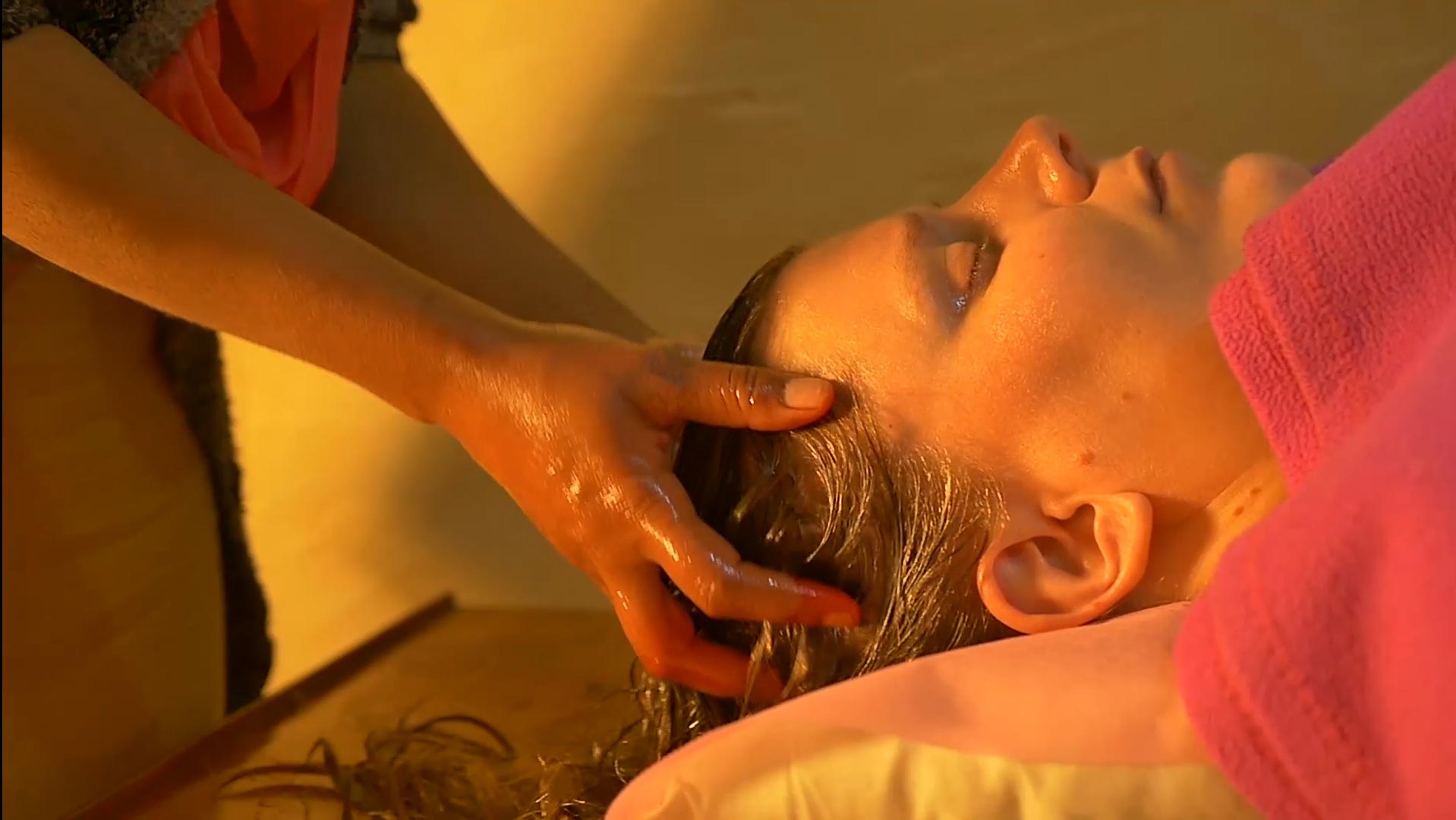
The Yoga Teacher Training course emphasizes self-awareness, self-study, and self-discipline by giving you time limits to accomplish your tasks. Morning cleansing practice, herbal tea, and morning yoga session, and then there will be breakfast. Apart from this, there is time for recreation where you have a chance to connect to yourself and relax. Sauna, Oil treatment, and music healing will be for relaxation.
You have free time and a full day off on Mondays. On these days you can do recreational activities visit cultural places, world heritage sites, relax in nature, morning walks, etc. The class schedule of the day starts with Jalaneti and herbal tea, 7 to 8:40 morning Yoga class of Prayer, Suryanamaskar, Yogasana, Pranayama, etc. From 11:30 am to 1 pm Philosophical class; the 3:30 pm workshop class; 5:30 pm, the evening Yoga class of Pranayama, Mudras, Yoga Nidra, Meditation; and the 7:30 pm Trataka and discussion.
The study, learn, do and share Yoga!
Our Yoga teacher training emphasizes Yoga philosophy and therapeutic Yoga as well, which can help you to look at life with a broader perspective and encourage you to challenge your weaknesses and illness. You will get the opportunity to learn Sanskrit words, mantras, meanings, and sense of it; sacred texts e.g. Yoga Darshan, Hatha Pradeepika, Gheranda Samhita, and Bhagavad Geeta. You will be learning so many different aspects of life and Yoga that will help you to look deeper into yourself and help you to discover your inner potential and explorations.
Discovering a new path in life & sharing the knowledge with others!
You will be learning to impart this knowledge to various groups of people in the Yoga methodology class. The greatest benefit for many will be when they realize that they want to bring this spiritual and holistic education to other people around them. With all this knowledge of Yoga, you can go ahead to help and uplift people’s lives. The positive change that you have experienced will be worth sharing with other people. There are so many different people like senior citizens, teenagers, parents, children, people with health problems, corporates and professionals, householders, etc. that you can help.
Traditions of Yoga
There are different traditions of yoga, which correspond to specific emotional and mental capacities or preferences. Generally, seven such branches are distinguished:
HATHA YOGA: The “Forceful Yoga” aiming at liberation through a physical transformation
MANTRA YOGA: The “Yoga of Potent Sound” aiming at liberation through the recitation (aloud or mental) of empowered sounds (such as om, hûm, ram, hare Krishna, etc.) – often considered an aspect of Tantra-Yoga.
LAYA YOGA: The rhythmic path of Yoga. It happens throughout the purity of body and mind.
RÂJA-YOGA: The “Royal Yoga” aiming at liberation through meditation, which is for practitioners who are capable of intense concentration. Literally, Raja yoga is the aim of Yoga attained by an easy way of yogic practice.
JNÂNA YOGA: The “Wisdom of Yoga” aiming at liberation through the steady application of higher wisdom that clearly discerns between the real and the unreal.
KARMA YOGA: “Action Yoga” aiming at liberation through self-transcending service.
BHAKTI YOGA: The “Devotional Yoga” aiming at liberation through self-surrender in the face of the Divine.
DHYANA YOGA: Dhyana (Meditation) is the final tool or device of Yoga. In any schooling of Yoga, there is meditation part as the major key for yoga practice mentioned in all texts like Bhagvat Gita, Samkhya Yoga, Yoga Darshan, Shiva Samhita, Goraksha Samhita, Hatha Pradipika, Gheranda Samhita and so on.
TANTRA YOGA: The “Continuity Yoga” aiming at liberation through rituals, visualizations, subtle energy work, and the perception of the identity (or continuity) of the ordinary world and the transcendental Reality.
Kundalini Yoga: It is a part of Tantra Yoga and one of stages of all types of Yoga. Any type of Yoga ultimately hit on chakras and energy follows throughout nadis. It is itself the totality of the yogic path.
Ashtanga Yoga: Ashtanga Yoga is a concise pattern of wholesome yogic practice. It is the totality of Yoga as a modified form sorting of beginning stages to higher stages. Ashtanga Yoga, the eightfold path of Patanjali Yoga Sutra, is also called “Classical Yoga”.
What does Vinyasa mean?
The term vinyasa is a composition of two words. Nyasa has several meanings like “to place”, “special order”, “attention”, “and vi, which means “specially”. Vinyasa has many meanings in the Sanskrit language, however, in the context of yoga, Vinyasa can be best interpreted as:
Special way
Special order
With attention
It is often interpreted as a practice with a theme or purpose consisting of poses linked and associated together. Vinyasa, written in lowercase, usually refers to the progression and continuity between the asanas. In Ashtanga Vinyasa Yoga, the fluid transitions from one pose to the other, the famous jump-backs and jump-throughs are referred to as Vinyasa.
Fundamentals of Ashtanga Vinyasa Yoga
Breathe: The most important part of Ashtanga Vinyasa Yoga is the system of breathing which should be rhythmic and deep-felt from your throat with inhalation and exhalation from the nose. The sound of breath has to be like a sleeping baby makes that a hissing sound. The breathing felt from the throat is called Ujjayi (Sanskrit word) breathing which means victorious breathing.
Vinyasa: One of the unique parts adjoined and assimilated with Ashtanga Vinyasa Yoga is vinyasa: the synchronization of the flow of the posture. It offers you to practice with the continuous and rhythmic flow which supports you to adjust new posture on the one hand. On the other, it creates more heat on your body which exits toxins out of your body through the medium of perspiration as well as of breathing.
Bandha: The third quintessential part of Ashtanga Vinyasa Yoga is bandha means a lock. The lock of your throat by lowering your chin slightly while raising the sternum is called Jalandhara Bandha. The squeeze of your abdomen, 2 inches below the navel center is called Uddiyana Bandha, the third one is Mula bandha which is also called root lock at the pelvic floor.
Drishthi: The fourth requisite of the Ashtanga Vinyasa Yoga to achieve its optimum benefits is drishti which means to look or gaze at a certain object with full concentration. The look should be soft. Basically, the focus of your eyes goes to nine points which are as follows:
- Angushtha Madhya Drishthi( Thumb)
- Agna Chakra Drishthi ( the point between the two eyes brows: Third Eye)
- Navi Chakra Drishthi ( Navel Centre)
- Nasagrai Drishti( Tip of the nose)
- Hasthagrai Drishthi( Hand)
- Padayograi Drishthi( Toe)
- Urdha Drishthi ( Up to Sky)
- Parshva Drishthi( Far to the side)
- Samadristhi( Straight ahead)
- Submit a Comment
BHAKTI YOGA 3 STAGE AND TYPES
Stage of Bhakti Yoga
- In the Srimad Bhagavad and the Vishnu Purana it is told that the nine stages of Bhakti are:
Sharavana (hearing of God’s Lilas and stories);
Kirtana (singing of His glories);
Smarana (remembrance of His Name and presence);
Padasevana (service of His feet);
Archana (worship of God);
Vandana (prostration to the Lord);
Dasya (cultivating the Bhava of a servant with God);
Sakhya (cultivation of the friend-Bhava); and
Atmanivedana (complete surrender of the self).
Types of Bhakti Yoga
- Apara (lower) and Para (higher) devotion.
- Raagaatatmika (ritual without devotion) and method of devotion (Bhakti)
- Sakamya (devotion with desire) and Nishkamya Bhakti (selfless devotion)
- Vyabhichaarini (both worldly attachment and devotion to God) and Avyabhichaarini devotion (devotion to God only)
TYPES OF DEVOTEES (BHAKTAS)
Aartha
Arthi means any sorrow or grief. Sadness, distress, discomfort, and trouble are all called arthi. Aartha is seized by distress, caused by a thief, tiger, or disease.
Arthaarthi
Artha means what is desired. In this context, it means wealth and things similar to it – power, progeny, and so on. One wants all these and to get them, the arthaarthi invokes the grace of Bhagavan.
Jijnasu
The third one is jijnasu. The order in the verse artha, jijnasu, arthaarthi is for the sake of meter. But in order of their understanding artha and arthaarthi are one group, jijnasu and jnani, another. Jijnasu is the one who desires to know.
Jnani
And then there is a fourth bhakta. All four recognize me and to the degree they recognize me they are in union with me. The fourth one’s recognition is complete so his identification is total.
To be on the path of Bhakti Yoga, you need to inculcate certain disciplines in your life.
Those being:
- Abhyasa or practice of being connected to god in one way or the other.
- Viveka or discrimination
- Vimoka or freedom from worldly desires
- Satyam or truthfulness
- Arjavam or being straightforward and not manipulating situations
- Kriya or doing good deeds
- Kalyana or wishing well for all
- Daya or compassion towards all
- Ahimsa or non-injury
- Dana or charity
- Anavasada or cheerfulness and positivity
There are five kinds of Bhava in Bhakti
When the love for god grows you can raise above all the discrimination between forms of God, place of worship, method of worship, Route of worship or offerings in worship. You experience Bhava Of devotion that leads to is absolute self-forgetfulness and everything stops mattering except God.
• Dasya Bhavas or servitude as depicted by lord Hanuman towards lord Ram
• Sakhya bhavas or friendship with God, as depicted by Arjuna towards Shri Krishna
• Vatsalya Bhavas or motherhood, as depicted by Maa Yashodha towards Kanha
• Madhurya Bhavas or Divine Love, the most supreme bhava, as depicted by Shri Radha for Shri Krishna and Meera Bai for Shri Krishna, wherein the deity and devotee unite.
• Shanta Bhavas where in your mind is absolutely grounded and stable and nothing can agitate you.
Bhakti Yoga The Nature of Devotion
Bhakti Yoga The Nature of Devotion
Bhakti yoga the Nature of Devotion is one of yogic paths revered throughout history that can lead us to full awareness of our true nature. Other paths to self-realization are Hatha yoga that transforms the individual consciousness through a practice that begins in the body). Jnana yoga (inner knowledge and insight); Karma yoga (skill in action); Kriya yoga (energy workout); and Raja yoga (internal yoga – dharana, dhyana, samadhi of the eight-limbed path also known as the classical yoga of Patanjali).
Bhakti Yoga the Nature of Devotion
What Does Bhakti Yoga Mean?
The Sanskrit word Bhakti comes from the root ‘Bhaj’, which means “to adore or worship God.” Bhakti yoga has been called “love for love’s sake” and “union through love and devotion.” As a yogic prospective, it originates from ‘Bhaava’ (feeling or sense) which is connected to heart and soul.
Bhakti Yoga is the path of devotion among different types of yoga. In this yoga, a yogi is devoted to the God, Guru, higher self or the higher power, universe, the true self or any higher being in this world or the beyond. The detailed description can be found in the Shreemad Bhagavad Geeta, the most famous Holy Scripture. Simply, Bhakti means to love without any condition and doubt. When we love unconditionally to the God or any higher being or things for the purpose of spirituality, we can be in this path. It is also a way to be liberated as in other types of yoga. This yoga is the natural way of getting enlightenment.
A Brief History of Bhakti Yoga
Bhakti yoga was started in the ancient time from the dawn of human being. Bhakti yoga is mentioned in Shvetashvatara Upanishad and Shrimad Bhagavad Geeta.
The Geeta, often called a “love song to God,” expressed the idea that it’s possible to move towards the highest goal — that of spiritual realization — by developing a connection with the heart.
In its purest form, Bhakti burns like a devotional fire in the heart. An early and extreme example of a Bhakti yogi comes from the 12th century, when a 10-year-old girl named Akka Mahadevi shunned childhood games and instead became a devotee of Shiva, the Hindu deity known as the aspect of destructive forces.
Broadening the Definition of “Bhakti Yoga”
Many modern Bhakti yogis believe that “the guru” can be found in all things. Bhakti, then, becomes a state of mind, a consciousness that involves embracing the Beloved in whatever forms that take.
The definition of Bhakti yoga can get unnecessarily complicated: It is path of exploring our entire potentials. “What I’ve always understood is that it’s a simple way to embrace the Beloved, the Divine, God, or the connection to other sentient beings on this planet,”. Simply Bhakti Yoga is a faith and belief. It is deep connection to heart or soul.
While practicing Bhakti yoga, it is in the best interest of the devotee to create a good environment or aura around him. This may be achieved by choosing:
- A clean and quite room for worship
- Lighting diyas and incenses
- Bathing and changing into fresh clothes
- Applying chandan or sandalwood on forehead.
- Wearing a rosary made out of rudraksha or tulasi dal mala.
How to Practice Bhakti Yoga
The Beatles had it right when they sang “the love you take is equal to the love you make.” Bhakti is about making more love — putting it out into the world, not just in principle but also in practice.
- Saying “Namaskaara”or Naman is Bhakti Yoga – Just about everyone who has taken a yoga class is familiar with the class-closing ritual of saying Namaskaara accompanied by Prathanaa Mudra or Anjali Mudra (Salutation Seal) and a small bow of the head.
- Practice Self-Love and Devotion – In the deepest throes of despair, it can be hard to lavish yourself with love.
- Be Nurtured By Nature – Nature is a powerful reflection of divinity,
- Fill Your Heart with devotional Songs – In bhakti yoga, says naad power, music is medicine. And singing — a mantra, a hymn, or the name of your spiritual guide — is another way to treat an aching heart.
- Learn to Love Globally – Practicing Bhakti yoga means seeing everyone and everything as a creation of God
- Connect with the Divine – In its most literal translation, each and everything is connected to divine. Bhakti yoga calls for faithful devotion to the Divine.
- Practice Self-Love and Devotion – In the depths of despair, love can be hard to seduce.