
Sound Healing Courses in Nepal – Singing Bowl Training at Himalayan Yoga Academy
Sound Healing Courses in Nepal
Sound healing through the Singing Bowl is one of the oldest holistic practices used by our ancestors and is now being widely recognized by the modern world. In the Himalayan region, sound healing has always been an integral part of spiritual life, ritual practices, and natural healing traditions. Today, Nepal is considered the heartland of authentic singing bowl sound healing, attracting students, seekers, and wellness practitioners from all over the globe.
The singing bowls are made from a sacred mixture of various elements like gold, silver, iron, tin, copper, mercury, and lead. This ancient blend is skillfully crafted into the shape of a bowl designed to create powerful sound vibrations used for healing, therapy, and meditation. This timeless practice of generating harmonic vibrations that awaken our body cells—also known as the chakras (energy centers)—is the core of sound healing therapy.
At Himalayan Yoga Academy, we make this course especially for healing, meditation purposes, and the path of a spiritual journey. Sound heals on a physical level because it touches and transforms us deeply on the emotional and spiritual planes. It can redress imbalances on every level of physiological functioning and can play a positive role in the treatment of virtually any medical disorder.
Why Sound Healing Works
Singing Bowls can help balance the chakra energy system. Each bowl is tuned to a specific chakra frequency. When the bowls are played, their sound frequencies travel into the body and energy channels, restoring correct harmonic patterns. Scientific studies now show that sound can produce changes in the autonomic, immune, endocrine, and neuropeptide systems. Any disharmony within the body can gradually be restructured through sound.
The sounds from singing bowls are calming and induce a sense of peacefulness—relaxation that goes far beyond the physical body. The tones of each chakra bowl permeate your entire system, resonating with your essence. In this state, inner chaos, conflict, and dissonance seem almost immediately to be transformed into harmony.
Why Choose Sound Healing Training Course in Nepal with Himalayan Yoga Academy?
Nepal is the birthplace of ancient spiritual sciences such as Yoga, Tantra, Meditation, and Sound Healing. Learning sound healing here is not just a course—it is an immersive spiritual experience.
Himalayan Yoga Academy is one of the most reputed and established institutions in Nepal for Singing Bowl Training, Sound Healing, and Meditation Programs. With hundreds of students from over 50+ countries, our graduates are already offering professional healing sessions around the world—contributing to global peace, emotional wellness, and holistic transformation.
Our Sound Healing Training Course in Nepal (Singing Bowl Professional Course) is designed to teach you to work with the sound of singing bowls professionally, so you can confidently offer individual or group sound healing sessions using vibration, resonance, and ancient Himalayan knowledge.
In Our Sound Healing Training (Level 1), You Will Learn:
- Therapeutic Sound, Healing Sound, and Meditation
- Nada Yoga: Knowledge of Cosmic Sound and Individual Sound
- Experiences of the State of Therapy, Healing, and Deep Relaxation
- Knowledge on the Selection of Singing Bowls
- How to Balance Energy, Mind, and Psychic Level
- Experience the State of Trance, Rejuvenation, Resonance, Pleasure, Relaxation, Gladness, and Bliss
- Techniques for Group Healing and Group Meditation
This structured training helps you gain practical skills and spiritual understanding so you can provide healing to yourself and others confidently.
Benefits of Using a Singing Bowl
- Deep relaxation: Singing bowls guide the body and mind into a state of total relaxation.
- Brainwave stimulation: Vibrations help slow down brainwave activity, creating calmness.
- Supports meditation: By relaxing the body and mind, singing bowls help practitioners enter meditation more easily.
- Inner peace and harmony: The sound transforms inner chaos, conflict, and dissonance into harmony.
These benefits make singing bowls one of the most effective tools in holistic health, meditation practices, sound therapy, and emotional healing.
Sound Healing Courses in Nepal at Himalayan Yoga Academy
Our academy offers a variety of professional sound healing training programs, from beginner to advanced levels. Our courses include:
1. Singing Bowl Training Level 1
Introduction to sound healing, bowl selection, basic techniques, chakra balancing, healing methods, and meditation.
2. Singing Bowl Training Level 2
Advanced healing techniques, deeper vibrational therapy, client treatment methods, and group sound sessions.
3. Singing Bowl Therapy & Practitioner Course (Level 3 & 4)
For those who want to become professional sound healers, this includes in-depth therapy design, advanced Nada Yoga, anatomy of vibration, and multi-bowl healing methods.
4. Full Sound Healing Certification (Level 1–4 Combined)
Designed for serious students who want a complete Himalayan sound healing education and certification recognized worldwide.
Global Reach and Impact
Students from Europe, USA, Australia, Asia, Africa, and South America travel to Nepal specifically to train at Himalayan Yoga Academy. Today, our graduates are:
- Offering healing sessions in yoga studios
- Leading sound meditation events
- Providing therapy in wellness centers
- Teaching workshops internationally
- Supporting emotional healing and wellbeing
- Contributing to global peace through sound vibrations
Through singing bowl sound healing, the message of peace, harmony, and spiritual awakening is spreading across the world.
Explore the Complete Course Here
This is our already famous content online:
https://himalayanyoganepal.com/singing-bowl-training-sound-healing-course/
Life of Osho
Osho or Bhagwan Shree Rajneesh was a popular and powerful speaker who was born in 1931 in Central India and was the eldest of 11 children of a cloth merchant. He was the leader of a worldwide new spiritual movement. Rajneesh emphasized the importance of free thought, meditation, love, courage, creativity, and humor. At the age of 21, he had an intense spiritual awakening. At that time he was studying philosophy at the University of Saugar. Then after a Master’s degree, he taught philosophy at the University of Jabalpur for nine years. After that, he resigned from the University and became a Guru and teacher of Meditation.
In 1974, he moved with his disciples to Pune, India and he established a new Ashram on six acres. The basic center was called dynamic meditation, a process designed to allow people to experience the divine. He also became well-known for his progressive approach to sexuality, which is different from the thoughts of other Indian Teachers. In 1980, he was attacked by Hindu fundamentalists who disagreed with Osho’s unconventional stance on religion and spirituality. So he left India and moved to America.
His disciples bought a large plot of land near Antelope, Oregon, to refocus on the Rajneesh movement’s activities. Soon after, the movement clashed with local residents and the state government. Tensions at the Poona ashram, along with criticism of its activities and threats of punitive action from Indian authorities, pushed the ashram to consider establishing a new commune in the United States. While legal battles unfolded, Rajneesh stayed behind the scenes, withdrawing from a public-facing role. On 30 October 1985, he broke his silence, announcing it was time to “speak his own truths.”
He was later deported from the United States through an Alford Plea bargain. After his deportation, 21 countries denied him entry. He returned to Mumbai, India, in 1986, where his Indian disciples gave him a hero’s welcome. In 1987, he settled back in the Poona ashram, where he began giving evening discourses. In February 1989, he expressed his desire to be called “Osho.” He gave his last public discourse in April 1989 and thereafter sat in silence with his followers. Osho died on 19 January 1990, aged 58, reportedly of heart failure.
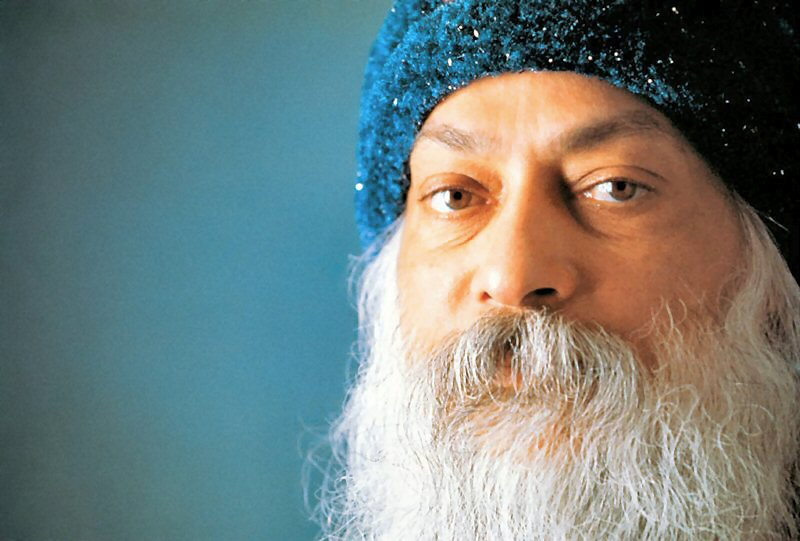
Osho on Meditation
Rajneesh presented contemplation not just as a practice but as a state of mindfulness to be maintained in every moment. This total mindfulness awakens the individual from the sleep of mechanical responses conditioned by beliefs and expectations. He used Western psychotherapy in the early stages of contemplation to help individuals become mindful of their internal and emotional patterns.
He suggested further than a hundred contemplation ways in aggregate. His own” active contemplation” ways are characterized by stages of physical exertion leading to silence. The most notorious of these remains Dynamic Contemplation which has been described as a kind of example of his outlook. Performed with closed or blindfolded eyes, it comprises five stages, four of which are accompanied by music.
First the meditator engages in ten moments of rapid-fire breathing through the nose. The alternate ten twinkles are for catharsis” Let whatever is passing be.. Laugh, cry, laugh, jump, shake — whatever you feel to do, do it. Next, for ten twinkles one jumps up and down with arms raised, crying Hoo! each time one lands on the flat of the bases. At the fourth, silent stage, the meditator stops moving suddenly and completely, remaining fully motionless for fifteen twinkles, witnessing everything that’s passing. The last stage of the contemplation consists of fifteen twinkles of dancing and festivity.
Rajneesh developed other active contemplation ways, similar to the Kundalini” shaking” contemplation and the Nada Brahma” humming” contemplation, which are less animated, although they also include physical exertion of one sort or another. After” pensive curatives” bear sessions for several days, OSHO Mystic Rose comprised three hours of laughing every day for a week, three hours of weeping each day for an alternate week, and a third week with three hours of silent contemplation. These processes of” witnessing” enable a” jump into mindfulness. Rajneesh believed similar cathartic styles were necessary because it was delicate for ultramodern people to just sit and enter contemplation. Once these styles had handed a regard of contemplation, also people would be able to use other styles without difficulty.
Rajneesh’s Some Commandments
- Never obey anyone’s command unless it is coming from within you also.
- Life is now and here.
- Live wakefully.
- There is no God than the life itself.
- Truth is within you, don`t search for it elsewhere.
- Love is prayer.
- Die each moment so that you can be new each moment.
- Do not swim- float.
Yoga for Beginners
When you are completely new to yoga, you may find it difficult and feel intimidated to know how to get started. But there is nothing to worry about. Slowly with more practice, you are going to be perfect yoga teacher. So it’s time to roll out your mat and discover your inner self through yogic life. Here is a guide on Yoga for Beginners.
What is Yoga?
Simply, Yoga defines a set of physical postures, mental exercises, breathing techniques, and meditation. It is also collection of spiritual techniques and practices aimed at balancing body, mind and soul. The fundamental motive of yoga is to activate harmony in the body, mind and environment. It involves complete system of physical, mental, social, and spiritual development.
If you find that asana is difficult then you can modify the asanas that will help you the most out of your session. Yoga instructors are also always there for guiding you. They make use of props like chairs, blocks, straps, and blankets to help practitioners reach maximum potential and make them flexible. Whether you are old or young, overweight or fit, everyone is individually benefitted. Yoga is for everyone.
Yoga Asanas
Yoga asanas essentially work to lubricate muscles, joints, ligaments, and other parts of the body. The asanas harmonize your body, mind, and soul. It also helps in increasing flexibility and circulation. Yoga asanas can be classified into different forms like- advanced or basic poses, seated or standing poses, twists, and challenging asanas. Asanas also bring out the balance of ease and effort into each pose that will help you relax. When you do Asanas then it should be done with sense of awareness and breathing techniques. You must focus on your breath along with the movements.
Some Yoga for Beginners
Here are some simple and basic asanas for beginners that gives one of the desired comfort.
1.Sukhasana
Sukhasana is the beginning of the meditation. It is one of the comfortable and basic, crossed-legged, seated positions used in Yoga practices and meditation as well. You can do this asana wherever and whenever you want. It is good for the body’s stability, mobility, and strength. It has a relaxing effect on the mind and body which helps in relieving stress and anxiety.
2. Child’s Pose
This is a resting pose when you feel like taking break from asanas that require too much effort, you can simply move on to the child’s pose. Here you feel your whole body more relaxed. After a moment, you can follow other advanced asanas. It will gently stretch your lower back, open your hips, thighs, knees and ankles as well as relax your shoulders, spine and neck.
3. Corpse Pose
Corpse Pose is traditionally practiced at the end of the yoga session. It will allow you to calm your mind and relax your whole muscles. It is also said as the dead body posture because you lie down like a dead body with no movements at all. Some people may find this posture difficult, but with more practice, you will become more relaxed and enter a meditative state. You can simply modify this pose by placing a pillow under your knees or head.
4. Tadasana
The another name for Tadasana is Mountain pose. This is the foundation of almost all standing poses. It stretches every parts of the body. Along with this, it increases stability, focus and concentration. It also improves your body postures and suitable for every yoga practitioners. Skip this asana if you are pregnant. If you feel difficult on balancing the pose in toes by raising the heels then at the beginning you perform this pose without coming into the toes. Day by day you can upgrade a bit by raising the feels a bit higher and higher and finally you can balance the posture in the toes.
5. Cat and Cow pose
These are the two simple poses that are practiced together to gently warm up the spine and abdomen muscles. Here you take the position of cat and cow. This posture helps in boosting energy in the body. They both stretch the lower spine, hips, and back muscles. They also open the chest and lungs allowing for easier breathing. Cat and cow poses are simple poses that have great benefits.
6. Downward Facing dog
It is a position that places your heart above your head, allowing gravity to increase blood flow and improve circulation. It strengthens arms and legs which is also one of the asanas in the Sun salutation series. For beginners, this asana could be challenging initially, but with more practice, it will turn out to be your favorite relaxing yoga asana.
7. Cobra Pose
It is the gentle back bend that helps to open the throat and upper chest. It is generally safe physically and balancing energetically. Cobra Pose is powerful, and muscle-strengthening when performed regularly. It is also one of the asanas in the Sun salutation series. For beginners, this can be the simple asana just lying on your stomach and slowly raising the upper parts of the body. It also makes the spine flexible.
VYAGHRASANA
Vyaghrasana is the Sanskrit word when translated into English means Tiger Pose. This pose resembles stretching the body of a tiger when it wakes up from sleep. By stretching and contracting the spine, this pose loosens the spine, hip, and leg joints, and tones the spinal nerves. When you practice Vyaghrasana, you will massage your lower muscles and the organs responsible for digestion, elimination, and reproduction; and strengthen the muscles in these areas.
Steps of Vyaghrasana (Tiger pose)
- Assume the starting position for marjari-asana and look forward.
- Relax the whole body.
- Arching the back downwards, straighten the right leg, stretching it up and back.
- Bend the right knee.
- Look up and bring the toes towards the back of the head.
- Hold the breath for a few seconds in this position.
- Straighten the right leg, bend the knee and awing the leg under the hips.
- Simultaneously, arch the back up and bend the head down, bringing the knee towards the nose.
- The right foot should not touch the floor.
- The thigh presses against the chest.
- Hold for a few seconds while retaining the breath outside.
- Move the foot straight back and again stretch the leg.
- Bend the knee and continue with the slow swinging movements.
- After practicing on one side, relax in marjari-asana.
- Repeat with the other leg.
Breathing: Inhale while stretching the leg backward. Retain in the final position. Exhale while swinging the knee to the chest.
Duration: Perform this asana 5 times with each leg.
Awareness: Physical- on the forward and backward stretching of the spine and legs and the alternate compression and stretching of the abdomen and chest. Be aware of the balance, and the movement synchronized with the breath. Spiritual- on Swadhisthana chakra.
Benefits: This asana exercises and loosens the back by bending it alternately in both directions and tones the spinal nerves. It relaxes the sciatic nerves, relieves sciatica, and loosens up the legs and hip joints. It tones the female reproductive birth and those who have given birth to many children. That is why Post-pregnancy women should regularly practice Vyaghrasana to tone the reproductive organs and abdominal muscles. It stretches the abdominal muscles, promotes digestion, and stimulates blood circulation. Weight is reduced from the hips and thighs.
Namaskarasana
Namaskarasana Yoga Pose is the one of the shakti bandha asanas. These Shakti Bandha Asanas can be said as those asanas are concerned with improving the energy flow within the body and breaking down neuro-muscular knots. This yoga pose or asana helps the human body in many ways. The word Namaskarasana is made up of two Sanskrit words they are ”Namaskar“ which means Salutation and “Asana” which means Pose or Posture.
Steps to do the Namaskarasana or The Salutation Pose
- Squat with the feet on the floor about 60 cm apart.
- The knees should be wide apart and the elbows pressing against the insides of the knees.
- Bring the hands together in front of the chest in a gesture of prayer.
- This is the starting position.
- The eyes may be open or closed.
- Inhale and bend the head backwards. Feel the pressure at the back of the neck.
- Simultaneously, use the elbows to push the knees as wide apart as comfortable.
- Hold this position for 3 seconds while retaining the breath.
- Exhale and straighten the arms directly in front of the body.
- At the same time, push in with the knees, pressing the upper arms inward.
- The head should be bent forward with the chin pressed against the chest.
- Hold this position, retaining the breath, for 3 seconds.
- Return to the starting position.
- This is one round.
- Practice 5 to 10 rounds.
Breathing: Inhale while bringing the palms together in front of the chest. Exhale while extending the arms forward.
Awareness: On the stretch in the groin and compression at the back of the neck, then changing to relaxation of the upper back and shoulder muscles in the forward position, and the breath.
Benefits of Paschima Namaskarasana (Reverse Prayer Pose)
- Paschima Namaskarasana is very good for opening up the shoulder joints. This asana has a profound effect on the nerves and muscles of the thighs, knees, shoulders, arms and neck.
- This asana helps as it increases flexibility in the hips.
- It benefits by making the shoulder muscles flexible.
- Flexing the shoulder muscles also stretches the muscles of the forearm up to the wrist. This is good for those who engage in typing in front of the computers for hours as this relaxes the muscles of the forearm, wrist, upper arm, and shoulders.
- It releases stress and calms down the mind.
- Paschima Namaskarasana opens the chest and improves breathing.
Contra-indications
Not for people with knee problems or sciatica.
Balancing Asanas
Balancing asanas develop the functions of the cerebellum, the brain Centre that controls how the body works in motion. Most people are uncoordinated in their movements, so their bodies constantly have to compensate for their lack of balance by falling or knocking things over. This expends maximum effort and energy for minimum results, creating considerable additional strains. Such people will benefit from this series. However, people with diseases of the cerebellum should not attempt it. Balancing asanas improves muscle coordination and posture, including physical and nervous balance, and stilling unconscious movement. This conserves energy and achieves grace and fluidity of motion.
The focus required to perform these asanas with steadiness develops con concentration and balance at the emotional, mental, and psychic levels, removing stress and anxiety. For relief of excessive tension, these practices should be held for as long as comfortable. To steady the mind, practice concentration on point, at eye or navel level, on the ground, or as indicated in the individual asana- this allows the body to maintain seemingly difficult positions for long periods.
Balancing asanas may be difficult to perform at first. However, the body is very adaptable and progress will quickly be made with a few-weeks of regular practice. Carefully observe the contra-indications given for individual practices.
Some Balancing Asanas
Eka Pada Pranamasana (one-legged prayer pose)
- Stand upright with the feet together and the arms at the sides.
- Focus the gaze on a fixed point of the body.
- Bend the right leg, grasp the ankle, and place the sole on the inside of the left thigh.
- The heel should be close to the perineum and the right knee should point out to the side.
- When the body is balanced, place the hands in the prayer position in front of the chest for the final position.
- Release the hands and then the foot.
- Relax completely in the starting position, and change sides.
Breathing: Breathe normally throughout the practice.
Duration: Practice up to 3 rounds on each leg, holding the final position for up to 2 minutes.
Awareness: Physical –on a fixed point at eye level. Spiriitual– on ajna or Anahata chakra.
Benefits: This asana develops nervous balance. It also strengthens the leg, ankle, and foot muscles.
Variations: Assume the final positions of eka pada pranamasana. Keeping the gaze focused at eye level, inhale and raise the arms above the head, palms together. Hold the position with the breath inside and on, exhalation, and lower the hands back in front of the chest. Repeat on the other side.
Garudasana
- Assume the standing position and focus the gaze on a fixed spot.
- Bend the right leg and twist it around the left leg. The right thigh should be in front of the left thigh and the top of the right foot should rest on the calf of the left leg.
- Bead the elbows and bring them in front of the chest.
- Twist the forearms around each other with the left elbow remaining below.
- Place the palms together to resemble an eagle`s beak.
- Balance in this position for some time, then slowly bend the left knee and lower the body, keeping the back straight, until the elbows come down to the knees and the tip of the right big toe touches the floor.
- Keep the eyes focused on the fixed point.
- Hold the final position for as long as is comfortable, then raise the body , and release the legs and arms.
- Relax with the eyes closed.
- Repeat with the legs and arms the opposite way around.
- Practice up to 3 rounds on each side.
Breathing: Breathe normally throughout the practice.
Awareness: Physical- on maintaining balance while lowering and raising the body. Spiritual – on mooladhara chakra.
Benefits: Garudasana improves concentration, strengthens the muscles and loosens the joints of the shoulders, arms and legs, and is good for the upper back.
Natrajasana
- Stand with the feet together and gaze at a fixed point .
- Bend the right knee and grasp the right big toe.
- As the right leg is raised, swivel the shoulder, so that the elbow of the arm holding the big toe points upward. This position of the hand and arm will allow the foot to be raised nearer to the back of the head.
- Make sure the right hip does not twist and the leg is raised directly behind the body.
- Reach upward and forward with the left arm, bringing the tip of the index finger and thumb of the left hand together to form jnana mudra. Focus the gaze on the left hand.
- This is the final position.
- Hold the position for as long as possible.
- Lower the left arm to the side. Lower the right leg, releasing the right foot to the floor and the right arm to the side.
- Relax, then repeat on the other side.
- Practice up to 3 times on each side.
Breathing: Breathe normally throughout the practice.
Contraindications: People who suffer from a weak heart, high blood pressure, back problems, hernia, colitis, peptic or duodenal ulcers, or vertigo should not practice the asana.
Benefits: This asana strengthens the back, shoulders, arms, hips and legs. It helps develop a sense of balance and coordination and improves concentration.
Variation: Advanced practitioners with flexible bodies may be able to touch the back of the head with the toes or to hold the toes with both hands.
Eka Padasana
- Stand relaxed, with the feet together.
- Raise the arms directly above the head and interlock the fingers with the palms together.
- Bend forward slowly from the hips, keeping the trunk, head and arms in a straight line and transferring the weight on to the right leg.
- Simultaneously raise the left leg straight back, keeping it in line with the trunk.
- The body should pivot from the right hip joint.
- In the final position the left leg, trunk and arms are all in one straight, horizontal line. The right leg is straight and vertical.
- Focus the gaze on the hands.
- Hold the final position for as long as is comfortable and then, keeping the arms, back and leg aligned, return to the upright position.
- Slowly lower the arms and return to the starting position.
- Repeat the movement, raising the arms.
Breathing: Inhale while raising the arms. Exhale while bending to assume the final position. Inhale while returning to the upright position. Exhale while lowering the arms.
Duration: Up to 3 times on each side, holding for as long as is comfortable each time.
Awareness: Physical- on maintaining the alignment of limbs and spine, and on maintaining balance. Spiritual- on swadhisthana or manipura chakra.
Sequence: This asana should be preceded or followed by a backward bending asana such as makarasana. This posture ay be used as a preliminary practice to bakasana.
Contraindications: People with lower back problems, heart problems or high blood pressure should not do this asana.
Benefits: This asana strengthens the arms, wrists, back, hips and leg muscles. It helps to develop muscular coordination, nervous balance and concentration.
Bakasana
- Relax in the standing position with the feet together.
- Raise the arms in front of the body over the head.
- Bend forward from the hips, transferring the weight to the right foot, and touch the toes of the right foot with both hands. Simultaneously, slowly stretch the left leg behind, raising it as high as is comfortable and bring the forehead towards the right knee.
- Keep both legs straight.
- To release, lower the leg and return to the upright position, keeping the arms straight as they are raised above the head. Then lower the arms and relax in the standing position.
- Repeat the practice on the other arms.
Breathing: Inhale while raising the arms. Exhale while bending forward. Breathe normally in the final position. Inhale while returning to the upright position. Exhale while lowering the arms.
Duration: Up to 3 times on each side, holding for as long as is comfortable each time.
Awareness: physical- on maintaining balance. Spiritual- on swadhisthana or manipura chakra.
Contraindications: People with back or heart problems, high blood pressure, or vertigo should not practice this asana. Cautions for inverted asanas apply.
Benefits: Strengthen the back, hip and leg muscles, improves blood circulation and gives a beneficial compression to the abdominal organs. It aids concentration, balance and nervous coordination.
Best Yoga Teacher Training School in Nepal
If you are looking for a wonderful place in Nepal to do your yoga teacher training course, then Himalayan Yoga Academy is the best choice for you. We have been teaching international students from different countries since 2008, due to our expertise in Yoga Teaching we have been also considered one of the best yoga schools in Nepal to run this course Yoga Teacher Training School in Nepal.
We have been running 200 Hour Yoga Teacher Training Nepal Course, 300 Hour Yoga Teacher Training Nepal Course, and 500 Hour Yoga Teacher Training Nepal Course in Nepal. Also, we run yoga retreats, yoga detox, ayurvedic therapies,Ayurveda courses, singing bowl courses, reiki courses, and many more spiritual retreats.
Looking globally there are many courses and many schools teaching yoga teacher training courses but we are different from them what makes our teaching different is as below:
- We believe that this yoga teacher training course should be course to be a life-changing course in your life bringing the most positive changes in you.
- Yoga should be taught to all and yoga should be basic knowledge that should be given in the most affordable way to all.
- We believe in not just teaching but also believe in applying yoga in school. Hence yoga is practiced by every staff and also yogic style is applied in our yoga school.
- We believe that yoga and meditation should be practiced in the best environment. Our yoga school is located in the lapse of the hill with a monastery behind which adds a beautiful vibe to our yoga teaching.
- Students should also explore themselves. We teach in a way that allows them to explore themselves.
- We believe in humanity. So, we always run social work in various places for the betterment of the world. Our students get a chance to learn beautiful lessons about life from yoga gurus which motivates them to do social work as well.
How Yoga Retreats Can Help Heal Pandemic Anxiety
Due to the coronavirus pandemic, depression and anxiety are most prevalent among both men and women across the world. The whole planet has experienced unbearable loss and stress levels due to the pandemic. We all have been affected directly or indirectly. Most of the people suffered from the virus, got sick, and lost a loved one.
Even if you don’t get sick or lose a loved one, you still have to deal with months of isolation which has been affecting your physical, mental, and spiritual health. So if anyone suffers from mental health like anxiety and depression or if you have to deal with emotional issues, Yoga retreats can be the best option for you to heal your mental health and physical health. Going on Yoga Retreats can help you to escape your hectic life, and deeply connect with yourself.
Now it’s the time that we are all waiting for. The pandemic is in control right now. Almost all the borders are opened. People have started coming back to their lives, you can finally join your favorite yoga classes and also think about going on yoga retreats and meditation that will embrace your mind and body.
When choosing yoga retreats, you should first consider the location. Since you’re joining retreats for peace and to escape your hectic life, the retreat should be set in a natural, quiet, and peaceful environment to help calm and refresh your mind. By joining yoga retreats, you’ll surround yourself with like-minded people and gurus, enjoying yoga asanas and pranayama practices. You’ll follow healthy, mindful eating habits and reconnect with your inner self and peace in your everyday life. These healthy habits will drastically change your life, bringing tremendous physical, mental, and spiritual health benefits.
Yoga retreats are temporary breaks from your daily routine, typically lasting from a weekend to a week or more. Traveling or planning a trip has deep healing effects on your body, bringing joy and happiness while helping you connect with yourself and the world. Exposure to new surroundings, nature, and experiences gradually alleviates anxiety and depression. Traveling also allows you to interact with a diverse range of people, expanding your awareness and promoting social and personal growth. By witnessing the struggles of others, you’ll gain a deeper understanding of the meaning of life.
Yoga reduces stress by combining physical movement with mindfulness, promoting positive outcomes for the body. It focuses on overall wellbeing, helping to improve both physical and mental health. When you practice yoga daily, it changes your thoughts, encouraging positivity while decreasing the likelihood of anxiety and depression. Yoga helps you connect with your inner self and the divine world, allowing you to realize who you truly are. In essence, yoga balances your physical, mental, and spiritual functions simultaneously.
Combine the benefits of travel and yoga by going on a yoga retreat; it will be the best option for you. You’ll likely have the opportunity to visit and explore new destinations, natural wonders, landmarks, and diverse cultures. Surround yourself with mindful people as you focus on relaxation, joy, and serenity in a safe, peaceful place guided by healers and caring teachers. You’ll connect with others in ways that a screen can’t offer while releasing fears and insecurities from the past month, restoring positive energy within yourself wherever you go.
Yoga retreats elevate self-discovery and self-care while restoring your balance. They are the first choice for relieving stress and post-pandemic trauma, helping you rediscover the body-mind connection. Take advantage of these retreats to balance your physical, mental, emotional, and spiritual well-being with positive energy. They also connect you with your inner self.
Monasteries in Nepal
Nepal is a country having the majority of Hinduism and Buddhism which is the reason you find several temples and monasteries in Nepal. A monastery is a building where monks live while they’re practicing their religion. Also, a Monastery can be said as a place, building, or cave where a religious person or persons come to get a closer relationship with their god or gods. Nepal is the home of spirituality where you can explore lots of dimensions of spiritual learning. You can explore yourself in Nepal through different views.
Various Monasteries in Nepal
White Gumba
It is one of the best Buddhist monasteries in Nepal located in the Nagarjuna municipality of Kathmandu district. It is a cultural site representing Tibetan architecture and culture. This monastery is run by nuns and is open to the public on Saturdays. The spacious courtyard of the monastery features fountains, murals, and statues. It has a breathtaking view of the sunset, sunrise, and the whole Kathmandu valley. It is surrounded by lush green forest. The area around the white Gumba is very peaceful and quiet.
One can visit there for meditation practices and also to relax and refresh your busy mind. One can also learn about Buddhism and its culture. Inside the white gumba, you can see the garden, waterfalls, murals, paintings, statues, and the small monasteries inside it. This Gumba is beautifully constructed in a peaceful environment. The ancient architecture and natural beauty attract many visitors. So a fascinating place to experience and acknowledge the Tibetan culture and practice.
Tengboche Monastery
Tengboche Monastery also known as Dawa Choling Gompa is a Tibetan Buddhist monastery. It lies in the Tengboche village in the Khumbu region of eastern Nepal. This monastery lies inside the Sagarmatha National Park, one of the UNESCO World Heritage sites in Nepal.
This monastery attracts pilgrims and trekkers as well who head towards Everest Base Camp every trekking session. Tengboche has a panoramic view of the Himalayas mountains, and famous peaks like Everest, Nuptse, Lhotse and many more.
Each year, the monastery celebrates a festival called Mani Rimdu Festival corresponding to the months of October- November. This is a festival of religious rites, songs, dances, and colours. So this delightful festival attracts the tourists and locals and they enjoy a lot.
Neydo Tashi Choeling Monastery
The Neydo Tashi Choeling monastery is located in a peaceful area an hour’s drive from the hectic Kathmandu city. It was built for the preservation of the Neydo tradition. Here various ritual offerings, payers, Buddhist philosophy, and so forth are taught in Tibetan literature to about 200 monks at the monastery. It is an ideal place to simply relax and get a short break from the hustle and tussle of hectic life. You may also meditate and practice yoga with a beautiful nature view.
Shechen Monastery
It is one of the largest and oldest monasteries near the great stupa of Boudhanath and it is worth visiting. It represents Tibetan arts, paintings, and sculptures to maintain the philosophical, and artistic traditions of Tibetan monasteries. Over 300 monks live at this monastery where they receive a complete education in addition to the expenses like food, shelter, clothing, and medical care. It teaches music, dance, painting, and Buddhist philosophy. It is dedicated to the preservation and continuation of Tibetan Buddhist spiritual and cultural heritage.
Kopan Monastery
The monastery is situated on the outskirts of Kathmandu, near Boudhanath. Hundreds of monks and nuns live here and also offer meditation courses. It shows a glimpse of ancient times great art and architecture. One of the lovely and peaceful areas to meditate and pray lord. It makes us feel the positive vibes when you are in this monastery. You can learn and acknowledge the Buddhist culture in this peaceful environment. Guests are free to explore the religious community.
If you want to explore the life of a monk and also practice yoga and meditation in their daily schedule to find peace and calmness inside you. We have been doing this monastery retreat in beautiful monasteries where you can live with the monks and explore different life lessons with them.
Hatha and Vinyasa Yoga
Out of many types of Yoga, there are two variations- Hatha and Vinyasa Yoga which is most popular forms of movement. You have probably heard of both Hatha and Vinyasa yoga. Which style is right for you, it depends upon your yoga experience, fitness level, and your goals for learning and practicing.
Let’s start with a short description of Hatha and Vinyasa yoga and the benefits of this practice. Once you are familiar with these two yoga practice, let’s compare and find out similar and differences.
Hatha and Vinyasa Yoga: Comparisons and Benefits
What is Hatha Yoga?
Hatha is the umbrella term for movement connecting breath. In this yoga practice, you move your body slowly and continuously into different poses at the same time focusing on relaxation and mindfulness. This practice involves body, mind, and breath. Here we balance and focus on 2 components of the 8 limbs of yoga. It includes a series of movements (twisting, bending, and folding) at a slower pace holding asanas for a longer period.
The name “8 limbs” of yoga is recognized in Patanjali’s Yoga Sutra. They are: Yama (attitude towards our environment), Niyama (attitudes towards ourselves), Asana (Physical postures), Pranayama (breath control), Pratyahara ( withdrawal of the senses), Dharana (concentration), Dhyana (deep concentration) and Samadhi (the state of ecstasy). In Hatha yoga, we focus on the Asanas and the fourth Pranayama.
This practice focuses on developing your strength, flexibility, body relaxation, and mental concentration. The seven chakras system of Hatha yoga are root chakra, Sacral chakra, Solar plexus chakra, Heart chakra, Throat chakra, Third eye Chakra, Crown Chakra. Through this chakra activation, the feminine Shakti can rise through the chakras to unite with masculine Shiva in the top chakra.
Each Hatha Yoga generally 45-90 minutes long and start with a gentle warm up and pranayama. You have to focus on your breath throughout the class. After 10-15 minutes subtle warm up, we slowly move into the body postures to improve your balance, flexibility and strength. Lastly, the class will end with a short meditation or breathing exercise like pranayama.
Hatha Yoga Benefits
Hatha yoga enhances flexibility, balance and strength. It stimulates your immune system, reducing inflammation diseases, increases concentration and improves sleep quality.
What is Vinyasa Yoga?
In this Vinyasa Yoga practice, you move from one posture to another posture directly at a quicker pace with the matching breath. It is a sequential movement between postures guided by breath. It is one of the smooth ways of presenting the yoga postures. A cat-cow stretch is an example of a simple Vinyasa flow in your modern-day classes. And sun salutation is a complex Vinyasa practice. Vinyasa also focuses on the 3rd limb, asana, and the 4th limb, Pranayama. It includes a variety of postures including advanced and simple postures with continuous breath which create a more balanced body. It can be also said as “power yoga”. Vinyasa yoga generates heat, builds upper body strength, and stretches the legs.
Vinyasa class keeps you moving steadily and linking your breath to your movement. It prevents boredom and keep you mentally alert. This classes includes similar practices as Hatha Yoga with a warm up/ pranayama and continuously moving into more advanced poses and lastly into savasana to cool down.
Vinyasa Yoga Benefits
Just like hatha yoga, Vinyasa Yoga also benefits physically and mentally. This practice improves your balance, strength and flexibility and breathing flow. It also relaxes your body and calms your mind while relieving stress and anxiety. Due to quicker pace of practice, it increases your energy levels.
Comparison Between Hatha Yoga and Vinyasa Yoga
Hatha yoga is practiced at a slower pace, with a focus on the breath, controlled movements, and stretching. However, Vinyasa focuses on connecting the breath to your movements at a faster pace. Also, Vinyasa is a smooth and continuous flow of movements.
Both practices share many of the same poses and also focus on same limbs of yoga.
Vinyasa is practiced in a faster pace flowing continuously from one posture to next. Here you take a 1 breath in each movements which means you breath each time you move into next pose.. It is a dynamic practice.
Hatha yoga is slower pace of yoga holding the poses for longer period allowing for deep stretches. Also we take multiple breaths while doing asanas and postures..
Choose as per your interest
Overall, both hatha and Vinyasa Yoga helps you to gain strength, flexibility, and balance. Both helps you to ease stress and anxiety as it relaxes and calms the mind.
If you are looking for a practice that will challenge you physically, then Vinyasa yoga may be better.
If you are beginner, you may go with Hatha yoga as it is slower paced-style so you can learn easily and create a better relaxed environment to learn.