
Lifestyle Management
Lifestyle Management : The Most Important Aspect of Life
The daily work schedules on the base of a 24-hour biological clock throughout the natural cycle of human beings is called lifestyle. This is the style or rule of life. In getting the targets in modern life, mostly health issue of modern people was affected. According to Swastha Vritta, health is the balance of the body’s humor, digestive fires, wastes, and a pleasant mind. It encompasses physical, mental, psychological, social, and spiritual well-being. Health is the backbone for all the development and improvement in every step of life. Health is our primary right as also wealth without this we cannot achieve success and a better career.
We are now in the 21st century and well-equipped with modern technology and features. Our lifestyle is gradually changing toward modernity, becoming more stressful and technology-driven. We’ve reached unmatched technological success, where tasks once needing manpower are now done in seconds with a button. This shift highlights the efficiency and power of modern technology. These lifestyles have good as well as adverse effects on personnel, communities along the country & continent.
Adverse effects of modernization
The modern lifestyle offers benefits in daily activities but also makes us slaves to material possessions. This creates numerous obstacles at the physical, mental, and psychological levels. We are too prone to the various lifestyle disorders affecting our health and personal problem-solving ability. Despite advanced technology in hospitals and emerging research centers, new and deadly diseases continue to evolve. These diseases often lack quick and reliable recovery techniques. Despite advanced technology and more infrastructure, patient numbers are growing faster than progress. This leads to deteriorating health and more advanced complications. Natural mechanisms are becoming dead, and becoming totally like parasites.
- Physical aspect
Physically various food-borne diseases have been observed like malnutrition, over-nutritional diseases, psychosomatic diseases, and many lifestyle disorder abnormalities. These all are due to the sedentary lifestyle creating numerous burdens. We lack proper awareness of our body’s movements while sitting, standing, or performing daily activities. This ignorance, coupled with the modern lifestyle, is increasing physical diseases.
2. Mental Aspect
Lifestyle disorder creates various mental, physiological, and psychosomatic diseases. Currently, most people suffer from mental illnesses, primarily psychological and psychosomatic disorders. Through various communications, we see a rise in suicides, poisonings, acid attacks, and violence as people struggle to reach their perceived peak in life. This is a result of the imbalance between the body, mind, and soul. The yogic further means helps to manage as well as eliminate the root cause of the fortunes.
3. Social aspect
In society, we can observe very unequal relationships between modern and other people. There is always hatred relation even among family members. Always youngsters seem to be with gadgets leaving their precious time about the activities they need to perform. The feeling of doubt, dullness, carelessness, laziness, a sense of indulgence, false perception, and instability in a single matter as well as too many tasks at the same time are hovering in the modern that’s why there is no time for a single way of realization. We can see initially there used to be gathering of people for the discussion for the activities carried out during with the positive as well as negative so special rules and regulations were active but with this life, we have no time for personal activities then how could be for society? Hence social violence is seen more in the present context deteriorating the social norms and values.
4. Spiritual aspect
In the field of spiritual awareness, we seldom find people interested in modern times. Rather if we get people interested also need a shortcut method to operate all the levels quickly to get the benefits. All are rushing for only their pleasure and also at the extreme level so we can definitely say that in comparison to the ancient time modern people are too primitive in this matter. We are becoming more selfish, senseless, lonely, egoistic, ambitious, angry, etc. We have a lack of honesty, a sense of humor, love & kindness, moral values, humor collaboration, etc.
Causes and effects theory
Several causes affect the modern lifestyle. The cause used to be similar in the earlier ages also but it was among the minor people so used to cover. Similarly in the present condition, the ratio is very opposite we cannot find the people with confirmation within himself/herself. Rather moving restlessly every second with tension and problems with various disorders. Some of the causes of such deteriorating stages in modern life are as follows.
- Pleasure and pain
- Higher demand and meet targets
- Unconsciousness
- Darkness and Ignorance
- Pleasure and pain
Pain, Pressure, and tension are commonly suffered in the body. We humans by nature are greedy and egoistic in our behaviors. We want everything that is in our visibility. We desire all the pleasure-giving materials of the materialistic world. Not for sometimes but forever so we are very unsuccessful in our activity and pleasure is hindered for longevity. Just we can take an example, we don’t have a transport vehicle then ultimately we got the vary we desired. Then we want a much more advanced latest model likely in the very condition if we saw very model in our neighbor. We become jealous and unhappy further, we forget the earlier desire being success. According to the yogic text of Maharshi Patanjali in his text ‘Patanjali Yoga Sutra’ the pain is within us we are born with pain to cure the pre-historic deposition so we need to satisfy the matter we have. We are indulged in the sensual pleasure of the pre-historic deposits and the pros and cons effect of the gunas e.g. sattvic, rajasic, and tamasic.
2. Higher demand and meet targets
In the competitive tech-driven world, we’re constantly overwhelmed by new technologies and the pressure to meet ever-increasing demands. We are so focused on external goals that we neglect our personal, social, and spiritual growth. There is no proper time to eat, sleep, rest, or focus on other areas due to dependence on external factors. Hence he/she is always with various psychosomatic and lifestyle diseases. The wrong way of eating, playing and acting is leading to an adverse condition with own self, family and the connected society where the proper co-ordination is blocked. The hidden effects of modern technology on personal life highlight the need for a balanced lifestyle.
3. Unconsciousness
We are always in motion doing this and that but lack the time to manage everything and the success we seek. The main reason behind this is the unconsciousness. We often perform tasks unconsciously, eating hurriedly without considering hygiene or the quality of our food. In our rush, we multitask by reading, watching TV, or playing games while eating or doing other chores. We aren’t gaining proper physical and mental health benefits, such as rushing through defecation without giving it enough time. This leads to issues like constipation, piles, and various colon and rectal problems. The hurries and activities are causing serious problems in health.
4. Darkness and Ignorance
“Om Tamasoma Jyotirgamaya” means supreme power that leads us from darkness to lightness. Due to lack of awareness, knowledge, schooling, cultural values, traditional issues, religious issues, and social and personal issues sometimes bring darkness and make us ignorant which is the cause of suffering and pain. So we are misguided and innocently suffered.
Yogic model of lifestyle
The yogic model of lifestyle involves using various yogic practices for disease treatment, promotion, preservation, rejuvenation, rehabilitation, and healing. It also emphasizes spiritual awakening as a key aspect of life. We try to manage the three regimens of life Dinacharya (Day Regimen), Ratricharya (Night Regimen), and Ritucharya (Seasonal Regimen).
1. Shatakarma (Six Cleansing Acts)
- Jalaneti: The kriyas are jal neti, rubber neti, clean, or sutra neti these kriyas cleans the nostrils as well as balance the swara for the further practice of pranayama. It also minimizes the phlegm remaining in the nasal tract.
- Basti: The kriya is the enema or colon therapy. It is the process of passing the mild hot water through the nozzle of the catheter kept in the pot at the height of 2-3 feet in the anus. It then moves into the large intestine, where it is expelled, clearing the excretion channels.
- Dhauti: Dhauti is the process of swallowing a 6-foot cotton muslin cloth with warm water, allowing it to pass through the food pipe to the stomach. It cleans the phlegm residing in the track as well as some portion of stomach wastes striking in cloth. The other types are as follows:
- Nauli: Nauli is the process of moving the stomach rectal muscle at the center side so that the digestive fire increases as well as massaging the related internal organelles’ of the the abdominal cavity like stomach and intestine.
- Trataka: Trataka is the process of focusing the concentration of eyes so it removes pitta doshas as well as a concentration in work. It is of two types external and internal. The process of focusing on a single external object like the sun, moon, or gurus feet, the interest with opening eyes is called external Trataka. Whereas focusing on internal body parts like the Aanja chakra forehead and other chakras are internal Trataka.
- Kapalbhati: Kapalbhati is also an important Shatkarma phase that helps to clean the airway channels by carrying the wastes to the excretory channels with the proper functioning of the respiratory system, circulatory along the nervous system with the smooth functioning of bodily activities.
2. Asana:
The posture of sitting in such a position our body will be straight aligned along giving pleasure to the body is called asana. We practice the shukshma vayayama for proper movement and exercise to the small joints along with the further practice of yoga asana according to the available time and efficiency. These sorts of exercises initially activate the muscles, nerves, and joints along the bone that makes easiness in performing further asana. We can select some of the asanas of our types to cure our abnormalities or make us fit and healthy they are- The yogic practitioners have found some asanas in the main where “Maharshi Gherand” explains 32 asanas as the main for curing and maintaining the body. ‘Hatha Pradipika’ explained by “Swami Swatmaram” explains 15 asanas major along with “Maharshi Patanjali” doesn’t give the amount of asana but explains that the asana that gives us pleasure and tolerance for sitting for a long duration.
3. Pranayama:
We need to practice pranayama after the yogasana, so we can practice pranayama for a long time. The pranayama is composed of two words prana and ayama. Prana means the vital things in our body circulating throughout the body and ayama means the expansion of prana and remains long the duration.
- Bhastrika pranayama: Exhalation and inhalation forcefully for a certain count and holding breath outside and inhalation through the right nostril retention and exhalation through the left nostril with the ratio of 1:4:2. This pranayama helps to balance the three doshas of body (vatta, pitta and kaph doshas).
- Shitali pranayama: Making the tongue fold like a pipe and inhaling the air and exhaling while holding it for a certain time from the nostrils is shitali pranayama. This pranayama is done in the summer season to lose body temperature by pacifying the pitta doshas /bile doshas.
- Brahmari pranayama: We press the ear with the thumb and place the first finger on the forehead, then the second in the eyes base, and the other on the lips with inhalation and exhalation producing the sound of a bee is brahmari pranayama. This pranayama helps to calm down the mental concentration stress. It is beneficial for students to concentrate on their studies and for workers to improve efficiency in their tasks. It has calming and soothing effect on the body, clears and invigorates the mind, and uplifts the spirit.
4. Bandha and Mudra:
These are the various locks in the body as well as the hands so that our consciousness resides with us focusing on and curing the abnormality. There is the moola bandha holding air in the rectal part from escaping, the uddhiyana bandha holding breath in the chest, and the jalandhara bandha holding in the neck from inhaling and exhaling. The combination of all three bandha is called mahabandha.
5. Yoga Nidra or Meditation
Yoga Nidra is called yogic sleep or conscious sleep for body and mind relaxation. It is an art of physical and mental relaxation. This is the practice of hearing and feeling. Meditation is the best technique for balancing the various physical, mental, psychological, social, and spiritual disturbances. Normally we don’t manage time for ourselves for self-realization and recovery so through meditation we can see our behaviors and thinking and have great successful life periods. Initially, we simply see the incoming air and outgoing air for some time then move to see the internal parts with sensitizing and relaxing. Then finally focusing on the external music of chanting ohm sound leading to focusing on the single objects must be done. There are various types of steps applied in meditation they are Yog Nidra, preshya, Bharatiya, Swas dhyan, Brahmanada dhyan, and Mantra dhyan. Meditation is the main step carried out in the model life of yogic intervention for focusing on curing the various disorders of modern life.
6. Clothes:
Clothes are important for life as they help to protect from the external stimulus. We must wear dress for comfort according to the season, if we wear unseasonable clothes in prolong we may be prone to various abnormalities. In modern life, we wear clothes that exactly don’t seem appropriate for the body’s humor. Too tight and too loose are rather not suit for the appearance and body. Our customs show our behaviors as well.
7. Food ( Anna Brahma) :
Food is divine. Jasto Anna Usto Mana means whatever the food, same as mind. We are what we eat and our behavior also is our food. For example, if we eat a non-vegetarian diet then we are too aggressive and show exaggerated behaviors as have no consciousness that things rise to diseases. Everything shows its characteristics though it doesn’t seem in the material so we must be conscious in taking as well as selecting the type of food. Basically, according to the Vedas and the philosophy there are three types of food they are Tamasic, Rajasik, and Sattvik. Out of these Sattvic food is called yogic food.
- Tamasic food: Foods containing highly spicy, fried, and oily along with refined food come under this category as well as meat and meat products, re-cooked, reheated food that makes us lazy due to much calorie food at a time. This sort of food also contain stale, tasteless, putrefied, and over-ripen food or maybe canned, tinned, frozen, or processed preserved food. The main thing is that we become lazy and restless in performing our activity so no effective for becoming healthy as leading with the diseases.
- Rajasic food: The stimulating food is called rajasic food which contains refined flour products, spicy, oily, fried, bitter, sour, salty, pungent, and too odorous, onions, garlic, and many more foods. This food activates and stimulates various organelles so we become restless and moving here and there with more desires 7 targets that overstimulate don’t show remarkable achievement in life. We overstimulate the endocrinal and nervous with wasting efficiency of the body.
- Sattvic food: These are fresh foods like fresh fruits, fresh vegetables, nuts, seeds beans, wholesome grains, honey dairy, and dairy products. This sort of food has a high amount of essential nutrients that are essential for proper functioning of the body. Having this sort of food we eat balances energy with higher consciousness in the work with higher success in performances. For curing various lifestyle diseases along the metabolic can be simply cured by these food once we become conscious of our eating. Hence we can directly say that our food must be medicine and the very medicine must be our food. Hence yogic model of life requires sattvic food daily with a balanced state of all the nutrients.
Some rules and regulations for taking food are as follows:
- We should take food in sequences as sweet food first to balance the vatta doshas of hunger, salty and sour food for digestion followed by other taste with bitter at the end for minimizing the phlegm doshas.
- We should not take the slow poison food as known as polish rice, salt, sugar, refined flours, and vanaspati ghee.
- Eat slowly and chew properly not too fast.
- No water before half an hour, after 1 hour after meal and also in between meals.
- We should take solid food in surya swara and liquid food in Chandra swara so can be digested properly with effective nourishing. We should take seasonal food free from chemical during production as well as during preserving.
- No physical and mental hard task after food.
- No late-night food as well as early sleep after food.
- Food time 5 to 7 pm and after 2 hours at least after food, no sleep.
- We should take food in a conscious state so the proper secretions of juices happen for digestion with proper satisfaction intake food.
8. Sleep– The most important factor for lifestyle managment:
Sleep is also one action under lifestyle. We should have good quality of sleep for the quality of life. We should sleep after 1 to 2 hours of Meal around 9 to 10 pm and wake up around 4 to 6 am. Normally adults need 6 to 8 hours of sleep. The main objective of the study was to present the model lifestyle that can clear all sorts of lifestyle disorders at all levels starting from the physical, social, psychological, and spiritual level. After the study, we came to know that a yogic model lifestyle is the only solution for curing all sorts of lifestyle disorders prominently. We are indeed at the extreme level of advancement of technology but in the case of personal awareness in the field of health, education, service, and most of the social arena we are in the initial stage. Though new advanced technology tools and techniques are used in the diagnosis of diseases in hospitals with effective means of treatment higher the ratio of patient attendants, the main reason behind this result is that medicines control the symptoms not the root cause of the abnormality.
SCIENCE OF HAPPINESS
“AUM Sarve Bhavantu Sukhinah”
SMS for, Health, Happiness, and Harmony
S – stands for Straight Body.
M – stands for Mind Fullness
S – stands for Smiling
Let’s talk about the SCIENCE OF HAPPINESS. Today, medical and scientific evidence shows that staying blissful for just 24 hours, free from tension, anxiety, irritation, or agitation, can boost the sharpness of our intellect by up to 100%. Our body and mind function better way. Medically and scientifically, it’s proven that staying joyful can change your entire chemistry, yet we claim to meditate and practice yoga. We hesitate to use the term “yoga” today, especially when we see how it’s practiced in modern society, particularly in the West. It scares us because it’s a cell, a very subtle technology, it’s not an exercise, people think it’s an exercise. If we want to just stay fit play tennis, swim, climb a mountain, you will be fit.
Yoga is a profound science that aligns your body’s geometry with cosmic geometry; you don’t need to do it for just that. When I say aligning the geometry of your body with cosmic geometry what we need to understand is that the solar system acts like a potter’s wheel in shaping the body. Adi Yogi, the first yogi, stated over fifteen thousand years ago that the human body must evolve further. The human body cannot evolve further without fundamental changes in the solar system. Modern neurologists now say something strikingly similar to what was said fifteen thousand years ago about the arrangement of the planets.

Many people are asking if evolution can further develop the human brain. Now, they suggest that physical laws, rather than neurological principles, may play a role in this development. Physical laws limit brain evolution, as it can only develop by increasing neuron size or number. However, this expansion is limited by these laws.
In another hand, happiness is the thing that appears from the inside, and this is eternal and pervasive. It does not come from physical things or materialistic ways of life that can be easily purchased. Neither it is artificial nor man-made. It comes from inside via mind and soul. Getting something material tools or a gift gives temporary happiness but joy is incomplete. Real happiness requires nothing, regardless of physical gain or achievement.
We don’t need any causes to be happy, which doesn’t mean that any conditions are required for happiness. It is eternal, and the entire flow comes from the mind and heart or soul. It is the state of sat chit ananda (sat – chitta – ananda) that means a true and blissful state of mind. “Santosha paramo Sukhah” means that Contentment is supreme happiness. If you are satisfied, you won’t have desires and you will be happy. If you don’t have any desires, you will be satisfied and then you will be happy.
Just be in something for need but not for desires. You focus on fulfilling all your needs, without seeking anything else to satisfy your desires. Try to be human and divine but not to be animals. Animals get rest when tired and eat when hungry, but the animal does not say, I am so stressed, please dear, let me smoke once. So “be happy, be jolly be cheerful”.
This is the SCIENCE OF HAPPINESS.
Yogacharya Subodh Simkhada
YOGA FOR ELDERLY PEOPLE
Abstract: Yoga For Elderly People
Life is one of the wonderful creations of nature. Life is a recycling process that does not end. It passes through different stages of the Zygote, Embryo, fetus, Infant, child, childhood, puberty, Adolescent, Youth, Adult, and finally old age. The present way of life determines how we are going to live ahead. Each phase of life is a wonderful and beautiful moment of life. We should try to make the best of each moment. We will have new experiences throughout the steps of life ahead. Imagination discovers experience and knowledge. Our ancient sacred texts like Vedas, Upanishads, Darshana, Smriti, Bhagavata Geeta, Ramayana, Ashtvavkra Gita, Mahabharata, etc. are the ideal texts for human lifestyles.
Especially Yama and Niyama of yoga are the fundamental principles of life. Also, all the organs of Yoga or Ashtanga Yoga are very important and applied. The basic principles and practices of yoga are for all ages of people, not only the Middle Ages people. Until the last minutes of life, he/she can use yogic norms and rules and will leave the body with a final smile. Yoga is such a science on which there is “no retire, never tired until expire”. This is general info on Yoga For Elderly People.
Introduction:
Yoga is a science for all age’s people. It is not the copy and paste science, just should ask the body and perform all the means of yogic practices as need. The way of yoga is promoted and messaged wrongly to public as physical training, even as exercises being out of yogasana ethics. The wrong techniques of yoga can harm all, especially elders. This age is more critical and creates sometimes more complexities. So it very needs to message the people how the elderly people can do yoga, how and why.
I express my views with the maximum information required by a senior person, not only about the yoga asana but also covering its all means. Yoga through daily lifestyles like how to eat, drink, work, sit, stand, sleep, wake up, think, speak, behave, love, and in general to survive.
Elderly and lifestyle:
Lifestyle consists of every activity in a day. Past, Present, and Future affect karma in one’s life. Our every karma is responsible for what we need to pursue the next steps of life. This is the age to focus on achieving a healthy, fit, and active life in all aspects. This is the age to enjoy more time for yourself, and your family, leisure, rest, and relaxation. Nowadays due to the enhancement of technology in our life, everyone has improved the quality of dependency. It makes one unhealthy, inactive, unfit, and lethargic too.
“Nityam
hitahara vuhara sevi, samikshari vyasane shvasaktah!
Data samah satyaparah, khamavanapropasevicha bhavatyarogah!!” – Charak Samhita
It means that one who eats healthy food regularly remains in the company of good people. People who rationalize the end consequences before doing any activity. One who is neither fascinated by materialistic things nor misuses them. One who gives charity maintains equilibrium in happiness and unhappiness, and uses truthfulness. They possess forgiveness qualities and are knowers of religion, never become ill and always would be healthy. Yogic practice with good understanding and experience can stop the aging process of degeneration and breakdown of cells.
The measures should be applied by elderly people:
- Balance the action, rest, and relaxation
- Be free, fresh, and fame
- Keep health, happiness, and harmony
- Apply triple rules of Discipline, Determination, and Devotion
- Apply the rules of Yama and Niyama of Ashtanga Yoga
- Have adequate sleep, a proper exercise regime
- Be careful about your diet, its timing, quality, and quantity
- Avoid excessive exercise and unwanted traveling
- Get medical observation in time.
- Increase social involvement, and devote to spiritual and religious merits.
- After retirement, real life begins, for pending, wishes, and desires
- Avoid depending on senses as they get aged, sluggish, and weaker
- Better to focus the needs rather than desires and enjoy the most, be happy, peaceful, and satisfied
- Share and teach all the experiences and knowledge to others
- After food, two hours, no sleep, and a few minutes of walking then should sit in Vajrasana
- Drink enough water, take fresh air, and intake of protective foods like fruits, and vegetables.
- Do 15 to 20 minutes of pranayama and meditation two times a day.
Growing Age and Memory:
Elderly people usually say I forgot this and that, simply due to a lack of attention, interest, or effort to remember. There are so many ways and techniques to enhance memory and concentration. Main concentration techniques such as light concentration, candle concentration, pen concentration, thumb concentration, flower concentration, Candle concentration, clear and fair as well as cure method. Memory involves learning, remembering, and forgetting which can be short-term, long term and photogenic.
Yoga is the best way to regulate life’s existence. Yoga is the science of freeing of mind or equilibrium in life. It harmonizes the body and promotes the capacity and efficiency of the body and mind. All traditional types of yoga is for elderly people, mostly better to use Hatha Yoga, Raja Yoga, Mantra yoga, Karma Yoga, Bhakti yoga, Gyana yoga, Raja Yoga. People frequently ask the questions that what kinds of yoga do you teach or how many processes are in yoga? But I sometimes become confused in that situation. Usually, we should teach traditional Hatha Yoga and Ashtanga Yoga.
Yogic Practice for Memory and Concentration
- Omkara / Pranava mantra chants
- Shambhavi Mudra,
- Khechari Mudra
- Nasigra Mudra
- Sinhasana
- Bharamari pranayama,
- Nadi shodhana Pranayama
- Trataka (Concentration Gaze)
- Sasankasana
- Sirshasana
- Eyes Exercise
- Jalaneti
Conclusion:
Yoga can be the best remedy for any illness if we practice in a regular base. Due to elderly ages, our body faces so many things and boundaries, so we should accept this. But yoga is the rule of nature as a pattern of Universal truths. If we follow this smoothly and properly, we can restore our health and age. There are so many limitations that occur with age like joint movement, muscle pain, stiffness, loss of enduring capacity in the mental and physical body, and so on. We lose our health to make the money but then lose our money to restore our health. By stressing over the past and future, we forget the present and misuse the beautiful life gifted by nature. We are living by dwelling on each moment. In fact, in “Om Mrityorma Amritagamaya”, we never die; only the body dies soul remains alive or immortal. The supreme power may lead us from mortal to immortal.
Yogacharya Subodh Simkhada –swamiyogsubodh@gmail.com
Benefits of Reiki Treatments
Reiki is a very simple process but usually produces quite profound effects. There are many wonderful Benefits of Reiki. The main purpose of Reiki treatment is to support the body and promote a positive mind for greater joy in life. The great thing about reiki is that one does not have to be unwell to experience the benefits.
Some come to Reiki to help with their energy levels, manage the stress of daily life, or when transitions are happening in their lives. Others come to develop themselves spiritually and experience a greater sense of meaning in life. Many of my clients are well and want to stay that way so reiki helps them to maintain that harmony so they can respond to the challenges differently.
After a treatment most people feel calm and relaxed, self better and some say they feel energetic, clear-minded, and productive.
Many who come for Reiki treatments or Reiki training realize that balancing their systems can help them to cope better with a wide range of health conditions, including stress, anxiety, depression, chronic pain, and infertility to mention a few.
Benefits of Reiki
1. Promotes Harmony & Balance
Reiki helps to promote harmony and balance. It is an effective, noninvasive energy healing method that boosts the body’s natural healing and promotes overall wellness. Reiki works directly on restoring balance on all levels and on the problem and condition instead of just masking or relieving symptoms.
When we chat about balance, we mean mental and emotional balance, left and right brain, masculine and feminine, labeling things as good or bad, positive or negative, etc.
2. Creates deep relaxation and helps the body release stress and tension
What many people enjoy about a reiki treatment is it allows them time to themselves where they aren’t ‘doing’ but just ‘being’. Clients have reported feeling more clear, peaceful, relaxed, and lighter in themselves. Reiki provides a space where you can be more aware of what is going on inside your body and mind. To learn to listen to your own body and make wise decisions regarding your well-being from this place. Being more present means you are in your body, which unlocks deeper inner knowledge and wisdom.
3. Dissolves energy blocks and promotes natural balance between mind, body, and spirit
Regular Reiki treatments can bring about a calmer and more peaceful state of being, in which a person is better able to cope with everyday stress. This mental balance also enhances learning, memory, and mental clarity.
Reiki can heal mental/emotional wounds. It can help alleviate mood swings, fear, frustration, and even anger. Reiki can also strengthen and heal personal relationships.
Because Reiki enhances your capability to love, it can open you up to the people around you and help your relationships grow.
4. Assists the body in cleansing itself from toxins and supports the immune system
We spend so much time in the stress-reactive fight/flight phase that it becomes our ‘norm’ and our bodies literally forget how to return to balance.
Reiki reminds our bodies how to shift into parasympathetic nervous system (rest/digest) self-healing mode.
Rest/digest doesn’t mean you have to stop being active and productive or ‘do nothing’. It allows you to sleep better and digest better which is important to maintaining health and vitality. The more you embrace this space, the more active and productive you become without stress or burnout.
5. Clears the mind and improves focus as you feel grounded & centered
Reiki can support you in staying centered in the present moment and free from past regrets or future anxieties. It strengthens your ability to accept and adapt to events, even when they don’t align with your desires or timeline. You begin to react to situations, people, and yourself in a supportive way rather than acting out of habit.
6. Aids better sleep
The number one outcome of receiving a Reiki session is relaxation. When we’re relaxed, we sleep better, our bodies heal better, we think more clearly, and we relate to each other more genuinely. Often clients will experience deep relaxation during their Reiki session and sometimes a deep sleep during the session will improve the quality of your entire system and hence such healing impacts your overall wellbeing. So reiki healing is highly helpful for better sleep.
Yoga Therapy For Health
Life is very complex with various complexities, problems, and stresses. We have come into the 21st century and have been using modern science and technology in every walk of life. We always think about how to be healthy and happy on the way to a luxurious and sophisticated life. We have been working hard and also being so busy to have a better and more successful life. But in return, we are getting frustrated, sad, unsuccessful, and with lots of illnesses in daily life. While we have more health services and facilities, our health and lives are becoming increasingly critical and aimless. The slogan “Health for All” is incomplete here in our context. Learn about Yoga Therapy for Health.
Yoga is the science of human consciousness and an ancient science with integrated systems which can open our hidden potential. Our qualities of love, joy, security, confidence, discrimination, intelligence and intuition, higher abilities, and awareness expand as we practice yoga.
Why Yoga Therapy?
Yoga therapy has proved effective in a variety of disorders and is being used today not only by yoga practitioners but by wider circles of medical and paramedical practitioners. Yoga offers a significant variety of proven health benefits. Yoga therapy is important for maintaining all aspects of health and diseases like physical, mental, social, emotional, spiritual, and ecological aspects: Hence yoga therapy is used for the following reasons.
1. Therapeutic and physiological changes such as:
- bringing purity to the body.
- increasing the efficiency of the heart and slowing the respiratory rate.
- Lowering blood pressure.
- reducing stress and anxiety
- improving good digestion and good sleep
- increasing immunity power
- working out as supplementary therapy for cancer, diabetes, arthritis, asthma, migraine, AIDS, etc.
- regulating hormonal secretions in the body
- developing the faith, belief, and positivity which are permanently essential for the management of diseases
- relaxing the mind and keeping peace and calm
2. Cheaper and comfortable means.
3. No equipment is needed.
4. It can be practiced at home.
5. no doctors are needed.
6. It covers preventive, curative, promotion, rehabilitative and rejuvenating aspects in life
Basic principles of Yoga Therapy:
Application of yama-niyama on psychological development;
Proper use of shatkarma for the elimination of toxins in the gross body
Provision of well efficiency and activity of the nervous, Skelo-muscular, and Endocrine system by Asana, Pranayama, Bandha, Mudra, and meditation
Application Dietetics rules and Food Behavior Change; YOGA FOR HEALTH, HAPPINESS AND HARMONY
Basic Elements of Yoga Therapy:
- Yama – Niyama
- Shatakarma E
- Asanas
- Pranayama
- Mudra and Bandha
- Relaxation and Meditation
Ahara (Dietetics)
Some Yogic Models As Yogic Therapy
First Model (Behavior Base):
To get natural immunity or life force energy for better health and for curing various diseases; the following ideal rules should be applied that will deal initially with better health and then super consciousness and super happiness.
1. Samyak Aahara (Positive Food):
“Anna Brahma” means food is divine, so we should pray for food. It is said that “We are what we eat.” Our body is composed and developed by food. The first covering sheath is Annamaya Kosa. So, we should maintain good food discipline as Sahara Yoga.
Organic product * Way of preparing and cooking.
Right amount of food * Right quality of food
Right time of eating * Right way of eating * Natural tastes and colors
Acid-Basic ratio * Positive sense while eating
2. Samyak Vihara (Positive Karmas):
“Activity + Creativity = Wholesome Personality” that is life and itself is Yoga. There is no action, no life. Our body is like a living machine, so we need to have positive and regular activities as a biological cycle for maintaining our life exists in a better way.
* Active Life with good karmas
* Moderate & Scientific Exercises
* Warm-up
* Yogasana practice
* Spiritual Tour and Travel
* Jogging/ Morning walk /Nature visit
* Walking 4 to 6 KM per Day for our Heart and Lungs
3. Samyak Vishram (Rest and Relaxation):
Proper rest and relaxation alleviate the pain & pressure, tiredness & fatigue. It re-energizes the body and refreshes the body. It keeps our life calm, peaceful, and harmonious.
* Resting postures
* Relaxation activities
* Recreational Activities
* Hobbies
* Fun and Entertainment
* Peace and Love
4. Samyak Vichara (Positive Thinking) with the application of Yama-Niyama: YOGA FOR HEALTH, HAPPINESS, AND HARMONY
What we think, the same thing happens in life. So we should have positive thinking to drive our life in a better way and resolve (Sankalpa) with strong commitment.
*Apply the rules of Yama
*Apply the rules of Niyama
* be optimist
* Positive speech
* Positive listening
* Think positive
* Mouna Practice
* Do meditation
5. Samyak Shuddi (Absolute Purity):
Purity is our intrinsic quality but our body and mind are being toxified day to day. So we should apply different techniques and measures to purify the body
* do ushapana
* intake of enough water
* drink herbal tea
* intake of laxative food
* do shatakarmas
* sankhaprakshalana kriya
* do vatasara kriyas
* do panchakarma
6. Samyak Jeevan (Positive Life)
Balance and positive life activities build up better life through different dimensions.
* Better life management
* Biological clockwise life
* Natural life cycle
* Stress management
* Save the nature
* Keep the sense of humor
7. Samyak Upachara (Positive Healing):
For alleviating the illness and gaining the natural healing power. We should apply natural healing therapies for the management of disease.
* Remedial healing * Acupressure
* Naturopathy * Herbal Therapy
* Magnetic Healing
* Reiki Healing * Spiritual Healing * Yogic Healing Marma chikista
* Diet Therapy * Massage Therapy * Pranic Healing
Second Model Behavior Model:
“yogakarmasukousalam” means we should perform any action on an artful, skillful, truthful base. Do well while doing, eating, drinking, cooking, speaking, playing, walking, driving, writing, reading, thinking, working whatever you do daily, It is also helpful to manage to treat any problems as well. Further YOGA FOR HEALTH, HAPPINESS, AND HARMONY
*Start your day with Sankalpa / Resolve- Example: Just for today I will do my work honestly -3 times.
*Ushapana- drinking water 150 ml to 1000 ml early in the morning just after waking up.
*Then 2 minutes walking with breathing in open space wherever possible.
*Do very simple/light exercises-
* Stretch up the body 3 times with breathing like Tadasana.
* Bend the body side left-3 and right-3 times like Trek Tadasana.
* Twist the body left-3 and right -3 times like simple katichakrasana.
*Then keep empty your bowel and bladder.
*Do Jala neti (Nasal cleansing) every day or alternately or as needed.
*Morning walk of 4 to 6 km for total Health OR Half an hour of aerobics exercise
*Maintain Vajrasana and Savasana from time to time.
*15-30 minutes Pranayama and 15-30 minutes Meditation daily.
*Drink 3 to 5 liters of water and eat satvik food daily.
*Live in present by performing each and every action consciously.
*End your day by remembering the full day’s activities and encourage yourself with Sankalpa.
*Self-study of Vedas, spiritual science, yoga science, natural science, human science, and about you yourself for at least 15 minutes to more.
*Self-realization and recognition of you yourself.
*Keep your lumbar, back, cervical, and head in a straight line.
*Take a slow, long & deep breath or Full Breathing up to Navel.
*Keep your mind free from all negativities and toxicities.
*Live in Nature full of relaxation and joy.
*Do Kumbhakas and Mudras.
Conclusion:
Yoga is such a science that works perfectly in all aspects of health and life by preventing, curing, promoting, rehabilitating, and rejuvenating life. Then we can say that this is the integrated Practice of health and life physically, mentally, emotionally, socially, intellectually, spiritually, and ecologically as a complete solution to human life. Yoga is practiced by healthy persons and also by all ages and all classes but is not considered the practice of ill persons. These days yoga is becoming the holistic healing science for all and also becoming a subject of worldwide interest. That is a positive point. So this was YOGA FOR HEALTH, HAPPINESS, AND HARMONY
Peace Mantra (Shanti Patha)
“Om Sarve Bhavantu Sukhina, Sarve Santu Niramaya! Sarve Bhadrani Pasyantu Ma Kaschida, Dukha Bhaga Bhaveta!!”
OM SHANTIH! SHANTIH!! SHANTIH!!!
BY:
Yogacharya Subodh Simkhada
dr_subodh3@yahoo.com
HISTORY OF YOGA
Despite more than a century of research, we still don’t know much about the earliest History of Yoga. The beginning of the yoga tradition is undoubtedly shrouded in the mists of antiquity. Yoga philosophy is universally recognized as one of humanity’s oldest and most important scientific spiritual legacies. People have preached and practiced it uninterruptedly since the dawn of human history.
We do know, though, that it originated in Himavat Kshetra / Bharata Khanda 15,000 or more years ago. The Rig Veda, the world’s oldest sacred text, conveys this message. Then, in the early 1920s, archaeologists surprised the world with the discovery of the so-called Indus civilization. A culture that we now know extended over an area of roughly 300,000 square miles (the size of Texas and Ohio combined). This was the largest civilization in early antiquity.
The ruins of the big cities of Mohenjo-daro and Harappa of the Indus Valley period (3000 – 2000 BC) strongly suggest that it recognized yoga before the Vedic period. The excavators (a person who digs earth) found deities resembling Lord Shiva and Shakti performing various asanas and practicing meditation.
Mythical tradition holds that Shiva founded yoga, with Parvati as his first disciple. Shiva symbolizes the embodiment of supreme consciousness, while Parvati represents supreme knowledge, will, and action. This force, known as Kundalini Shakti, is the dormant cosmic energy present in all beings.
Yoga arouse at the beginning of human civilization when humankind first realized their spiritual potential and began to evolve techniques to develop it. The yogic science was slowly developed by sages and seers all over the world.
Sanatan/Divine civilization Period; period of God, Goddess, Sages, and Seers; human development / Prevedic Period
Vedic and Upanishadic Period (Vedas and Upanishads):-
HISTORY OF YOGA: Although scholars differ in their opinion on the connection of Indus Valley civilization with Vedic civilization, the source of yoga is undoubtedly found in the Vedic literature.
- Rig-Veda and the other three ancient hymnodies are known as Vedic Yoga. The Sanskrit word Veda means “knowledge,” while the Sanskrit term rig (from ric) means “praise.” Thus the sacred Rig Veda is a collection of hymns that are in praise of a higher power. The other three Vedic hymnodies are the
- Yajur-Veda (“Knowledge of Sacrifice”),
- Sama-Veda (“Knowledge of Chants”), and
- Atharva-Veda (“Knowledge of Atharvan”)
Upanishads:
Anyone who reads the Upanishads in the original Sanskrit is caught up and immersed in the profound, captivating connection between humans and ultimate reality. There are in total around 108 smaller Upanishads. There are 11 main old Upanishads. Later. But the 11 are considered important.
They include:
1. Brahadharanyaka Upanishad – Teachings on Individuals from the Great Forest.
2. Kathopanishad – After Death – Story of Nachiketha
3. Isa Vasya Upanishad – The Ruler of the Self
4. Mandukya Upanishad – Consciousness
5. Thaitriya Upanishad – Everything in Life to bring Happiness or Sadness
6. Aithreyapanishad – About Man Himself/Herself.
7. Kenopanishad – Asking Who and What questions about the world
8. Mundaka Upanishad – Modes of Knowledge
9. Chandogya Upanishad – Sacrifice and Self
10. Prashnopanishad – Questions of Life
11. Shwethaswarthopanishad.
SHATA DARSANA
The main Hindu orthodox (astika) schools of Indian philosophy are those codified during the medieval period of Brahmanic-Sanskritic scholasticism. They take the ancient Vedas (the oldest sacred texts of Hinduism) as their source and scriptural authority. The first two are related to Yoga.
- Samkhya Yoga Darshana:
Samkhya is the oldest of the orthodox philosophical systems. It postulates that everything in reality stems from purusha (self or soul or mind) and Prakriti (matter, creative agency, energy). It is a dualist philosophy, although between the self and matter. Rather than between mind and body as in the Western dualist tradition. And liberation occurs with the realization that the soul and the dispositions of matter (steadiness, activity, and dullness) are different. - Yoga Darshana:
The Yoga school, as expounded by Patanjali in his 2nd Century B.C. Yoga Sutras accept the Samkhya psychology and metaphysics. However, it is more theistic, with the addition of a divine entity to Samkhya’s twenty-five elements of reality. The relatively brief Yoga Sutras are divided into eight ashtangas (limbs), reminiscent of Buddhism’s Noble Eightfold Path. The goal is to quiet one’s mind and achieve kaivalya (solitariness or detachment).
- Nyaya Darshana:
The Nyaya school is based on the Nyaya Sutras, written by Aksapada Gautama in the 2nd Century B.C. Its methodology is based on a system of logic that has subsequently been adopted by the majority of the Indian schools, in much the same way as Aristotelian logic has influenced Western philosophy. Its followers believe that obtaining valid knowledge (the four sources of which are perception, inference, comparison, and testimony) is the only way to gain release from suffering. - Vaisheshika Darshana:
The Vaisheshika school was founded by Kanada in the 6th Century B.C., and it is atomist and pluralist in nature. The basis of the school’s philosophy is that all objects in the physical universe are reducible to a finite number of atoms, and Brahman is regarded as the fundamental force that causes consciousness in these atoms. The Vaisheshika and Nyaya schools eventually merged because of their closely related metaphysical theories. Although Vaisheshika only accepted perception and inference as sources of valid knowledge). Learn More about the HISTORY OF YOGA. - Purva Mimamsa Darshana:
The main objective of the Purva Mimamsa school is to interpret and establish the authority of the Vedas. It requires unquestionable faith in the Vedas and the regular performance of the Vedic fire sacrifices to sustain all the activity of the universe. Although in general, the Mimamsa accept the logical and philosophical teachings of the other schools. But, they insist that salvation can only be attained by acting following the prescriptions of the Vedas. - Vedanta Darshana:
The Vedanta focuses on meditation, self-discipline, and spiritual connectivity, more than traditional ritualism. Due to the rather cryptic and poetic nature of the Vedanta sutras, the school separated into six sub-schools, each interpreting the texts in its own way and producing its series of sub-commentaries:
Advaita (the best-known, which holds that the soul and Brahman are the same)
Visishtadvaita (which teaches that the Supreme Being has a definite form, name – Vishnu – and attributes)
Dvaita (which espouses a belief in three separate realities: Vishnu, and eternal soul and matter)
Dvaitadvaita (which holds that Brahman exists independently, while soul and matter are dependent)
Shuddhadvaita (which believes that Krishna is the absolute form of Brahman)
Acintya Bheda Abheda (which combines monism and dualism by stating that the soul is both distinct and non-distinct from Krishna, or God)
Other Texts associated yogic message directly or indirectly / Epic period.:
Ramayana, Purana and Mahabharata
Sutra period: Patanjali Yoga Darshan is the oldest, systematic treatise on yoga available to us. It is based on the previous and contemporary traditions of yoga.
Prayers The Initiation of Everything
Vedic Prayers (Mantras)

In Vedas ( The source of Knowledge), there are various Sanskrit Mantras that have been illustrated through ages and have been prayed by millions of Yogis and Yogini’s all over the world. This Prayers (Mantras) have various benefits. This mantra has been influencing thousands of people bringing positivity and happiness to them in various ways. it should be for mental, emotional, and devotional preparation and also internal preparation for yoga sadhana.
The mantra should be recited 3 times or can be chanted more than three mantras.
Guru Mantra: ‘
Om Namo; Guru Deva Namo!
Meaning:
I bow to the infinite Master/ Guru within and open myself to the infinite source of wisdom and creativity within me.
PRANAVA Prayers(Mantras):
Omkāram Vindu Samyuktam,
Nityamdhyāyanti Yoginah!
Kāmadam Mokshadam Chaiva
Omkārāya Namo Namah!!
Meaning:
Salutation to the AUM which is united with that point, Yogis meditate on that point every day. AUM fulfills our desires and liberation, so hail to hail AUM.
GAAYATREE MANTRA:
AUM Bhoor Bhuvah Svah
Tat Savitur Varenyam
Bhargo Devasya Dheemahi
Dhiyo Yo NahPrachodayaat !
Meaning:
O Earth, Space, & Heaven; and Divine Mother beyond these who is Truth, Consciousness, and Bliss. We meditate upon the glory of that Supreme Being Sun God who has created this universe; fit to be worshipped, the embodiment of knowledge & light and the remover of sins & ignorance. May he guide and illuminate our actions and intellects at all times in the right direction. (Rigveda 3.62.10)
GURU PRAYERS(MANTRAS):
Twameva Mātā, Cha Pitā Twameva!
Twameva Bandhush, cha Sakhā Twameva!
Twameva Viddhyā, Dravinam Twameva!
Twameva Sarvam, Ma Ma Deva Deva!
Meaning: You are my mother and also Father; you are my sibling and friend, You are my Knowledge and Wealth; you are everything to me as my almighty
GURU MANTRA:
Dhyāna Mülam Gurur Murti!
Püjā Mülam Gurur Padam!
Mantra Mülam Gurur Vākyam!
Moksha Mülam Gurur Kripā!
Meaning:
The main source of meditation is through Guru or His Statue. The root source of worship is the lotus feet of the Guru. The main mantra is the words of the Guru. The root of liberation is the compassion of the Guru.
Sarve Bhadrāni Pashyantu; Mā Kashchid Duhkha Bhāg Bhavet!!
Meaning:
May all be happy; May all be healthy; May all be enlightened, May none suffer misery and sorrow.
LIGHT MANTRA:
OM Asato-mā Sat Gamaya! Tamaso-mā Jyotir-Gamaya!!
Mrityor-mā Amritam-Gamaya!!!
OM SHĀNTIH! SHĀNTIH! SHĀNTIH!
Meaning:
O divine Power! Plz lead me from Untruth to Truth; From Darkness to Lightness and from Mortality to Immortality.
OM PEACE! PEACE! PEACE!
- Om Sahana Vavatu
Om Saha Naav[au]-Avatu |
Saha Nau Bhunaktu |
Saha Viiryam Karavaavahai |
Tejasvi Naav[au]-Adhiitam-Astu Maa Vidvissaavahai
Sanskrit to English Word Meaning
| Oṁ Saha nāvavatu | Om=supreme god; saha=together; nau=both/ all; avatu=may he protect |
| saha nau bhunaktu | saha=together; nau=both/ all; bhunaktu= be nourished/ energized |
| Saha vīryam karavāvahai | saha=together;vīryam=energy; karavāvahai=work (kara=hand; avahai=bring into use) |
| Tejasvi nāvadhītamastu | tejaswi = having great energy;nau = both ; adhi = intellect/ study; tama = higher degree; astu=so be it |
| Mā vidviṣāvahai | Mā=not be; vidvis=animosity; avahai=bring/ have |
Meaning:
1: Om, May God Protect us Both (the
Teacher and the Student) (during the journey of awakening our Knowledge),
2: May God Nourish us Both (with that spring of Knowledge which nourishes
life when awakened),
3: May we Work Together with Energy and Vigour (cleansing ourselves with that flow
of energy for the Knowledge to manifest),
4: May our Study be Enlightening (taking us towards the true Essence
underlying everything), and not giving rise to Hostility (by
constricting the understanding of the Essence in a particular manifestation
only),
5: Om, Peace, Peace, Peace (be there in the three levels – Adhidaivika,
Adhibhautika and Adhyatmika).
Himalaya-Yoga-Akademie in Nepal für die Yogalehrer-Ausbildung
Ein bekannter Yogi-Meister aus Nepal kommt nach Garlitz und halt einen Vort rag uber Stressbewaltigung im Alltag – praktische Ubungen inklusive
Himalaya-Yoga-Akademie in Nepal für die Yogalehrer-Ausbildung :
Yoga ist schon lange kein Trend mehr. Yoga ist zu einer Lebenseinstellung geworden. Und zu einem eigenen lndustriezweig, mit dem man ordentlich Geld machen kann. Dabei braucht es gar nicht viel, um Yoga zu praktizieren. Nur eine Matte und bequeme Kleidung. Beim Yoga werden geistige und kar perliche Obungen praktiziert, die zum Einswerden mit dem Bewusstsein ver standen werden.
Ende Januar kam der Yogameister und Naturarzt Yogacharya Swami -Yog Sub odh oder einfach Dr. Subodh aus Nepal an die HSZG nach Garlitz. Er praktiziert Reiki und Yoga im Himalayan Yoga Academy in den Bergen van Kathmandu. Er hat Ober 21 Jahre Erfahrung mit Spiri tueller Heilung, Yoga und Reiki. Dr. Sub odh sollte einen Vortrag Ober die antike Yoga-Philosophie in der modernen Zeit halten. Wie kann man seinen Alltag mit Yoga bereichern, Stress reduziren und ganz praktisch in einer Yoga-Stunde die standigen Verspannungen im Nacken loswerden?
Vielleicht hatten die circa 30 lnteressier ten im Vortragsraum ihre ganz eigenen Vorstellungen van einem Yogimeis ter. Langer weiBer Bart? Schimmern de Gewander? Dach Dr. Subodh tragt einen orangenen Leinenanzug mit einer gelben Weste, der rote Punkt auf der Stirn leuchtet. Dr. Subodh leuchtet auch, van innen und van aul3en. Und er lachelt. ,,lch habe euch alien eine SMS geschickt “, sagt er und halt sein Handy hoch. ,,Auch, wenn ihr mir nicht ant wortet, SMS ist die Antwort auf alles.”
,,S”, spricht er, ,,steht fUr Straight Body, M steht fUr Mindful und S fUr Smiling.” Er strahlt und alle strahlen zurOck. Jetzt hat er seine Antwort bekommen. ,,That is the way of yogic life.”
Annette Drews,
die den Yogi an die Hochschule einlud, erklart
zu Beginn des Vortrags, dass
es fUr die Nepalesen nicht so
einfach ware, im englischen ,,sch” aus zusprechen . ,,Wundert euch
nicht, das ‘sch ‘ ist
bei Dr. Subodh ein einfaches ‘s’. Shanti ist bei
ihm Santi.”
Um Stress zu verhindern oder ihn zumin dest zu akzeptieren, muss man wissen, dass Stress nicht immer negativ behaftet ist. Manchmal ist er sogar hilfreich. Stress entsteht durch eine schlechte Haltung, die Ernahrungsweise, die Atmosphare zu Hause, die Schlafens- und Aufwach zeit. Stress macht sich bemerkbar, indem der Karper uns Warnsignale schickt. Und diese sind ein Liebesdienst unseres Kar pers, denn oft werden wir erst aktiv, wenn wir Schmerzen spuren.
Nach einer Stunde Vortrag klatscht Dr. Subodh in die Hande. ,,Setzt euch auf recht hin, like a police man, entknotet eure Beine, schlagt sie nicht Oberein ander, nehmt die Ellbogen vom Tisch, setzt euch ganz nach hinten und fla chig auf euren Stuhl. Die FOl3e stehen parallel zueinander auf dem . Boden, fest. Zieht den Bauchnabel gedanklich bis nach hinten zur Wirbelsaule . Richtet das Becken auf. Schliel3t die Augen, legt die Hande auf eure Knie und atmet aus, lasst den gesamten Atem nach draul3en. Bis ein Atem mehr da ist und ihr Luft.Lerne mehr über Himalaya-Yoga-Akademie in Nepal für die Yogalehrer-Ausbildung
Himalaya-Yoga-Akademie in Nepal für die Yogalehrer-Ausbildung
fUr neuen holen mUsstet. Genau dann haltet ihr fUnf Sekunden den Atem an.” Dann atmen alle ein, vom Bauchnabel bis in die Nasenspitze und der Yogi singt:
“Today, I will be peaceful and happy!” Und was ist Yoga nun eigentlich Dr. Subodh? ,,Health and Happiness and
Dr. Subodh strahlt in die Runde: einmal Atmen ist ,,total refreshing”. FUr das Gehirn, den Kreislauf, den Karper. So ein fach entsteht neue Energie, neue Kon zentration fUr den restlichen Tag. Diese Obung lasst sich gut in den Arbeitsalltag integrieren. Die aufrechte Sitzhaltung beeinflusst zudem noch die eigenen Gedanken, die eigene Arbeit positiv. Straight Body. Mindful. Smiling.
Dr. Subodh erklart, dass das berUhmte Oam im Yoga omniprasent sei. ,,Es ist alles und Uberall, denn es ist Vibration. Und bildet der Mensch ein Oam im Kehl kopf, bringt er seinen gesamten Karper in Vibration.” Wie ein kleiner Tsunami im eigenen Karper, kleine Wellen vib rieren und Ibsen inneren und aul3eren.Des Weiteren Himalaya-Yoga-Akademie in Nepal für die Yogalehrer-Ausbildung
Stress. Nach einem langen Arbeitstag kann man sich vor einen niedrigen Tisch setzen und den Hinterkopf ablegen, den Nacken etwas Uberstrecken und das ganze Gewicht auf der Tischplatte
!assen. Der Karper, der den ganzen Tag unseren (schweren) Kopf tragen musste, entspannt sich augenblicklich. Wern die se Pose zu kompliziert ist, der kann sich alternativ in den Zen-Sitz begeben. Man hockt sich auf seine Knie und stellt die Zehenspitzen auf, dann setzt man sich ein paar Minuten auf die eigenen Beine.
Die Vorteile: das physische
Bewusstsein,
Talent und Kreativitat werden gefordert und gestarkt.
Harmony”, der Yogi lachelt. Im Bewe gungsraum halt er nach seinem Vortrag eine kleine Yoga-Stunde . Um gut in den Tag zu starten empfiehlt Dr. Subodh jeden Morgen nach dem Aufstehen zwei Glaser (lauwarmes) Wasser zu trin ken und dazu ein paar Bewegungen zu machen. So lauft das Wasser gleich in die richtigen Bahnen, aktiviert Karper und Geist und man wird nach der Ian gen Nacht ohne FIUssigkeit zu neuem Leben erweckt.
Im Yoga sind alle gleich, man muss nicht dUnn oder trainiert sein. Alie konnen Yoga machen. Hauptsache man atmet.Sprechen Sie weiter darüber Himalaya-Yoga-Akademie in Nepal für die Yogalehrer-Ausbildung
Ein. Aus. Ein. Aus. Am Ende der Yogastun de bedankt man sich mit einem Lacheln bei sich selbst. Man verbeugt sich leicht, vor sich selbst und dem Yogimeister. Sonne und Mond werden durch die linke und rechte Hand vor dem Karper zusam mengefUhrt. Denn wo Licht ist, ist auch immer Schatten, da wo Tag ist, ist auch Nacht. In Namaste wird hell und dunkel vor der Brust vereint. Danke. Namaste.
Zurn Schluss fragt Dr.
Subodh: ,,Have you met tomorrow?”, ,,Habt ihr heute schon Gestern getroffen?” Heute ist ges tern schon Vergangenheit und morgen ist Zukunft. Wir konnen weder das eine noch das andere beeinflussen. Wir kon nen uns nur selbst einen Gefallen tun und im Jetzt leben und atmen.
Fascinating Things to Do in Amazing Nepal
Nepal is undoubtedly one of the world’s most beautiful places to discover the merger of allurement and thrill. Set in the swathe of the Himalayan Mountains, the country is an example of beatitude when it comes to a vacation in the wonderful land. Nepal is a land of mountains with 8 of the 10 highest peaks in the world in its embrace. It is also the soil on which several great emperors, philosophers, yogis, and mountaineers took birth. Also, Nepal’s trekking heritage is second to none. Any kind of tour in god’s land is extremely enthralling and awe-inspiring. Let’s talk about some of the most fascinating things to do in amazing Nepal.
1. Spiritual tour
The land of Nepal is known for its sacredness. Since the ancient era, the country has been popular for its spiritual richness. It is the birthplace of ‘Sita’, the seat of Lord Pashupatinath, and home to some of the world’s most revered sages and saints. There can be nothing more astonishing than exploring the spiritual heritage of Nepal. There are countless temples of great reverence where you can pray in the Himalayan nation. Exploring these places of worship, you realize how beautifully the country is enriched with spiritual beauty. Pashupatinath Temple, Swayambhunath Stupa, Muktinath Temple, Budhanilkantha Temple, etc. are some of the many ancient religious places in Nepal.
2. Trekking
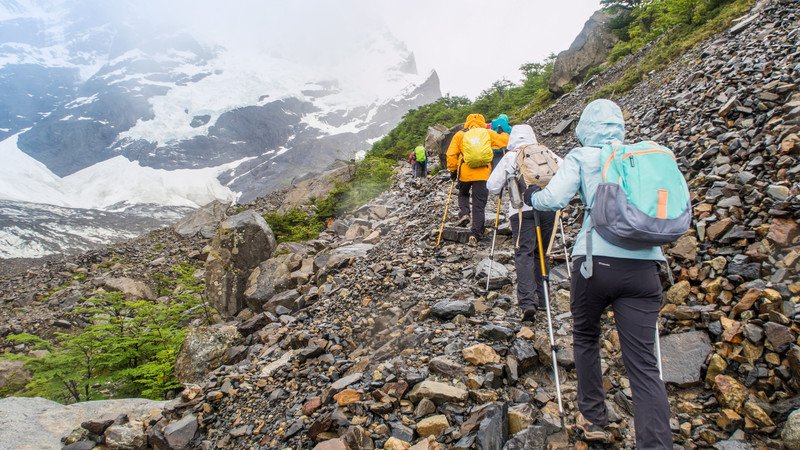
Bliss – Although this word is indefinable, if you ever try to unravel its meaning, trekking in Nepal gives you the best depiction. Such awe-inspiring is the beauty of Nepal trekking that whoever comes here falls in love with its wonders. From the snow-laden Himalayan hills to picturesque waterfalls, the experience of trekking in this nation is filled with numerous breathtaking sceneries. Since Nepal is located completely in the lap of the Himalayas, the temperature remains its pleasing aspect. Among the best treks in Nepal, Annapurna base camp, Everest circuit, Langtang Valley trek, Makalu circuit, etc. are the prominent ones.
3. Yoga retreat/ Yoga Teacher Training Program
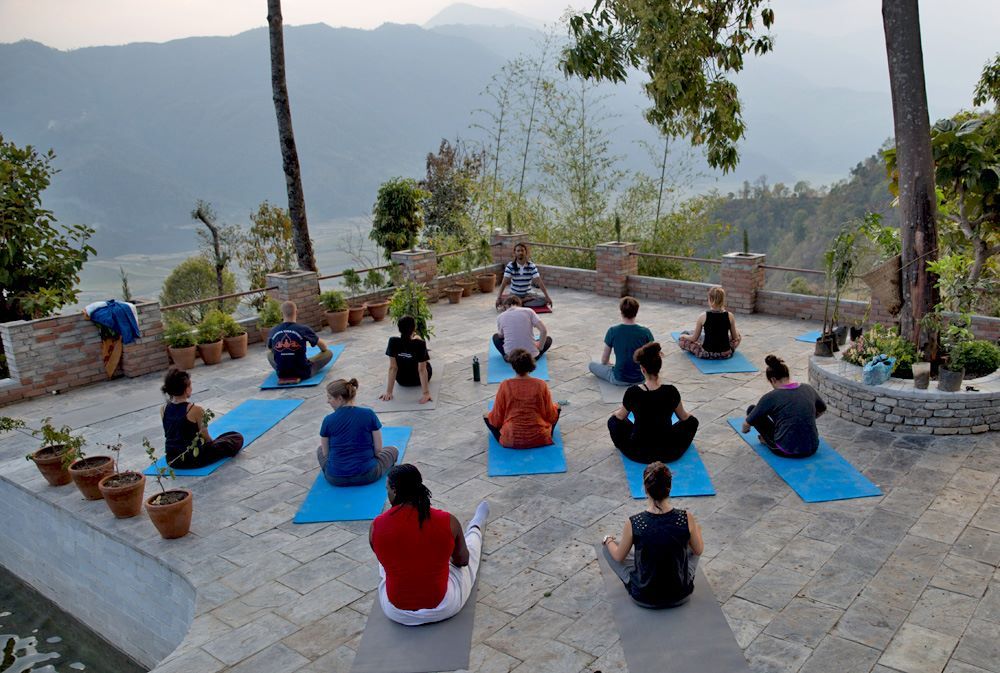
Yoga is one of the most lucrative things to witness and practice in Nepal. The country is among the first places in the world where Yoga flourished as a philosophical science. Being the birthland of one of the greatest yogis, Gautama Buddha, Nepal offers the finest standard of Yoga education. Like in India, the purest form of Yoga is still an exercise in the Himalayan nation. If you are interested in exploring ancient science, take part in a Yoga teacher training. Rejuvenate your mind, body, and soul with the finest quality Yoga retreat programs in Nepal. In the spiritual country, you will witness various types of Yoga practice, from the Vedic era philosophies to the contemporary ones. Nepal offers you the most pleasant environment to indulge in Meditation, Pranayama, and other yogic practices.
4. Historical trip
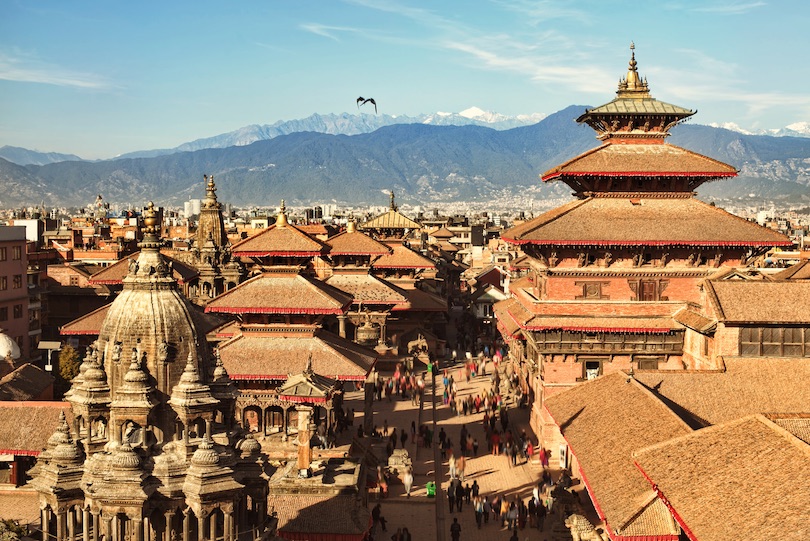
Nepal is a country of rich heritage. Throughout its history, multiple dynasties have ruled the country, creating flourishing events. The historical legacies of Nepalese kingdoms are worth exploring. A number of royal buildings such as Laxmi Niwas, Babar Mahal, Bagh Durbar, Ranighat palace, etc. give you a glimpse of how astonishing Nepal’s history has been. Do not forget to traverse the Durbar Squares of Nepal located in the Kathmandu Valley. These are UNESCO World Heritage Sites. Janaki Mandir in Janakpur gives you a glimpse of the Treta Yuga history of Ram-Sita marriage. Mustang Caves are great examples of man-made caves with rich historical beauty.
5. Nature visit
Traveling through the lap of Mother Nature is among the most blissful things one can do in Nepal. It is adorned with tremendous calmness, incredible soul enchantment, and deep fascination. While you are in Nepal for any form of vacation, take a moment or two to descend into the soulful river of natural beauty. Most of the people, who visit the Himalayan kingdom, find solace in its many parks including Chitwan National Park, Bardia National Parks, and Shey Phoksundo National Park. You can sit by the sacred Bagmati River and embrace its purity. Taking a bath in Rupse Chhahara is also one of the most delightful things to do.
6. Adventurous activities: Fascinating Things to Do in Amazing Nepal
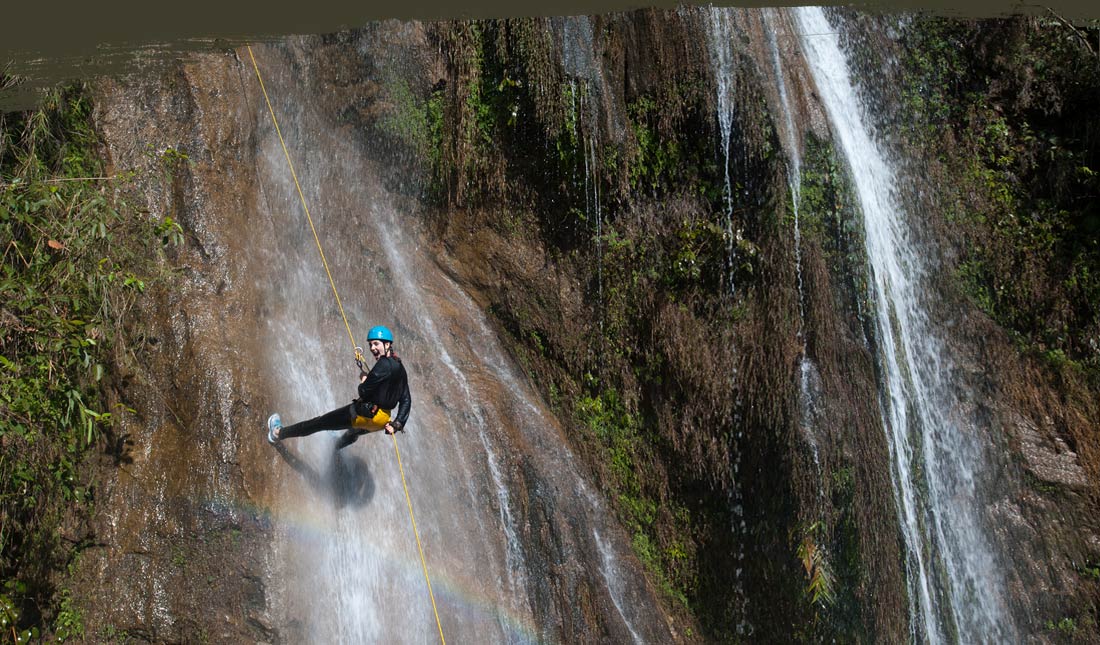
Apart from these above-mentioned delights, Nepal is home to a lot of adventurous activities. You can adorn your life with such soul-stirring moments in Nepal. Rule the open sky with paragliding in the city of Kathmandu, and let the thrilling element of life get a new soul with Bungee jumping. Jungle Safari is quite popular in Nepal’s rich and dense forests. Amidst the spectacular panorama of Mother Nature, feel real independence by having an experience of biking in the mountains. Over Mount Everest, the feeling of flying in a helicopter is something that can’t be expressed in words. Do not miss the opportunity to engage in river rafting in Nepal.
Bon Voyage!!!
10 Reasons To Do Your Yoga Teacher Training
Your yoga teacher training will change your life. I know this may sound like an overstatement that could not possibly apply to everyone but I am sure of my sentiment. Yoga teacher training should be thought of as an inward journey. They will certainly teach you practical yoga skills like alignment and proper body awareness to help you avoid injury. But what they have to offer goes so far beyond the physical, it is amazing. Even if you never intend to teach a day in your life, here are 10 Reasons To Do Your Yoga Teacher Training.
1. Learn New Things About Your Body
Throughout your yoga teacher training, you will be led through several ‘asana labs’. There you will get to fully dissect different postures and how your body expresses them.
I learned so much about my unique physiology in my yoga teacher training. It gave me a million tools to take back to my regular practice. I now have a much better understanding of what my body can do, and what adjustments I need to make for a practice that supports it.
2. Avoid Injury In All Life’s Activity
You will be so much better able to move through your life without getting hurt with your newfound body awareness. You will walk more mindfully, run more mindfully, ski more mindfully, and so on. Also, you will become better able to predict the abilities of your body. Thus, it will be able to stay strong and limber for life.
3. Discover Your Strength
In your yoga teacher training, you will be tested. Your will, ability to hold postures, ability to focus, your ability to speak in front of people, all will be strengthened and stretched. You will come out of the other side of your training feeling physically, mentally, and emotionally stronger.
4. Forge New Relationships
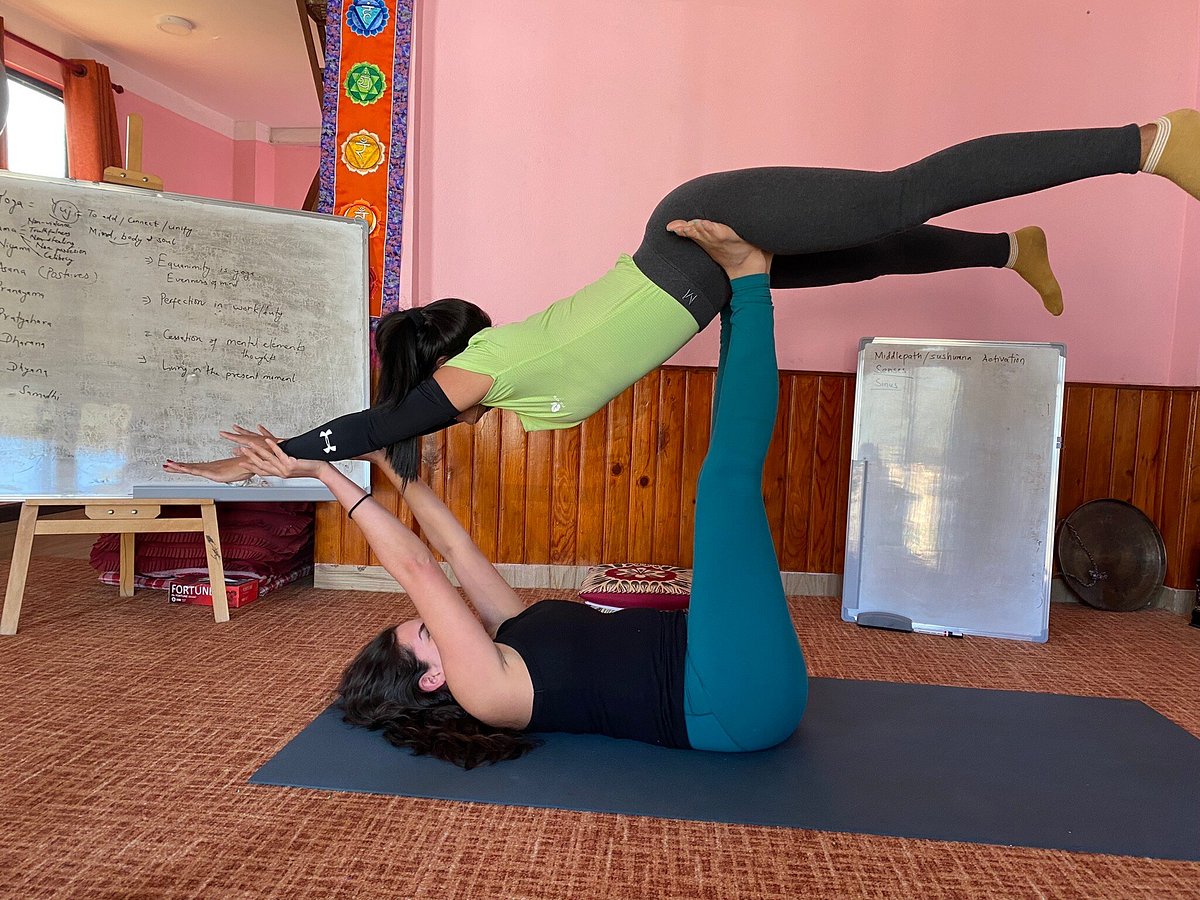
There is nothing quite like going through the experience of a yoga teacher training. And those you meet in your training will forever hold a special place in your heart. You will understand each other in a very unique way at the end of your course. Also, there is a good chance that you will make friendships that last a lifetime. This is also one of the 10 Reasons To Do Your Yoga Teacher Training.
5. Deepen Your Asana Practice
This goes without saying – the attention to detail, the longer practice sessions and the newfound awareness of alignment will all help you to take your practice to a whole new level. There is a good chance that you will come out of your training expressing postures you never dreamed you would be able to.
6. Deepen Your Spiritual Practices
The study of the Yoga Sutras, the chanting, and the meditation practices that will be brought into your life through your training will most likely help you to transform your spiritual practice. These are sacred tools that you can use in your daily life that will help you to connect to yourself in a deeper way.
No matter what your current spiritual practices are, there is a good chance they will be deepened through your training.
7. Learn New Things About Your Mind
You will start to notice more of your thought patterns in asana, meditation, lecture, and presentation. This information will help you tune into your mental tracts. You will gain a clearer understanding of how your mind currently works. Then you will have the information you need to help you make changes if needed.
Generally, the act of becoming aware is the most powerful tool for transformation.
8. Connect With Your True Self In A Deeper Way
Learn how your unique body and mind work through learning. And through your deepened spiritual practices, you will most likely walk away with a deeper sense of who you are as an individual. This will help bolster your confidence in everyday life, and help you sit easier in your skin.
9. Learn The Art Of Expressing Yourself
Through the act of practice teaching, you will learn how you communicate. How effective this communication is in the way of allowing you to express what you want to express. Through this practice, you will be able to develop even better communication skills. It allows you to translate your thoughts and feelings more effectively to others.
10. Gain Confidence In Your Abilities
You will fall, stumble, and fumble over your words. Learn the art of picking yourself up, laughing it off, and continuing. You will walk out of your training with a new sense of how much you can do, how far you can go, and how amazing you are—right here in this moment.