
What is Ayurvedic Massage?
Introduction:
When traveling, you should experience as much of the local culture as possible. So what would I suggest for you to relax using Abhyanga? (Ayurvedic Massage ). Abhyanga is a synchronized massaging of the body towards the direction of the movement of arterial blood. In practical terms, it means massaging the body in the direction of the body hair.
Ayurvedic massage uses a variety of movements, from strong pressure to delicate strokes and pinching or kneading motions. They tend to follow the flow of traditional energy channels, which mirror the nerve pathways (and typically correspond to the direction of hair growth). The scientific reason for this may be due to the increase in blood flow toward the most distal parts of the body. If the massage is done towards the heart, or in the direction opposite to that of the body hair, the massage may overwhelm the heart through the increased venous return.
Ayurveda Glossary:
Dosha: The Central Concept
A dosha is akin to the Western idea of a constitution, a bodily principle that determines physiology and personality. Ayurvedic belief holds that there are three doshas—vata, pitta, and kapha. Everyone has all three but in varying degrees. (It’s rare for a person to have equal amounts of each one.) One dosha is usually dominant, but it changes as we age. Kapha is preeminent during childhood, pitta from puberty to middle age, and vata takes over at around 55. When the doshas are in harmony, a person is healthy.
Vata: The ruling elements are air and ether (or space). Characteristics: very short or tall and thin, dry skin, creative, restless, excitable. Irregularity in action and fluctuation in thought is characteristic of this personality.
Pitta: The ruling elements are fire and water. Its prime characteristics are well-built, having good digestion and metabolism, being intelligent, bold, and being hot-tempered. Tend to be perfectionists.
Kapha: The ruling elements are water and earth. Its prime characteristics are heavyset, slower moving, slower digestion, calm, forgiving, reliable, envious, and possessive.
Pulse diagnosis: The primary means for determining an individual’s dosha. The index, middle, and ring fingers are applied to the wrist, with each reading one dosha (index reads vata, middle reads pitta, ring reads kapha). The strongest pulse is the predominant dosha.
Agni: The digestive power of the individual or, as Ayurvedic Institute founder Vasant Lad puts it, “the biological fire that governs metabolism.” Mainly there are 13 types, the most important of which is maharani, which is the enzyme in the digestive tract.
Ama: Toxins that can be created by undigested food in the intestines. Lad calls it “the root of all disease.”
Ojas: The opposite of ama, the vital life energy that Ayurveda seeks to maximize. Symbolized as eight precious drops that live in your heart. Two types are: Apara Ojas- inherent energy present from conception and Para Ojas- produced by proper eating, activity, and breathing
Panchakarma: Literally “the five ways,” a system to eliminate toxins via laxatives, enemas, vomiting, tongue scraping, blood purification, and nasal administrations.
Vaidya: An Ayurvedic physician from India.
What makes it different from a regular massage?
The heavy use of essential oils and focus on specific energy points in the body make an Ayurvedic massage different from your run-of-the-mill Swedish massage. Plus, don’t expect a ton of actual massaging—the treatment is much more focused on manipulating your energy fields and freeing emotional burdens than working out the kinks in your muscles.
My massage also used tuning forks, and metal tools that vibrate and can be placed in spots on the body to relieve tension physically and mentally. At Haven, they used a 136.1 Hz weighted fork that “helps to release strain and stress in the heart,” according to Lara Katsman, Haven’s Head Massage Therapist & Creator, and a 174 Hz unweighted fork that “gives our organs a sense of security, safety, and love.”
Top 6 Helpful Tips For Becoming A Yoga Teacher
Once you’ve experienced the boundless knowledge of Yoga, a Strong desire develops among people to share this ancient practice with the world. But how do you become a fully-fledged Yoga teacher? Where do you start? How do you get a regular slot teaching? Further Tips for Becoming a Yoga Teacher.
First of all, embarking on the journey of a Yoga Teacher Training will give you the credentials and the right skills to step onto the path to becoming a Yoga Teacher. There are many pieces of training around the globe from two-year non-residential training to intensive 200-hour training in countries; from Nepal to Indonesia. Picking the right training is very important.
After you’ve graduated you are out in the big, wide world of yoga ready to teach. So, there are many things that you need to keep in mind before a perfect guru.
What to Organise Before Teaching
The most important thing to have in place as a Yoga Teacher is your insurance.
Nowadays, there are a lot of companies that highly specialize in insurance coverage specifically tailored to Yoga Teachers. Check that the style of yoga that you teach is covered and where you are insured to teach as if you were teaching at your home, you may need more cover. Ask your insurance company if you need any additional cover if you teach pre or postnatal yoga, aerial yoga, kids yoga, and any other yogic practices other than asana. Most companies will give you comprehensive Public Liability Insurance, which will cover you teaching at studios or community centers, but check if where you are teaching requires anything else as well.
Storing your certificates and filing them together is a sensible thing to do when you need to show them to either a studio or an organization before you teach. Keep them clean and neat in a folder, but as well consider making copies of your certificates if anything were to happen. Some establishments will request to see your certificates, others may not. However, it is an important document to keep safe for the future.
2. Who are you teaching?
Deciding on who your target audience is, is important. Try to be as inclusive as possible as you find your niche. There may be the chance of spreading yourself too thin if you are trying to appeal to anyone and everyone all at once. Ask yourself, who are you trying to help and why? Think about the needs of those around you, and how yoga may be able to bridge that gap. Basically, this means finding those people that are very well suited to your style of yoga.
3. Getting started teaching
Building up the confidence to teach is tough, but try and dig deep and teach as much as you can, wherever you can. The longer you leave it to teach, the harder it will be. This doesn’t mean going straight out to the most popular yoga studio in town and asking for a job, it’s about teaching those close to you. Providing classes to friends and family is an invaluable resource as a graduate teacher. Once you feel a little bit more used to the structure of a class and how you want to teach, then consider going out and teaching sessions in public places.
Teaching people you know may help you feel more comfortable and can encourage confidence. They can also provide feedback and constructive criticism, if needs be, which will help you learn and grow the more you teach.
As there is this saying by Corey Wu “Don’t wait to teach!’
4. Where To Teach
There will be big questions after you get your certification about where to teach. If you plan on opening your studio. Then it will need some time and money. But if you wanna work in a different studio then, you could apply to yoga studios or fitness centers in your area, just because you are a new teacher doesn’t mean you won’t be considered. Some studios will ask for a certain amount of experience before leading a class, but they may also offer apprenticeships or the chance to assist in classes with other teachers. The studio will often ask you to do a trial class or an audition so they can assess your teaching ability. Preparing a sequence beforehand and going over it thoroughly will help.
5. How to Advertise
Marketing yourself in our modern world is something of a must, but it doesn’t have to feel uncomfortable or ‘un-yogic’. Start by deciding what you will call your business as a self-employed teacher, using your name is a straightforward way for people to find you easily.
Decide on your rates for your classes, private 1-to-1s, or corporate sessions. Take into account the prices of other fitness classes and how much rent you’ll be paying. Or if you are taken on by a studio or sports center agree on a rate of pay for your classes.
As you find spaces to teach at look into how you’ll advertise the classes and who you’ll advertise to. Handing out flyers, advertising on social media, and posting in local groups or newspapers are all ways to get the word out about your classes to potential students.
6. Learning Never Ends
The great aspect of choosing a yoga teacher as your career is the opportunity to keep learning continuously as well as being a student of yoga for life. Doing a training course is the first stepping stone into teaching, yet there are many more training, workshops, and courses that you can do to help you expand your knowledge. Through the rise of online learning, there are many opportunities to study courses offered by many well-known teachers from across the globe, to help you learn at a pace suitable for you, in your own home.
Another way to learn, as well as a way to find a dose of renewed inspiration, is to attend classes with more experienced teachers in your area. This is also a great way to get to know other teachers and to network, which could lead to further opportunities in the future. You may be able to cover their classes if they need a hand or assist them in workshops. It’s also great to have someone who may be able to give you some support as you navigate teaching and running your own business.
Basti (Enema)
Overview
Basti involves the introduction of certain oils, and herbal decoctions, into the colon through the rectum, for removing toxins accumulated in the intestines and colon.
Benefits
Basti puts the body into a state of balance by nourishing the colonic flora. A localized and symptomatic treatment, Basti has multiple effects for treating various illnesses such as chronic constipation, low back pain, sciatica, rheumatism, gout, arthritis, and neuromuscular disorders. It is considered one of the best remedies for numerous psycho-somatic diseases.
Contraindications: Avoid the treatment during pregnancy and menstruation, as well as for those suffering from diarrhea, inflammation of the anus, or rectal bleeding.
Steps of Basti
- The best times for basti are in the early morning or evening (vata times).
- The stomach should be empty; wait at least three hours after eating.
- Make sure the environment is warm, comfortable, and clean. An area where you can lie down near a toilet is best.
- Materials needed include an enema bag or syringe, measuring cup, hotplate or stove, oil and/or herbal substance, and towels.
Basti is typically administered in two stages: an oil stage and a decoction stage. In the first stage, a practitioner introduces five ounces of warm sesame oil into the rectum. Then, the patient retains it for ten minutes. Without expelling the oil, the practitioner then introduces an emulsion of oil and herbal tea, which the patient retains for thirty minutes. This mixture consists of five ounces of sesame oil combined with sixteen ounces of herbal tea. It is made by steeping herbs in hot water, straining, and cooling the liquid to body temperature or slightly warmer.
Suspend the enema bag three feet above your position. After filling the bag with the appropriate fluid, expel all the air from the tube. Lie on your left side with your left leg extended and your right knee flexed. Lubricate the tip of the syringe with oil or ghee, then clean and lubricate the anal area, checking for any hemorrhoids, fissures, or fistulas. Carefully and slowly insert the tip into the rectum, release the clip to allow all the fluid to enter, and then remove the tip. Next, assume a hands-and-knee position, elevating the buttocks to relax the colon. Gently tap the colon area, starting from the sigmoid, and moving through the transverse colon to the ascending colon and caecum. Finally, periodically massage the colon in a counterclockwise motion.
After retaining the fluid for the appropriate time, sit on the toilet to pass the fluid and fecal matter. You may want to wear a sanitary pad for a few hours following Basti in case of any residual oil seepage. It’s good to eat an hour or so after Basti, but only when you feel hungry.
Steam Bath: Benefits
A steam bath room is created when a water-filled generator pumps steam into an enclosed space so there is moisture in the air when people are sitting in it.
The temperature inside a steam room is generally between 110°F and 114°F with a humidity level of 100 percent.
Steam Bath: Benefits
Skin health
Both steam rooms and saunas will make a person sweat due to the heat. The sweating opens up the pores and helps cleanse the outer skin.
Warm condensation will help rinse away dirt and dead skin and has been used in the treatment of acne.
However, what a steam room also does that a sauna does not is help remove the toxins trapped below the skin.
Loosens stiff joints
A steam room can also be used before a workout, as it helps to loosen up the joints and increase flexibility, just as a pre-workout warm-up does.
Burns calories
When a person is inside a steam room their heart rate increases. If they use a steam room after exercise, then their elevated heart rate can be prolonged.
Experts have found that when used alongside a healthy exercise program, the heat generated by the steam room and the sweating it causes can
Sauna
A sauna is typically a room heated to between 70° to 100° Celsius or 158° to 212° Fahrenheit. Traditional Finnish saunas usually use dry heat, with a relative humidity that is often between 10 and 20 percent. In other sauna types, the moisture is higher. Turkish-style saunas, for example, involve a greater level of humidity. Its use can raise the skin temperature to roughly 40° Celsius or 104° Fahrenheit. As the skin temperature rises, heavy sweating also occurs. The heart rate rises as the body attempts to keep cool. It is not uncommon to lose about a pint of sweat while spending a short time in a sauna.
Health benefits of Sauna
1. Improves cardiovascular performance
The heat from the sauna relaxes the body’s muscles, improves circulation and stimulates the release of endorphins. Endorphins are the body’s all-natural “feel good” chemical, and their release provides a truly wonderful “after sauna glow.”
2. Aids in recovery after intense physical activity. Relaxes muscles and soothes aches/pains in both muscles and joints
After participating in physical sports, use the heat and/or steam of a sauna to promote muscle relaxation by helping to reduce muscle tension and eliminate lactic acid and/or other toxins that may be present.
3. Flush Toxins
Due to the heat of a sauna, the core body temperature begins to rise. The blood vessels then dilate, causing increased blood flow (see above). As heat from the blood begins to move toward the skin’s surface, the body’s nervous system then sends signals to the millions of sweat glands that cover the human body. As the sweat glands become stimulated, they produce sweat.
4. Skin problems
A dry sauna dries the skin during use. Some people with psoriasis may find Trusted Source that their symptoms reduce while using a sauna. However, those with atopic dermatitis may find that it worsens.
5. Lower risk of Alzheimer’s?
A 20-year study was conducted with more than 2,300 participants at the University of Eastern Finland by Dr. Jari Laukkanen and his colleagues. The study revealed regular sauna use (4-7 times per week) at 176 degrees F for 19 minutes lowered the risk for both Alzheimer’s & Dementia.
Precautions :
- Drink plenty of water
- Avoid use of it, if a person is ill
- Avoid alcohol
SINGING BOWLS (Dwani Patro) & THE CHAKRA CONNECTION
Chakras are the concentrated energy centers of the body. Chakra is a Sanskrit term that means “wheel” or “disk” and is derived from the root word “cakra”. Chakras are spinning wheels of energy/light. Chakras have the loving responsibility of taking in, incorporating, and emanating energy to keep us functioning at optimal levels. Talking about SINGING BOWLS & THE CHAKRA CONNECTION.
1st Chakra (Root/red) – survival
2nd Chakra (Sacral/orange) – creative
3rd Chakra (Solar Plexus/yellow) – power
4th Chakra (Heart/green) – love
5th Chakra (Throat/blue) – expression
6th Chakra (3rd Eye/indigo) – intuition
7th Chakra (Crown/violet) – spiritual connection
The Chakra System is very interesting because it reflects the vibrational level of you … both your inner and outer worlds. When you balance chakra energy, it reflects in a more balanced life physically, emotionally, and spiritually. Each chakra also corresponds to a different body area, neural network, organ system, vibration, color – and a different musical note or frequency:
1st Chakra – Note C – skeletal/spine
2nd Chakra – Note D – reproduction/bladder
3rd Chakra – Note E – stomach/liver
4th Chakra – Note F – heart/circulation
5th Chakra – Note G – lungs/throat
6th Chakra – Note A – sinus/lower brain
7th Chakra – Note B – nerves/upper brain
Everything vibrates … and where there is vibration … there is sound. Every atom, molecule, cell, gland, and organ of the human body absorbs and emits sound and has a ‘vibration signature’ that reflects your emotional and physical health.
When an organ or body part is healthy, it creates a natural resonant frequency in harmony with the rest of the body. Basically … we emit sound. And just as a musical instrument can go out of tune with use, so can our bodies – creating disharmony & disease.
Conclusion
Singing Bowls can help balance the Chakra energy system. Each crystal bowl is specifically tuned to a chakra frequency. When singing bowls are played, and particular sound frequencies are projected into a dis-eased area, correct harmonic patterns can be restored.
Scientific studies show that sound can produce changes in the autonomic, immune, endocrine, and neuropeptide systems. Disharmony within the body can be restructured by sound.
The sounds from singing bowls are calming and induce a sense of peacefulness … it is a relaxation that goes beyond the physical body. The tones of each chakra bowl will permeate your system – resonating your essence – so that inner chaos, conflict, and dissonance seem almost immediately to be transformed into harmony.
Pranayama
Yoga breathing, or Pranayama, is the science of Prana (vital energy) which is referred to as a source of all life in all living beings in this universe. It consists of a series of breathing exercises especially intended to meet the body’s needs and keep it in vibrant health.
Other than for increasing vital reserves in the body, Pranayamas are mainly practiced for stilling the mind and thought process – as the prana and thoughts are no different. According to Yogis, we can control our thoughts by the breath, and breathing is a tool to harmonize the body, mind, and consciousness.
Mechanics of Breathing
In our respiration process, we inhale oxygen into our bodies. The air goes through our body systems as a form of energy to charge our different body parts. Then we exhale carbon dioxide and throw away all toxic wastes from our bodies. However, our lives are full of stress and our minds are a madhouse of non-stop thoughts that stop us from breathing properly. Eventually, our breath becomes fast and shallow – thereby using only a fraction of our lung capacity.
Thus, the lack of oxygen and not being able to completely rid our bodies of carbon dioxide may lead to health problems. Heart disease, sleep disorders, and fatigue are just a few of the effects of a lack of oxygen and prana to the body. The mind becomes like a restless monkey with non-stop thoughts complicating our lives.
We can enhance oxygen intake and also exhale carbon dioxide fully by practicing deep and systematic breathing through Pranayama, which can energize the body with fresh prana. Vitality, calmness, alertness of mind, concentration, and glow of the skin are some of the many benefits of Pranayama.
Why Pranayama?
Breathing is a normal part of our lives, though we fail to pay attention to it. It is a voluntary function of the body that we perform without thinking. Why then do we have to learn yoga breathing? Here are some reasons why Pranayama is important:
- Pranayama teaches us the proper way to breathe. We have become accustomed to breathing from our chests, using only a fraction of our lungs, not knowing that this is an unhealthy and unnatural way of inhaling and may lead to complications. With yoga breathing, we increase the capacity of our lungs, bringing more oxygen supply to the body to function well. We learn how to breathe slowly and deeply – the right way.
- Pranayama reduces the toxins and body wastes from within our bodies – thereby preventing diseases at their roots.
- Pranayama helps digestion. With the proper way of breathing, one’s metabolism and health condition will start to improve and constipation will be relieved.
- Pranayama develops our concentration and focus of mind. It can counteract stress and relax the body much deeper than sleep.
- Pranayama offers better self-control. Through concentration, one can better handle one’s temper and reactions. The mind can function clearly, avoiding arguments and wrong decisions. Moreover, self-control also involves control over one’s physical body.
Moon Gazing (Moon Trataka)
Overview: Moon Gazing
The object you gaze upon can be just about anything: A candle flame, a campfire, or a picture of your grandma. In this meditation, you are moon gazing (moon trataka).
So Why, Stilling the eyes is not the only way to achieve stillness of mind, but it is a powerful way, and the feedback is much quicker. Schools of Yoga, Zen, and Tibetan Buddhism have developed open-eye meditation techniques based on this principle.
The moon itself is a powerful meditation object because it influences subtle psychic energy and dream functions. Very sensitive people tend to be quick to notice this.
You can practice this technique as a full moon meditation or nightly, whenever the moon is available. You can also snap a picture of the moon so that you have something to gaze upon when the moon is unavailable. If gazing at the photo, you can darken the room just enough so that your focus is entirely on the photo.
There’s something about the changing cycles of the moon that makes this moon gazing practice special. They remind the psyche about the cycles of life. Ultimately, all experiences of phenomena can be broken down into vibrations and cycles. All matter is ultimately a collection of tiny vibrations of light.
Benefits of Moon Gazing
1. Relief from insomnia
2. Remarkable concentration abilities
3. Correction of eye problems such as myopia, farsightedness, and the early stages of cataracts (I haven’t verified this, but it’s a common claim)
4. Development of the third eye and intuitive abilities
5. Deep relaxation and many of the other benefits you receive from meditation
Why Yoga Practice Is Better Than Gym Workout
Overview
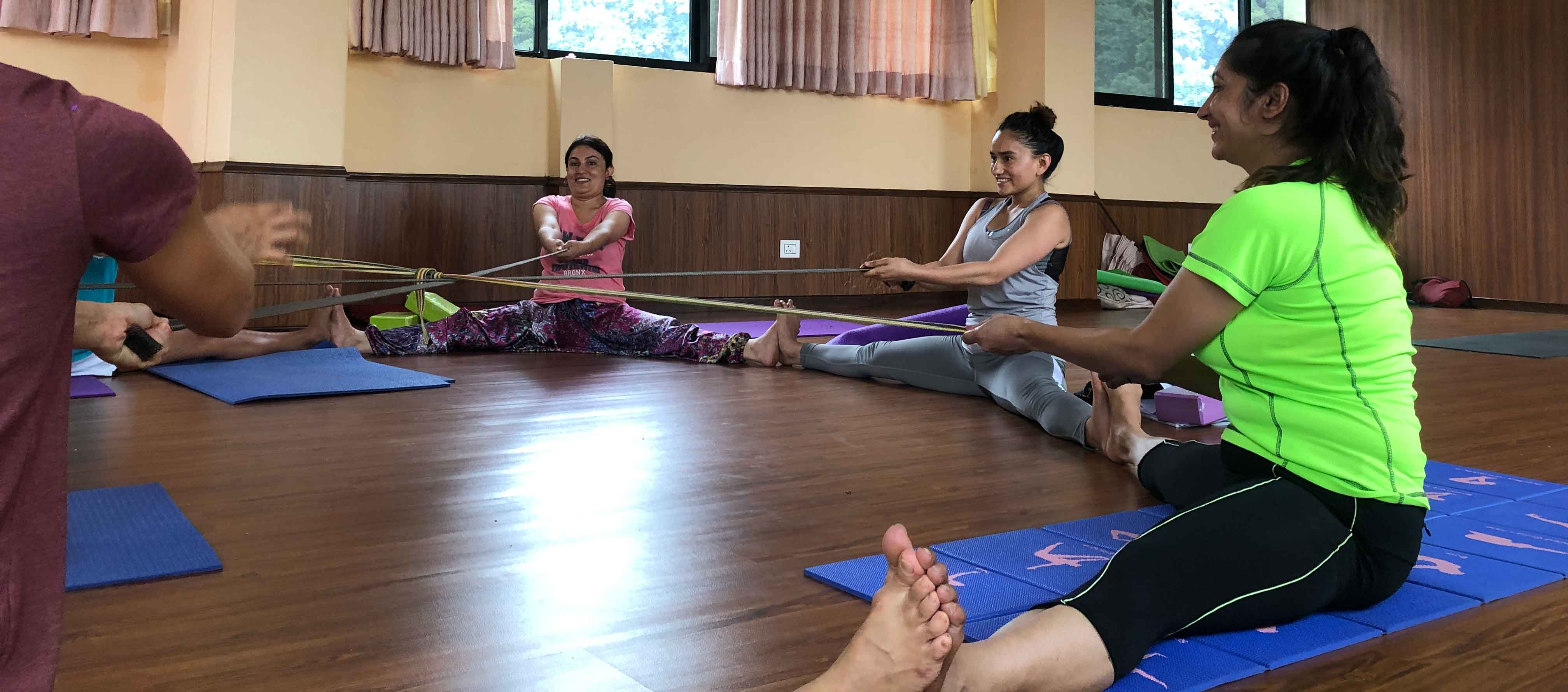
In this present rapid world, people are very enthusiastic about this question that is: Which is better Yoga Practice or Gym? So with full info: We will explain here: Why Yoga Practice Is Better Than Gym Workout.
Asanas in yoga generally involve a lot of stretching, bending, and folding. This has a major positive impact on your digestive system, blood circulation, the lymph system, and more. It helps in detoxifying your body too. And all this happens while you are practicing complex postures to strengthen your body. In a gym workout, the major focus goes on the muscles and increasing their strength. It doesn’t do so much for the internal body.
1. You learn to accept yourself
Truly saying lot of people might have been to the gym at some point in their life. It’s great if things go well as per your plan. But if they don’t you end up feeling envious and worthless; neither is good for your mental health. In a yoga class, regardless of whether you’re a beginner or a seasoned campaigner, you will always see people who can perform the asanas better than you. There you will learn that yoga is not about improving the self but rather accepting the self.
2. Yoga schools help you focus on yourself
Gyms are often packed with mirrors. It is common for people to stand in front of a mirror and lift while focusing entirely on the exterior, with the mind being totally distracted. Unlike gyms, there are no mirrors in yoga schools. So when you practice you can focus on everything that is happening inside your body. You can focus on your breath and think about what every muscle is doing.
3. Yoga teaches acceptance
Yoga helps you believe you’re perfect the way you are—with your strengths and your weaknesses. It’s true what they say — yoga is not about self-improvement, it’s about self-acceptance. Gym classes, especially boot camp style classes, are more likely to have you feeling like a failure if you can’t do everything.
4. Yoga is kinder to the body.
This does not mean yoga is not intense. Just ask anyone who practices Ashtanga. Yoga builds heat and works your muscles, but you’re doing what your body allows you to do and not attempting to lift weights and pound on the joints—both of which can cause injury. Yoga also stretches as you move through the postures and a good yoga practice builds on itself to prepare the body for the next position.
5. Everyone can practice yoga
No matter your age or your health, you can practice yoga. Yoga has even been found to help people who have health ailments ranging from Parkinson’s to cancer. Gym workouts, in general, are not designed to be therapeutic, or senior-friendly.
Benefits Of Panchakarma Treatment
Overview: Panchakarma Treatment
A word that came from Sanskrit scripture, Panchakarma essentially means ‘five treatments’ or ‘five actions.’ This treatment cleanses the body of toxic matter, often left by poor dietary habits and diseases. Further about the Benefits Of Panchakarma Treatment.
Normally, the human body has a natural ability to process and remove waste matter, including vitiated doshas. However, due to repeated dietary indiscretions, genetic predisposition, irregular exercise, and poor lifestyle habits, the metabolic co-factors, digestive enzymes, and hormones that regulate internal balance can become disorganized. When this happens, it can bring accumulation as well as spreading of harmful toxins throughout the whole body, leading to all kinds of diseases.
All such waste matter is referred to as “ ama” in Ayurveda (the Indian medicine system). Ama is a sticky, harmful, and foul-smelling substance that the body must eliminate.
Ama refers to an undigested substance derived from food that the body absorbs without proper assimilation. Such partly digested material cannot be used by the system, and acts to clog it, eliciting an immune reaction.
Benefits of Panchakarma
- Cleared toxins from the entire system
- Balanced Doshas
- Healed digestive system
- Enhanced immunity
- Decreased stress
- Anti-aging
- Improved skin luster
- Weight loss (if overweight)
- Deep relaxation
- Meditative outlook in life
- Enhanced mindfulness
Panchakarma treatment purifies the body’s tissues at the deepest level and involves nasal administrations, herbal enemas, oil baths, and everyday massages. Overall, it provides a highly pleasurable experience that cleanses the body from the core. Ayurveda recommends it as a seasonal treatment, especially for maintaining balance and hygiene at both the physical and mental levels.
Panchakarma treatment helps in the effective removal of any excess doshas and aids correction of any imbalances in them too.
Om Santih Santih Santih !!!!!!