
8 Reasons To Take Your Yoga Teacher Training In Nepal
Nepal is a very unique and pinnacle country known as the country of Shiva Civilization. Shiva is known as by the name Aadiguru, Aadiyogi, Aadinaatha, and Yogeshwora in Himavat Kshetra (Himalayan region), also known as the country of Parvati (Wife and first Disciple of Shiva) known as Shakti (energy, will and action), known as the country of Pashupati as Yogashaalaaa (first School of Pashupati or Shiva Yoga, is known as Chaturtha Yoga i.e. Hatha Yoga (Physical Balance), Mantra Yoga (Sound Energy), Laya Yoga (Rhythm) and Raja Yoga (Eternal). Learn 8 Reasons To Take Your Yoga Teacher Training In Nepal below:
8 Reasons To Take Your Yoga Teacher Training In Nepal
1. Practice Yoga At Its Birthplace
Nepal is the original home of yoga, many Eastern philosophers, and deep wisdom. Since ancient times, thousands of yogis and Rishis (sages) have meditated and practiced yoga in their quest for the attainment of wisdom in this beautiful country. The yogic vibrations of such great people increase the significance of this land, creating an atmosphere a wonderful practice. The culture and history of yogic meditation have been established here by thousands of Yoga Rishis who reflected nature with their asanas, since time immemorial. According to tradition, Lord Shiva, the true ‘Transformer,’ shared the yogic disciplines of Hatha, Mantra, Tantra, Shiva Yoga, and more with Parvati, the Hindu Goddess of fertility, love, and devotion, during their sacred conversations in the lap of the Himalayas.
2. The Most Affordable Place
The biggest reason why most people take your yoga teacher training in Nepal is that it costs much less compared to other parts of the globe. According to the research, the regular teacher training course in Nepal including the food, travel, and round-trip flights, will cost you the same as studying in your local studios.
3. Explore The World And Yoga
Choosing Nepal for your yoga practice can benefit you in many ways, other than going deep in yoga. If you like traveling and exploring new places then Nepal is the best place to visit. It is a country with diverse climates, Himalayan mountains, Culture, Religion, and many more. Here you choose from various famous destinations such as Kathmandu, Pokhara, Nagarkot, etc.
4. Reconnect With Mother Nature And Yourself
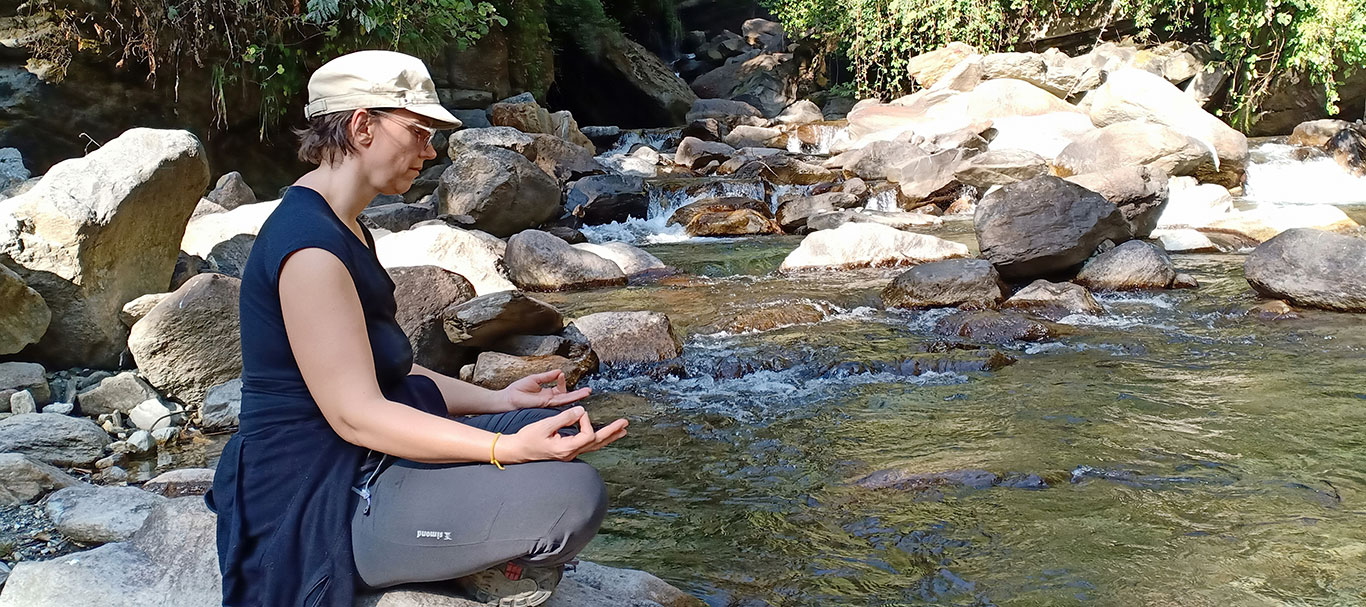
Nepal is a place where you can find every possible diversification in the land structure. It is encircled by a peaceful environment and lush greenery. The green fields, beautiful hills, calm rivers, and serene atmosphere are all you need besides your yoga training. Yoga Schools in Nepal will provide you with lifetime experiences and lifelong love by making you part of their family.
5. Certified Yoga Teacher Training Programs
Become a certified yoga teacher by enrolling in any Yoga Alliance Approved school in Nepal. There are various certified schools all over India with beautiful destinations and perfect surroundings that offer everything starting from comprehensive theoretical yoga practice to intense practical yoga practice along with various other activities. Also, the schools offer different levels of yoga teacher training programs, various retreats that vary in days, and daily practice sessions.
6. Delicious Nepali Food
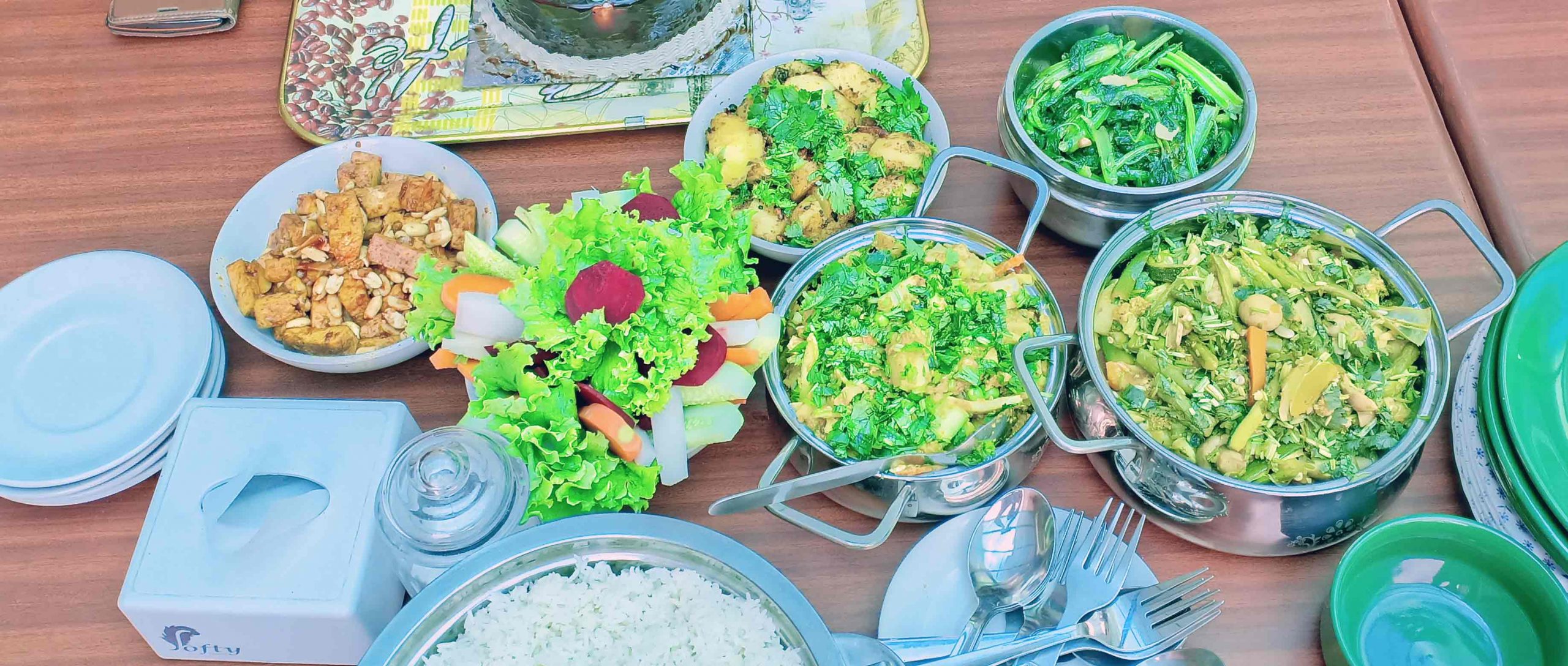
Nepalese Cuisine combines a range of ingredients, techniques, and characteristics from its neighboring countries, with its own gastronomic history. We provide Dal Bhat which is the staple food of Nepal, this thick lentil soup is made from black lentils or beans, which are slowly boiled to give a thick, gloopy texture, and then seasoned with the Himalayan herb jimbu.
Dal Bhat is normally served as part of a thali set – a metal tray holding separate metal bowls containing rice, curry, pickles, and vegetables.
We provide Ayurvedic meals to meet the daily body nutritional requirements. Besides, you will also get to explore and learn the new cultures, traditions, and people of Nepal.
7. To Learn a Disciplined And Structured Lifestyle
Nepal is widely known for its result-driven and strict educational system. Structure and discipline are, therefore, essential elements during your yoga teacher training in Nepal. The well-organized schedule of the yoga teacher training in Nepal will help you learning and gain experience more wonderfully.
8. Diversity In Climate And Safe Environment
Here is no seasonal constraint on traveling in and through Nepal. Even in December and January, when winter is at its severest, there are compensating bright sun and brilliant views. As with most of the trekking areas in Nepal, the best time to visit are during spring and autumn. Spring is the time for rhododendrons to bloom while the clearest skies are found after the monsoon in October and November. However, Nepal can be visited the whole year round.
So, Make Up Your Mind. You couldn’t find more reasons Why Choosing Nepal as a destination for your yoga teacher training in 2023/2024.
Himalayan Yoga Teacher Training in Nepal
We present an article on the Himalayan Yoga Teacher Training in Nepal. Yoga is a moment alive as a globalized understanding and practice for cultivating overall health, happiness, and harmony in life. Millions of people do yoga all over the world. The yoga teaching profession has finally begun to establish clearer, stronger standards of competence for yoga instructors. So they have more challenges to gain more knowledge and techniques about the content and subject matter.
They must need the sources of different texts matters such as Yoga Philosophy and fundamental ethics, Basic human body science, Yoga ethics and means, techniques of different yogic kriyas like Shatkarma, Yogasana, Pranayama, Bandhas, Mudras, and Meditation. They also need true masters for proper guidance and plans who have qualified academically and practically as well. This mission will be attained in the Himalayan Yoga Teacher Training Nepal 2020 (YTT) under the umbrella of Himalayan Yoga Academy.
Yoga Teachers, Yoga Masters, and even Teacher Trainers need comprehensive guidance and motivational tips. It also requires subject knowledge and authentic practicing patterns. For this achievement, Himalayan Yoga Academy is the perfect school for higher levels of schooling while doing the Himalayan Yoga Teacher Training Nepal under professional Yoga Professors in Nepal.
Yoga originated in Himavat Kshetra (Himalayan Belt) which is in Nepal, then it is promoted to South, East, North, and West almost south Asia.
There is much more evidence about the origin of Yoga in Nepal whenever talking about the Shiva Civilization developed in Himavat Kshetra, Maharshi Kapil ( Samkhya Yoga) in Kapildham, Kapilvastu, Nepal; Buddha Civilization in Lumbini, Nepal; King Janak Civilization, Janakpur, Nepal; Mahabharat hills in Nepal; Maharshi Patanjali In Nepal (As latest research by Prof. Dr. Vishnu Aatreya). Himalayan Yoga Academy is promoting live history all over the world by conducting different Himalayan Yoga Teacher Training Nepal 2020 and spiritual healing courses.
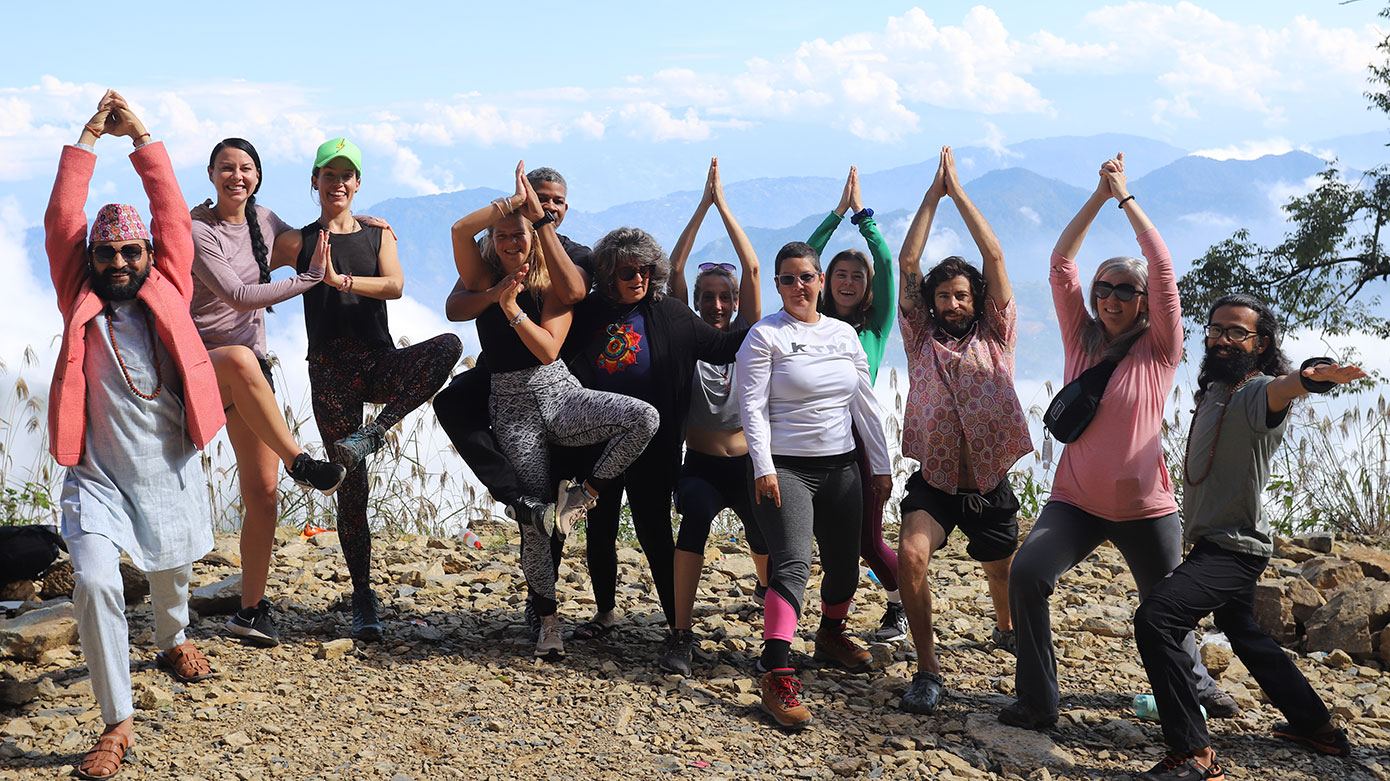
Himalayan Yoga Academy integrates traditional Yoga patterns and modern yoga asana sequencing while teaching in different courses like Nepal Yoga Teacher Training, and Yoga Retreat. Yoga is an art of living, so we teach here in Academy how to live to be healthier, happier, and more conscious.
The farther we go in our practice, the more we discover the vast universe of elements that are at play in the yogi’s incredible potential for enhancing our lives. We focus on the elements of a complete practice, the best structures to make the sustainable, ways of beginning yoga, ways of including yoga class, subtle exercises, pre-asana, sequence of Asanas, principles of breathing practice, techniques of meditation while teaching Yoga.
The art and science of teaching yoga are creatively expressed in how you craft asana, pranayama, and meditation sequences. It honors the needs and intentions of the students in your classes. Your creativity is given form by yoga philosophy, the style of yoga you are teaching, the biomechanics and energetic requirements and effects of asanas, and by your personal sense of purpose in meaningfully sharing Yoga.
Here we look to use our full palette of knowledge and skills to create classes that resonate with the needs and expressed intentions of students, offering them a clearer pathway to more radiant well-being.
Padmasana
Padmasana is a Dhyanatmak Asana (Meditated Asana) done in a sitting position, highly recommended for meditation. This pose, called Padmasana, is an intermediate to advanced pose that requires a great deal of flexibility in the knees and hips. As such, practitioners should always warm up their bodies with mobility exercises before practicing this pose. If the top knee does not reach the floor, a blanket or block may be used for support. Beginners may work towards padmasana by first practicing ardha padmasana (half lotus Yoga pose), in which only one foot is placed in the hip crease. Those with injured or weak ankles or knees, sciatica, or severe back pain should avoid practicing padmasana.
Padma = Lotus, asana = posture or pose, or position
Pronounced: Pa-dah-maa-sa-na
This asana gets its name from the Sanskrit language and is a combination of two words, padma which means lotus and asana which means yoga posture. This lotus pose is basically a cross legged yoga asana which helps in deepening a meditative state. Practicing this posture activates the internal organs of Abdominal and Pelvic cavity, alleviates many physical ailments, calms the mind and promotes the concentration.
Health Benefits of Padmasana (Lotus Pose)
- Opens up the hips.
- Stretches the ankles and knees.
- empowers the brain.
- Increases awareness and attentiveness.
- Keeps the spine straight.
- Helps develop good posture.
- Eases menstrual discomfort, digestive disorders, and sciatica.
- It Helps keeps joints and ligaments flexible.
- Increase the blood circulation in the lower belt of the human body.
- Activates the Mooladhaara, Svadhistana, and Manipura Chakras.
- Increases the concentration by single point gravity.
How to do Padmasana (Lotus Position)
- Sit on the floor or on a mat with legs stretched out in front of you while keeping the spine erect.
- Bend the left knee and place it on the right thigh. Make sure that the sole of the feet points upward and the heel is close to the abdomen.
- Now, repeat the same step with the other leg.
- With both legs crossed and feet placed on opposite thighs, place your hands on the knees in the mudra position.
- Keep the head straight and the spine erect.
- Hold and continue with gentle, long breaths in and out.
Mudras for Padmasana (Lotus Position)
Mudras stimulate the flow of energy in the body and can have amazing effects when practiced with this pose. Every mudra differs from each other, and so do their benefits. When sitting in Padmasana, you can deepen your meditation by incorporating either Chin mudra, Chinmayi mudra, Bhairaba Mudra, Adi mudra, or Bhrama mudra, Mudras of elements, and mudra of Prana as well. Breathe for a few minutes while in the mudra and observe the flow of energy in the body.
Pre-asanas: Half butterfly, Baby Rock, Butterfly, Swastikasana, Half- lotus
Padmasana (Lotus Pose) for Beginners
If you have a problem overlapping both your legs and sitting in Padmasana, you may also sit in Ardha-Padmasana (Half-Lotus pose) by placing one leg on the opposite thigh. Continue doing so till you feel flexible enough to progress to Padmasana.
Precautions or limitations of Padmasana (Lotus pose)
1) If you have weak or injured knees avoid doing this posture as it places lots of strain on the knees.
2) Avoid if you have a fracture and a current operation in parts of the legs, just a few months ago.
3) If you suffer from sciatica, it is preferable not to attempt this yoga posture.
4) In the case of ankle injury, do not practice this posture.
Sarvangasana
“Sarv” means all or entire in Sanskrit, and “anga” means limbs or parts of the body. So Sarvangasana translates as the all limbs pose, or the pose that benefits the entire body. Also commonly called the “Queen of all asanas”, the shoulder stand is one of the most important and beneficial poses in all of yoga. While this pose benefits the whole body from the toes to the top of the head, the pose also bestows tremendous psychological and energetic benefits. This asana is known to tranquilize the mind, and bring joy and confidence while helping to transmute lower energies.
POSE TYPE: Supine Pose
POSE CATEGORY: Inversion
ORIGIN: Hatha Yoga Pradipika
SANSKRIT: Sarvangasana (सर्वाङ्गासन)
PRONUNCIATION: sar-van-GAHS-anna
TRANSLATION: Sarva = All Anga = Limbs (Posture of All Limbs), Shoulder Stand
Health Benefits of Sarvangasana
- Stimulates the thyroid and parathyroid glands for proper health.
- Strengthens the arms and shoulders and keeps the spine flexible
- More blood rushes to head creating proper nourishment.
- Stretches the heart muscles by returning more venous blood to the heart
- Brings relief from constipation, indigestion and varicose veins.
- Tones the legs and buttocks, abdominal and reproductive organs.
How to Do Sarvangasana (Shoulder Stand)
- Lie on your back with hands by your side.
- With one movement, lift your legs, buttocks and back so that you come up high on your shoulders. Support your back with the hands.
- Move your elbows closer towards each other, and move your hands along your back, creeping up towards the shoulder blades. Keep straightening the legs and spine by pressing the elbows down to the floor and hands into the back. Your weight should be supported on your shoulders and upper arms, and not on your head and neck.
- Keep the legs firm. Lift your heels higher as though you are putting a footprint on the ceiling. Bring the big toes straight over the nose. Now point the toes up. Pay attention to your neck. Do not press the neck into the floor. Instead keep the neck strong with a feeling of tightening the neck muscles slightly. Press your sternum toward the chin. If you feel any strain in the neck, come out of the posture.
- Keep breathing deeply and stay in the posture for 30-60 seconds.
- To come out of the posture, lower the knees to forehead. Bring your hands to the floor, palms facing down. Without lifting the head slowly bring your spine down, vertebra by vertebra, completely to the floor. Lower the legs to the floor. Relax for a minimum of 60 seconds.
Sarvangasana Contra-Indications
- Neck injury
- Slipped discs
- High blood pressure
- Heart ailments
- Thrombosis or impure blood
- Enlarged thyroid, liver, or spleen
- Cervical spondylitis
- Diarrhea
Bakasana
Bakasana or Crow pose is the classic and basic arm balance. It seems harder than it actually is. Our Guru Subodh has helped many students into their first crow pose / bakasana. Many students have done it with proper guidance on how to do Bakasana.
How to do Bakasana (Crow Pose)
- Start this asana by first being in the posture of the mountain pose with your feet composed.
- Then slowly bend downward, placing your arms in the middle of the knees.
- Carefully, put your palms on the mat and just spread your fingers apart. Your shoulders should not be touching your body, and left apart from each other.
- Now, just start lifting your hips upward. Lift it as high as you can. After lifting, just start bending your elbows out to the side in such a way that the back of arms shelves rests on your knees.
- After attaining this pose just look down and focus on a point to increase your concentration level. Breath in, try to put the weight of your body on your toes to make the asana more exciting for you.
- Slowly exhale out, hold yourself in this posture to say about 3-4 minutes. Now lower your feet and carefully get back to your original position.
Benefits of Bakasana (Crow Pose)
- This asana is very good to make the muscles of your arms, shoulders and chest very strong.
- The pressure applied on your abdomen stretches your abdominal organs
- Your digestive system begins to function in a better manner, which means free from acidity and heart burn.
- Your heart and lungs have an extra spark due to this asana, as it makes better use of them, with the need for proper diet too.
- This asana can be claimed as one of the most important asanas for arms balance. It helps your upper back by stretching it and making it more flexible for better support.
- By continuous practice you can achieve that balance. It also helps to open the groins and tone the abdominal muscles.
Bakasana Contraindications
- Carpal tunnel
- Wrist pain
- Avoid during Pregnancy
- Fear of face planting
How To Do Halasana
‘Hal’ stands for ‘plow’, and ‘Asana’ stands for ‘pose’. Halasana or ‘the plough pose’ takes its name from the farming instrument, the plough, used by farmers across India to prepare the soil for sowing of seeds. In the sequence of asanas, Halasana is usually performed after Sarvangasana, which is a shoulder stand. According to Meenakshi Swami, the author of The Science of Yoga, “asanas like halasana, suryanamaskara, seershasana, and kapalbharti increase the flow of blood to your head, improving intellectual power as well as memory.”It’s one of those asanas that you can’t perform half-heartedly because you may seriously injure yourself. More on How To Do Halasana is explained below.
Targets: Shoulders, back, neck, hamstrings, and calves
Level: Intermediate
| Chakras | Crown Chakra (Sahasrara Chakra), Third Eye Chakra (Ajna Chakra), Throat Chakra (Vishuddha Chakra), Solar Plexus (Manipura Chakra) |
Benefits of Halasana (Plow Pose)
Physical (Anatomical) Benefits
- Muscles: The leg muscles, the back muscles, abdominal muscles, hamstring muscles, neck etc. This pose works on almost the entire body muscles starting from the tip of the toes to the cervical.
- Flexibility: The spine, neck, shoulders, legs, and hip. These get enough stretch during the pose thus improving the flexibility of the muscles.
- Weight Loss: The extra weight around the thighs, abdomen, hips, and neck is slowly shed with repeated practice.
Health Benefits
- Organs: Improves the function of the Thyroid, Parathyroid, Pituitary Glands, Endocrine Glands, Abdominal Organs, including the spleen, pancreas, liver, and kidneys. The Reproductive organs are stimulated.
- Digestion: Activates digestion and helps with constipation. Helps to release gas and upper body discomfort due to indigestion.
- Therapeutic: Asthma, Cough and cold, Menopause, Headaches, Sinusitis, Insomnia, Diabetes, and Stress.
How to do Halasana
1. Take a mat and then, with your hands on the side, lie down straight.
2. Following your hips, slowly raise your legs together. During this, you can also use your hands to support your back.
3. Take your legs backwards, over your head, towards the floor.
4. Gently, place your toes on the ground. Then, place your arms back on the side.
5. Stay in this pose as long as you can, and while you do, breathe slowly and keep looking forward.
6. Pace your breath and count to 100 while the blood rushes to your head.
7. After you’re done, with hands hold your lower back and bring your legs back to lie down straight. Exhale while you do this.
Halasana Contraindications
- If you have injured your neck or are suffering from diarrhea and high blood pressure.
- Avoid practicing Plow Pose (Halasana) during pregnancy and the first two days of their menstrual cycle.
Reiki: A Cosmos Intelligence as an Integral Part of Yoga
The practice of Reiki and Yoga goes hand in hand. Yoga is the Spiritual or whole Cosmology Science, while Reiki, a universal power, is the Healing and Meditation part of Yoga Science. The practice of Yoga increases the flow of Reiki energy in a person’s life. Yoga helps a person understand Reiki in a much deeper way.
Reiki is a kind of Kundalini Yoga or a certain form of Meditation which is a strong and core part of Yoga Science. Reiki helps a person understand life’s deeper energies and entire potency.
Yoga is the ancient art and science of balancing the physical and subtle anatomy of the individual. In Sanskrit, yoga means “union”, a union between mind, body, and spirit. A regular practice of yoga can bring very good results in therapies such as physiotherapy, psychotherapy, and in the treatment of arthritis, asthma, and heart problems. Also, it gives excellent results in eliminating alcohol, tobacco, and drug addictions.
Scientist around the world are studying the effects of yoga on human body. A very interesting study was made by a Hungarian doctor Vigh Bela, on how the nervous system was influenced by yoga exercises. He came to a conclusion that certain asanas (postures) and pranayama (breathing) were connected with certain internal organs, endocrine glands and psychological states.
7 Basic Asanas for 7 Chakras
There are many different stages of Yoga, but here we will explore some basic Yogasana techniques that bring depth to the art and science of all forms of Reiki. Different techniques of Reiki activate the chakras which awaken kundalini power that is named Reiki In Japanese word. Reiki means the Universal Energy Power, a cosmic intelligence.
Yogasana, mostly understood as Hatha Yoga, is a combination of physical postures, breath, and awareness. But Hatha Yoga is not only the physical balance; it is also Higher levels of practice, Dhyana (Meditation), and Samadhi for the expansion of consciousness.
- Ha- in breath – Solar energy – Sun channel- Pingala Nadi
- Tha- out breath – Lunar energy – Moon channel – Ida Nadi
Hatha Yoga, so called from a certain portion of its teaching, as to the practice of special methods of dealing with the incoming and outgoing, or “Ha” and “Tha” breaths, by which it is intended to affect the instrument, the body, so that it in turn will affect the Self within.
Hatha Yoga in these modern times works from the outside in to bring the physical forces into alignment with the subtle anatomy of our Higher Divine Nature. It is through the alignment of our energies with the Divine that the flow of Reiki energy for healing and personal growth is increased.
Asanas, Chakras and Reiki Energy
- Mooladhaara Chakra: Kandarasana, Malasana
- Svaadhisthana Chakra: Parivritta Trikonasana, Gomukhsnsana
- Manipura Chakra: Naukasana, Santolasana
- Anaahata Chakra: Bhujangasana, Paadadhirasana
- Vishuddhi Chakra: Ushtrasana, Sarvangaasana
- Ajna Chakra: Bhoomi Namanasana, Guru Pranamaasana
- Sahasrara Chakra: Shavasana, Sirshaasana
Yogasana and also other means of yoga i.e. Pranayam, Bandha, Mudras and hundreds techniques of meditation activate the Chakras that link with Reiki power, as Universal energy power, a cosmic intelligence.
SURYA- NAMASKARA / SUN SALUTATION
The Sun Salutation is composed of 12 postures. Swami Satchidananda, in his book “Integral Hatha Yoga,” says that the Sun Salutation is the summary of Hatha Yoga postures. This means that these twelve postures are the least amount of yoga to be practiced to bring a balance into the twelve anatomical aspects of the physical body and its integration with the Higher Self. Each posture with the focus of intent has a particular anatomical benefit. Each pose of Suryanamaskar activates the chakras and the spiritual awareness.
The Breath
The Sun Salutation may also be combined with the different breaths. There are many ways to work with breath and the postures. Some breaths are easy and some are difficult. It is a matter of personal preference and your level of curiosity about the energy associated with the different techniques.
Breath of the Sun This is the simplest breath and has two levels:
- In the simplest form the postures are done one after another breathing an in-breath or an out breath on each posture. One round of the twelve postures is completed in six complete breaths.
- The second method is to breathe one complete breath with each posture. One round of the twelve postures is twelve complete breaths
The Intent
The intent of each posture can be expanded to many levels of healing and personal growth. One function of these postures is to enable a person to learn the knowledge of the subtle anatomy.
As the intent is focused on the different layers of this knowledge the Reiki Energy flows through the anatomical aspects of our being and unfolds and opens us to a deeper awareness.
It is not necessary to work with these postures everyday to receive benefits. Two or three times a week brings some balance, helps relieve stress, and brings some health and healing in the body.
Once you learn these postures you will find that few minutes time is all you need to work through these steps. Of course you may work with yoga everyday if you wish and increase the length of time of your practice. It is all up to you.
If you want to learn more Reiki and Yoga , find Yoga Darshana, Hatha Yoga, Mudra and Meditation book to learn, gain the true knowledge and explore the reiki power as well. You can find a Yoga Master who knows True Yoga, not only Yoga or Physical Training, if you want to learn beyond the basics.
Yoga Courses in Nepal 2020
We have several options for Yoga Courses in Nepal 2020 to choose the right one. We have created courses to suit the needs of our students and have incorporated many styles of yoga that are popular in both traditional and modern yoga. Some are Ashtanga Yoga, Hatha Yoga, Vinyasa Flow, Mantra Yoga, Kriya Yoga and Yin Yoga. Here are the options for our Yoga Teacher Training Courses.
200 Hour Yoga Training in Nepal
Here, we have a 200-hour Yoga Teacher Training as a yoga course in Nepal 2020. These courses are the first step to becoming a Yoga Teacher. Himalayan Yoga Academy accepts all levels of yogis and yoginis. This 200-hour YTTC features an impressive mix of yoga styles with a focus on Hatha, Ashtanga and Kundalini yoga. Graduates receive certification to teach yoga anywhere in the world, not only from Yoga Alliance, but the Nepal Government.
300 hour Yoga Training in Nepal
If you are looking for Advanced Yoga Teacher Training in Nepal, join us for a 300-hour Yoga TTC. These courses are designed for those who have completed a 200-hour Yoga Teacher Training (and are ready to take the next steps).
Why Himalayan Yoga Academy For Yoga Course in Nepal 2020?
Goals of the Himalayan Yoga Academy, the first School in Nepal.
Conduction of advanced and authentic Yoga Trainings based on philosophical & Traditional footing and boosting the intrinsic needs of human life.
Provision of eastern knowledge and philosophy to the world people with the motive to unite Sanatana (ancient) and Modern wisdom through the science of self.
Improvement of well-being, health, happiness and harmony through knowledge of yoga and spiritual science, developing the platform of the International Yoga Commune.
Make a good experience on specific features of Nepal like natural and cultural beauty, Nepalese lifestyle, introduce the festivals and feasts and traditional practices and make all know “People’s Unity owns Cultural and Natural Diversity”
Resolution of keeping our focus on spiritual tourism, further ahead. However, we informally initiated this karma, especially the promotion of Yoga since 1997, and Yoga run institutionally since 2007 A.D in this field to, date. The founder of this Academy, Dr. Subodh Simkhada was the first person who introduced this great science, ‘Yoga’, in the tourism fields. He also played the vital role to initiate the first Academic 1 year Post Graduate Diploma Course in Yoga in Tribhuvan University first time in Nepal.
During our 2020 Yoga Courses in Nepal, we focused on yoga’s history and philosophy. We explored Hatha, Mantra, Yin, Ashtanga, and Ashtanga Vinyasa Yoga. Training included teaching beginners, special populations, therapeutics, and Vinyasa styles like power, slow flow, and fusion. Since 2001, Yoga on High has graduated some of the top yoga teachers in Ohio. Join our family and become part of this history! Introductory sessions are Karma Yoga, Bhakti Yoga, Jnana Yoga, Dhyana Yoga, and Kundalini Yoga.
During Yoga Teacher Training, we focus “Learn less, do more” theory for good experiences from yogic experimentation. We apply the methodology of learning, understanding, and practice integration.
12 Basic Asanas and Their Benefits
Hatha Yoga is a holistic way of achieving mastery over your body and mind. This further leads to health, joy and happiness. In Hatha Yoga, we have several asanas with their benefits on several dimensions. But here we are talking about those 12 basic asanas and their benefits.
12 Basic Asanas
HEADSTAND/SIRSHASANA
- Strengthens the respiratory and circulatory systems
- Improves disorders of the eyes, ears, nose and throat; improves eyesight and hearing
- Relieves varicose veins, kidney problems, and constipation
- Relieves pressure on the lumbar and sacral areas of the lower back
- Encourages deep exhalation, removing toxins from the lungs
- Increases hair growth through increased circulation to the scalp
- Stimulates the pineal and pituitary glands, revitalising the entire mind and body
- Aligns the spine
- Increases circulation to the brain, improving memory, concentration, and intellectual capacity
- Counteracts nervous disorders and anxiety
- Improves quality of sleep
- Increases confidence
SHOULDERSTAND/SARVANGASANA
- Prevents kidney disease, bone disease and muscle weakness
- Keeps the neck and spine strong and elastic
- Relieves varicose veins
- Massages the heart
- Strengthens the throat and thoracic regions
- Removes mental sluggishness
- Cures insomnia and depression
- Improves quality of sleep
- Helps painful menstruation and gynaecological disorders
- Purifies the blood and improves circulation
- Regulates the thyroid gland in the throat. The thyroid regulates: metabolism and heat production, protein synthesis, heart rate and blood pressure, calcium levels in blood and tissues
PLOUGH/HALASANA
- Stretches the spinal muscles and ligaments and opens up the spinal discs, rejuvenating the entire spine
- Nourishes the spinal nerves
- Relieves and prevents back and neck arthritis and stiffness
- Releases tension from the cervical region of the spine
- Strengthens the muscles of the back, shoulders and arms
- Massages the internal organs
- Relieves indigestion and constipation
- Stimulates the liver and spleen
- Reduces obesity
- Relieves insomnia
- Relieves constipation and indigestion
FISH POSE /MATSYASANA
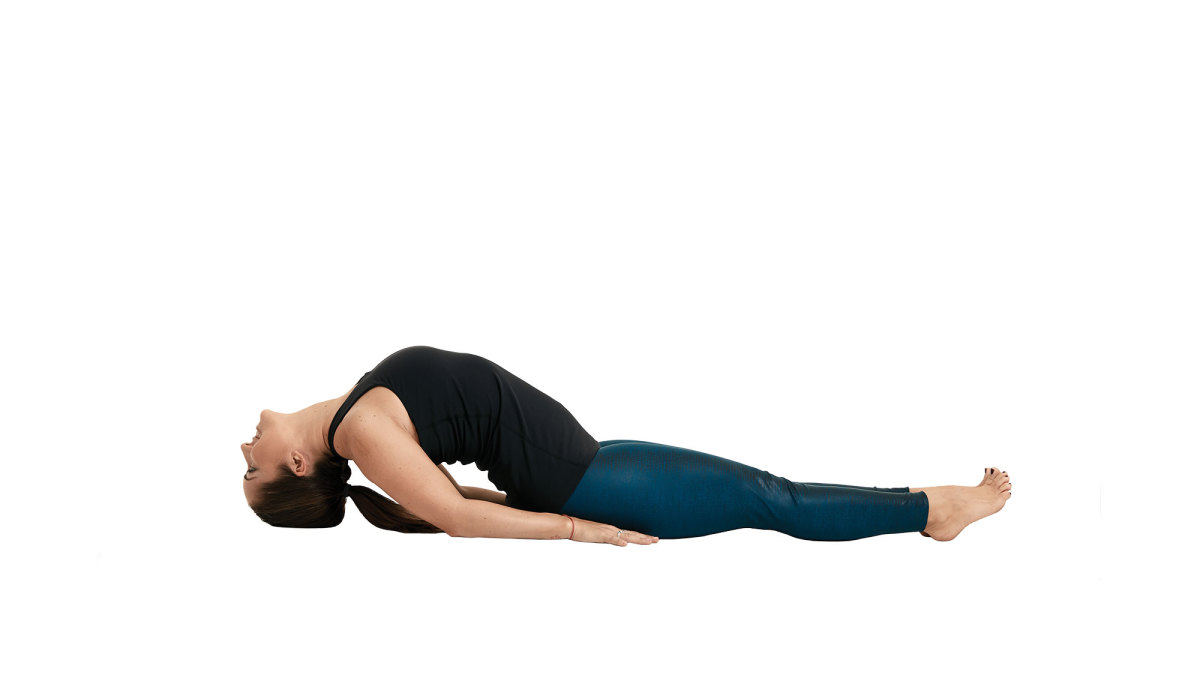
- Removes stiffness from the cervical, thoracic and lumbar regions of the back, bringing increased blood supply to these parts
- Massages the neck and shoulders
- Corrects round shoulders
- Increases lung capacity
- Relieves asthma
- Stimulates and massages the parathyroid glands in the back of the neck, which helps prevent tooth decay and increases bone strength and plasticity
- Stimulates and tones the pituitary and pineal glands
- Regulates moods and calms the emotions
- Relieves asthma
- Strengthens and cleanses the respiratory system
- Keeps the spine supple
SITTING FORWARD BEND/PASCHIMOTTASANA
- Reduces excess weight in the waist area
- Reduces enlargement of the liver and spleen
- Massages, stimulates, and tones the digestive organs, increasing digestive power
- Massages the kidneys, liver, and pancreas
- Regulates the functions of the pancreas, which control carbohydrate metabolism and blood sugar levels
- Regulates the intestines and increases peristalsis
- Invigorates the entire nervous system
- Stretches all the muscles in the back of the body
- Increases flexibility in the hip joints
- Alleviates disorders of the urino-genital system
COBRA POSE / BHUJANGASANA
- Increases flexibility of the spine, relieving curvature of the spine
- Relieves asthma and other respiratory problems
- Tones and massages the deep and superficial muscles of the back
- Invigorates the nerves and muscles of the spine
- Relieves lumbago and lower back pain
- Tones abdominal viscera, adrenal glands
- Tones the ovaries and uterus in women, relieving menstrual problems
- Relieves constipation
- Relieves backache caused by overwork or long hours of standing
LOCUST POSE /SALABHASANA
- Relieves sluggish digestion
- Strengthens the abdominal walls
- Massages the pancreas, liver and kidneys
- Increases the blood supply to the neck and throat
- Increases flexibility in the cervical region of the neck
- Strengthens the muscles of the upper back
- Relieves lower back pain and sciatica
- Stimulates digestion
BOW/DHANURASANA
- Increases flexibility of the entire spine
- Invigorates and massages the digestive organs
- Removes abdominal fat
- Relieves constipation, dyspepsia and gastro-intestinal disorders
- Regulates the pancreas, aiding those suffering from diabetes
- Strengthens the abdominal muscles
- Strengthens the respiratory system and relieves asthma
- Prevents rheumatism of the legs, knee joints, and hands
- Massages the back muscles
- Keeps the spine elastic
- Improves blood circulation
HALF SPINAL TWIST/ARDHA MATSYENDRASANA
- Rotates spine, keeping it elastic
- Relieves lumbago and rheumatism of the back and hips
- Tones and stimulates the sympathetic nervous system
- Increases circulation
- Stimulates the liver and the large intestine
- Tones the gall bladder, spleen and kidneys
- Massages the digestive organs
- Relieves constipation and indigestion
- Regulates the secretion of adrenalin and bile
- Relieves asthma
- Strengthens the deep muscles of the back
- Corrects stooping shoulders, bent back and poor posture
CROW / BAKASANA
- Strengthens the arms, wrists and shoulders
- Increases breathing capacity
- Stretches the fingers, wrists and forearms
- Increases the power of concentration
- Removes sluggishness
- Promotes mental and physical balance
STANDING FORWARD BEND / PADA HASTASANA
- Increases the length of the spine
- Mobilises the joints, making the spine elastic
- Invigorates the entire nervous system
- Stretches the hamstrings
- Increases blood supply to the brain
- Removes excess weight from the waist
- Makes the body feel light
- Relieves constipation
- Tones the spinal nerves
- Relieves sciatica and low back pain
TRIANGLE POSE / TRIKONASANA
- Tones the spinal nerves and abdominal organs
- Increases peristalsis of the digestive tract
- Promotes hip flexibility
- Relieves nervous depression
- Stimulates the appetite
- Strengthens the pelvic area
- Reduces excess weight from the waist
Yoga For Old Age Problems
We present a blog on ‘Yoga for Old Age Problems’. The cycle of generation, growth, and degeneration of cells is a continuous process in living beings. The reason for old age is low production and faster degeneration of the cells. Each organ has specific cells.
“AUM Bhagavate Vaasudevaaya Namah”
Sankalpa: Just for today, ‘O’ Divine Mother, make me a new baby.
Symptoms
In old age backbone bends, brittleness of the bones, hardness of the arteries and veins, loss of teeth, muscle tone and wrinkle occur on the skin, depletion of body physiology. Memory becomes short. The life force, creativity and strength scale down.
Causes
Due to aging the functional ability of the nervous system, endocrine system, immunity, gastro-intestinal system, respiratory function, renal system, special senses etc. are reduced. The common problems in older persons are high blood pressure, diabetes, heart diseases, stroke, cancer, respiratory diseases, urinary incontinence, and impaired vision and hearing, loss of mobility, mental disorders etc.
Yoga for Old Age Problems
Yoga refreshes your mind and spirit. Tones your body. Keeps your internal organs and hormonal system in balance. All the more reason for people of all ages to do yoga. Yoga asanas are one of the few physical exercises you can continue doing as you age. As age progresses, it is more important to focus on HOW YOU DO rather than how much you do.
Clapping, Namaste Pranayama, Hasya (Laughing) Yoga: 3 minutes of laughing equates to 30 minutes of exercise.
Cleansing Acts: As per Yoga for Old Age Problems, we can do Neti, Kunjal, Kapalbhati, enema, eye exercises, eye wash, facial exercise and facial Massage according to the needs.
Warm Up Kriya: Do sukshma, Vyayama, Baby Rock, Titali Kriya
Asanas
Tadasana, Triyak Tadasana, Ardha Katichakrasana, Balasana, Yoga mudra, ushtrasana, Janu Sirasana, Bakrasana I, II, Makarasana, Bhujangasana, Shalbhasana, Pawanmuktasana, Happy baby, Baby Play, Saral sarvangasana, Saral Matsyasana and Shavasana.
Merudandasana Chakra
- It keeps active, soft, flexible and young.
- Pararambhik Sthiti (Base Pose): Supine position
- Tayaari Charana (Preparatory Phase: i. Tanaasana (Pulling Pose) ii. Gudaasana –I (Side Role Pose)
Eka-pada Charana: One leg Phase
i. Heal over Toes
ii. Sole over Shin
iii. Sole over Thigh / Markataasana (Abdominal Stretch Pose)
iv. Reclining Big Toe Pose (Supta Paadagustaasana)
Pranayam: Deep breathing, Kapalbhati, Anulom Vilom, Ujjai, Bhramari pranayama.
Implementation of yama niyama. To get mental health the ethical discipline and rules of conduct should be implemented.
Yoga-nidra: Practice yoganidra for half an hour daily by using of six senses
Get a whole body yogic massage twice a month with mustard oil.
Mantra Yoga: Recite your accepted mantra for about 30 minutes every day. Join any satsanga group.
Dhyana: Meditate for 15 to 30 minutes every day.
Concentrate on any affirmation according to your illness.
Upavaasa: Fasting is the gateway to health. It cures most physical and mental diseases.
Vichaara: Have a positive attitude, be peaceful and jolly mood.
Mudra: Perform almost Tattva Mudras and Prana Mudras e, g Gyan mudra, Prana mudra, Surya mudra, Vayu mudra, Apan vayu mudra, Akash mudra, Varun mudra, Yoni Mudra, linga and Surabhi mudra.
“Hari Om Tat Sat”