
Prayers The Initiation of Everything
Vedic Prayers (Mantras)

In Vedas ( The source of Knowledge), there are various Sanskrit Mantras that have been illustrated through ages and have been prayed by millions of Yogis and Yogini’s all over the world. This Prayers (Mantras) have various benefits. This mantra has been influencing thousands of people bringing positivity and happiness to them in various ways. it should be for mental, emotional, and devotional preparation and also internal preparation for yoga sadhana.
The mantra should be recited 3 times or can be chanted more than three mantras.
Guru Mantra: ‘
Om Namo; Guru Deva Namo!
Meaning:
I bow to the infinite Master/ Guru within and open myself to the infinite source of wisdom and creativity within me.
PRANAVA Prayers(Mantras):
Omkāram Vindu Samyuktam,
Nityamdhyāyanti Yoginah!
Kāmadam Mokshadam Chaiva
Omkārāya Namo Namah!!
Meaning:
Salutation to the AUM which is united with that point, Yogis meditate on that point every day. AUM fulfills our desires and liberation, so hail to hail AUM.
GAAYATREE MANTRA:
AUM Bhoor Bhuvah Svah
Tat Savitur Varenyam
Bhargo Devasya Dheemahi
Dhiyo Yo NahPrachodayaat !
Meaning:
O Earth, Space, & Heaven; and Divine Mother beyond these who is Truth, Consciousness, and Bliss. We meditate upon the glory of that Supreme Being Sun God who has created this universe; fit to be worshipped, the embodiment of knowledge & light and the remover of sins & ignorance. May he guide and illuminate our actions and intellects at all times in the right direction. (Rigveda 3.62.10)
GURU PRAYERS(MANTRAS):
Twameva Mātā, Cha Pitā Twameva!
Twameva Bandhush, cha Sakhā Twameva!
Twameva Viddhyā, Dravinam Twameva!
Twameva Sarvam, Ma Ma Deva Deva!
Meaning: You are my mother and also Father; you are my sibling and friend, You are my Knowledge and Wealth; you are everything to me as my almighty
GURU MANTRA:
Dhyāna Mülam Gurur Murti!
Püjā Mülam Gurur Padam!
Mantra Mülam Gurur Vākyam!
Moksha Mülam Gurur Kripā!
Meaning:
The main source of meditation is through Guru or His Statue. The root source of worship is the lotus feet of the Guru. The main mantra is the words of the Guru. The root of liberation is the compassion of the Guru.
Sarve Bhadrāni Pashyantu; Mā Kashchid Duhkha Bhāg Bhavet!!
Meaning:
May all be happy; May all be healthy; May all be enlightened, May none suffer misery and sorrow.
LIGHT MANTRA:
OM Asato-mā Sat Gamaya! Tamaso-mā Jyotir-Gamaya!!
Mrityor-mā Amritam-Gamaya!!!
OM SHĀNTIH! SHĀNTIH! SHĀNTIH!
Meaning:
O divine Power! Plz lead me from Untruth to Truth; From Darkness to Lightness and from Mortality to Immortality.
OM PEACE! PEACE! PEACE!
- Om Sahana Vavatu
Om Saha Naav[au]-Avatu |
Saha Nau Bhunaktu |
Saha Viiryam Karavaavahai |
Tejasvi Naav[au]-Adhiitam-Astu Maa Vidvissaavahai
Sanskrit to English Word Meaning
| Oṁ Saha nāvavatu | Om=supreme god; saha=together; nau=both/ all; avatu=may he protect |
| saha nau bhunaktu | saha=together; nau=both/ all; bhunaktu= be nourished/ energized |
| Saha vīryam karavāvahai | saha=together;vīryam=energy; karavāvahai=work (kara=hand; avahai=bring into use) |
| Tejasvi nāvadhītamastu | tejaswi = having great energy;nau = both ; adhi = intellect/ study; tama = higher degree; astu=so be it |
| Mā vidviṣāvahai | Mā=not be; vidvis=animosity; avahai=bring/ have |
Meaning:
1: Om, May God Protect us Both (the
Teacher and the Student) (during the journey of awakening our Knowledge),
2: May God Nourish us Both (with that spring of Knowledge which nourishes
life when awakened),
3: May we Work Together with Energy and Vigour (cleansing ourselves with that flow
of energy for the Knowledge to manifest),
4: May our Study be Enlightening (taking us towards the true Essence
underlying everything), and not giving rise to Hostility (by
constricting the understanding of the Essence in a particular manifestation
only),
5: Om, Peace, Peace, Peace (be there in the three levels – Adhidaivika,
Adhibhautika and Adhyatmika).
Himalaya-Yoga-Akademie in Nepal für die Yogalehrer-Ausbildung
Ein bekannter Yogi-Meister aus Nepal kommt nach Garlitz und halt einen Vort rag uber Stressbewaltigung im Alltag – praktische Ubungen inklusive
Himalaya-Yoga-Akademie in Nepal für die Yogalehrer-Ausbildung :
Yoga ist schon lange kein Trend mehr. Yoga ist zu einer Lebenseinstellung geworden. Und zu einem eigenen lndustriezweig, mit dem man ordentlich Geld machen kann. Dabei braucht es gar nicht viel, um Yoga zu praktizieren. Nur eine Matte und bequeme Kleidung. Beim Yoga werden geistige und kar perliche Obungen praktiziert, die zum Einswerden mit dem Bewusstsein ver standen werden.
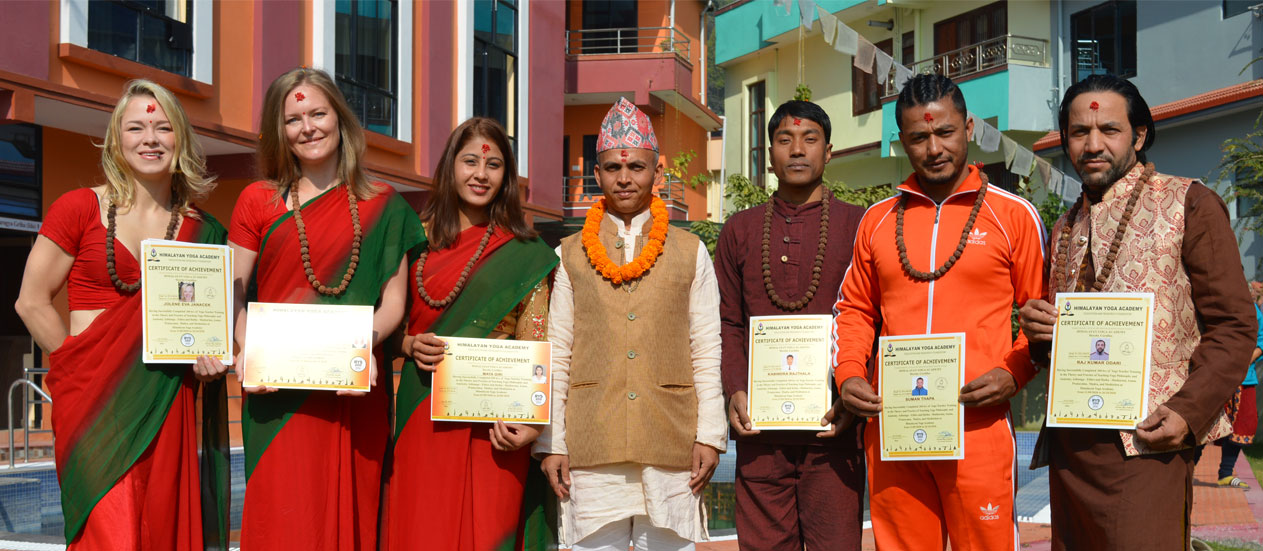
Ende Januar kam der Yogameister und Naturarzt Yogacharya Swami -Yog Sub odh oder einfach Dr. Subodh aus Nepal an die HSZG nach Garlitz. Er praktiziert Reiki und Yoga im Himalayan Yoga Academy in den Bergen van Kathmandu. Er hat Ober 21 Jahre Erfahrung mit Spiri tueller Heilung, Yoga und Reiki. Dr. Sub odh sollte einen Vortrag Ober die antike Yoga-Philosophie in der modernen Zeit halten. Wie kann man seinen Alltag mit Yoga bereichern, Stress reduziren und ganz praktisch in einer Yoga-Stunde die standigen Verspannungen im Nacken loswerden?
Vielleicht hatten die circa 30 lnteressier ten im Vortragsraum ihre ganz eigenen Vorstellungen van einem Yogimeis ter. Langer weiBer Bart? Schimmern de Gewander? Dach Dr. Subodh tragt einen orangenen Leinenanzug mit einer gelben Weste, der rote Punkt auf der Stirn leuchtet. Dr. Subodh leuchtet auch, van innen und van aul3en. Und er lachelt. ,,lch habe euch alien eine SMS geschickt “, sagt er und halt sein Handy hoch. ,,Auch, wenn ihr mir nicht ant wortet, SMS ist die Antwort auf alles.”
,,S”, spricht er, ,,steht fUr Straight Body, M steht fUr Mindful und S fUr Smiling.” Er strahlt und alle strahlen zurOck. Jetzt hat er seine Antwort bekommen. ,,That is the way of yogic life.”
Annette Drews,
die den Yogi an die Hochschule einlud, erklart
zu Beginn des Vortrags, dass
es fUr die Nepalesen nicht so
einfach ware, im englischen ,,sch” aus zusprechen . ,,Wundert euch
nicht, das ‘sch ‘ ist
bei Dr. Subodh ein einfaches ‘s’. Shanti ist bei
ihm Santi.”
Um Stress zu verhindern oder ihn zumin dest zu akzeptieren, muss man wissen, dass Stress nicht immer negativ behaftet ist. Manchmal ist er sogar hilfreich. Stress entsteht durch eine schlechte Haltung, die Ernahrungsweise, die Atmosphare zu Hause, die Schlafens- und Aufwach zeit. Stress macht sich bemerkbar, indem der Karper uns Warnsignale schickt. Und diese sind ein Liebesdienst unseres Kar pers, denn oft werden wir erst aktiv, wenn wir Schmerzen spuren.
Nach einer Stunde Vortrag klatscht Dr. Subodh in die Hande. ,,Setzt euch auf recht hin, like a police man, entknotet eure Beine, schlagt sie nicht Oberein ander, nehmt die Ellbogen vom Tisch, setzt euch ganz nach hinten und fla chig auf euren Stuhl. Die FOl3e stehen parallel zueinander auf dem . Boden, fest. Zieht den Bauchnabel gedanklich bis nach hinten zur Wirbelsaule . Richtet das Becken auf. Schliel3t die Augen, legt die Hande auf eure Knie und atmet aus, lasst den gesamten Atem nach draul3en. Bis ein Atem mehr da ist und ihr Luft.Lerne mehr über Himalaya-Yoga-Akademie in Nepal für die Yogalehrer-Ausbildung
Himalaya-Yoga-Akademie in Nepal für die Yogalehrer-Ausbildung
fUr neuen holen mUsstet. Genau dann haltet ihr fUnf Sekunden den Atem an.” Dann atmen alle ein, vom Bauchnabel bis in die Nasenspitze und der Yogi singt:
“Today, I will be peaceful and happy!” Und was ist Yoga nun eigentlich Dr. Subodh? ,,Health and Happiness and
Dr. Subodh strahlt in die Runde: einmal Atmen ist ,,total refreshing”. FUr das Gehirn, den Kreislauf, den Karper. So ein fach entsteht neue Energie, neue Kon zentration fUr den restlichen Tag. Diese Obung lasst sich gut in den Arbeitsalltag integrieren. Die aufrechte Sitzhaltung beeinflusst zudem noch die eigenen Gedanken, die eigene Arbeit positiv. Straight Body. Mindful. Smiling.
Dr. Subodh erklart, dass das berUhmte Oam im Yoga omniprasent sei. ,,Es ist alles und Uberall, denn es ist Vibration. Und bildet der Mensch ein Oam im Kehl kopf, bringt er seinen gesamten Karper in Vibration.” Wie ein kleiner Tsunami im eigenen Karper, kleine Wellen vib rieren und Ibsen inneren und aul3eren.Des Weiteren Himalaya-Yoga-Akademie in Nepal für die Yogalehrer-Ausbildung
Stress. Nach einem langen Arbeitstag kann man sich vor einen niedrigen Tisch setzen und den Hinterkopf ablegen, den Nacken etwas Uberstrecken und das ganze Gewicht auf der Tischplatte
!assen. Der Karper, der den ganzen Tag unseren (schweren) Kopf tragen musste, entspannt sich augenblicklich. Wern die se Pose zu kompliziert ist, der kann sich alternativ in den Zen-Sitz begeben. Man hockt sich auf seine Knie und stellt die Zehenspitzen auf, dann setzt man sich ein paar Minuten auf die eigenen Beine.
Die Vorteile: das physische
Bewusstsein,
Talent und Kreativitat werden gefordert und gestarkt.
Harmony”, der Yogi lachelt. Im Bewe gungsraum halt er nach seinem Vortrag eine kleine Yoga-Stunde . Um gut in den Tag zu starten empfiehlt Dr. Subodh jeden Morgen nach dem Aufstehen zwei Glaser (lauwarmes) Wasser zu trin ken und dazu ein paar Bewegungen zu machen. So lauft das Wasser gleich in die richtigen Bahnen, aktiviert Karper und Geist und man wird nach der Ian gen Nacht ohne FIUssigkeit zu neuem Leben erweckt.
Im Yoga sind alle gleich, man muss nicht dUnn oder trainiert sein. Alie konnen Yoga machen. Hauptsache man atmet.Sprechen Sie weiter darüber Himalaya-Yoga-Akademie in Nepal für die Yogalehrer-Ausbildung
Ein. Aus. Ein. Aus. Am Ende der Yogastun de bedankt man sich mit einem Lacheln bei sich selbst. Man verbeugt sich leicht, vor sich selbst und dem Yogimeister. Sonne und Mond werden durch die linke und rechte Hand vor dem Karper zusam mengefUhrt. Denn wo Licht ist, ist auch immer Schatten, da wo Tag ist, ist auch Nacht. In Namaste wird hell und dunkel vor der Brust vereint. Danke. Namaste.
Zurn Schluss fragt Dr.
Subodh: ,,Have you met tomorrow?”, ,,Habt ihr heute schon Gestern getroffen?” Heute ist ges tern schon Vergangenheit und morgen ist Zukunft. Wir konnen weder das eine noch das andere beeinflussen. Wir kon nen uns nur selbst einen Gefallen tun und im Jetzt leben und atmen.
Fascinating Things to Do in Amazing Nepal
Nepal is undoubtedly one of the world’s most beautiful places to discover the merger of allurement and thrill. Set in the swathe of the Himalayan Mountains, the country is an example of beatitude when it comes to a vacation in the wonderful land. Nepal is a land of mountains with 8 of the 10 highest peaks in the world in its embrace. It is also the soil on which several great emperors, philosophers, yogis, and mountaineers took birth. Also, Nepal’s trekking heritage is second to none. Any kind of tour in god’s land is extremely enthralling and awe-inspiring. Let’s talk about some of the most fascinating things to do in amazing Nepal.
1. Spiritual tour
The land of Nepal is known for its sacredness. Since the ancient era, the country has been popular for its spiritual richness. It is the birthplace of ‘Sita’, the seat of Lord Pashupatinath, and home to some of the world’s most revered sages and saints. There can be nothing more astonishing than exploring the spiritual heritage of Nepal. There are countless temples of great reverence where you can pray in the Himalayan nation. Exploring these places of worship, you realize how beautifully the country is enriched with spiritual beauty. Pashupatinath Temple, Swayambhunath Stupa, Muktinath Temple, Budhanilkantha Temple, etc. are some of the many ancient religious places in Nepal.
2. Trekking
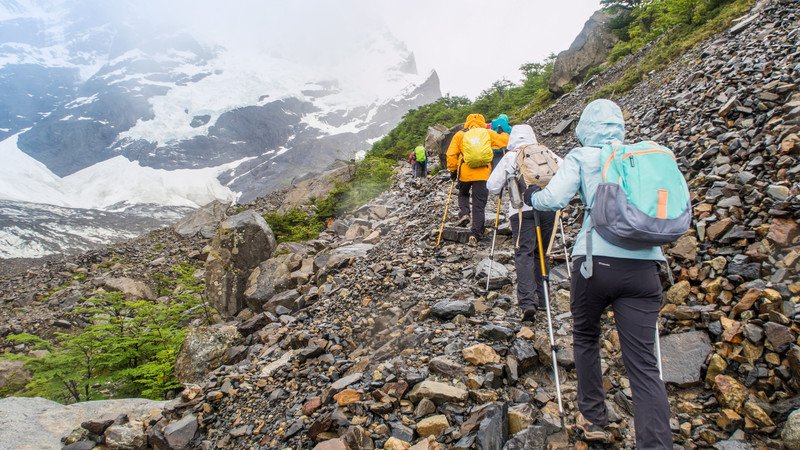
Bliss – Although this word is indefinable, if you ever try to unravel its meaning, trekking in Nepal gives you the best depiction. Such awe-inspiring is the beauty of Nepal trekking that whoever comes here falls in love with its wonders. From the snow-laden Himalayan hills to picturesque waterfalls, the experience of trekking in this nation is filled with numerous breathtaking sceneries. Since Nepal is located completely in the lap of the Himalayas, the temperature remains its pleasing aspect. Among the best treks in Nepal, Annapurna base camp, Everest circuit, Langtang Valley trek, Makalu circuit, etc. are the prominent ones.
3. Yoga retreat/ Yoga Teacher Training Program
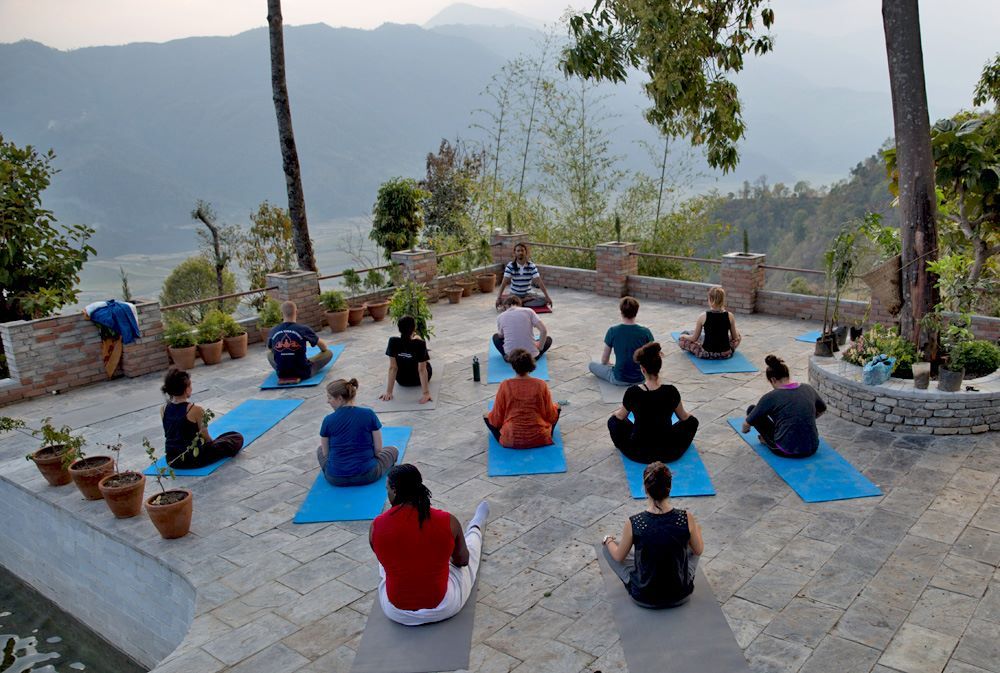
Yoga is one of the most lucrative things to witness and practice in Nepal. The country is among the first places in the world where Yoga flourished as a philosophical science. Being the birthland of one of the greatest yogis, Gautama Buddha, Nepal offers the finest standard of Yoga education. Like in India, the purest form of Yoga is still an exercise in the Himalayan nation. If you are interested in exploring ancient science, take part in a Yoga teacher training. Rejuvenate your mind, body, and soul with the finest quality Yoga retreat programs in Nepal. In the spiritual country, you will witness various types of Yoga practice, from the Vedic era philosophies to the contemporary ones. Nepal offers you the most pleasant environment to indulge in Meditation, Pranayama, and other yogic practices.
4. Historical trip
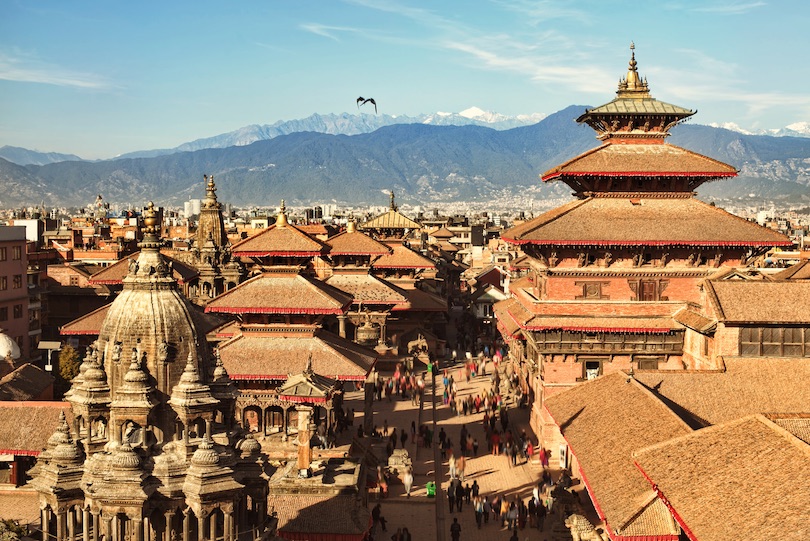
Nepal is a country of rich heritage. Throughout its history, multiple dynasties have ruled the country, creating flourishing events. The historical legacies of Nepalese kingdoms are worth exploring. A number of royal buildings such as Laxmi Niwas, Babar Mahal, Bagh Durbar, Ranighat palace, etc. give you a glimpse of how astonishing Nepal’s history has been. Do not forget to traverse the Durbar Squares of Nepal located in the Kathmandu Valley. These are UNESCO World Heritage Sites. Janaki Mandir in Janakpur gives you a glimpse of the Treta Yuga history of Ram-Sita marriage. Mustang Caves are great examples of man-made caves with rich historical beauty.
5. Nature visit
Traveling through the lap of Mother Nature is among the most blissful things one can do in Nepal. It is adorned with tremendous calmness, incredible soul enchantment, and deep fascination. While you are in Nepal for any form of vacation, take a moment or two to descend into the soulful river of natural beauty. Most of the people, who visit the Himalayan kingdom, find solace in its many parks including Chitwan National Park, Bardia National Parks, and Shey Phoksundo National Park. You can sit by the sacred Bagmati River and embrace its purity. Taking a bath in Rupse Chhahara is also one of the most delightful things to do.
6. Adventurous activities: Fascinating Things to Do in Amazing Nepal
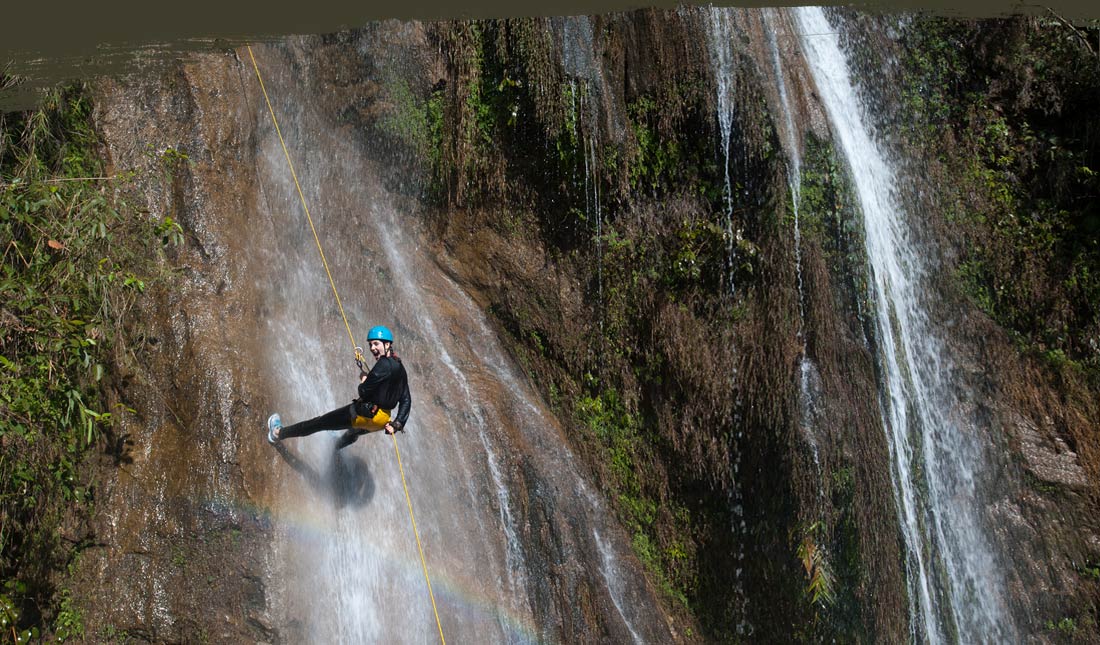
Apart from these above-mentioned delights, Nepal is home to a lot of adventurous activities. You can adorn your life with such soul-stirring moments in Nepal. Rule the open sky with paragliding in the city of Kathmandu, and let the thrilling element of life get a new soul with Bungee jumping. Jungle Safari is quite popular in Nepal’s rich and dense forests. Amidst the spectacular panorama of Mother Nature, feel real independence by having an experience of biking in the mountains. Over Mount Everest, the feeling of flying in a helicopter is something that can’t be expressed in words. Do not miss the opportunity to engage in river rafting in Nepal.
Bon Voyage!!!
10 Reasons To Do Your Yoga Teacher Training
Your yoga teacher training will change your life. I know this may sound like an overstatement that could not possibly apply to everyone but I am sure of my sentiment. Yoga teacher training should be thought of as an inward journey. They will certainly teach you practical yoga skills like alignment and proper body awareness to help you avoid injury. But what they have to offer goes so far beyond the physical, it is amazing. Even if you never intend to teach a day in your life, here are 10 Reasons To Do Your Yoga Teacher Training.
1. Learn New Things About Your Body
Throughout your yoga teacher training, you will be led through several ‘asana labs’. There you will get to fully dissect different postures and how your body expresses them.
I learned so much about my unique physiology in my yoga teacher training. It gave me a million tools to take back to my regular practice. I now have a much better understanding of what my body can do, and what adjustments I need to make for a practice that supports it.
2. Avoid Injury In All Life’s Activity
You will be so much better able to move through your life without getting hurt with your newfound body awareness. You will walk more mindfully, run more mindfully, ski more mindfully, and so on. Also, you will become better able to predict the abilities of your body. Thus, it will be able to stay strong and limber for life.
3. Discover Your Strength
In your yoga teacher training, you will be tested. Your will, ability to hold postures, ability to focus, your ability to speak in front of people, all will be strengthened and stretched. You will come out of the other side of your training feeling physically, mentally, and emotionally stronger.
4. Forge New Relationships
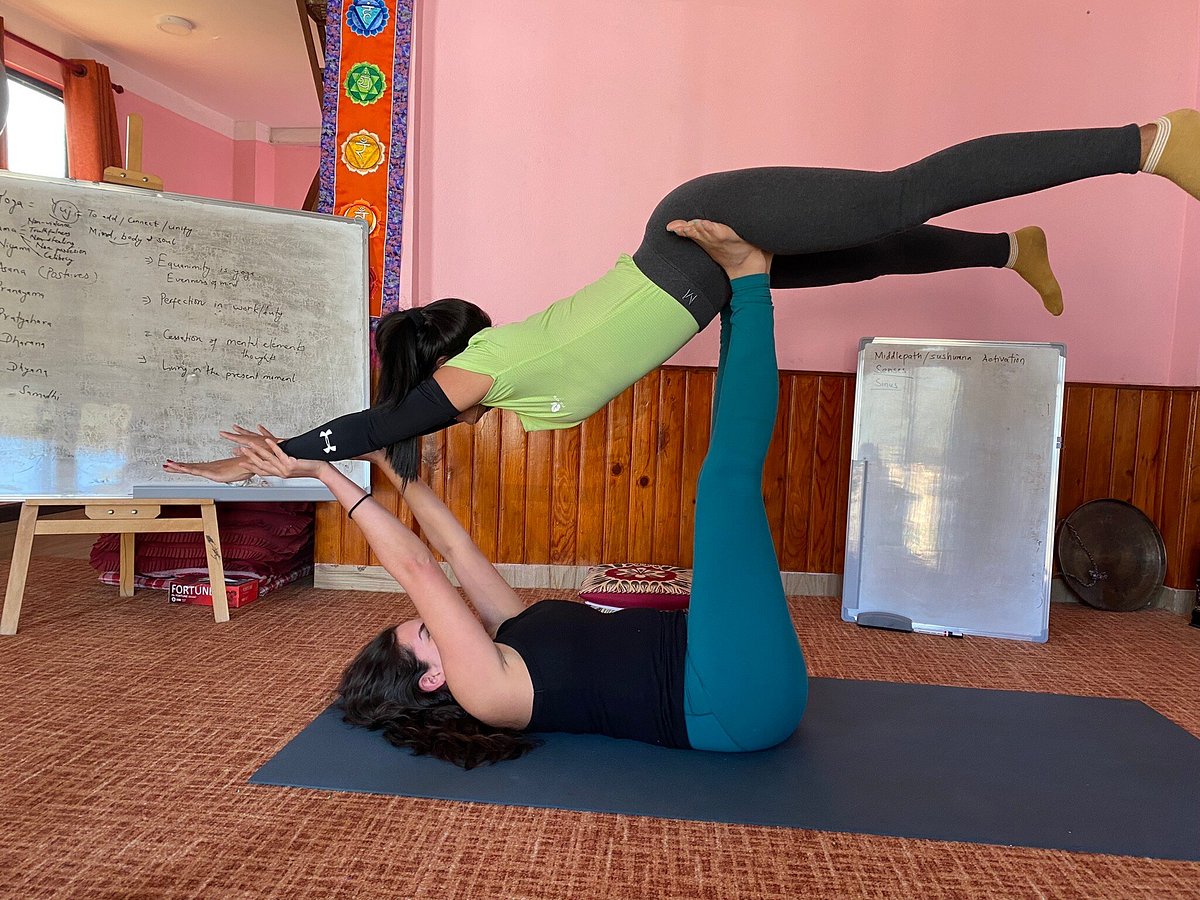
There is nothing quite like going through the experience of a yoga teacher training. And those you meet in your training will forever hold a special place in your heart. You will understand each other in a very unique way at the end of your course. Also, there is a good chance that you will make friendships that last a lifetime. This is also one of the 10 Reasons To Do Your Yoga Teacher Training.
5. Deepen Your Asana Practice
This goes without saying – the attention to detail, the longer practice sessions and the newfound awareness of alignment will all help you to take your practice to a whole new level. There is a good chance that you will come out of your training expressing postures you never dreamed you would be able to.
6. Deepen Your Spiritual Practices
The study of the Yoga Sutras, the chanting, and the meditation practices that will be brought into your life through your training will most likely help you to transform your spiritual practice. These are sacred tools that you can use in your daily life that will help you to connect to yourself in a deeper way.
No matter what your current spiritual practices are, there is a good chance they will be deepened through your training.
7. Learn New Things About Your Mind
You will start to notice more of your thought patterns in asana, meditation, lecture, and presentation. This information will help you tune into your mental tracts. You will gain a clearer understanding of how your mind currently works. Then you will have the information you need to help you make changes if needed.
Generally, the act of becoming aware is the most powerful tool for transformation.
8. Connect With Your True Self In A Deeper Way
Learn how your unique body and mind work through learning. And through your deepened spiritual practices, you will most likely walk away with a deeper sense of who you are as an individual. This will help bolster your confidence in everyday life, and help you sit easier in your skin.
9. Learn The Art Of Expressing Yourself
Through the act of practice teaching, you will learn how you communicate. How effective this communication is in the way of allowing you to express what you want to express. Through this practice, you will be able to develop even better communication skills. It allows you to translate your thoughts and feelings more effectively to others.
10. Gain Confidence In Your Abilities
You will fall, stumble, and fumble over your words. Learn the art of picking yourself up, laughing it off, and continuing. You will walk out of your training with a new sense of how much you can do, how far you can go, and how amazing you are—right here in this moment.
WHAT TO PACK FOR A 22 DAYS YOGA TEACHER TRAINING – THE ULTIMATE CHECKLIST
Here is the complete list, this list can be applied to all genders and all yoga programs in most places in the world! Let’s Learn about WHAT TO PACK FOR A 22 DAYS YOGA TEACHER TRAINING.
Don’t be like me. Be prepared for your yoga teacher training program with our ultimate packing checklist—and then stop by the comments to share your yoga packing list suggestions, too!
WHAT TO PACK FOR A 22-DAY YOGA TEACHER TRAINING IN HYA
MORE YOGA CLOTHES THAN YOU THINK YOU NEED:
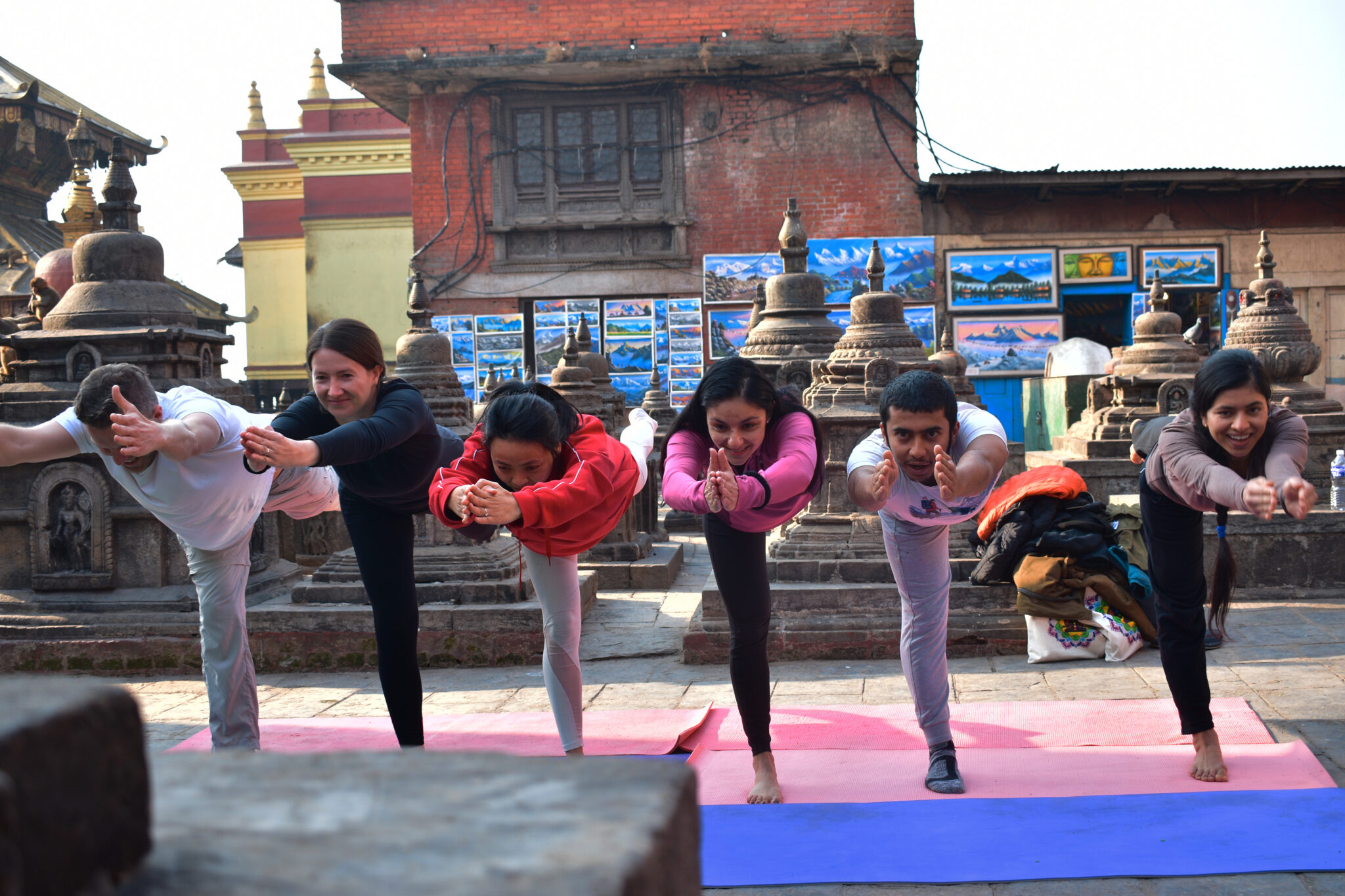
You will think that you’ll need more yoga clothes than you think with long days of practicing yoga coupled with lots of humidity. However, Himalayan Yoga Academy provides extra paid laundry service so I found that seven days of yoga clothes was the perfect amount.
LOOSE FITTING AND COMFORTABLE CLOTHES
You’ll be practicing a lot of yoga. You will have Sunday off as a free day where you can hang around. After a long day of yoga, the only thing I wanted to do was get out of spandex. But alas, I didn’t bring enough loose-fitting, comfortable clothes to change into. Next time around I would pack:
- 2 pairs of shorts / light trousers / Flexible pants
- 1-2 pairs of long, lightweight pants
- 2-3 causal dresses and/or skirts
- 3-4 casual tees or tops
LIGHT SWEATER OR CARDIGAN
Even if you are traveling to the jungle, you might find that the early mornings and evenings can be surprisingly chilly. I often wore a sweater to morning meditation.
SARONG ( Optional )
I bring at least one sarong with me everywhere I go. They can double as scarves, blankets, pool cover-ups, laundry totes and so much more.
SANDALS AND WALKING SHOES
Don’t forget about your favorite pair of flip-flops. You might also consider bringing some comfortable running or walking shoes depending on the location. (Running is common at Blue Osa, but to be honest, I’ve yet to put on anything other than sandals.) Some students also like to bring water shoes.
NOTEBOOKS / JOURNALS
Further talking about WHAT TO PACK FOR A 22-DAYS YOGA TEACHER TRAINING: Participating in a yoga teacher training program is a life-changing experience; you will want a place to journal and reflect on the challenges and rewards of the month! You’ll also need a place to take notes during classes and lectures. Many students expressed that they should have brought one notebook specifically for taking notes and one journal that served purely as a diary.
YOGA MAT: WHAT TO PACK FOR A 22 DAYS YOGA TEACHER TRAINING IN Nepal
Most yoga retreat centers will have yoga mats available but if you are partial to your mat, it’s better to bring it along. After all, you’re going to be spending a lot of time on this bad boy, and you don’t always know what quality will be provided to you. Also, consider bringing a yoga towel depending on the type of yoga program you are participating in.
YOGA BOOKS
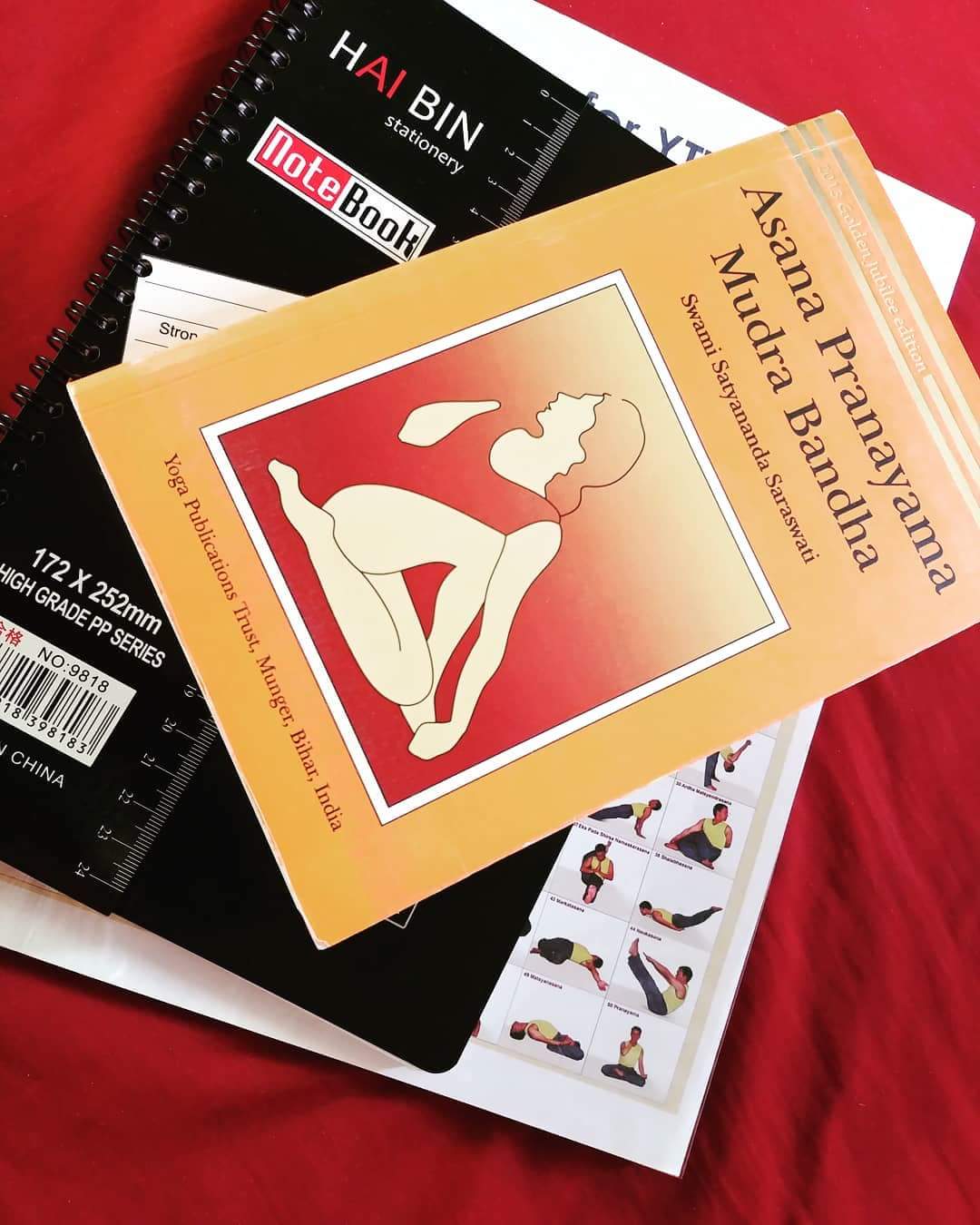
We will provide you with the books but if you wanna bring books with diverse knowledge feel free to join this yogic library.
CANVAS TOTE OR SMALL BACKPACK ( HYA will also provide )
You’ll likely be lugging around books, notebooks, water, pens, and more to and from the yoga studio. At HYA, you also have the opportunity to participate in excursions on your free days. A small bag for personal belongings will come in handy.
EARPLUGS ( Strong One )
If you’re sharing a room, then consider bringing earplugs and perhaps even a sleeping mask. There is typically nothing your instructor can do about a snoring roommate, which is the last thing you want to keep you awake when you have a 5:00 am meditation! HYA is located in the premises of the village of Raniban filled with livestock all around.
WATER BOTTLE
This is one of those common-sense items that is so often forgotten. Luckily I was able to buy a bottle at Blue Osa to stay hydrated during the long yoga sessions.
BUG SPRAY AND SUNSCREEN
The essentials for any tropical getaway! I always recommend finding an all-natural product or learning how to make your own.
CAMERA
To document all of the wonderful memories you are about to create! If you are new to photography.
FLASHLIGHT
It gets dark around 6:00 pm; after this time, you will always want to have a flashlight incase if you wanna go around the academy There is one flashlight in the rooms at Himalayan Yoga Academy, but you won’t always want to share it with your roommates. This might be also one of WHAT TO PACK FOR A 22-DAYS YOGA TEACHER TRAINING
ELECTRONICS
Only bring what you need. A tablet is typically a nice choice as it is convenient for taking notes and keeping in touch without being too bulky. Keep in mind that the jungle is humid, and humidity and electronics typically don’t pair super well. You probably won’t have any problems in only 22 days, but consider leaving the newest version of your Mac at home.
PASSPORT
Unless you are from the country you are traveling to, of course!
UMBRELLA
Don’t get caught in a rainstorm! An umbrella can save you.
MAKE-UP AND TOILETRIES
Bring all the necessary things.
Finally, This is WHAT TO PACK FOR A 22-DAYS YOGA TEACHER TRAINING.
REASONS TO VISIT NEPAL IN THE ‘OFF-SEASON’

Many travelers will only visit a place in the ‘peak season’, which usually corresponds with when the weather is good and/or reliable. And while most experienced travelers will have at least one cautionary tale of a place that just shouldn’t be visited in the ‘off-season’ (mine is the Salzkammergut Lake District of Austria in the winter—it was so foggy I couldn’t see a thing!), they also have memories of places that were even better without the crowds of tourists and a little refreshing rain (Indonesia during the rainy season is lovely!) So what are the Reasons To Visit Nepal in the ‘Off-Season’? Let’s find out.
In Nepal, many tourists tend to stay away in the winter (December-February) and summer/monsoon (June-August). But, there are plenty of reasons to visit Nepal in these seasons. And for people who have long holidays over their summer months (whether Northern or Southern hemisphere), Nepal’s off-seasons may be a logical time to visit the country. It’s all about where, and being prepared weather-wise. Here are some suggestions for great trips to take in Nepal in the off-season.
Summer trekking
The drawback of monsoon-time trekking is reduced views, getting a bit wet and muddy, and the possibility of leeches. But there are also many positives, so trekking shouldn’t automatically be dismissed in the rainy season. Even during monsoon, the rain doesn’t usually last all day but rather builds in the afternoon and evening, and most trekking is done in the early morning. You’ll probably have made it to your night’s accommodation before the rain even begins. The landscape is also beautifully lush during the rain, with bright green fields, clean air, blossoming flowers, and an abundance of fresh fruit and vegetables. So Continue with Reasons To Visit Nepal in the ‘Off-Season’.
But for something a bit different in the summer—and without the risk of rain or leeches—try Mustang. The Mustang District lies on the ‘other side’ of the Himalayas, in the rain shadow, meaning that it doesn’t experience the monsoon-like the rest of Nepal. It is also a high-altitude region, so visiting in other seasons can be particularly cold. Summer is the perfect time to trek in Mustang, as the weather will be optimal. So you see Reasons To Visit Nepal in the ‘Off-Season’.

The Terai
The flat lands bordering India can get excruciatingly hot in the summer, but comfortable in the winter. The biggest draw of the Terai for foreign tourists is the Chitwan and Bardia National Parks, and winter can be a great time to explore the jungle without the heat.

Water sports on the Trishuli
Although river levels rise dramatically during the monsoon and in the month immediately afterward, the Trishuli River is still a great spot to go rafting or kayaking during the monsoon. Although the Trishuli’s water levels do rise, it remains a safe river to raft and kayak along, unlike others. The Trishuli conveniently runs parallel to the main Kathmandu-Pokhara highway, and one to three-day rafting/kayaking trips can be arranged on the river.

Winter trekking
If you’re after spectacular mountain views, winter is the absolute best time to trek in Nepal. It hardly ever rains during the winter, and humidity is at its lowest, so you will be guaranteed spectacular views. Yes, it may get very cold at higher elevations, so come prepared with the right clothes. But when you’re trekking you tend to get very warm anyway, so it won’t always be as cold as you imagine.

Yoga Teacher Training

Yoga Teacher Training with fundamental principles of Yoga Sciences, Philosophical Aspects, Training skills, Workshop, Teaching methodology, Practicum in very original foundation. After this 200-hour, course, You may join for 300 Hours advance training as well. In this course, you will find happiness and knowledge.
ANTARANGA YOGA, A PATH OF SAMADHI
-Yogacharya Subodh Simkhada
Abstract: Antaranga Yoga, a path of samadhi
Antaranga Yoga, a path of samadhi: Samadhi is the equanimity of mind; the original form of self. Samadhi means ‘sama’ + ‘dhi’; sama – equanimity and dhi – intellect/wisdom means the equanimity of intellect. It gives the sense of concentration of the mind purposed to expand the consciousness. In the early sacred text of Rig Veda, the word Samadhi refers the getting rid of miseries and also the spiritual exploration to the realization of the sat-chitta-ananda i.e. true conscious bliss. As the references of the Nath Cult, the word yoga refers the path of physical austerity but its gate is always open towards spiritual perfection, the Samadhi throughout the Saptanga / Hatha Yoga by Maharshi Gheranda.
Then Yoga Darshan, the modified version of pure yogic text modified by Patanjali refers initially to the ethical and physical foundation of life, followed by generating Prana (vital force), harmonizing the mind and illuminating the intellect in respect of sensory organs, mind, and egos. Patanjali holds that ignorance is the cause of suffering. Moksha or Samadhi like many other schools is the purpose of ignorance, which is achieved through discriminative resolution, knowledge, and self-awareness. Yoga Sutra formulations are one of the foundations of the traditional Yoga Philosophy of Human purposed to realize Nirvana through Samadhi, the supreme consciousness.
Yoga, a state of devoid
YOG (Sanskrit) – Root- ‘Yuj’ means to unite, to join, to add, to bind, or to yoke
Human Life = Body + Breath = Rhythmic Breath/Body + Mind = Soul; So, Yoga = Body/ Breath + Mind + Soul = Union = Self realization/Liberation
Sanskrit, the Indo-European language of the Vedas, eastern ancient sacred texts, gave birth to both the literature and the technique of yoga. One definition of the word Sanskrit, “well-formed, refined, perfect or polished,” connotes substance (existing in a person) and clarity, qualities exemplified (to illustrate) in the practice of yoga. The Sanskrit word yoga has several translations and can be interpreted in many ways. It comes from the root ‘yuj’ and originally meant “to hitch up,” as in lifting into a higher position or attaching horses to a vehicle. Another definition was “to put to active and purposeful use, as the science of consciousness.” Essentially, yoga has come to describe a means of uniting or a method of discipline.
It is not the science of the body; it is the science of life, a science of existence under universal phenomena.
Yoga is more about mastering postures and increasing your flexibility and strength.
Yoga = 3B + MS
B stands for Body movement; B stands for breathing movement; B stands for Blood Circulation
Plus M stands for Mind fullness; and S for spiritual exploration
Definition of Yoga:
- “Yogaschittavrittinirodhah” PYS 1.2 – Patanjali Yoga Sutra—–
Meaning: the cessation of modified thoughts in chitta (more about Mind) is yoga.
2. Yogah Samadhi-Bhagbhat Gita
– Yoga is itself Samadhi (Liberation)
State of Self-realization, fully conscious mind/ self guided/ devoi
MISSION –A journey of self, throughout self, to the self
Adhiktam Swasthya—-Optimum Health – Minimum requirements
Parama-shanti/ Shuddi/ Vishrama/Sahaj–Supreme-Peace/Purity/ Rest/Relaxation
Parama-sukhah/ Santosha————- Supreme-happiness/ Contentment
Aatma-anubhuti————————– Self-realization
Parama-chetana————————- Supreme-consciousness
Prama-aanada—————————- Supreme-Bliss
Moksha/Mukti—————————- Liberation / Isolation
“The traditional purpose of Yoga, however, has always been to bring about a profound transformation in the person through the transcendence of the ego,” In Hinduism, Buddhism, and Jainism the word yoga means “spiritual discipline“. People often associate yoga with the postures and stances that make up the physical activity of the exercise, but after closer inspection, over time it becomes clear that there are many more aspects of yoga. It is an activity that has been practiced for thousands of years, and it is something that has evolved and changed overtime.
Different factions of yoga have developed since its conception.
- Individual Development: State of Physical, Mental, Emotional, Social, Spiritual, Ecological health etc.
- Socio-cultural Development: No Difference in Diversities, Languages, Cultures, Traditions, Costumes, Religions, Castes, Politics, Economics, Geography, etc.
- Professional Perfection: Yogic signs can be seen like qualitative, believable, durable and honorable in any professional / occupation / Business.
- Spiritual Perfection: We move to have the achievement, happiness, libration and isolation.
Forms of Yoga:
Generally, there are two types of Yoga, Bahiranga (External) Yoga and Antaranga (Internal) Yoga; practically classified into Hatha and Raja Yoga. According to Patanjali, Yoga is classified into eightfold paths called Ashtanga Yoga. Generally, people understand that Ashtanga Yoga is a form of yoga but it is not true, it is the totality of yoga, only summarized and modified all scatted yoga and yogic messages in different ancient texts and yogic minds. Out of these first 4 limbs are considered Bahiranga, 5th one is a bridge or mediator, and the last 3 limbs are Antaranga.
Patanjali’s teachings in the Yoga Sutras form part of the scriptural foundation of yoga philosophy. It is thought that Patanjali compiled the Yoga Sutras from older yogic texts; however, they contain a lot of original material as well. Patanjali is highly regarded for the clarity he brought to yogic philosophy and his work continues to inspire yoga instruction to this day.
The collection contains what is thought to be much of the basis of classical yoga philosophy and is made up of 196 sutras (“threads” or discourses).
The 196 sutras are compartmentalized into four topical books:
Samadhi pada (what yoga is)
Sadhana pada (how to gain a yogic state)
Vibhuti pada (benefits of practicing yoga regularly)
Kaivalya pada (liberation or freedom from suffering)
In the modern context, yoga is most often associated with the physical practice of asanas, particularly stretching exercises to build flexibility and relax the body. Yoga asanas can also build strength, coordination, balance, and, stamina. However, this is only one aspect of yoga as asana practice is just one of the “eight limbs” of yoga as listed in Patanjali’s Yoga Sutras, a key sacred text on the philosophy of yoga.
These eight limbs are:
Bahiranga Yoga
- Yama – Five abstentions (or outer observances)
- Niyama – Five inner observances
- Asana – Meaning “seat” and referring to the physical posture needed for meditation
- Pranayama – Controlled or suspended breath
Mediator – Neither external nor internal
- Pratyahara – Withdrawal of the senses
Antaranga Yoga/ Raja Yoga
- Dharana – Single pointed concentration
- Dhyana – Meditation
- Samadhi – Liberation
There are many different paths of yoga, including Hatha, Mantra, Laya, Raja Yoga, Karma Yoga, Bhakti Yoga, Jnana Yoga, and Dhyana Yoga but all are rooted in the yamas and niyamas. And have the same goal of samadhi. Yoga is thought to be therapeutic for many physical and mental conditions.
Studies have been carried out demonstrating its effectiveness as a treatment for back pain, stress and schizophrenia, to name a few.
Ultimately it is understood by two ways external and internal;
Life management = Body Management + Mind Management ( Internal Yoga) verses Hard ware + soft ware (Internal Yoga) = Yoga
Hatha Yoga: Hatha Yoga Pradipika–
The purpose of Hatha yoga is to discipline the body and mind and empower the body through Cleansing acts, Postures, breathing acts, some mudras, and bandhas. Factors to failure and success in Yoga depend on Sadhana -mitahara – relation of Mind and Prana – importance of Nadisuddhi – techniques and benefits of Shat Karmas and Asta-Kumbhakas; Signs of perfection as external Yoga in Hatha Yoga. So, Antaranga Yoga, a path of samadhi
As Internal Yoga Practice:
Classification of Mudras –- the influence of Seasons on Yoga- Sahita and Kevalikumbhaka –Pratyahara techniques- three types of dhyana- Sthula, Jyotir and Sukshma
Concept of Nada and Nadanusandhana in Hatha Pradeepika
Concept of Kundalini – Bandhas, Mudras and their importance in Kundalini awakening – Synonyms and process of Samadhi – techniques of Shambhavi and Khechari mudras – Concept of Nadanusandana
Gehranda Samhitha: Sapta Sadhanas
– Shatakarmas –Asanas; mudras, Pratyahaara, Pranayama Practical Approach tends to external yoga and Dhyana and Samadhi tend to internal yoga in Gheranda Samhita
Pratyahaara as an entrance for Antaranga Yoga or Raja Yoga:
Pratyahara means withdrawal of senses. We have five gross senses eyes –a sense of vision; ears –a sense of hearing, tongue – a sense of taste, nose – a sense of smell, and skin – a sense of touch. These organs of perception cannot be withdrawn. Information is transmitted from gross organs to the corresponding cerebral center in the uppermost part of the brain. The corresponding cerebral center makes a connection with the mind, Egos, and wisdom – the Antarakarana, which is lighted by the self seated at the Bindu chakra in the blissful sheath. It orders the subtle organs –indriyas to contact the source of stimulus.
In the process of pratyahara, the subtle sense-organs are withdrawn into Egoity which is evolutes of the evolving intellect. In the course of evolution, the ego is evolving and five senses organs are the evolutes. As a result of this withdrawal, the subtle sense-organs can’t reach the source of stimuli and sense-perceptions are blocked.
We have to initiate the pratyahaara in order to proceed each session of meditation. Each physical base practices are means of transport for pratyahaara, pratyahaara is the means of transport of Meditation and ultimately meditation is the final means of Yoga or Samadhi. It improves the power of concentration. A meditator, without the previous practices like subtle exercises, Postures, bandhas , mudras, and also pratyahaara, can hardly get full success in meditation.
Techniques of Pratyahaara:
Frequent concentration on different action brings the other senses withdrawn.
-Use of six senses e.g. Mind by soothing & calming; eyes by gazing; ears by hearing Mantra, kirtan, chants, singing, sound of creatures & nature; nose by smelling ; tongue by tasting & eating each foods silently; skin by feeling the climate, temperature, etc.
-Use of Mantra Japa
-Yoga nidra- psychic sleep
Practice of Antaranga Yoga or Raja Yoga:
Dharana, Dhyana and Samadhi are collectively called Raja Yoga or Antaranga Yoga which are the 6th, 7th and 8th limbs of Ashtanga Yoga. These three, done together, are combinedly known as samyama. Out of these, main means is Dhyana-Meditation.
Purity, Peace, Rest and Relaxation, four pillars of Meditation
Resting and relaxing the body is the final most important stage of normalizing the body and mind and maintaining wellbeing. This is done through the practice of asanas, pranayama, and meditation it loosens body and mental tension; relaxes the muscles, releases tiredness, regulates the the body’s physiologies, and connects body and mind.
This phase triggers the brain to parasympathetic mode which alleviates stress and brings homeostasis and balance to our bodies. When the body is in parasympathetic mode the heart rate is slowed down, the pupils are constricted, and the digestion is returned to normal.
Yogic relaxation helps increase immune strength, reduce anxiety, stress, tension, and pain, and bring awareness and higher consciousness. Some asanas that are helpful for the rest phase include:
- Shavasana – lying in supine position with feet apart and palms facing upwards eyes closed it is also called corpse pose
- Shishusayanasana (Child pose) -in a resting position similar to that of a young child
- Makarasana – lying flat on stomach with legs straight heels facing outwards, arms folded and head gently resting also known as crocodile pose
- Pasuvishramsana – sitting in a loose comfortable meditative like position with support by chair or wall.
Some of the rest patterns for proper relaxation can be used; Antaranga Yoga, a path of samadhi.
1. Spinal rest technique- completes resting technique for spinal cord
2. Instant rest technique- tensing whole body then releasing
- Prasanta bhava techniq ue- Maintaining a rest position like an animal
- Quick rest technique- lying in shavasana observing the movement of the natural breath and in particular the upward and downward motion of the abdomen. This is done with long deep inhalations and exhalations whilst feeling relaxation
Meditation
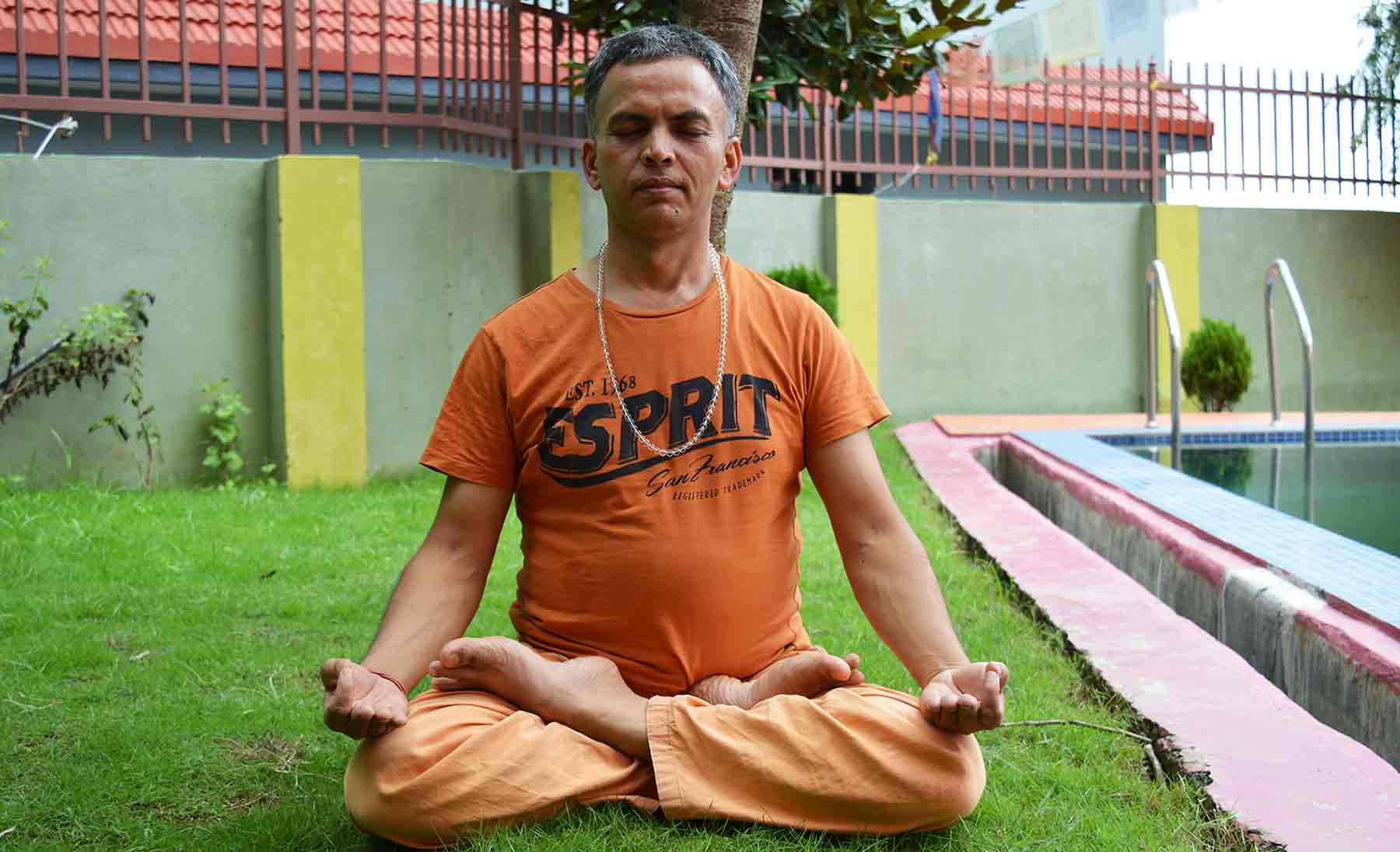
Meditation as the final aspect or device of yogic practice following all the above-mentioned practices opens the doors of intuitive knowledge and realms to eternal bliss. It is the state of mind which is free of object perception. By long-term regular practice and renunciation, one can control the mind and meditate to deeper levels. One can experience the inner quality and power. Meditation is not done, we let it happens. Meditation is an adventure into silence. In Meditation, there is no action, no tension, and no emotion. We do not put any effort into meditating. The art of sitting silently is a fundamental requirement for meditation. It is the final weapon for Yoga or Samadhi.
While meditating once should remain conscious over the following acts:
Technique-1
– One should free the mind of trash, still the thought waves and try to end the infatuation of the mind in order to still it.
– One should have faith and unmoving confidence.
– One should have devotion, perseverance, and full control over the senses
-One should have total purity, awareness, and happiness.
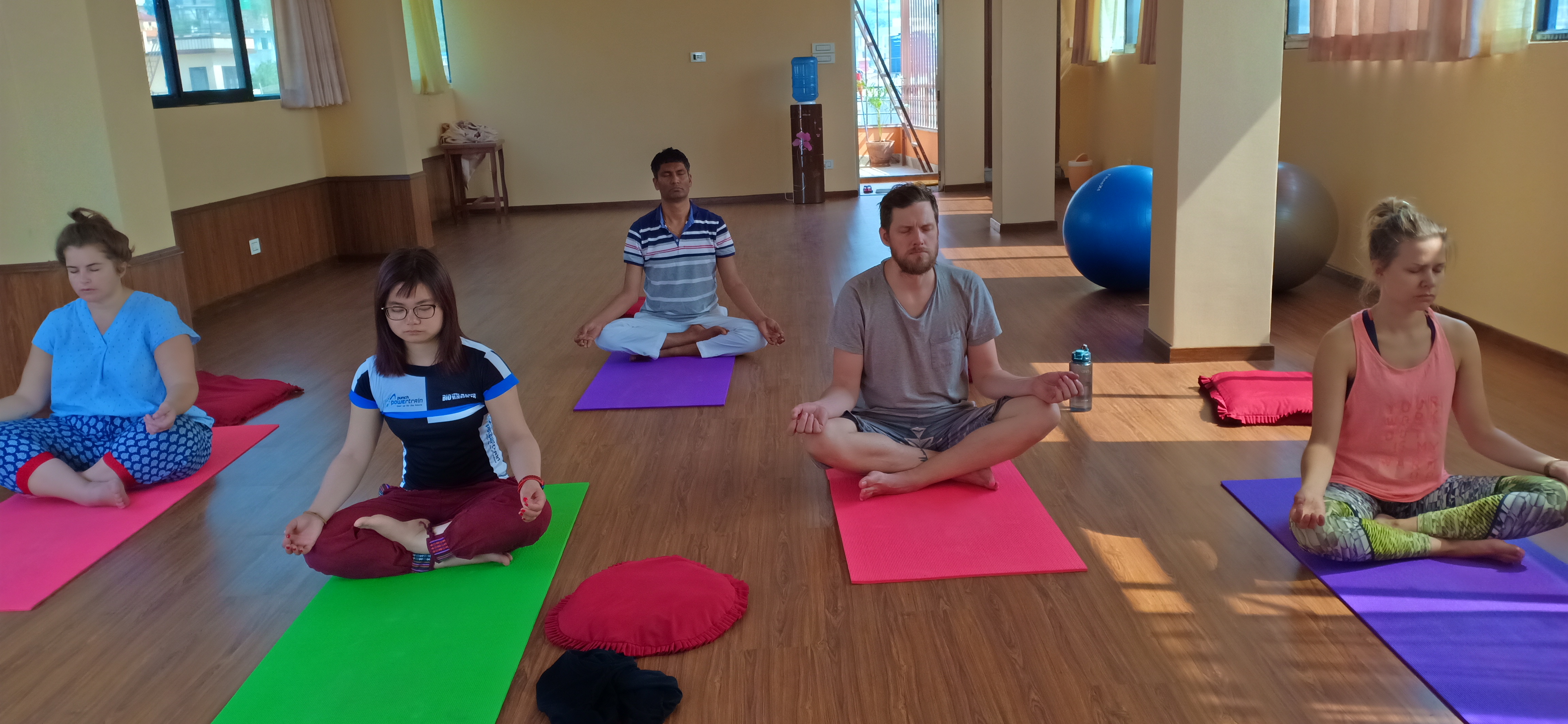
One simple method of meditation involves:
1. Sitting in any comfortable meditation position with an erect spine and eyes gently closed and hands in Gyana or China mudra and so on
Starting from the prayer mantra of “Om Namo Guru Dev Namo”x3
- bringing awareness to long and deep breathing intervals
- Chanting Om mantra continuously and rhythmically for 10 to 15 minutes bringing awareness to the inner vibrations.
- Finally lying down in shavasana feeling the energy vibrations for 5 minutes.
Technique -2,
- Sit in any meditative asanas comfortably, keep your back straight, hand rest in knees in any hand mudras, close your eyes.
- Relax the deha dharana (body) by relaxing joints, muscles, vessels, limbs etc.
- Prana dharana (breath) by naturalizing the breath
- and Mano dharana (mind) by keeping peaceful and calm mind
- Meditate on the idea of an earthen solid, aquatic fluid, fire, airy gases, and Aakash (space) in succession, the duration of each one is 3 minutes.
Practice for Samadhi
The mediator fixes his attention on one idea only and the idea flows continuously without interruption. In Samadhi, the meditator remains in a thoughtless state. This state is devoid of material existence, devoid of forms, attributes, and actions, and devoid of thoughts. As a molecule of sodium chloride dissolves in the seawater and apparently loses its separate identity, so does a yogi become completely absorbed in Brahman in the Samadhi state.
Technique of Samadhi-
- Take a symbol of any divine sound like AUM which stands for Brahman as a monosyllable OR a swastika symbol
Anyone else may be adopted to represent the particular symbol.
- Sit in a comfortable meditative posture with closed eyes and visualize the symbol at the eyebrow center which is the seat of intellect, ego, and mind. Now meditate on the symbol and mentally repeat the divine sound of the mantra. Slowly erase the picture of the symbol from the mind’s memory and remain in a thoughtless state as long as you can.
Conclusion
Samadhi is the state where ecstatic awareness develops, and this is how one starts the process of becoming aware of Purusha and the true self. It further claims that awareness is eternal and once this awareness is achieved, a person cannot ever cease being aware, this is Samadhi. Samadhi is that spiritual state when one’s mind is so absorbed in whatever it is contemplating, that the mind loses the sense of its identity. We describe yoga and then the nature and the means to attaining Samadhi. The thinker, the thought process, and the thought fuse with the subject of thought. There is oneness, Samadhi.
References
- Acharya Bhagawan Dev, Pranayam, Kundalini & Hatha Yoga; Diamond Books, Delhi.
- N.C Panda; – Meditation Science and practice; D.K. print world (P) Ltd.
- Yogacharya Subodh Simkhada, Scientific Experience of Yoga; Himalayan Yoga Academy, Kathmandu Nepal.
- Swami Vishnu devananda, Meditation and Mantras; Motilal banarsidass publishers, Delhi, India
- Swami Vivekananda, Yoga Therapy for Positive Health; Yoga Prakashana, India.
20 REASONS TO VISIT NEPAL IN 2022
The Government of Nepal is putting a special emphasis on encouraging travelers to visit Nepal in 2022/23, promoting it around the world as a destination for adventure, luxury, and everything in between. While any year is a good year to visit Nepal, here are 20 reasons to visit Nepal in 2022/23. So, what are you waiting for?
THE UNESCO WORLD HERITAGE SITES

Nepal is home to four UNESCO World Heritage sites. But, this number is actually misleading because one of these sites (the Kathmandu Valley) includes seven monument zones. The full list of Nepal’s UNESCO World Heritage Sites is:
- Boudhanath
- Patan Durbar Square
- Swayambhunath
- Changunarayan
- Kathmandu Durbar Square
- Bhaktapur Durbar Square
- Pashupatinath
- Sagarmatha National Park
- Lumbini
- Chitwan National Park
See pictures of each of these beautiful sites in the following article: Nepal’s UNESCO World Heritage Sites in Pictures
SITES ON THE UNESCO WORLD HERITAGE TENTATIVE LIST
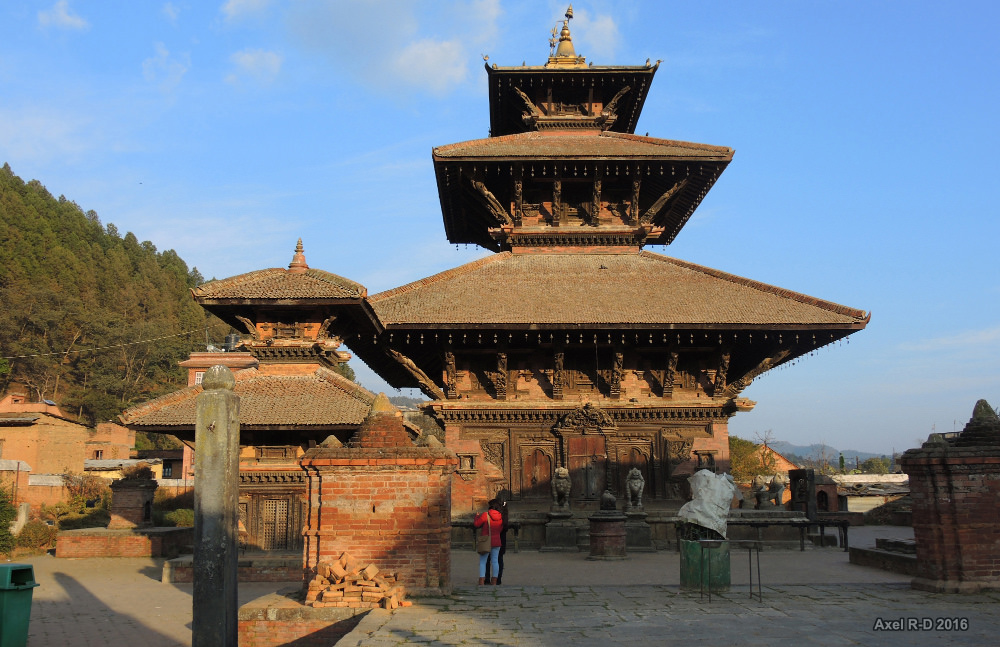
The UNESCO World Heritage Sites are not the only worthwhile heritage sites in the country. There are currently 15 sites in Nepal that are on UNESCO’s tentative list. This means that although they’re not yet World Heritage Sites, they might be in the future. Learn more about these 15 sites in the following article: Why You Should Visit UNESCO’s Tentative World Heritage Sites in Nepal.
THE HOMESTAYS

Travelers seeking a more homely experience than you can find in a hotel will love the network of women-run Community Homestay Network that Royal Mountain Travel has established around the country. You get to know local people, see how they live, and explore more rural and out-of-the-way communities that you might not otherwise find. Read more about the Community Homestays in these articles:
- A Grass Routes Tour of Nepal: Kathmandu, Pokhara, and Chitwan
- Cooking Up a Storm at the Patan Community Homestay
- Getting Local in Nepal’s Community Homestays
- A Perfect Break from the City at Panauti Community Homestay
- A Weekend in Barauli Community Homestay
- An 8-Step Guide to Staying in a Homestay in Nepal
- 10 Reasons to Stay at a Homestay in Nepal
THE LUXURY HOTELS

If you do want to stay somewhere more upmarket, there are plenty of wonderful options in Nepal. Most are concentrated in Kathmandu, Pokhara, and the Chitwan National Park, but beautiful boutique accommodations can also be found in smaller towns like Bandipur, Namo Buddha, and Nagarkot. Read more about them in these articles:
- Beautiful Boutique and Luxury Hotels in Nepal
- A Weekend in Boudhanath at the Hyatt Regency Hotel
- 7 Beautiful Sustainable Hotels in Nepal
- The Most Unique Hotels in Kathmandu
THE FESTIVALS

Nepal celebrates a wide range of Hindu and Buddhist holidays (as well as those of other minority religions, such as Islam and Christianity). Some are observed nationally, others just in certain areas, such as Kathmandu or the Terai. If you stick around in Nepal long enough you’ll find a festival to join in with, and the locals always welcome travelers!
THE MOUNTAINS : 20 Reasons To Visit Nepal in 2020
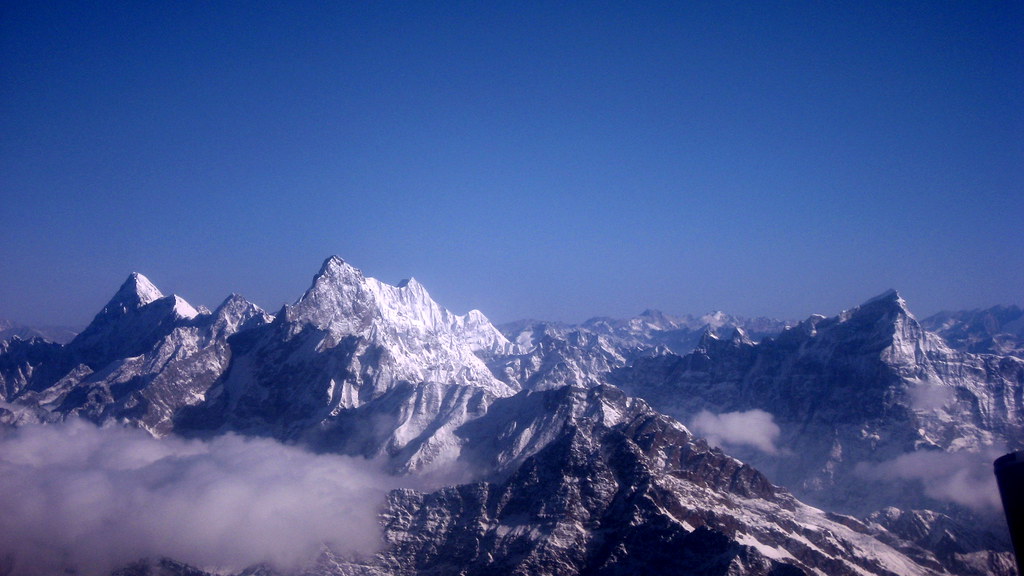
Nepal’s mountains don’t need any introduction. They’re why most travelers come in the first place. Whether you’re planning to trek through them, see them from a sightseeing flight, or just admire them on the skyline, the Nepali Himalayas will not disappoint.
THE HILLS

Nepal isn’t only super-high mountains by any means, though. Before you get to the snow-capped rocky peaks you will encounter many green rolling hills that are mostly cultivated for crops–although the hills in Nepal can be higher than the mountains in most other countries!
Yoga: 20 Reasons To Visit Nepal in 2022
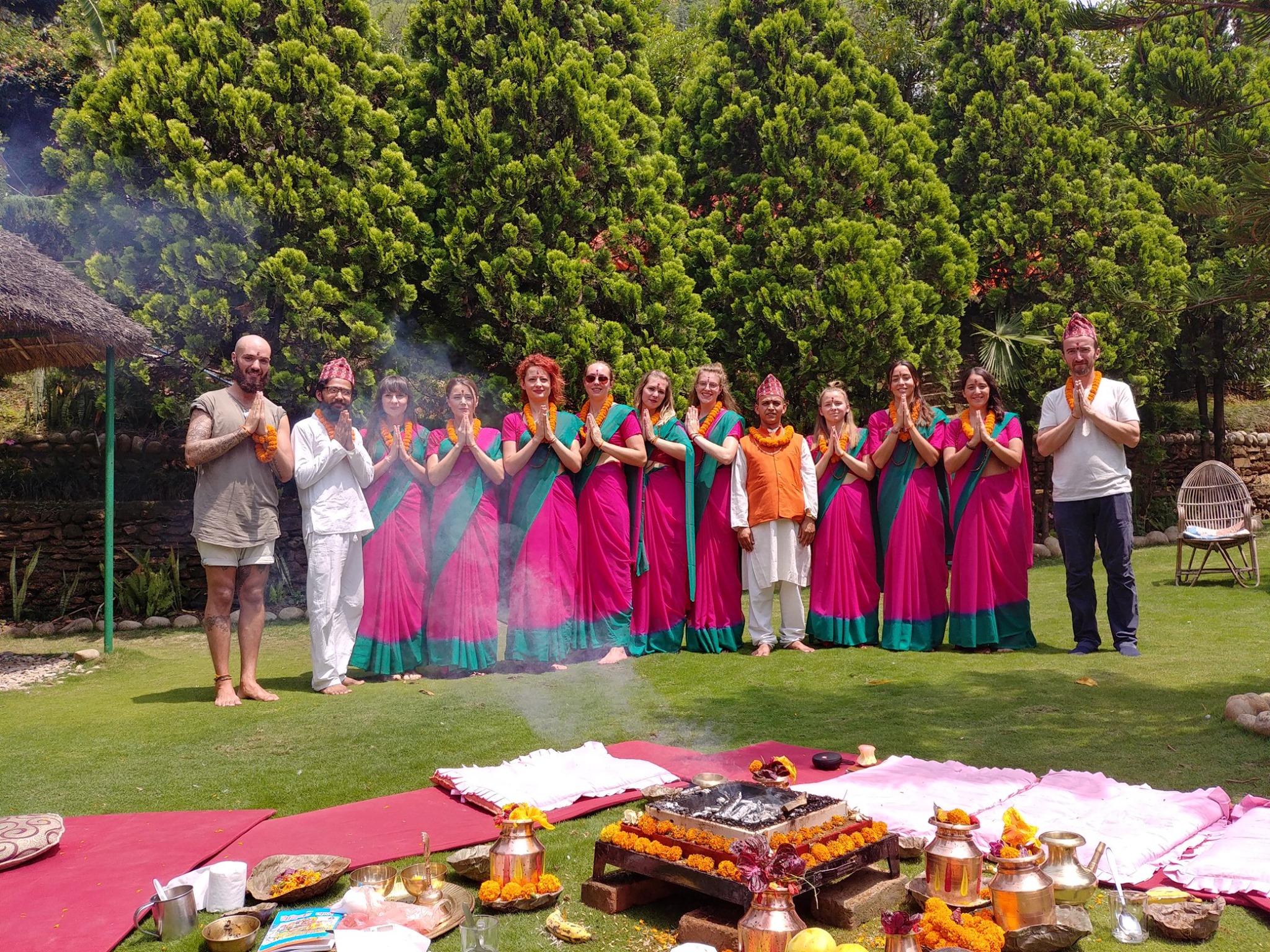
The beautiful Himalayas of Nepal, the breath of fresh air, and the historical facts such as Gautam Buddha born in Nepal have always presented the country as a land of spirituality. Due to this in recent times, Nepal has been one of the top destinations in the world for Yoga Tourism.
Yoga tourism refers to celebrating your destination with yoga. Yoga has been practiced in Nepal and India for centuries. Yoga offers relaxation and well-being of all 3 aspects of human life – body, mind and soul. Yoga doesn’t involve rigorous training like working out in the gym all you need is your own body, and yet it’s marvelous how amazing it makes you feel. This is also one of 20 reasons to visit Nepal in 2022/23.
THE JUNGLES

Most people travel to the Terai for the jungle national parks and nature reserves. As well as the famous Chitwan National Park, there’s also the Bardia National Park in the far west, and the Koshi Tappu Wildlife Reserve in the east, as well as smaller pockets of jungle, animals and bird life. Read more about these here
THE HINDU CULTURE

A majority of Nepalis–more than 80%–follow Hinduism. Until it became a republic, Nepal was the only Hindu kingdom in the world. Hinduism can be seen all throughout society, from big, grand temples like Pashupatinath to small family shrines in a corner of a home or courtyard. Plus, many of Nepal’s annual festivals are Hindu. There are many opportunities to learn about Hinduism in Nepal. Culture is also one of the 20 reasons to visit Nepal in 2022/23.
THE BUDDHIST CULTURE
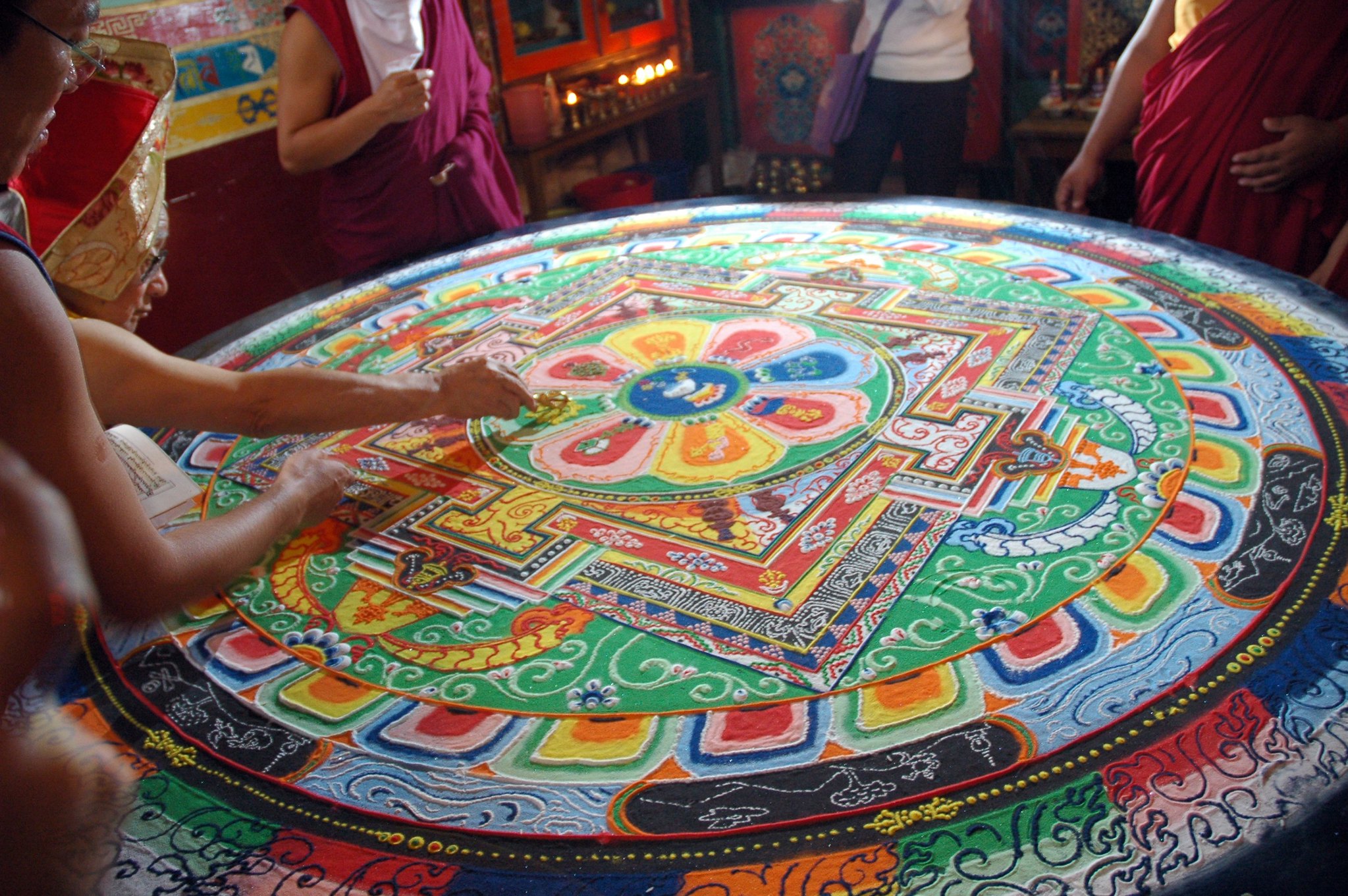
Despite Nepal being a predominantly Hindu country, Buddhists form a visible minority and makeup around 9% of the population. The two religions very much overlap in Nepal though, and elements of Hinduism and Buddhism enter the beliefs and practices of people from both groups. High up in the mountains (as well as in pockets of Kathmandu) you will encounter Tibetan Buddhism, especially among the Sherpa people and refugees who came directly from Tibet.
THE FOOD
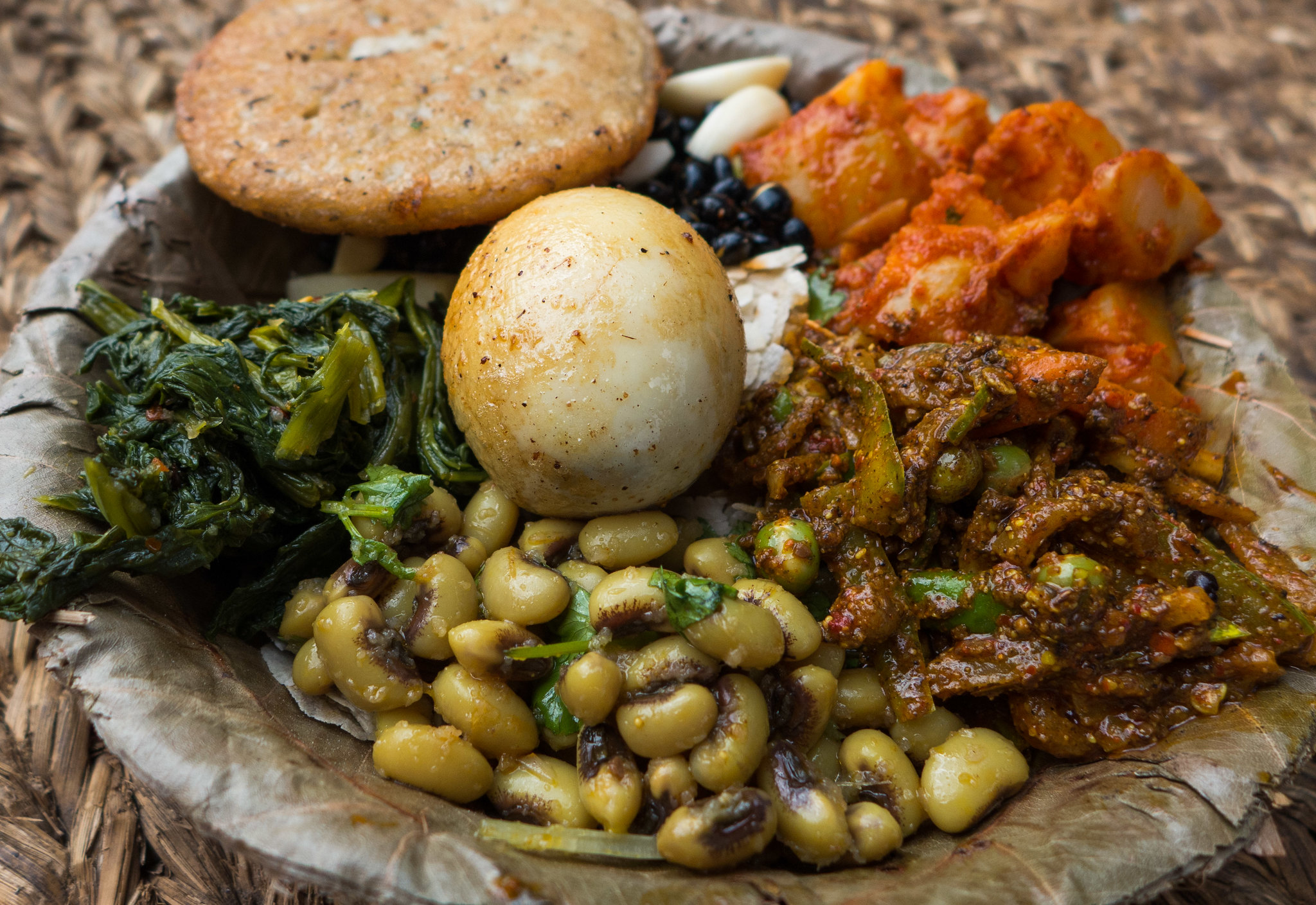
Anyone who tells you that Nepali food is just like Indian food has not spent long in either country. Nepali food revolves around rice and curries of various sorts, but the ingredients, flavours, and preparation is quite different from Indian curry. Plus, there are Tibetan influences like momo and noodle soups, and spicy Newari cuisine. Learn more about the variety of Nepali food in these articles:
- Chiya Khayo? Traditional Nepali Tea and Snacks
- Yomari, a Nepali Food for the Gods
- Must-Try Food While in Nepal
THE SHOPPING
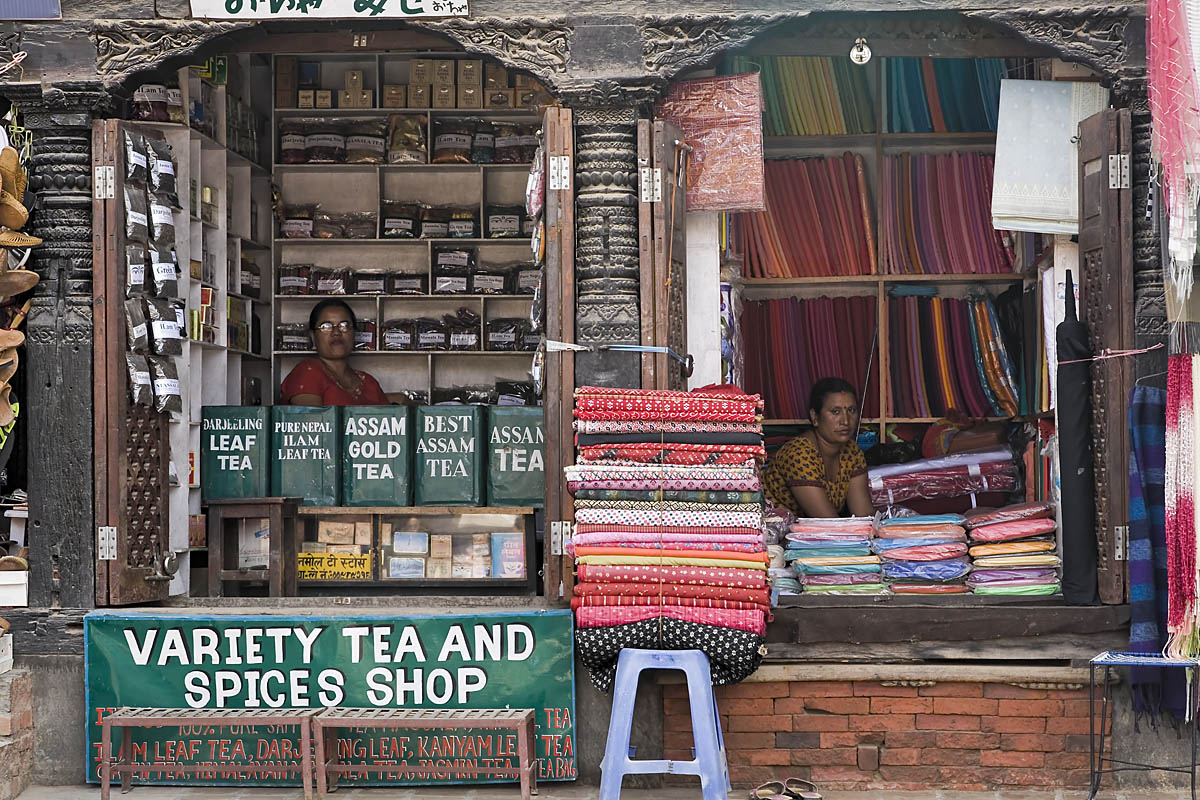
Whether you’re looking for yak wool shawls or Nepali tea, topographical maps of the mountains, or outdoor clothing, you can find them in Kathmandu and Pokhara. Fair trade shops such as Sana Hastakala and Dhukuti are particularly great places to shop for handicrafts, while at Timro Conceptstore, the Local Project, and Of Silk & Salt you can find modern designs. So these are also 20 reasons to visit Nepal in 2022/23.
THE ANIMALS

Nepali wildlife isn’t just restricted to the jungle. All around Kathmandu–but especially at Swayambhunath, otherwise known as the monkey temple–you can see cheeky monkeys. Just keep your food (and children) away from them. The mountains also have a wonderful array of wildlife: while you probably won’t spot a snow leopard, you may see Nepal’s national bird, the danphe, and you’ll see a few yaks!
THE NATIONAL PARKS

Large areas of Nepal are protected as national parks, from the jungles of the Terai to the high Himalayas. Some are remote and can only be reached by trekking–such as the Sagarmatha National Park–whereas others are very accessible from Kathmandu–such as the Shivapuri-Nagarjung National Park. Travelers need permits to enter them or to trek in them.
THE MUSEUMS
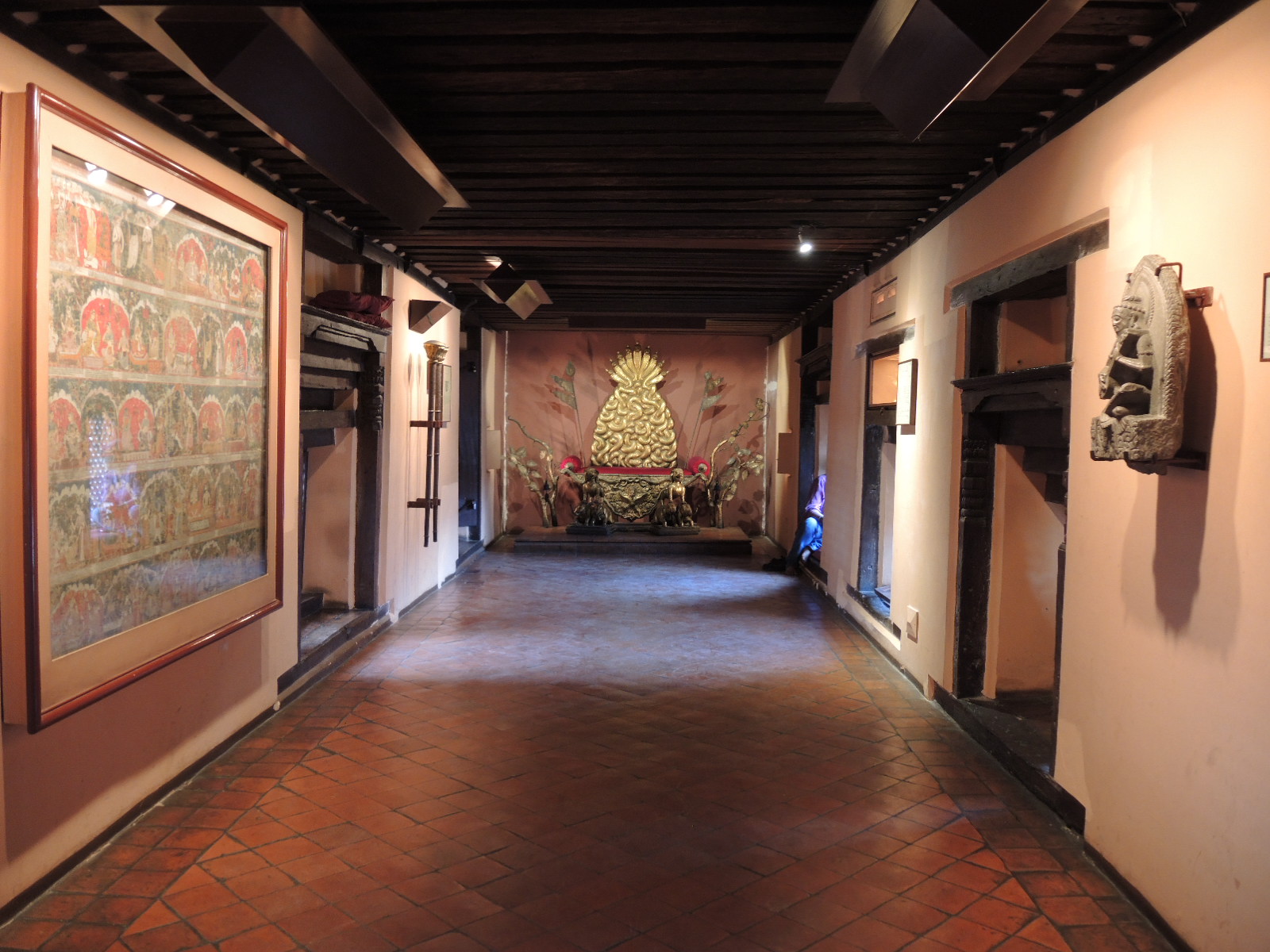
Nepal may not be on a par with Paris or New York when it comes to its museums, but there are a number of lovely places in Kathmandu and Pokhara that you shouldn’t miss. The Patan Museum is the most spectacular, and provides a thorough introduction to the culture and architecture of the Kathmandu Valley. Other places worth checking out are the Taragaon Museum at the Hyatt Regency in Boudha, and the International Mountain Museum in Pokhara.
THE ADVENTURE SPORTS
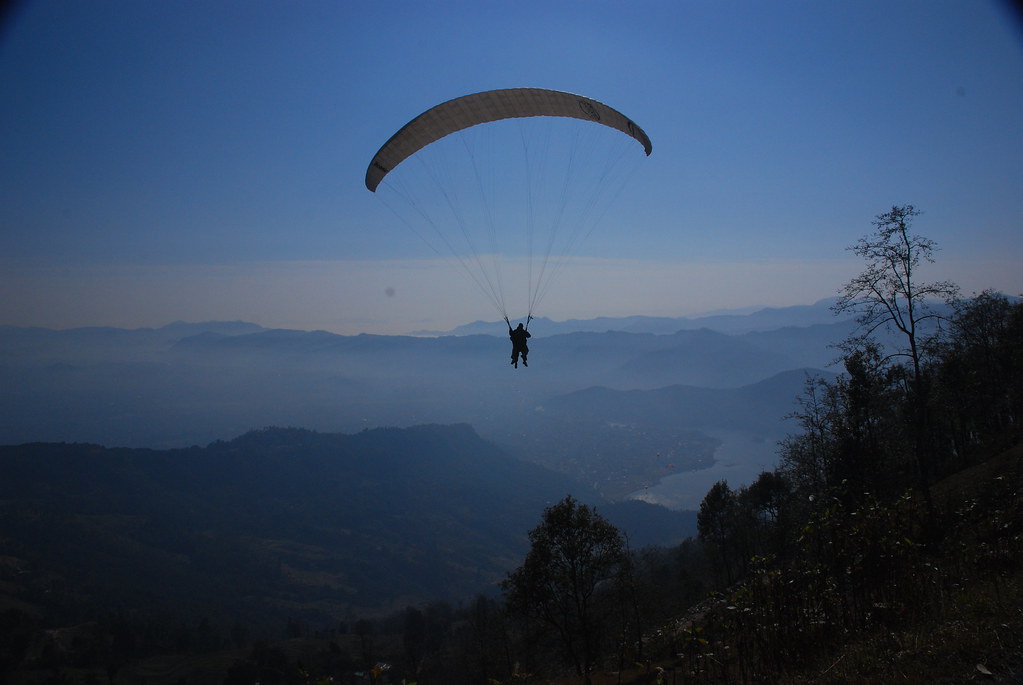
As well as trekking, travellers can do all kinds of other outdoor adventure sports in Nepal: paragliding, zip-lining, white-water rafting, white-water kayaking, canyoning, high ropes courses, trail running, mountain biking, rock climbing, motorbiking, microlite flying… However you choose to get your adrenaline rush, you can do it in Nepal.
THE SUNRISES AND SUNSETS
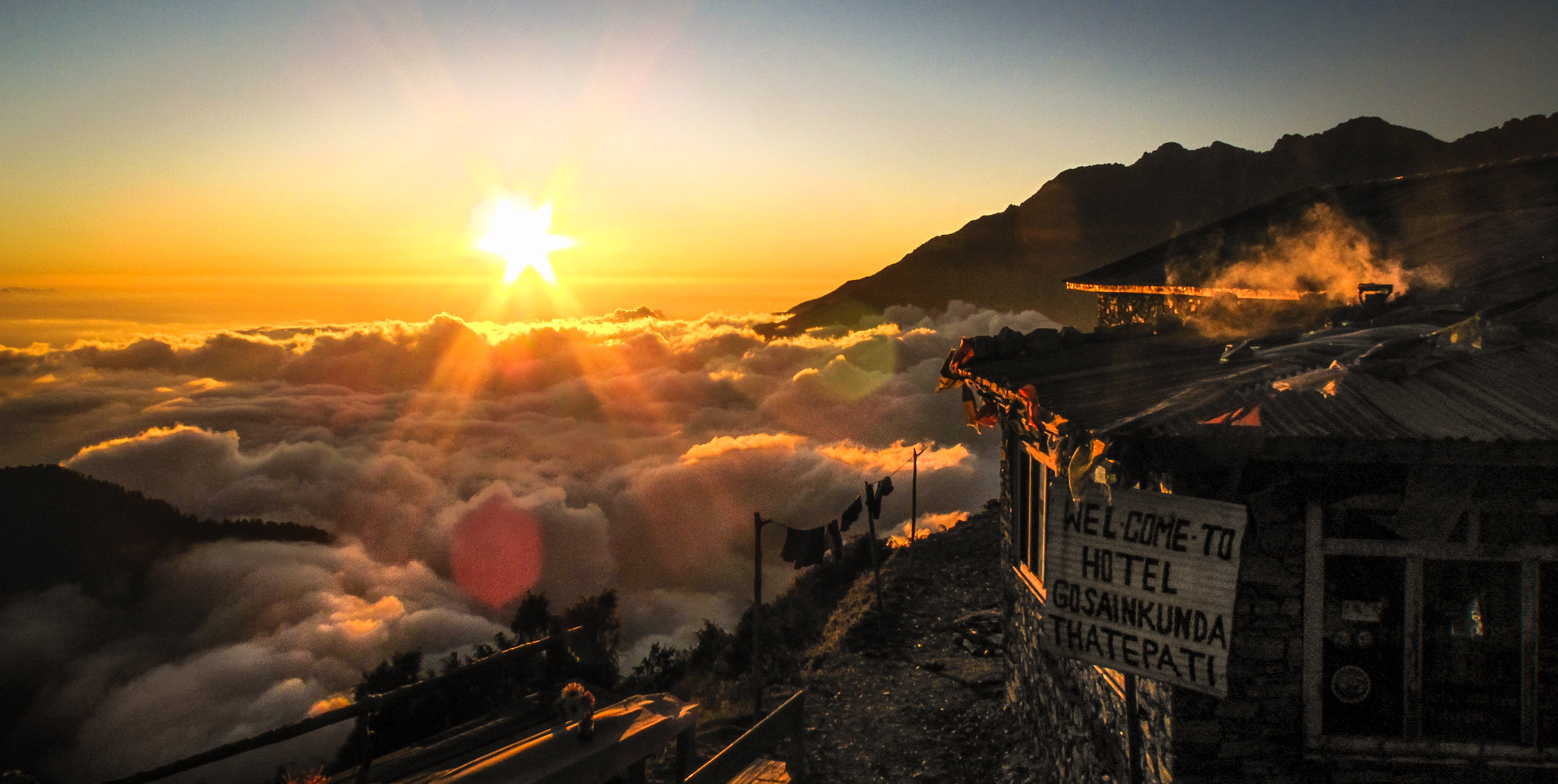
There’s nothing quite like seeing the sun rise or set behind the tallest mountains on earth. Popular places to see the sun at either end of the day include Nagarkot and Namo Buddha from Kathmandu, or Sarangkot and the World Peace Pagoda from Pokhara. If you’re trekking in the mountains, it’s highly recommended that you wake up early to see the sunrise.
THE HISTORY
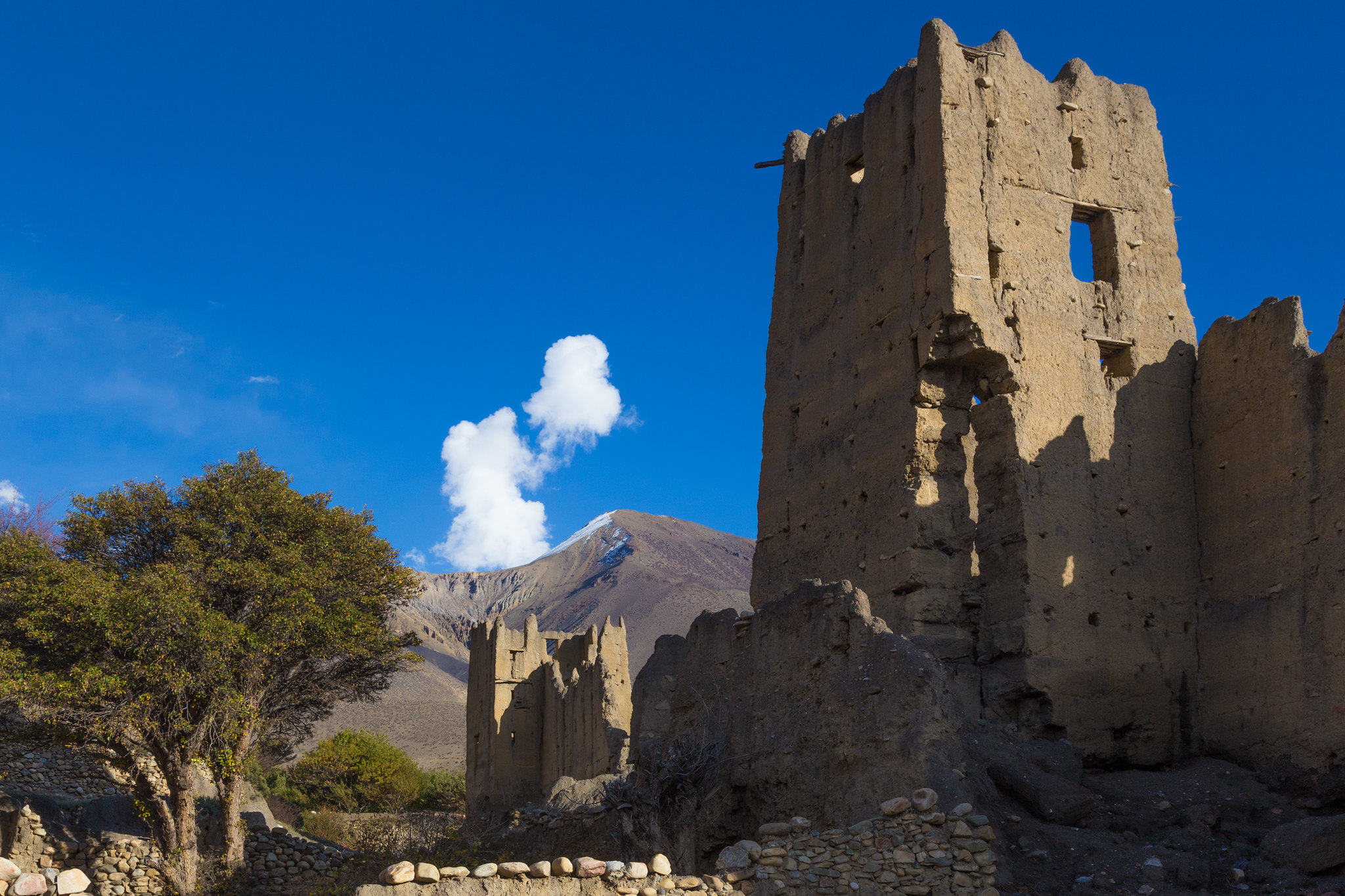
Centuries and centuries of human and natural history are evident wherever you go in Nepal. Medieval temples in Kathmandu, archaeological sites from the time of the Buddha on the Terai, undated cave dwellings in Mustang, fossilized meters of sea creatures lying amid the stones at 3,000 meters in Mustang. It would be hard to learn about Nepal’s millennia of history in a single trip, but browse the bookstores of Kathmandu and pick up something interesting to accompany you on your travels.
THE PEOPLE
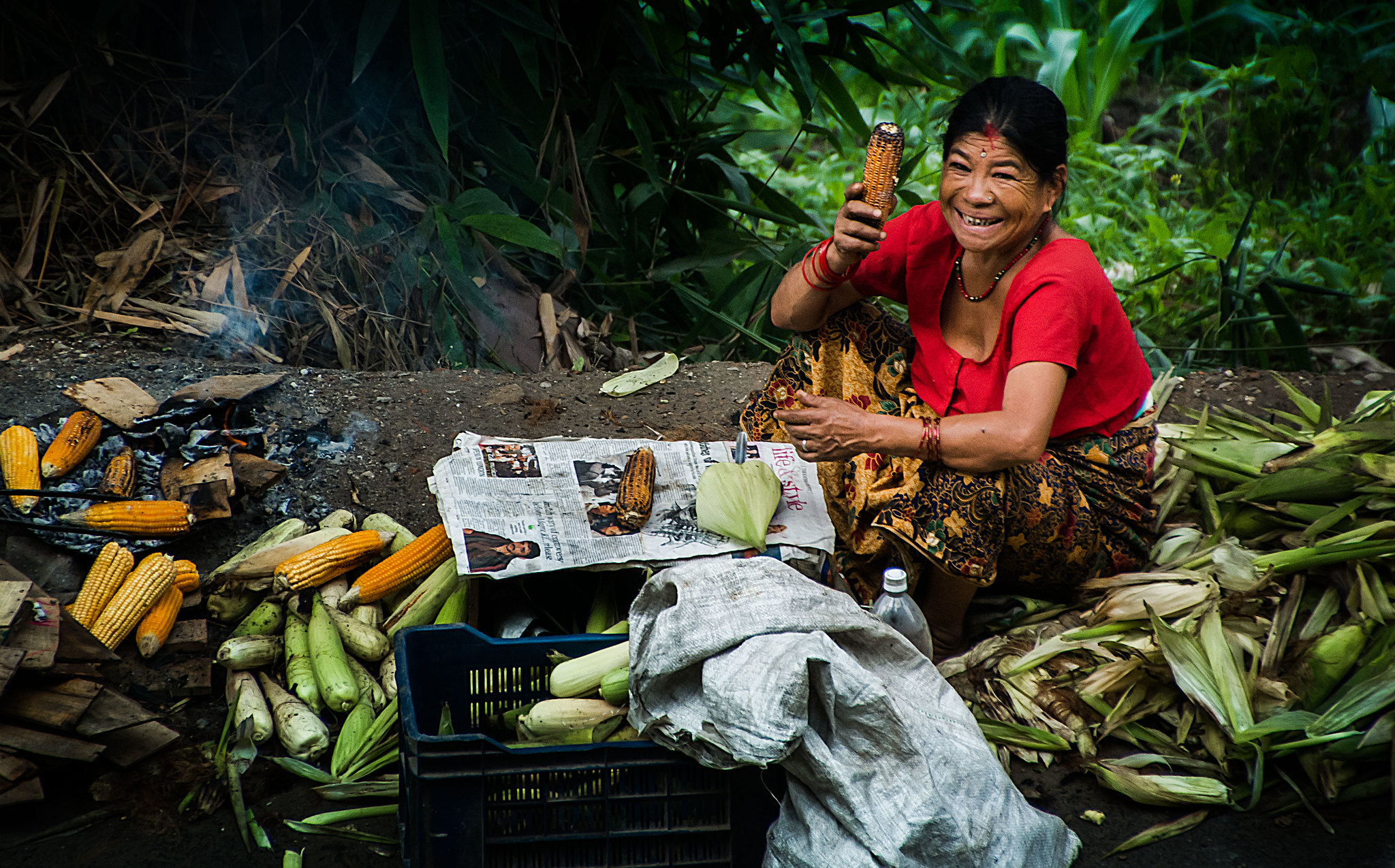
Many people say that you come to Nepal for the mountains, and return for the people. The local people are friendly. Let us know how it goes for you in 2022/23.
Himalayan Travel Mart 2019 Largest International Travel Mart in Nepal
Nepal: Himalayan Travel Mart 2019
Himalaya Travel Mart (HTM) is Nepal’s premier international travel and tourism trade show facilitating unparalleled networking and business opportunities. It provides valuable industry insights among the global tourism and hospitality organizations, and individuals engaged in different aspects of tourism in the Himalayan region.
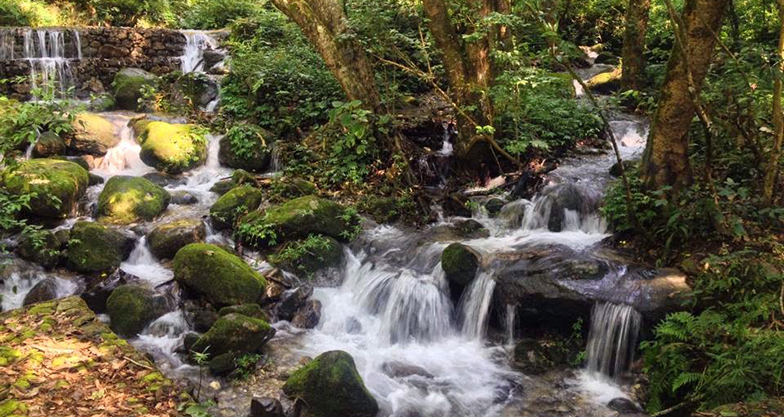
This Business to Business (B2B) mart offers a unique platform for tourism marketing and promotion availing the remarkable gathering of Tourism Industry Stakeholders. It includes Global Buyers, Himalayan Sellers, Travel Bloggers, Influencers, National and International Media, Travel Industry Professionals, and Delegates from around the world.
HTM Conference brings together international tourism experts, hospitality professionals, influencers, renowned adventurers, and great personalities. There is a dynamic lineup of national and international thought leaders amongst buyers, sellers, media professionals, delegates, and industry stakeholders. It involves discussions and sharing unparalleled insights on the contemporary issues, trends, challenges, and opportunities for the development of Himalayan tourism.
The HTM 2019 Conference under the theme “Spirit of the Himalayas” is to inspire the audience to understand both the tangible and intangible spirits of the Himalayas. It unveils its diverse tourism offerings and potentials.
According to the organizer the event also avails a gathering of global buyers, Himalayan sellers, travel bloggers, influencers, national and international media, travel industry professionals, and delegates from around the world,
The first two editions of HTM in 2017 and 2018 attracted the participation of 225 foreign delegates from 53 different countries and over 170 foreign delegates from 36 countries, respectively.
“With renewed zeal and enthusiasm following the two remarkably successful editions of HTM, we have been fully energized with a focus on intensifying the value for our stakeholders for the third edition of the event.
HTM is now a popular brand for the promotion of tourism and we are receiving overwhelming response and interest for participation from many tourism source markets,” said PATA Nepal Chapter Chairman Sunil Shakya.
Similarly, Deepak Raj Joshi, chief executive officer of Nepal Tourism Board, mentioned that HTM has been established as the nation’s major international travel-trade show and this event has been able to promote and showcase Nepal’s tourism offerings to the world.
“This mart has been a unique platform among the travel and tourism industry professionals and individuals for networking, business promotions, and sharing knowledge and skills. The interest shown by the buyers and sellers in the past two editions of HTM has proven its increasing popularity and ongoing success,” he added.
“ANNAM BRAHMA” YOGIC FOOD THERAPY
Introduction:
A diet that is conducive to the practice of yoga and spiritual progress is called Yogic Diet. It purifies the body, calms the mind, and explores the spirit. It is also called satvik food or natural food. The food that purifies the body and calms the mind is sattvic or yogic food. The process of disease management through the use of yogic food based on the disease’s nature and need is called Aahara or Diet therapy. “Food is first medicine” so whatever we eat we get the effects. Diet has an intimate connection with the mind. Mind is formed out of the subtle portion of food. We should pay great attention to food to attain good health and life. We should eat to live but not live to eat. Learn about YOGIC FOOD THERAPY.
These constituents can be divided into three groups:
- Energy Yielding Food likes carbohydrates and Fats
i. Produce energy for voluntary and involuntary functions of the body
ii. Help in the digestion, absorption, and metabolism process of enzymes, and hormones with fats.
iii. Help in manufacturing of vitamins.
iv. Keep the temperature balance in the body. - Body Building Food like Proteins and some minerals
i. Build up the new cells.
ii. Repairs and maintains the tissues.
iii. Increase immunity power. - Protecting Food like Vitamins, water, and minerals
i. Increase the protecting power or immunity power.
ii. Build up the muscles, teeth, bones, blood, etc.
iii. Maintain the chemical levels in the body.
iv. Prevent deficiency diseases.
Types of food according to Yogic Approach:
Satvik Food:
The food which gives purity, calmness, and awareness is called satvik or yogic food. This food should be light, pure, fresh, nutritious, energetic, protective, and alive. It increases vitality, energy, stamina, strength, health, and happiness and cures all types of ailments. Almost organic, natural, fresh, or alkaline food from the earth directly for purity of body and calmness and harmony of mind is known as Satvik food. E.g.: fruits, green vegetables, fresh milk, fresh butter, chapatti, curd, rice, wheat, corn, salad, sprouted nuts and seeds, herbal spices, and herbal tea.
Rajasik Food:
The food that, stimulates, activates, and speeds up the body’s units and processes is known as Rajasik Food. It also gives energy but no purity and calmness. It makes it more unstable, movable, restless and unpeace. E.g.: All types of fast food, dried food, fried food, roast food, spicy, salty, oily, and heavy. It is only testable but no prana; so many items but nutritious. It is not yogic but is not harmful as well.
Tamasik Food:
The food that has no life, no natural quality, tastes, colors, and artificial food is known as Tamasik food. E.g.: Stale food, decomposed food, smoke, drugs, alcohol, all meat products, repeated cooking, unmatchable food, unseasonal food, untimed food, etc. are the Tamasik food.
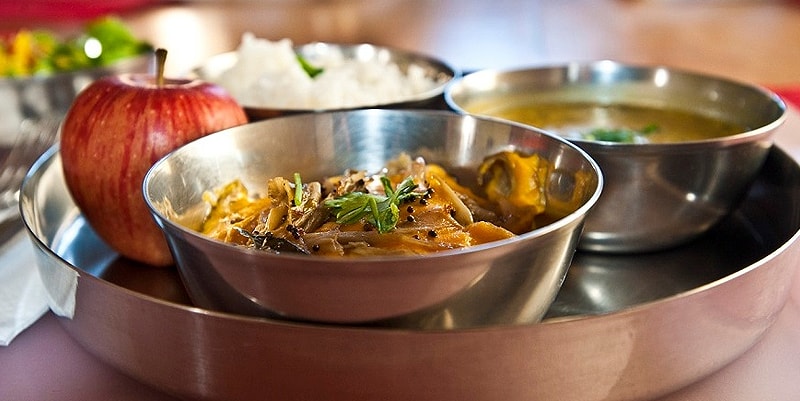
DIET CHART
YOGIC FOOD THERAPY for Normal Healthy People
| Time | Food Items |
| 5 to 6 am | Drinking water (Ushaapaan) 200 ml 600 ml |
| 7 to 8 am | Herbal Tea, vegetable, unsalted sprouts, milk, fruits, daliya or soaked resins, curd |
| 11 am to 12 pm | Salad, Vegetables 60%, whole pulse 35%, fats 5%, Chapati 25%, salad/ fruits 25%, Curd and chapatti or rice |
| 3 to 4 pm | Fresh fruit, salad, fruits juice, herbal tea |
| 7 to 8 pm | Vegetables and salad, Chapati (Light Dinner) |
Food Rules for All in General:
- Wash hands and feet before eating and gargle with water.
- A place where one eats should be neat and clean with a calm atmosphere.
- Eat only when you feel hungry.
- Food should be tasty, fresh, and good to look at.
- Take a meal in a pleasant mood.
- Eat at a fixed time and keep a gap between two meals.
- Never take a meal when you are angry, worried, restless, and in fear.
- Avoid excessive eating, and maintain rules of meetahar which means ½ of the stomach is filled with solid foods and the rest ½ is for water and air.
- Don’t eat dust-exposed and contaminated food.
- Don’t take the next meal until the meal taken before has been digested.
- Avoid taking food if you feel acidity, nausea, vomiting, and burning sensation.
- Take fresh meals, overcooking is harmful.
- Don’t work hard after food. But you can walk 100 to 200 steps in the plane zone as needed.
- Eat when the breath flows through the right (surya swara) nostril and drink water when the breath flows through the left (moon swara) nostril.
- After walking 100 to 200 steps sit on vajrasana for 5 to 15 minutes and after taking food, lie down on the left lateral side for easy and good digestion.
- Go to bed after 2 hours of taking the food at least.
- Pass urine just after the meals.
- Pray before eating meals.
- Don’t take fried food and do not store the cooked food for more than 6 hours.
- Don’t drink water ½ an hour before a meal and 1 hour after a meal.
- Sit on the ground keeping the spine erect while eating food.
- Avoid cold beverages, late-night snacks, and junk food.
- Chew the food properly and swallow slowly.
- Eat seasonal and fresh foods.
- Don’t talk, watch television and be silent while eating.
- Always take sattvic vegetarian food and be able to attain the qualities of pity, sympathy, compassion, love, kindness, respect, purity, peace, etc.
- Don’t eat too much cold and too hot things and also don’t eat cold after hot and no very hot after cold things.
- Drink a cup of warm water or herbal tea without sugar after taking a meal.
- Eat first sweet, salty, sour, pungent, bitter, and astringent tastes respectively.
- Put your wet palms on your eyes for a few moments.
Diet Therapy for Common Diseases
| Time | Food Items |
| 5 to 6 am | Drinking water (Ushaapaan) 200 ml 600 ml |
| 7 to 8 am | Herbal Tea, vegetable, sprouts, fruits; gram soup or fruits juice, buttermilk, curd |
| 11 am to 12 pm | Vegetables 50 to75%, Daliya 25% or Chapati 25%, salad/ fruits 25%, Curd 50 – 150 ml |
| 3 to 4 pm | Fresh fruit, salad, fruits juice, herbal tea |
| 7 to 8 pm | Vegetables and salad 75%; Chapati 25% |
YOGIC FOOD THERAPY for Chronic Diseases
| Time | Food Items |
| 5 to 6 am | Drinking water (Ushaapaan) 200 ml 600 ml |
| 7 to 8 am | Herbal Tea, lemon-honey Lukewarm water, vegetable, sprouts, fruits, gram soup or fruit juice, buttermilk, curd |
| 11 am to 12 pm | Boiled Vegetables 50 to75%, Daliya 25%, salad/ fruits 25% |
| 3 to 4 pm | Fresh fruit, salad, fruit juice, herbal tea |
| 7 to 8 pm | Daliya 25%, Vegetable 75%, or Vegetable 50%, chapatti 25%, salad 25%, no pulse and fat |
“We are what we eat”