Himalayan Yoga Academy

Education & research Foundation

12 Days 100 hour Pranayama Teacher Training in Nepal

Course Details

Duration 12 Days 11 Nights
Level Begineer
Certification Yoga Alliance & YACEPs
Yoga Style Hatha, Ashtanga , Vinyasa
Languages English
Day 1st - 12th Every Month
Course Fee

Starting From

US 690

12-Day Pranayama Teacher Training in Nepal: A Comprehensive Overview

In the world of yogic science and practise, Pranayama stands as a profound bridge—connecting the tangible, physical body with the subtle, flowing realm of mind and energy. While Asana prepares the ground, it is Pranayama that cultivates the inner garden. This 12-Day 100 Hour Pranayama Teacher Training in Nepal is not merely a course; it is an intensive sadhana (spiritual practice) designed to initiate you into the mastery of breath as a tool for healing, awakening, and transformation. Rooted unwaveringly in classical yogic texts—the Hatha Yoga PradeepikaGheranda Samhita, and Patanjali Yoga Sutras—this training offers an authentic, unbroken lineage approach, while simultaneously equipping you with modern teaching skills and anatomical knowledge.

This program is ideal for dedicated yoga practitioners who wish to deepen their personal practice, as well as for existing yoga teachers (RYT 200 or equivalent recommended) who seek to confidently guide others through the subtle art of breathwork. Over twelve immersive days, you will move beyond superficial breathing exercises and step into the role of a Pranayama Guide, understanding not just how to breathe, but whywhen, and for whom each technique is appropriate.

What You Will Learn:

  • Over 18 pranayama techniques – from foundational to advanced (Nadi Shodhana, Ujjayi, Kapalbhati, Bhastrika, Bhramari, Sheetali, Suryabhedi, Chandra Bhedi, and more)
  • The science of Prana, 5 Pranas, 72,000 Nadis (Ida, Pingala, Sushumna)
  • Bandhas (Mula, Uddiyana, Jalandhara) and Mudras (Khechari, Shambhavi, Yoni)
  • Kumbhaka (breath retention) – Sahita and Kevala stages
  • Anatomy & physiology of breathing – respiratory system, nervous system effects
  • Teaching methodology – sequencing, contraindications, adjustments, ethics
Course Timeline

1

Check-In To Ashram

1st Day - Arrival Day
11:00 am - 2:00 pm
2

Opening Ceremony

1st of Every Month
2:30 pm
3

Certification Ceremony

12th of Every Month
8:00 am
4

Check-Out From Ashram

12th of Every Month
10:00am - 11:00 am

12 Days 100 hour Pranayama Teacher Training in Nepal Fees & Upcoming Dates - 2026

01 Jul - 12 Jul 2026
Seats: 4 left
01 Aug - 12 Aug 2026
Seats: 6 left
01 Sep - 12 Sep 2026
Seats: 6 left
01 Oct - 01 Oct 2026
Seats: 4 left
01 Nov - 12 Nov 2026
Seats: 3 left
01 Dec - 12 Dec 2026
Seats: 4 left
4.95 - Excellent
Based on 5 Reviews

DURATION: 12 Days 11 Nights


COURSE FEE
(Accommodation)

$820
Private
$690
Sharing

Course Syllabus

  • Definition: Prana + Ayama (extension/expansion of life force)
  • Four aspects: Pooraka (inhalation), Rechaka (exhalation), Antar Kumbhaka (internal retention), Bahir Kumbhaka (external retention)
  • The 5 Pranas: Prana, Apana, Samana, Udana, Vyana – locations and functions
  • Reference: Patanjali Yoga Sutra 2.49 – “Tasmin sati svasa prasvasayor gativicchedah pranayamah”
  • 72,000 nadis (energy channels)
  • Ida (lunar, left), Pingala (solar, right), Sushumna (central)
  • Swara Yoga: nostril dominance and mental states
  • Gheranda Samhita Chapter 5 – pranayama brings lightness
  • Hatha Yoga Pradeepika – Chapter 2 (8 pranayamas), Chapter 3 (Bandhas & Mudras)
  • Gheranda Samhita – Chapter 1 (Shatkarma), Chapter 5 (Sahita, Suryabhedi, Ujjayi, Sheetkari, Bhastrika, Bhramari, Moorchha, Kevali)
  • Patanjali Yoga Sutras – Ashtanga Yoga, Chitta Vritti Nirodhah (1.2), Pranayama definition (2.49)
  • Bhagavad Gita – Yoga as skill in action (2.50), equanimity (2.48)
  • Three Bandhas: Mula (root), Uddiyana (abdominal), Jalandhara (throat)
  • Maha Bandha (all three combined)
  • Mudras: Khechari (tongue to soft palate), Shambhavi (third eye gazing), Yoni (closing sensory gates)
  • Sahita Kumbhaka (with inhalation/exhalation) – ratio progression 1:1:1 → 1:2:1 → 1:3:2 → 1:4:2
  • Kevala Kumbhaka (spontaneous retention – advanced stage)
  • Respiratory system: lungs, diaphragm, intercoastal muscles
    Mechanism of Breathing
  • Oxygen‑carbon dioxide exchange
  • Autonomic nervous system: sympathetic (fight/flight) vs parasympathetic (rest/digest)
  • Effects of pranayama on heart rate, blood pressure, stress hormones (cortisol), brain waves (alpha, theta, delta)
  • Pranamaya Kosha (vital energy sheath)
  • Chakras: Mooladhara to Sahasrara
  • Principles of teaching pranayama – verbal cueing, observation, hands‑on adjustments (where appropriate)
  • Sequencing: warm‑up → main technique → cool‑down
  • Class capsules: 24, 36, 48, 60, 90‑minute sequences
  • Contraindications for each technique (pregnancy, heart conditions, hypertension, hernia, epilepsy, recent surgery)
  • Ethical guidelines: never force, respect individual capacity
  • Business skills: setting up classes, marketing

Meet OurYoga Teachers

Yogacharya Raj Kumar (Head Manager/Lead Yoga Instructor)

Yoga Instructor

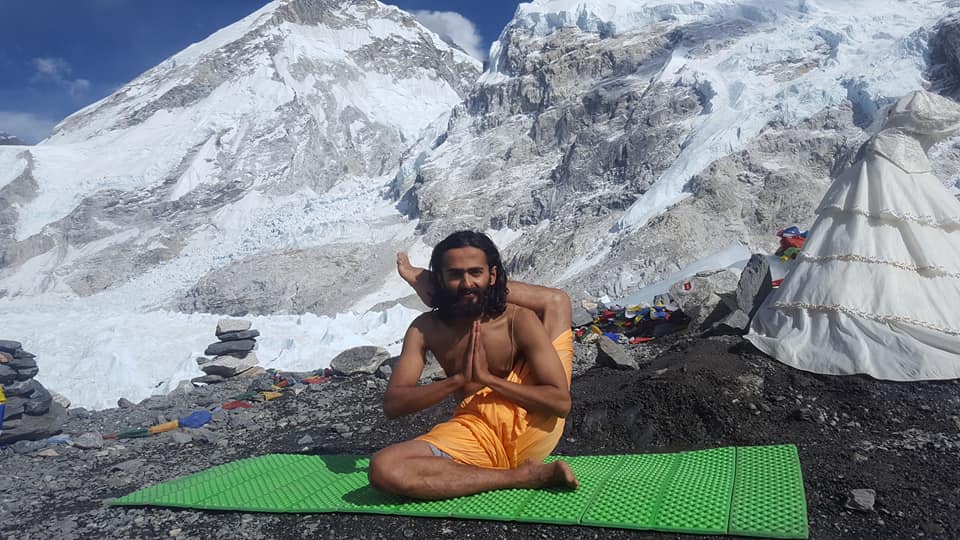
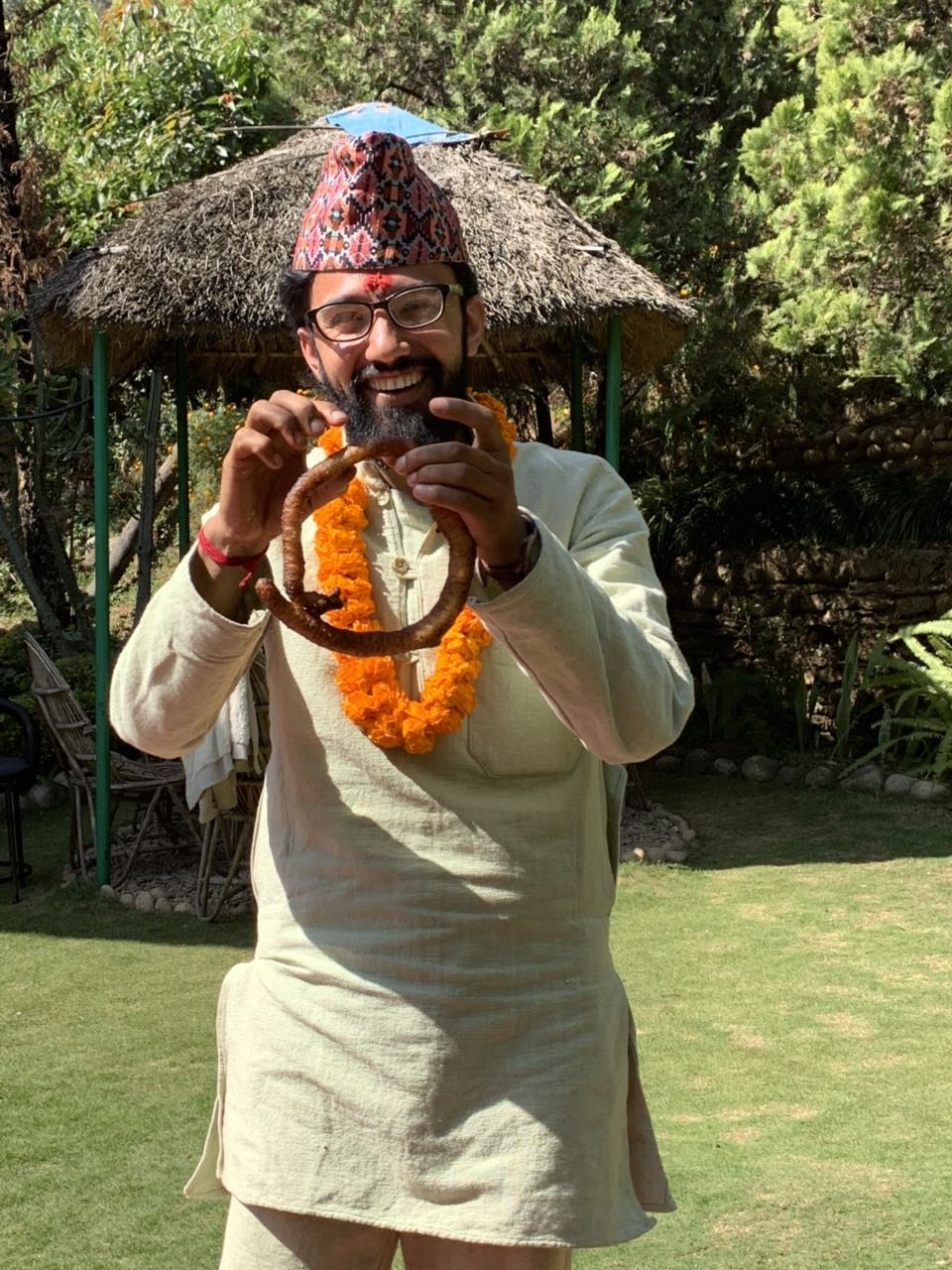
Sudan Bhetuwal ( Himalayan Yogi)
Dr. Roshan Baskota – Ayurveda Doctor and Yoga Anatomy Specialist

What's included?

  • 100 Hour Pranayama Training by an Experienced Hatha Yoga Teacher
  • 12 Days 11 Nights Accommodation
  • Printed manual (all techniques, bandhas, mudras, nadis, chakras)
  • Reference charts
  • Daily practice notebook
  • Teaching methodology guide
  • Sample class sequences – PDF / Print
  • Daily yoga classes
  • Accommodation & sattvic meals (if residential)
  • Airport pickup and drop off
Yoga Alliance

HYA is run by very qualified and registered
Yoga Gurus and professionals in Kathmandu, Nepal.

Code of Conduct

Prerequisites:

A high degree of self-motivation is required for all aspects of the course. The practice and especially the teaching of yoga demand a high degree of self-discipline and purity. To ensure the success of the program, participants are required to attend all spiritual activities, meditation sessions, lectures and asana classes.


Rules for Students:

Smoking and alcohol are strictly prohibited in the school. If you are having a fast any day, you have to inform the kitchen manager for avoiding food waste. Always make discipline, respect teachers and follow all rules. Always be on the time, you are late means will not be permitted to join the class.

Clear your books of account before departure from Himalayan Yoga Academy. Before departure return your books, maps or any goods which you borrowed. Vinyasa Yoga Ashram provides accommodation for a student who joins the yoga course. So any friends or relatives will not be included in accommodation however they can stay in school by renting another room. The student has to be present in all scheduled program of Vinyasa Yoga Ashram.

Meat, fish, eggs, alcohol, tobacco, drugs and nudity are prohibited during the course as they are counterproductive to the yoga practice. Participants who do not comply with the school rules may be dismissed from the course.


Refund Policy:

Advance fees paid is refundable but one month before the course but transferable to any future dates.Cancellation is before five days, then the advance amount can be transferred to another month based on availability within a year of enrollment.