

12 Feb 2026 HYN Himalayan Yoga Academy
Millions of people around the world suffer from post-traumatic stress disorder, or PTSD. It may develop as a result of going through or seeing traumatic experiences like mishaps, abuse, conflict, natural disasters, or unexpected loss. In addition to the mind, PTSD affects the nervous system, emotional stability, sleep patterns, and general health.
Many people are now turning to complementary therapies that promote deeper nervous system regulation and emotional release, even though psychotherapy and medical treatments are still crucial. With roots in the Himalayan tradition of sound healing, Singing Bowl Therapy is one of the most potent and traditional techniques. This tradition has been upheld for centuries in Nepal, the country that gave rise to the Himalayan singing bowls and Nada Yoga, also known as the yoga of sound. These days, it is becoming more widely acknowledged as a helpful tool in therapy for trauma recovery.
Understanding PTSD and the Nervous System
PTSD is a profoundly physiological disorder as well as a psychological one. The autonomic nervous system is dysregulated by trauma, which frequently leaves the body in a persistent state of
Hyper-vigilance
Panic and anxiety
Lack of emotion
Disturbances in sleep
Memories or unpleasant ideas
The “fight, flight, or freeze” response becomes stuck in the nervous system. The body keeps responding as though it is still in danger even after the threat has passed.
Sound healing provides significant assistance in this situation.
How Singing Bowl Therapy Works
Himalayan singing bowls produce rich harmonic overtones and deep vibrational frequencies. When played near or on the body, they create resonance that interacts with the body’s energy field and nervous system.
Sound healing works through three primary mechanisms:
1. Vibrational Resonance
The human body is composed largely of water, making it an excellent conductor of vibration. The frequencies emitted by singing bowls travel through tissues and cells, helping release stored tension and energetic blockages often associated with trauma.
2. Brainwave Entrainment
The rhythmic tones of singing bowls can guide the brain from beta waves (associated with stress and alertness) into alpha and theta states (associated with relaxation, meditation, and healing). These slower brainwave states allow the nervous system to shift from survival mode into restoration.
3. Nervous System Regulation
The soothing, repetitive tones activate the parasympathetic nervous system — the “rest and digest” state — promoting safety, calmness, and emotional grounding.
For individuals living with PTSD, this gentle regulation is often the first step toward deeper healing.
Benefits of Singing Bowl Therapy for PTSD
While sound healing is not a replacement for professional psychological treatment, it serves as a powerful complementary therapy. Many participants report:
- Reduced anxiety and panic episodes
- Improved sleep quality
- Emotional release without re-traumatization
- Deeper relaxation and grounding
- Increased body awareness
- Improved mood and clarity
One of the key advantages of singing bowl therapy is that it does not require verbal processing of trauma. For many trauma survivors, talking about painful experiences can feel overwhelming. Sound works beyond words, allowing healing at a subtle and non-invasive level.
Trauma-Informed Sound Healing Approach
When working with PTSD, it is essential that sound healing is conducted in a trauma-sensitive and ethical manner. A skilled practitioner understands:
- The importance of creating a safe and supportive environment
- How to regulate volume and frequency appropriately
- How to observe emotional responses
- When to encourage grounding techniques
- The boundaries of sound therapy as a complementary practice
This is why proper training is crucial.
Learning Singing Bowl Therapy in Nepal
Nepal holds a unique position in the world of sound healing. As the origin of Himalayan singing bowls, the country preserves ancient knowledge passed down through generations of practitioners.
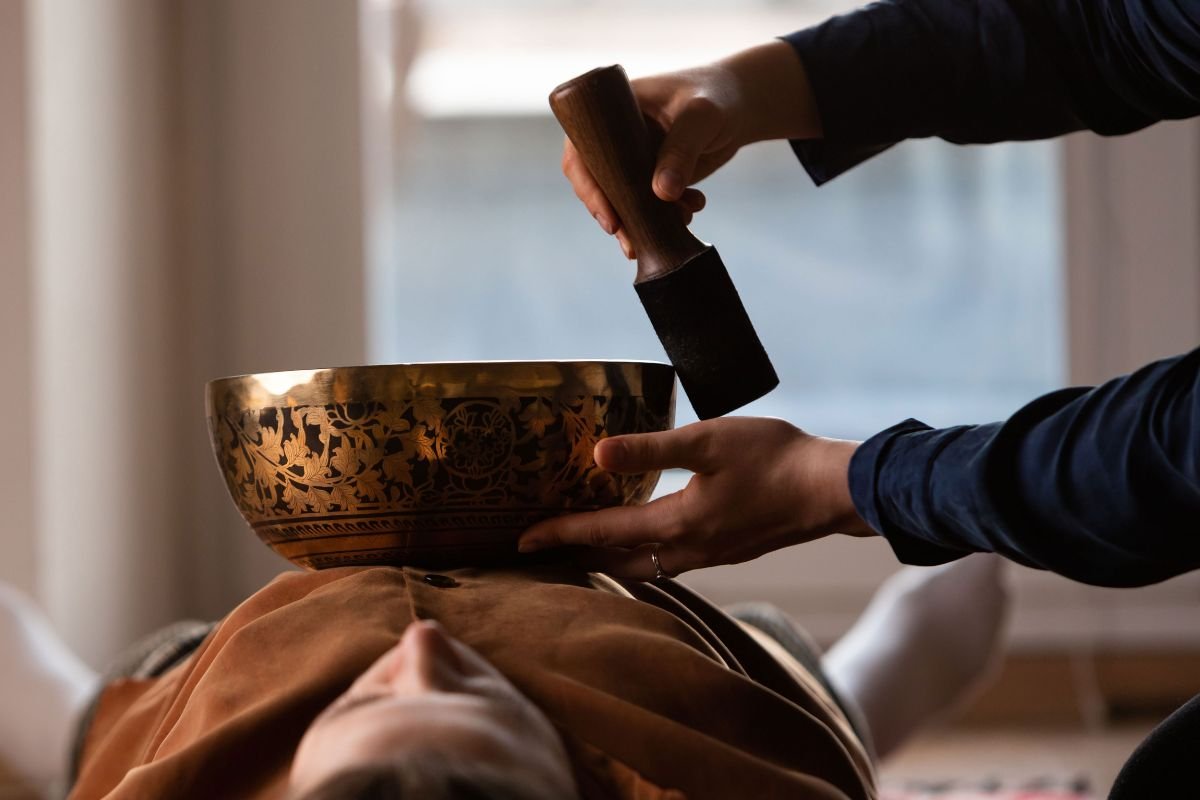
Our Sound Healing Training in Nepal is designed for yoga teachers, therapists, wellness professionals, and anyone who wishes to learn authentic Himalayan sound healing.
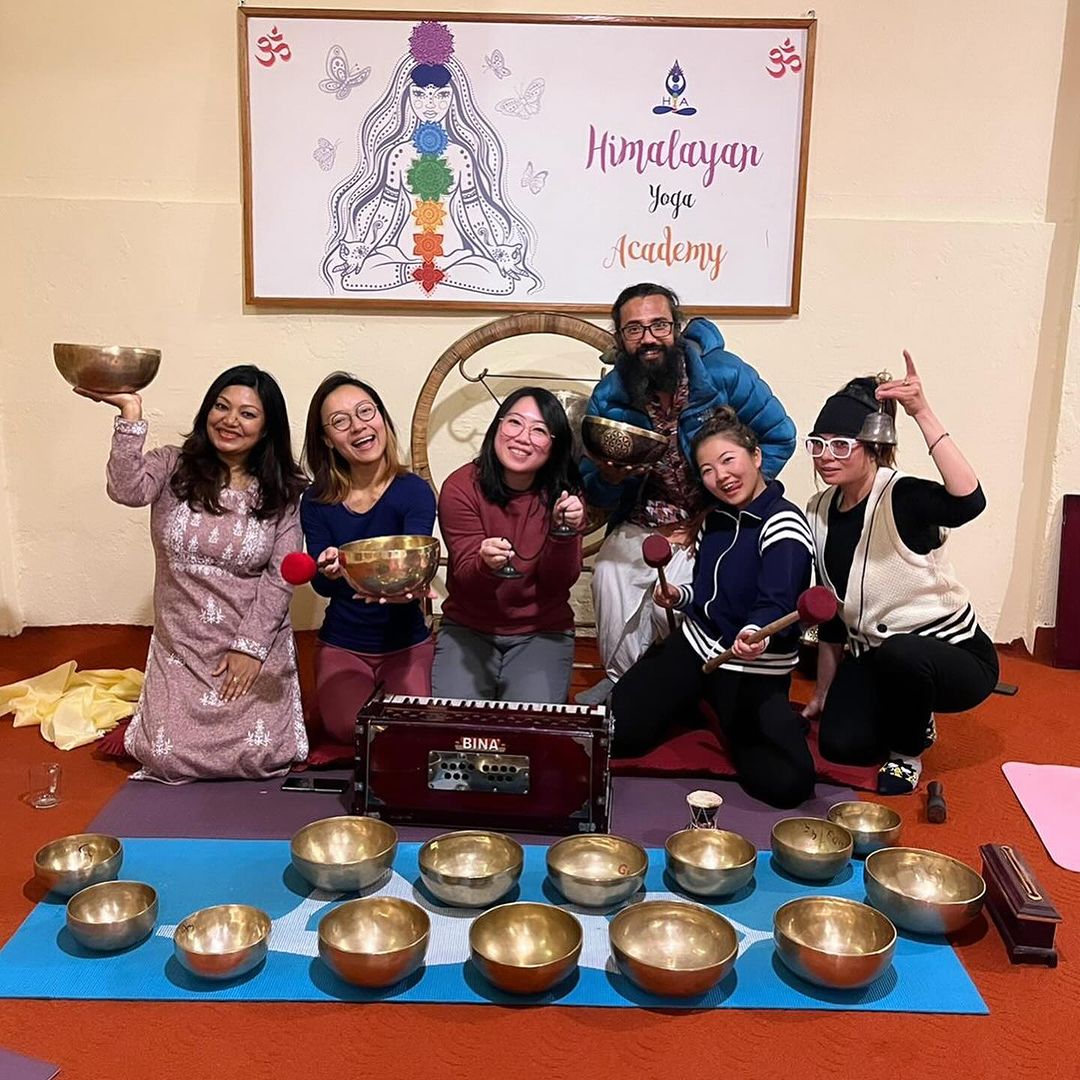
During the course, students explore:
- The science of sound and vibration
- Understanding trauma and the nervous system
- Nada Yoga philosophy
- Practical singing bowl techniques
- Chakra balancing through sound
- Creating safe therapeutic sessions
- Ethics and trauma-informed practice
By learning in Nepal, students connect directly with the roots of this sacred practice. The immersive environment of the Himalayas adds a powerful dimension to the training experience.
Why Sound Healing Training Matters in PTSD Trauma Healing?
As the popularity of sound therapy grows worldwide, proper education becomes increasingly important. Trauma is delicate, and working with PTSD requires knowledge, sensitivity, and responsibility.
Professional sound healing training ensures that practitioners:
- Understand contraindications
- Recognize emotional release responses
- Apply grounding and integration techniques
- Maintain ethical standards
- Offer safe and supportive sessions
Our Sound Healing Training in Nepal integrates traditional Himalayan methods with modern understanding of nervous system science, creating a balanced and practical learning experience.
Integrating Sound Healing with Other Therapies
Singing bowl therapy works beautifully alongside:
- Psychotherapy
- Somatic therapy
- Yoga and breathwork
- Meditation practices
- Ayurveda and holistic wellness
Many trauma survivors find that combining traditional therapy with vibrational healing accelerates their journey toward emotional balance and inner stability.
Sound does not force healing — it gently invites it.
A Gentle Path Toward Wholeness
Trauma often disconnects individuals from their bodies, emotions, and sense of safety. Singing bowl therapy provides a gentle pathway back to presence.
Through vibration, rhythm, and sacred sound, the nervous system begins to remember what calm feels like. Over time, this regulation can support deeper emotional processing and resilience.
For those who feel called to help others through this work, learning authentic Himalayan sound healing in Nepal offers both personal transformation and professional development. It can feel overwhelming. Sound works beyond words, allowing healing at a subtle and non-invasive level.