
200 Hour Yoga Teacher Training in Monastery Nepal Training Cost
Private Accommodation - USD 1620 per person Double Sharing Accommodation - USD 1420 per person
Note: If you are in Group, ask for special rates


Life Changing 200 Hour Yoga Teacher Training in Monastery Nepal
Join an authentic 200 Hour Yoga Teacher Training in Monastery, Nepal, where the ancient wisdom of yoga is transmitted in its most natural environment — a living monastery. Hosted at the serene Azom Monastery in Pharping, this 22-day residential yoga teacher training retreat is thoughtfully designed to merge traditional yogic education, monastic lifestyle, and inner transformation.
This immersive program goes far beyond physical postures. It is a holistic journey into asana, pranayama, meditation, philosophy, lifestyle, and self-discipline, offered in a peaceful Himalayan monastery setting that naturally supports deep introspection, clarity, and growth. Practicing and studying yoga in a monastery allows students to slow down, reconnect with themselves, and experience yoga as a way of life rather than just a practice.
Surrounded by Himalayan forests, sacred caves, monasteries, and pilgrimage sites, this retreat-style 200 Hour Yoga Teacher Training in Nepal provides an ideal atmosphere to disconnect from external distractions and reconnect with your inner self. The energy of Pharping — long revered by yogis, monks, and meditation masters — creates a powerful field for meditation, learning, and personal transformation.
The course follows Yoga Alliance standards while preserving the authentic Himalayan yogic tradition. You will receive systematic training in Hatha Yoga, Ashtanga Vinyasa Yoga, pranayama, shatkarma, meditation, mantra, yoga philosophy, anatomy, and teaching methodology, all delivered in a calm, supportive, and spiritually aligned retreat environment.
Why This Monastery-Based 200 Hour Yoga Teacher Training Is Unique:
- Live and learn inside a sacred Buddhist monastery
- Daily meditation, mantra chanting & yogic silence
- Authentic Himalayan yogic lifestyle & discipline
- Small group retreat atmosphere (deep personal attention)
- Ideal for inner healing, spiritual growth & self-discovery
- Perfect balance of retreat experience & professional training
Living within a monastery encourages mindfulness, simplicity, discipline, and self-awareness, allowing students to experience the deeper dimensions of yoga that are often missed in city-based trainings. Daily meditation, mantra chanting, yogic routines, and sattvic vegetarian meals support both physical purification and mental clarity.
By the end of this 200 Hour Yoga Teacher Training in Monastery, Nepal, you will not only earn an internationally recognized yoga teaching certificate but also gain:
- A deeper connection to your body, breath, and mind
- Confidence to teach yoga with authenticity and integrity
- A clear understanding of yoga as a spiritual and practical science
- A profound retreat experience that leaves a lasting imprint on your life
This is more than a course.
It is a transformational yogic retreat in Nepal, guided by experienced Himalayan teachers, within the sacred embrace of a monastery.
Location – Azom Monastery, Pharping (Nepal)
Pharping is one of Nepal’s most powerful spiritual destinations, revered by yogis, monks, and meditation masters for centuries. The energy of this land makes it an ideal setting for a 200 Hour Yoga Teacher Training Retreat in Nepal, supporting deep meditation, self-inquiry, and transformation.
About the Yoga Teacher Training Program
This retreat-style YTTC follows Yoga Alliance standards, while maintaining a traditional Himalayan approach to yoga education.
Core Practices:
- Traditional Hatha Yoga
- Ashtanga Vinyasa Yoga
- Pranayama, Bandha & Mudra
- Meditation, Yoga Nidra & Mantra
- Sound Healing & Nada Yoga
- Yogic Philosophy & Lifestyle
- Teaching Methodology & Practicum
- Monastery Insight Experience
Classes are taught in English, with Sanskrit and Hindi references for authentic transmission.
Arrival & Departure :
- Start date: Arrival and rest ( 7 am – 12 pm on 1st ) .
- Starting Date: Includes opening ceremony and orientation (2 pm – 5 pm on the 1st ).
- Day-Off: 2 days are off (depending on the schedule and situation).
- Last Day: Departure after 11 am
- Additional days of Stay: You are welcome to stay before or after the retreat for an extra charge of USD 35/day. This price includes all meals, but it doesn’t include any classes or activities.
Our Team (Lead Teachers)
Sudan Bhetuwal

Your action should inspire you; nobody should be applauding you to do the best of yourself,” says Sudan. He has been a self-taught hatha yoga practitioner for the last two decades. He is also known as Himalayan Yogi as he has been doing intense yogic practices on the lap of the Himalayas for years. More than university studies, he has delved and learned from the mysteries of nature. He has graduated in Yoga and Naturopathy from Nepal Sanskrit University and is a certified 200hr/300hr Yoga teacher.
In 2018, he received the Mr. Yogi 2018 award and earned appreciation from the government of Nepal. For Yoga and Philosophy teaching, he has been to India, Australia, Thailand, Singapore, Malaysia, the Philippines, and Indonesia. A very enthusiastic soul whose aura recharges everyone around. He is a proficient teacher with intricate knowledge of all aspects of Hatha Yoga (Asana, Pranayama, Kriyas, Shatkarma, Bandha/Mudra, and meditation).
Yogi Prapti
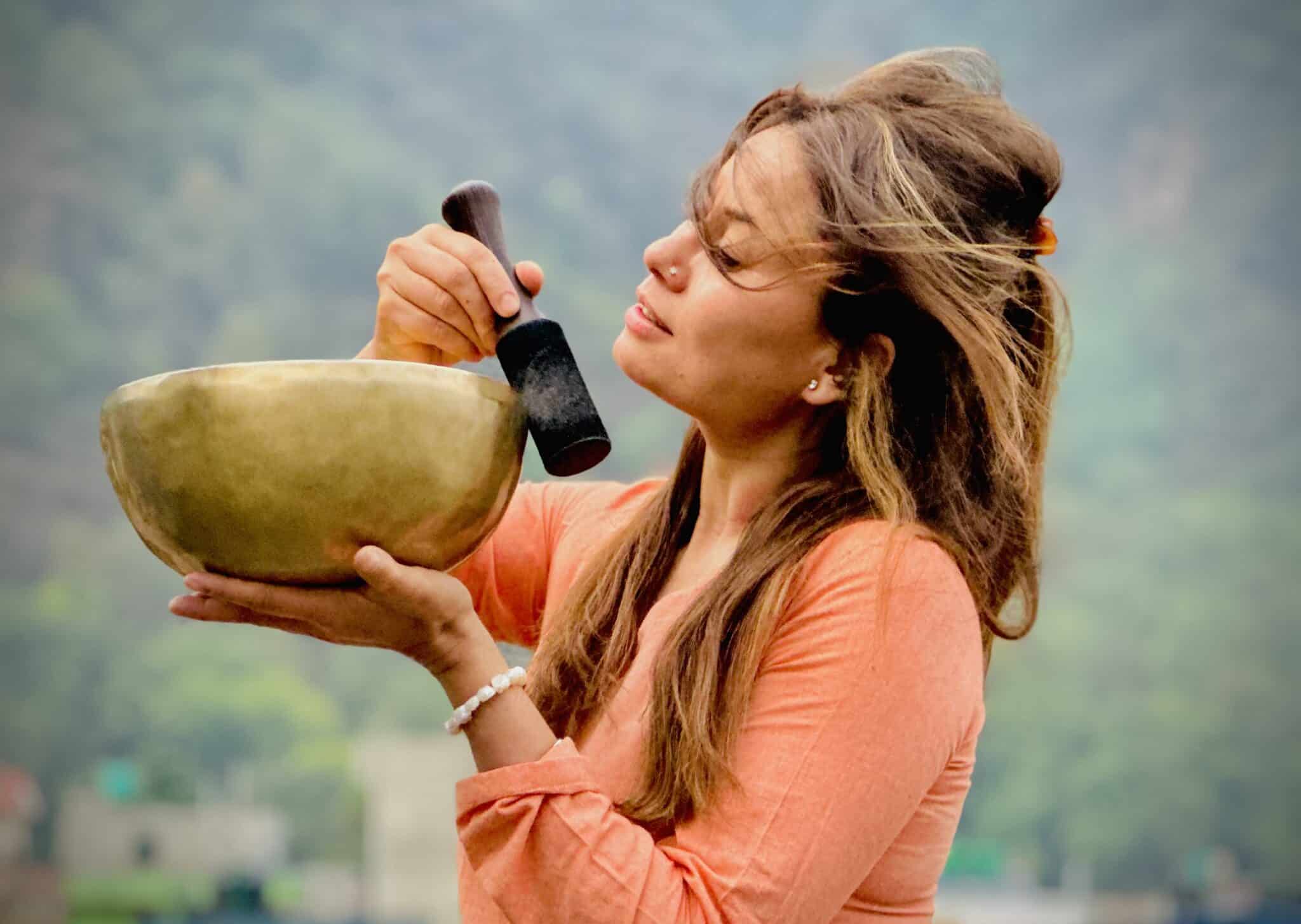
Prapti, “Never ceases to amaze”. Filled with humor, warmth, and a sense of humility. Her classes ground students in the present moment by emphasizing alignment, breath, strength, and flexibility.
MASTERY:
NADA CHIKITSA ( SOUND HEALING ), ASHTANGA YOGA, HATHA, AND VINYASA YOGA, TEACHING TECHNIQUES, ANATOMY, AND PHYSIOLOGY.
Yogi Rajkumar:

Raj Kumar connects to the energetic self through pranayama and meditation, using the physical body as a tool for deeper exploration. His self-practice influences his teachings, shaping a unique style. This approach sets him apart in his practice and instruction. With a lineage of multiple styles of yoga, combined with an enthusiasm for Eastern philosophy, gives Raj Kumar a calming aura to be around.
In the quest for happiness, Raj Kumar decided to try the yoga path (2008), realizing very quickly that ‘Yoga provides an efficient and graceful way to navigate life by keeping you connected to the life force, ‘Prana” and to the inner fire in any situation. Now Raj Kumar’s passion is to share the power of yoga and meditation and how it can be unleashed within us, helping us live a healthier, fuller, and more balanced life. He has been a Singing Bowl Trainer since 2018. He highly practices Nada Yoga and explores the different dimensions of Yoga through his daily practice.
HOW TO BOOK
- Application: Complete the online application form. You will get your application confirmation back from us within 24 hours, or in case please send us an email at himalayanyogainnepal@gmail.com. Please always check your spam if you don’t see our response within 24 hours. You can also contact us at our WhatsApp number +977 9860831725 for the status of your application.
- Booking amount: Once accepted in the course, you will be asked to pay a non-refundable but transferable booking fee for the Advance Course (20%) through the given link (Online Payment Link ) or any bank transfer. Your place in the course will be confirmed only upon receipt of the deposit amount. This fee will be adjusted to your total course fee.
- Remaining balance: Upon arrival at Himalayan Yoga Academ,y cash in any currency ( best options ), debit or credit card, or bank transfer.
- Refund Policy