1
Course Details
Duration
7 Days 6 Nights
Level
200 Hour YTTC Course
Certification
Yoga Alliance & YACEPs
Yoga Style
Yin Yoga
Languages English
Day
3rd and 16th of Every Month
Course Fee
Starting From
US 400
50 Hour Yoga Teacher Training in Nepal – Yin Yoga Certification Course
Deepen your practice, understand the principles of Yin Yoga, and develop the skills to confidently guide others through slow, mindful, and meditative yoga practices with our 50 Hour Yoga Teacher Training in Nepal at Himalayan Yoga Academy.
This specialized 50 Hour Yin Yoga Teacher Training in Nepal is designed for yoga practitioners who want to explore Yin Yoga beyond the physical postures. The course brings together Yin Yoga practice, functional anatomy, fascia and connective tissue study, Traditional Chinese Medicine-inspired meridian theory, mindfulness, sequencing, teaching methodology, and practical teaching experience.
Unlike dynamic Yang-based practices such as Vinyasa, Ashtanga, and many styles of Hatha Yoga, Yin Yoga encourages students to slow down and remain in passive postures for longer periods. Rather than emphasizing muscular effort, the practice explores stillness, awareness, functional range of motion, and the body’s deeper connective structures.
At Himalayan Yoga Academy in Nepal, students experience Yin Yoga in a supportive residential yoga environment surrounded by the spiritual traditions of the Himalayas.
The course is suitable for:
- Yoga practitioners with at least six months of regular yoga experience
- 200-hour certified yoga teachers
- Yoga instructors looking to expand their teaching skills
- Meditation and mindfulness practitioners
- Wellness professionals interested in Yin Yoga
- Students who want to deepen their personal practice
- Teachers looking for continuing education opportunities
Upon successful completion of the program, students receive a 50-Hour Yin Yoga Certificate from Himalayan Yoga Academy. For eligible registered yoga teachers, the training may also be used toward continuing education requirements in accordance with applicable Yoga Alliance guidelines
50 Hour Yin Yoga Teacher Training Course Highlights
The curriculum combines theory, physical practice, observation, teaching methodology, and practical application.
During the course, students will explore:
- History and development of modern Yin Yoga
- Yin and Yang philosophy
- The Three Tattvas of Yin Yoga
- Functional anatomy
- Fascia and connective tissues
- Tension versus compression
- Joint structure and range of motion
- Individual skeletal differences
- Nervous system awareness
- 30+ Yin Yoga postures and variations
- Appropriate use of yoga props
- Yin Yoga sequencing
- Counterposes and rebound
- Mindfulness and meditation
- Traditional Chinese Medicine-inspired meridian theory
- Qi and energy concepts
- Teaching language and verbal cueing
- Safe modifications
- Student observation
- Ethical teaching
- Trauma-aware teaching principles
- Practical teaching experience
- Creating complete Yin Yoga classes
Students gradually move from experiencing Yin Yoga as practitioners to understanding how to teach the practice responsibly.
About the Yin Yoga Teachers
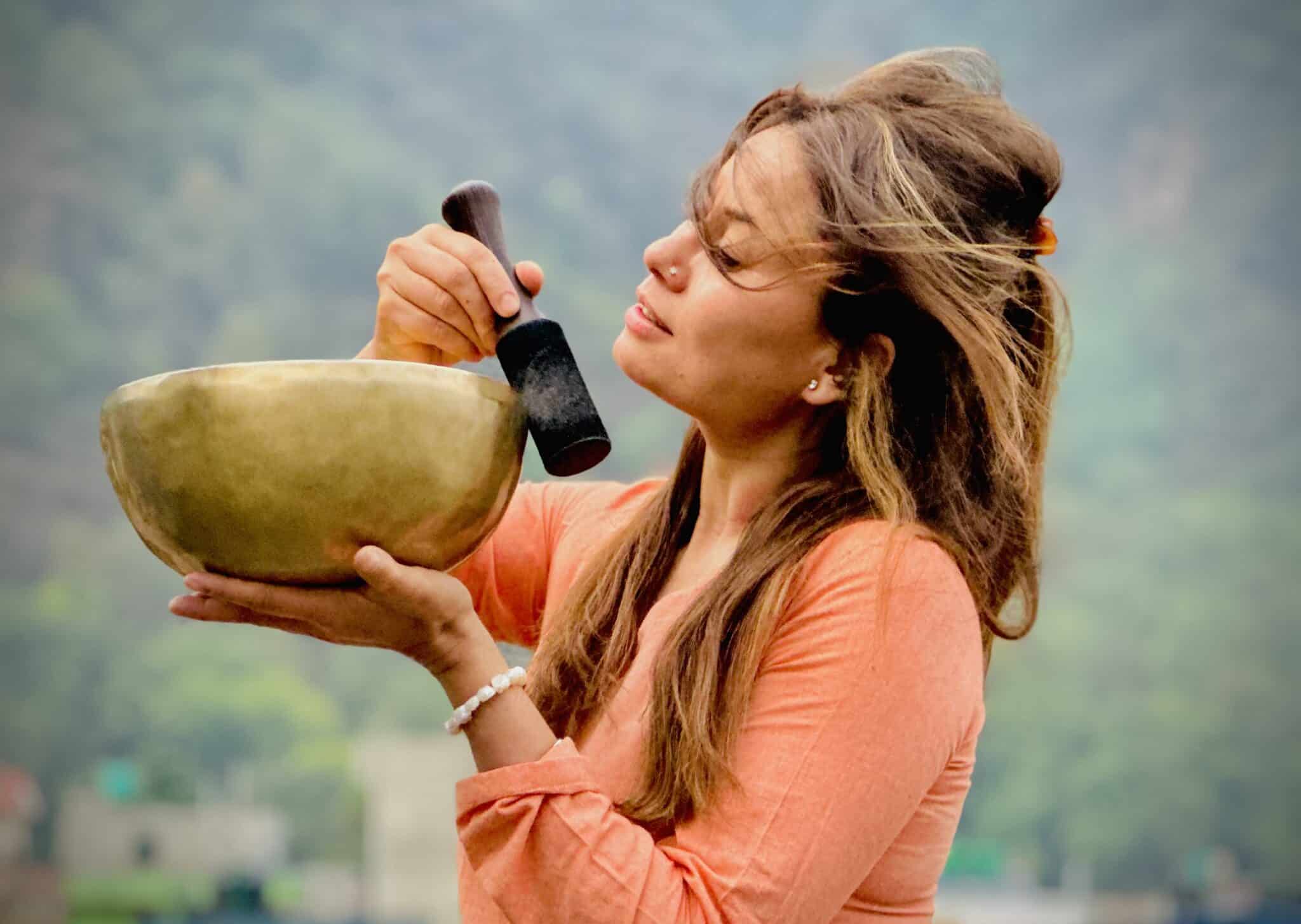
Yogi Prapti
Yogi Prapti, “Never ceases to amaze”. Filled with humor, warmth, and a sense of humility. Her classes ground students in the present moment by emphasizing alignment, breath, strength, and flexibility. Prapti is passionate about transforming lives. As with many Yogis, Prapti’s journey began as a way to heal her body from physical ailments, but yoga means so much more than just the physical poses to her; it means connection, self-actualization, personal growth, peace, and joy. Skilled in yoga and personal development, you can expect a strong and vigorous yoga practice, accompanied by modern-day philosophy and advanced aerial yoga skills to invigorate, motivate, and inspire you.
MASTERY: NADA CHIKITSA ( SOUND HEALING ), ASHTANGA YOGA, HATHA, AND VINYASA YOGA, TEACHING TECHNIQUES, ANATOMY, AND PHYSIOLOGY.
Dr. Roshan Baskota
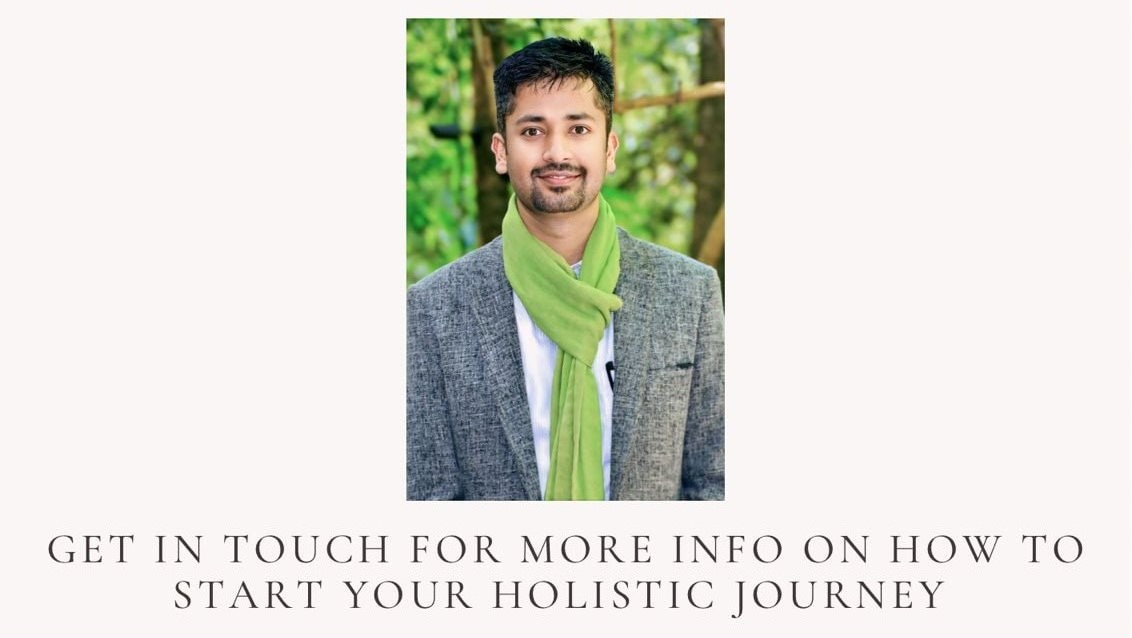 Dr. Roshan Baskota is an experienced Ayurveda practitioner and wellness specialist. He completed his Bachelor’s degree in Ayurvedic Medicine and Surgery from the Institute of Medicine at Tribhuvan University, Nepal. He has further specialized in Advanced Metabolic Endocrinology through the American Academy of Anti-Aging Medicine.Dr. Baskota has worked extensively in wellness clinics and resorts across Nepal and has studied traditional healing practices in the Himalayan regions.His teaching focuses on:
• Ayurvedic wellness principles
• Preventive healthcare
• Panchakarma therapies
• Holistic lifestyle practices
Frequently Asked Questions
Do I Need a 200 Hour Yoga Teacher Training Before Joining?
No.
Completing a 200-hour Yoga Teacher Training is recommended if your long-term goal is to work professionally as a yoga teacher, but it is not a strict prerequisite for this specialized Yin Yoga training.
Dedicated practitioners with at least approximately six months of regular yoga experience may also apply.
Existing yoga teachers can use the course to expand their teaching knowledge and Yin Yoga sequencing skills.
Is the 50 Hour Yin Yoga Certification Internationally Recognized?
Students completing the program receive a 50-Hour Yin Yoga Teacher Training Certificate from Himalayan Yoga Academy.
Himalayan Yoga Academy offers Yoga Alliance-related training and continuing education programs. Registered yoga teachers should verify the current Yoga Alliance requirements applicable to their individual continuing education records.
Can Beginners Join the Course?
The course is beginner-friendly in terms of Yin Yoga specialization, but students should ideally have at least six months of previous yoga practice.
You do not need to already be a yoga teacher.
Can I Teach Yin Yoga After Completing the Course?
The course provides specialized education in Yin Yoga teaching techniques, sequencing, anatomy, philosophy, and practical teaching.
Students who are already qualified yoga teachers can integrate Yin Yoga into their professional teaching.
Students without an existing foundational yoga teaching qualification may use the course primarily to deepen their practice and knowledge before pursuing broader professional teacher certification.
How Many Yin Yoga Poses Will I Learn?
Students study more than 30 Yin Yoga postures and variations, along with modifications, counterposes, prop use, safe transitions, and sequencing applications.
Does the Course Include Anatomy?
Yes.
Anatomy is one of the main elements of the training.
Topics include:
- Fascia
- Connective tissues
- Joints
- Skeletal variation
- Range of motion
- Tension versus compression
- Muscle tone
- Spine anatomy
- Functional movement
- Safety and contraindications
Does the Training Include Meridian Theory?
Yes.
Students receive an introduction to the meridian system used within Traditional Chinese Medicine and explore how these traditional concepts have been incorporated into contemporary Yin Yoga.
Is This Course Suitable for Hatha or Vinyasa Teachers?
Yes.
Yin Yoga is particularly useful for teachers who already specialize in active styles such as Hatha, Vinyasa, or Ashtanga because Yin provides a complementary approach based on stillness, longer holds, and mindful observation.
Is Yin Yoga Only About Flexibility?
No. , Although Yin Yoga may support comfortable mobility and flexibility for some practitioners, the practice also emphasizes stillness, self-observation, functional anatomy, meditation, patience, and awareness.
Yin Yoga should not become a competition to achieve deeper stretches.