
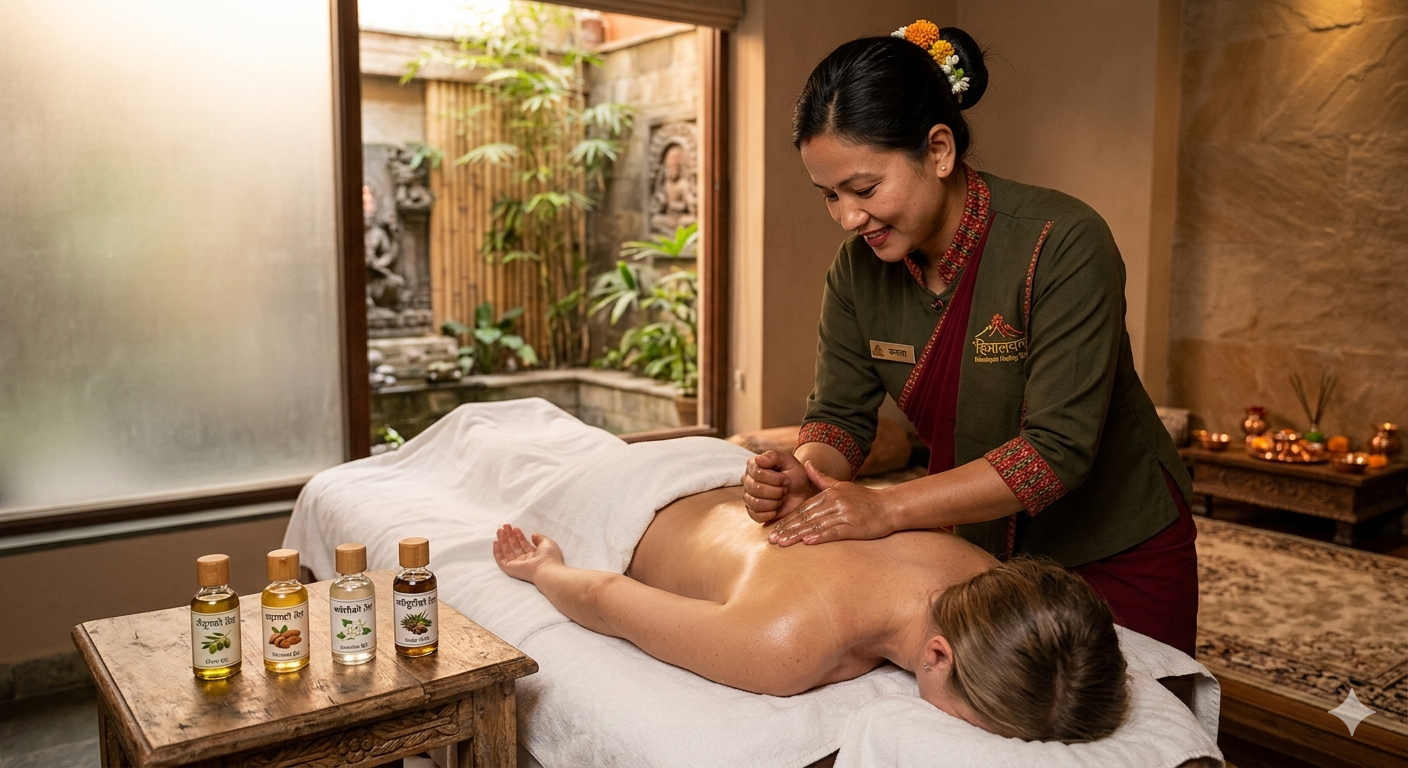
4 Oct 2026 HYN Himalayan Yoga Academy
Becoming an Ayurvedic massage therapist is a journey that goes far beyond memorizing a sequence of movements. It invites you to step into a holistic system of healing refined over thousands of years. Unlike conventional massage, Ayurvedic bodywork is deeply connected to a wider philosophy that considers your client’s unique constitution (Prakriti), the current season, their daily routine, digestion, lifestyle, and the subtle qualities of different oils and techniques.
For a student who wants to work professionally, the goal is to weave together practical touch skills with sound judgment, ethical boundaries, and a deep understanding of where massage fits within a wellness practice. No single, universally recognized international license is called “Ayurvedic massage therapist.” Requirements vary significantly by country, state, and profession. Some regions regulate massage therapy closely, while others allow wellness bodywork under broader rules.
This is why a high-quality training program should not only teach you how to give a massage but also encourage you to understand the legal scope of your work wherever you plan to practice. This guide will walk you through the essential steps to becoming a confident, skilled, and professional Ayurvedic massage therapist.
Step 1: Learn the Foundations of Ayurveda
Before you learn the more advanced-looking treatments, you must start with the logic of Ayurveda. A strong foundation is non-negotiable. Students should understand the five-element framework (Earth, Water, Fire, Air, Ether), the three doshas—Vata, Pitta, and Kapha—and the idea of Prakriti, or an individual’s unique constitution.
You will also learn how qualities such as warm, cool, dry, heavy, light, or oily are used in traditional reasoning. This knowledge is the key that unlocks the “why” behind the techniques. Instead of asking, “Which oil is always best?” a trained student learns to ask why a particular oil, pace, or amount of stimulation might be selected for a specific person in a given situation. This foundation helps prevent the common mistake of turning Ayurveda into a rigid list of universal rules.
Step 2: Build Hands-On Massage Competence
Professional bodywork is a physical skill that requires repetition and dedicated practice. You cannot learn it from a book alone. In a professional course, students spend countless hours practicing:
- Therapist Stance: Learning to use body weight rather than muscle strength to prevent strain.
- Hand Placement & Pressure: Applying the right amount of pressure with precision.
- Rhythm & Transitions: Creating a seamless, flowing session.
- Draping & Client Comfort: Ensuring privacy and maintaining a professional environment.
- Session Flow: Mastering a full-body sequence so it feels smooth and intuitive.
A longer residential course is often the most effective way to learn because it allows the same skills to be practiced repeatedly under expert supervision. For example, Himalayan Yoga Academy’s Professional Ayurveda Massage Training in Nepal is structured as a 200-hour, 22-day program in Kathmandu, designed for both beginners and wellness practitioners who want a deeper practical base.
Step 3: Study Core Ayurvedic Bodywork Methods
A complete program will cover the foundational methods of Ayurvedic bodywork. This may include:
- Abhyanga-style full-body oil massage
- Head and foot massage
- Basic Marma awareness (vital energy points)
- Shirodhara setup (pouring warm oil on the forehead)
- Swedana-related procedures (herbal steam therapy)
- Guidance on selecting oils based on traditional Ayurvedic principles
However, technique names alone are not enough. A professional therapist must also learn the crucial operational aspects: how to set up a serene space, communicate effectively with the client, protect their privacy, work hygienically, and modify or stop a session when appropriate. These professional habits often determine whether a graduate feels truly ready to work with real people.
Step 4: Learn Anatomy, Safety, and Contraindications
A credible Ayurvedic training should never exclude basic anatomy and safety. It is essential to understand major bones, joints, muscle groups, and common movement limitations. This knowledge forms the bedrock of safe practice.
Just as important is learning how to screen clients. Massage is not suitable in every situation. Conditions like fever, acute injury, certain skin problems, recent surgery, and pregnancy-related considerations may require modification, postponement, or referral to a medical professional. A responsible course teaches students to stay within their level of competence and to avoid diagnosing or claiming to treat medical conditions unless they hold the appropriate professional qualifications. Your role is to support wellness, not to practice medicine.
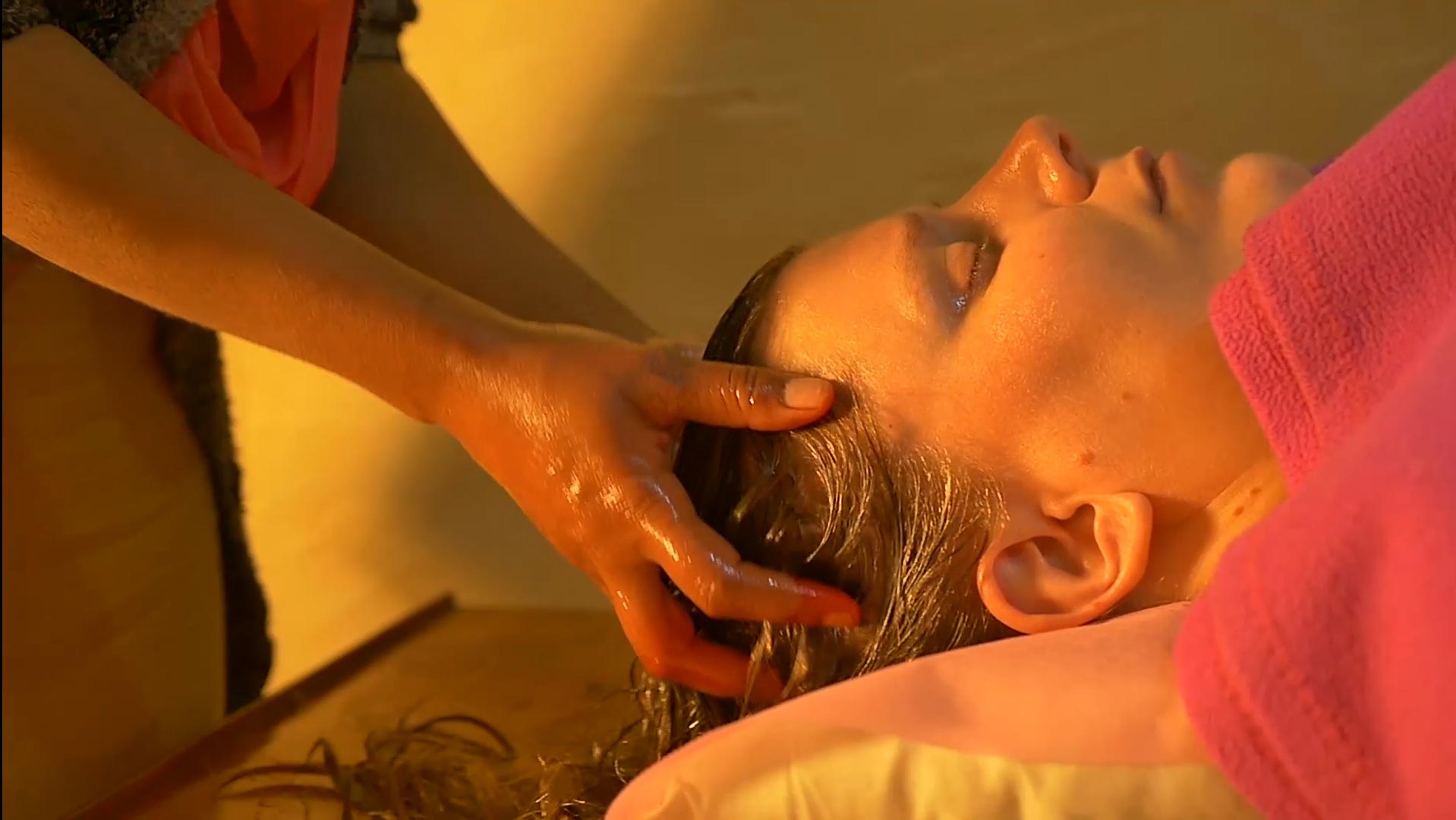
Step 5: Practice Communication and Client Care
Technical skill can be easily undermined by poor communication. A great therapist is also a great listener and communicator. You will need to:
- Explain the treatment process clearly.
- Ask about comfort and pressure preferences throughout the session.
- Obtain informed consent before beginning.
- Maintain professional draping at all times.
- Create a calm, safe, and non-judgmental environment.
- Avoid making exaggerated medical promises.
Students should also learn how to take basic, non-medical intake information and document sessions appropriately. If you plan to work in a spa, retreat center, yoga studio, or private practice, these habits are just as important as the massage sequence itself.
Step 6: Choose Training That Matches Your Career Goal
The right training for you depends on your ultimate goal. Someone who wants personal knowledge for family and friends may be happy with a short introductory course. A person planning to offer paid, professional treatments will need extensive practice and may also need a locally recognized massage qualification.
This is why course length should be chosen based on the outcome you want, not just on convenience. Himalayan Yoga Academy offers a 50-Hour Ayurveda Foundation Training for those who want a shorter entry point, while its Professional Ayurveda & Panchakarma Training provides a much broader, Ayurveda-focused direction.
Step 7: Add Complementary Skills Carefully
Many successful wellness professionals combine disciplines. A yoga teacher may add Ayurvedic massage to better understand relaxation and body awareness. A massage therapist may study yoga to improve their movement knowledge and self-care. A retreat facilitator may combine massage with meditation or sound healing.
At Himalayan Yoga Academy, students can continue into 200-Hour and 300-Hour Yoga Teacher Training, Professional Singing Bowl Training, Gong Master Training, and Meditation Teacher Training. These programs create powerful synergies. However, the best approach is to add skills that support a clear professional direction rather than simply collecting unrelated certificates.
Step 8: Understand Certification and Local Regulation
It is crucial to understand the difference between a certificate and a license. A certificate shows that you have completed a particular course. It does not automatically grant you the legal right to practice massage in every country or region. Before you market yourself as a massage therapist, you must check the specific rules that apply in your home country or destination.
When choosing a school, ask them to explain exactly what its certificate states, who issues it, how hours are documented, and what assessments are required. Always keep copies of your syllabus, attendance record, and practical assessments, as future employers or regulators may want more than just the final certificate.
Step 9: Gain Experience After Graduation
Graduation is not the end of your journey; it is the beginning of your professional development. New therapists improve by working slowly, receiving feedback, practicing within their scope of competence, and committing to continued education. You might start by offering sessions in a supervised environment, joining an established wellness center, or working with a small group of practice clients where local rules allow.
Keep detailed notes on your timing, client comfort, and your own ergonomics. Therapists who ignore their posture can develop strain injuries quickly, so self-care and proper body mechanics should remain a core part of your professional routine.
Why Study Ayurvedic Massage in Nepal?
Nepal offers a uniquely immersive environment for studying Ayurveda. Here, training can sit alongside yoga, meditation, Himalayan culture, and residential study. Kathmandu is accessible to international students and has a long-established wellness and spiritual education scene.
At Himalayan Yoga Academy, the 200-hour massage program is part of a broader school, not a stand-alone weekend workshop. Students who want to deepen their knowledge can stay within the same supportive learning community to study Ayurveda & Panchakarma, Yoga Teacher Training, Singing Bowl Training, Gong Master Training, or Meditation Teacher Training.
Final Thoughts
To become a successful Ayurvedic massage therapist, focus on four pillars: sound foundations, repeated hands-on practice, professional safety, and a clear understanding of your legal scope of practice. A certificate is a useful milestone, but true skill develops through supervised training and responsible experience.
For students seeking an immersive and transformative route, a 200-hour Ayurveda massage training in Nepal can provide the time and space to learn techniques, receive personal correction, and experience Ayurveda as part of a wider yogic lifestyle. The strongest career path is one that combines practical competence with ethics, a commitment to continued learning, and realistic professional expectations
Frequently Asked Questions (FAQ)
Q: How long does it take to become an Ayurvedic massage therapist?
A: The time required varies greatly. A foundational course can be a few weeks (like a 40-hour program), while a comprehensive professional training might be 200 hours or more, spread over several weeks or months. The depth of your training directly impacts your readiness to practice professionally.
Q: Is Ayurvedic massage the same as regular massage?
A: No. While both involve hands-on techniques, Ayurvedic massage is rooted in the philosophy of the doshas (Vata, Pitta, Kapha). It is highly individualized, with the choice of oils, pressure, and technique tailored to a person’s constitution and current state of balance, rather than following a single standardized routine.
Q: Can I practice Ayurvedic massage anywhere in the world with a certificate from Nepal?
A: Not necessarily. A certificate from a reputable school like Himalayan Yoga Academy demonstrates your training and hours. However, the legal right to practice is determined by the laws of the country, state, or region where you intend to work. Always research and comply with local regulations.
Q: What is the most important skill for an Ayurvedic massage therapist?
A: While technical skill is vital, the ability to listen and communicate is arguably the most important. Understanding the client’s needs, explaining the process, ensuring their comfort, and maintaining ethical boundaries are the hallmarks of a true professional.